

 English
 Durable Fully Automatic Bottle Blowing Machine
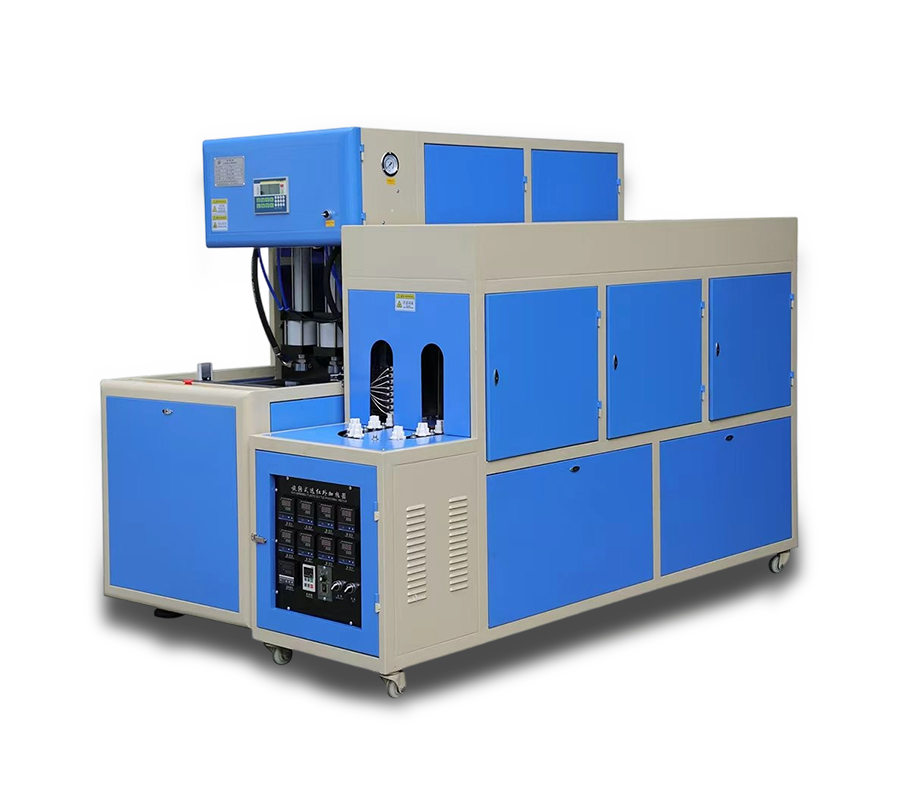
This PET-type bottle blowing machine is designed with advanced technology to meet the high-efficiency and high-precision requireme...
See Details
In recent years, high-cavity bottle preform mold design has undergone remarkable progress, reshaping the way manufacturers produce packaging for beverages, cosmetics, and household products. As consumer demand for bottled goods continues to rise, the need for molds that can handle large volumes with precision has become a key driver in the packaging industry. The development of advanced mold systems not only improves productivity but also supports consistency, energy efficiency, and the integration of modern manufacturing technologies.
A high-cavity bottle preform mold is designed to produce multiple preforms in a single cycle, significantly increasing the overall output of a production line. Earlier designs were limited by cooling speed, uneven material distribution, and shorter mold lifespans. Today, innovations in steel quality, hot runner systems, and cooling channel optimization have solved many of these challenges. Manufacturers now rely on high-cavity systems to produce thousands of preforms per hour while maintaining uniformity in weight, thickness, and transparency.
One of the important aspects of mold advancement is the way it connects with downstream equipment, such as the automatic bottle blowing machine. The efficiency of a mold is only fully realized when preforms are seamlessly transferred to blowing machines without delays or defects. For small-scale production, the small pet bottle blowing machine is often paired with fewer cavity molds, allowing businesses to balance investment costs with production flexibility. On the other hand, large manufacturers benefit from using high-cavity molds together with fully automated systems that streamline every step from injection to blowing.
Cooling technology remains at the center of design improvements. By optimizing cooling channels and integrating better thermal management systems, new molds less cycle time without sacrificing product quality. This efficiency translates directly into lower energy consumption, which is a growing concern for manufacturers aiming to reduce costs and environmental impact. When paired with an automatic bottle blowing machine, the faster cycle times of high-cavity molds ensure that production lines operate smoothly with fewer interruptions. Similarly, when integrated with a small pet bottle blowing machine, these molds help smaller factories maintain steady output without excessive waste.
Another area of innovation is precision engineering. High-cavity molds must maintain exact tolerances across dozens of cavities, which requires advanced machining technology and strict quality control. Even minor variations can cause defects in preforms, which then carry over into the finished bottles. This is especially important for industries such as food and pharmaceuticals, where packaging integrity directly affects safety and consumer confidence. By aligning high-cavity mold performance with the reliability of the automatic bottle blowing machine, manufacturers can meet the strict standards of these sectors. For niche applications, the small PET bottle blowing machine remains an adaptable solution, giving producers the flexibility to handle different preform designs without compromising consistency.
Sustainability also plays a crucial role in mold innovation. Many packaging companies are transitioning to lighter bottles to reduce plastic usage and transportation costs. High-cavity molds are now designed to support lightweight preform production without sacrificing durability. This requires precise control of material flow and careful design of cavity geometry. When lightweight preforms are processed in an automatic bottle blowing machine, the result is a bottle that meets strength requirements while using less raw material. Likewise, the small pet bottle blowing machine allows smaller producers to experiment with lightweight bottles, making sustainable packaging accessible across different scales of production.
The digitalization of mold design is another significant step forward. Digital monitoring systems are also being integrated into production lines, enabling real-time adjustments when preforms are processed in an automatic bottle blowing machine. For smaller workshops, the same technology can be applied to the small pet bottle blowing machine, helping them maintain efficiency and avoid downtime.
Looking ahead, high-cavity bottle preform mold design will continue to evolve in response to industry trends such as customization, energy savings, and sustainability. With global demand for PET bottles remaining strong, manufacturers will increasingly rely on advanced molds to stay competitive. Whether used in large-scale production with an automatic bottle blowing machine or in smaller operations with a small PET bottle blowing machine, these molds represent a vital component of modern packaging.
By combining innovation in mold design with efficient blowing technologies, the industry is shaping a future where productivity and sustainability go hand in hand. High-cavity molds are no longer just tools for mass production; they are strategic assets that help manufacturers adapt to changing markets and consumer expectations.
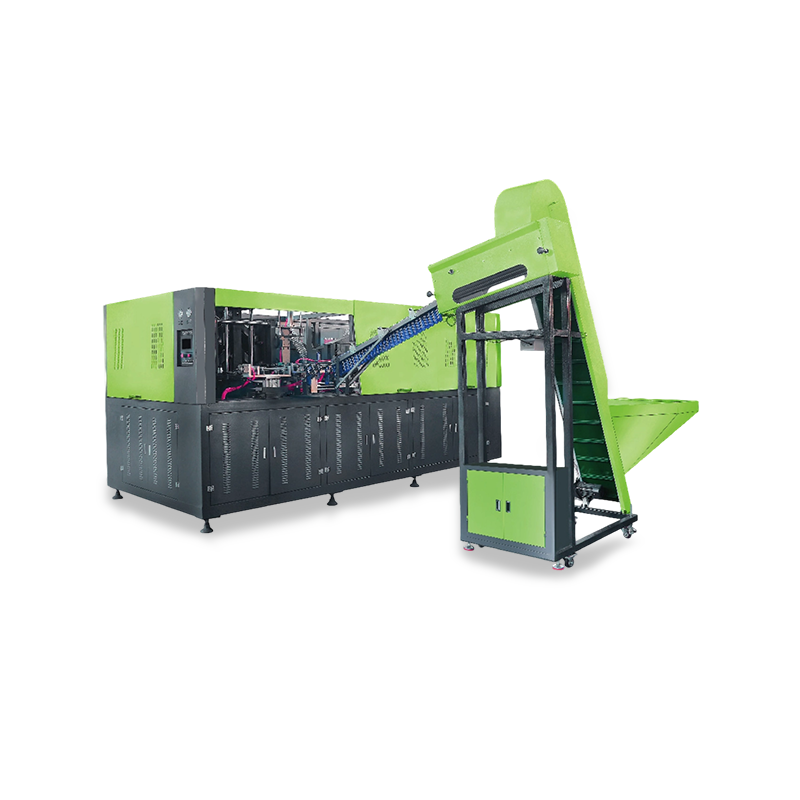
This PET-type bottle blowing machine is designed with advanced technology to meet the high-efficiency and high-precision requireme...
See Details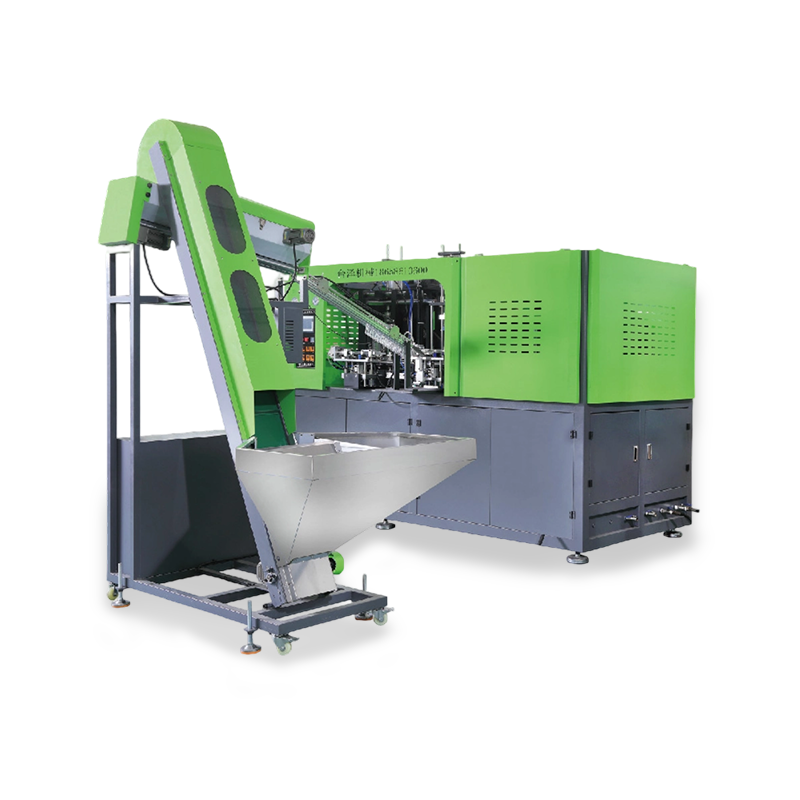
This bottle blowing machine is designed with precision engineering and modern automation technology, providing a reliable and effi...
See Details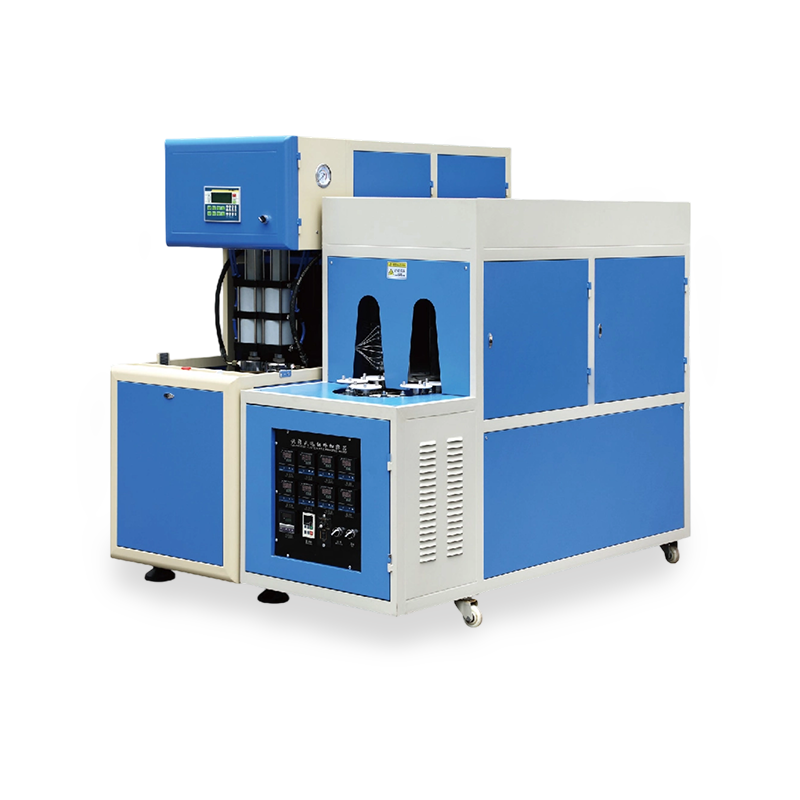
The fully automatic bottle blowing machine is a high-performance equipment designed for efficiency, precision, and ease of operati...
See Details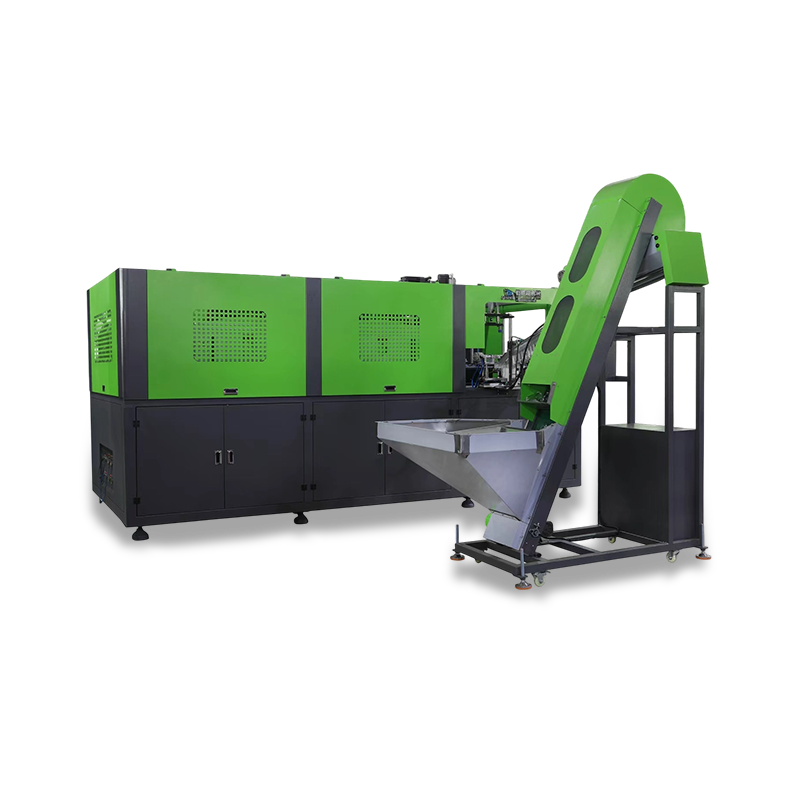
The 6-Cavity Fully Automatic Bottle Blowing Machine For Bottles From 100ML To 2L is designed to provide efficient and reliable pro...
See Details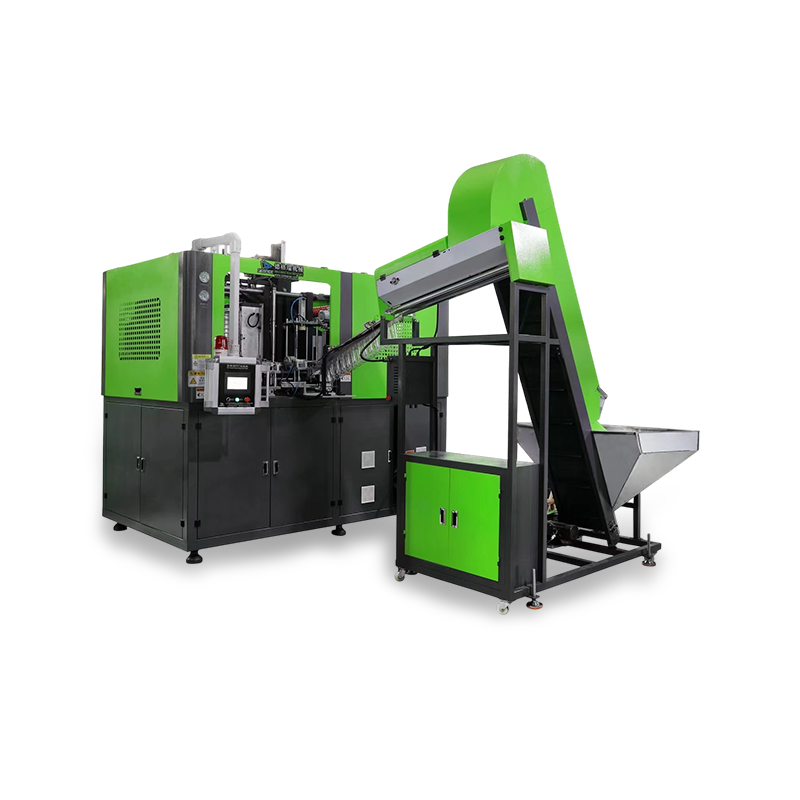
The 1 Cavity Produce 10L/15L/20L Bottles Fully Automatic Bottle Blowing Machine is a reliable and efficient solution for producing...
See Details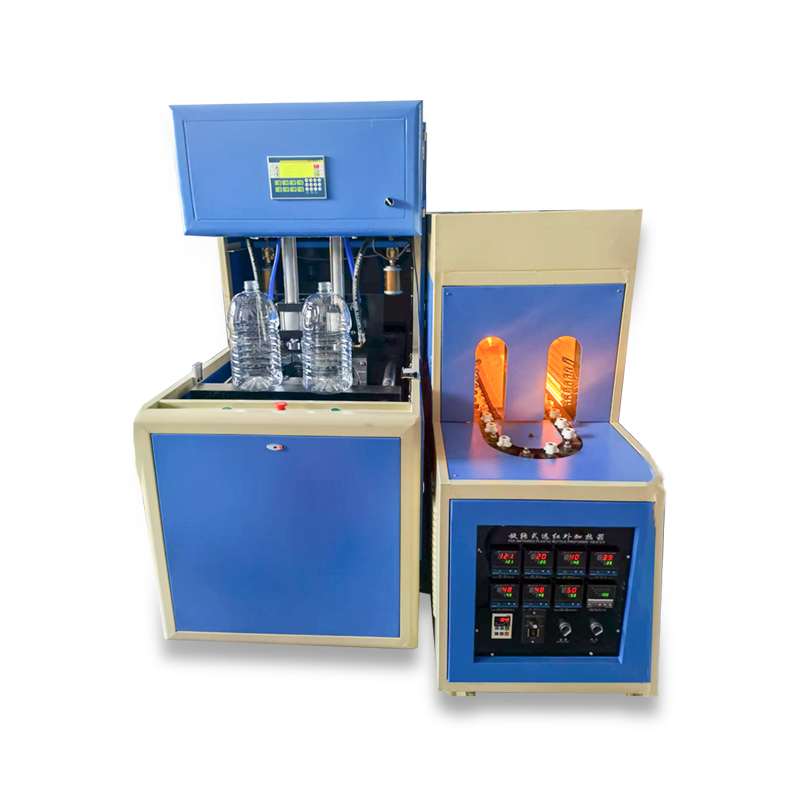
The 5L Manual Extrusion Semi-Automatic Bottle Blowing Machine is specifically designed for producing medium-capacity plastic conta...
See Details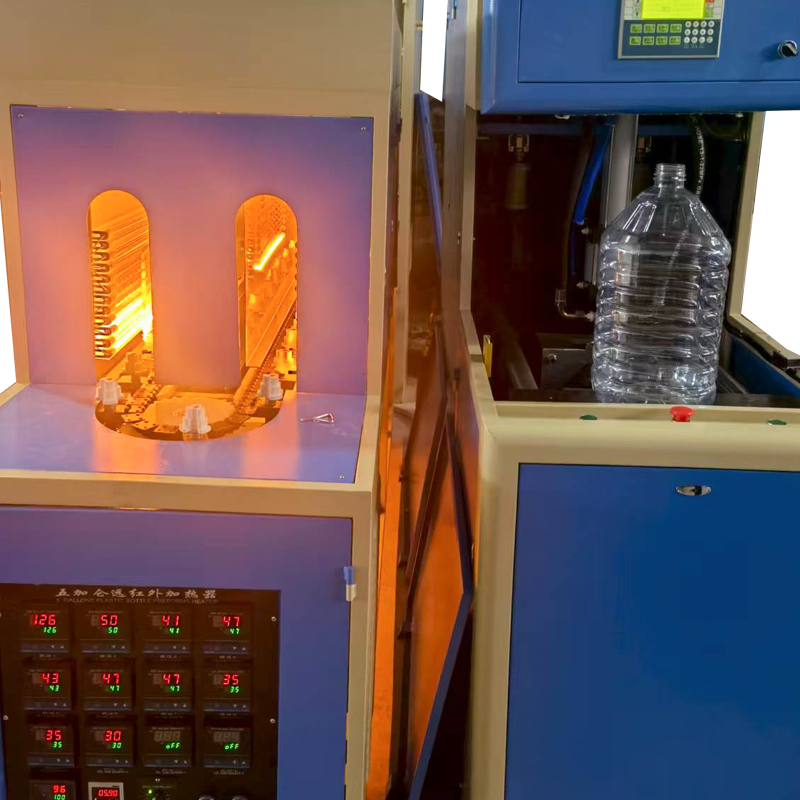
The 10L 5L To 12L Plastic PET Bottles Semi Automatic Bottle Blowing Machine is specially designed for producing medium to large vo...
See Details


Contact Us