

 English
 Steady Fully Automatic Bottle Blowing Machine
This PET bottle blowing machine is designed to meet the demands of modern bottle manufacturing with high automation, reliability, ...
See Details
Energy management has become an increasingly important aspect of modern bottle production facilities. With rising energy costs and growing attention to sustainability, facilities are exploring ways to optimize energy consumption without compromising production quality. Efficient energy management not only helps reduce operational costs but also supports environmental goals by lowering the carbon footprint of manufacturing processes. For facilities that rely heavily on PET bottle production, implementing energy-conscious practices is particularly significant.
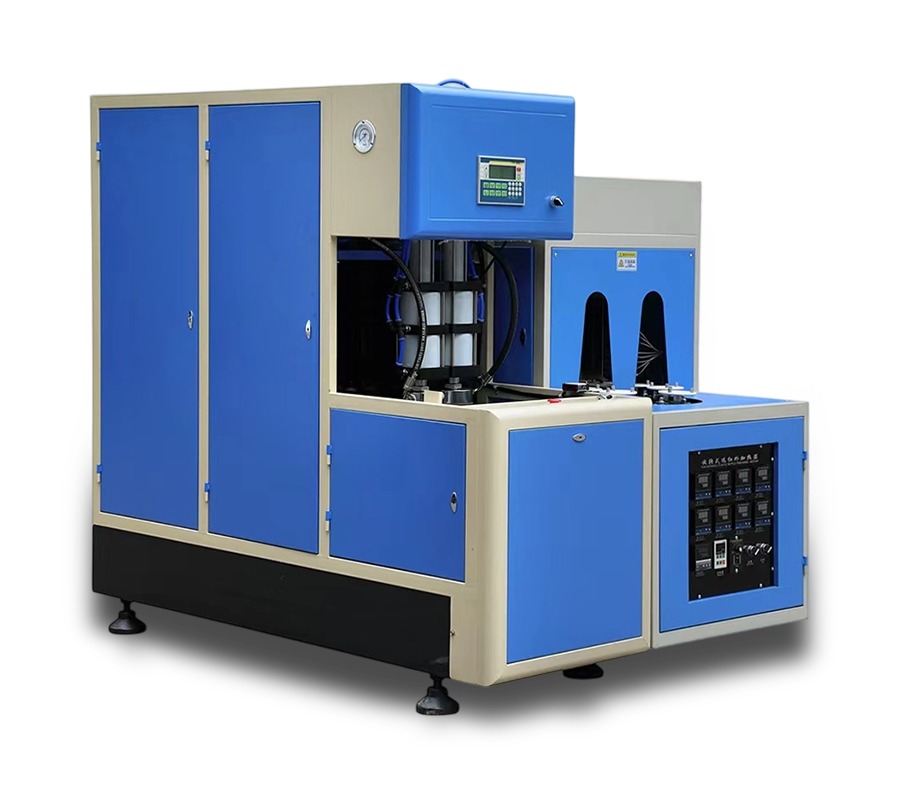
One of the central pieces of equipment in PET bottle production is the PET stretch blowing machine. These machines are used to shape preforms into finished bottles through controlled stretching and blowing processes. The energy demand of a PET stretch blowing machine can vary depending on its size, configuration, and production speed. Facilities that focus on energy management often conduct detailed assessments of their PET stretch blowing machine usage to identify periods of high energy consumption and adjust production schedules accordingly. By monitoring and analyzing energy patterns, operators can make small but effective changes that collectively result in substantial energy savings.
Similarly, the PET water bottle making machine plays a crucial role in the overall energy footprint of a bottle production facility. This machine integrates multiple steps, from heating preforms to blowing and forming the final bottle. Ensuring that the PET water bottle making machine operates efficiently requires proper maintenance, including timely replacement of worn components, inspection of electrical systems, and calibration of heating and cooling elements. Even minor misalignments or inefficient heating cycles can advance to unnecessary energy usage. Therefore, maintaining these machines in good working condition is a key strategy for energy management.
Another aspect of energy management involves optimizing production flow. For example, coordinating multiple PET stretch blowing machines on a production line can prevent idle periods where machines consume energy without producing bottles. Facilities often implement smart scheduling systems to ensure that all PET water bottle making machines operate in harmony, reducing waste and improving overall energy efficiency. By staggering production loads or temporarily shutting down underutilized machines, facilities can maintain output while using less electricity. This approach requires careful planning but can yield measurable energy reductions over time.
Temperature control also significantly impacts energy usage. Both the PET stretch blowing machine and the PET water bottle making machine rely on precise heating and cooling cycles to ensure bottles meet dimensional and quality standards. Excessive heating or poorly managed cooling not only consumes more energy but can also stress the machinery and reduce its lifespan. Energy-conscious facilities monitor temperature settings closely and adjust them according to ambient conditions and production requirements. This attention to detail helps reduce unnecessary energy expenditure while maintaining consistent bottle quality.
Energy recovery strategies are becoming more common in bottle production facilities as well. Some setups capture heat from PET stretch blowing machines or other stages of production and redirect it to preheating systems or facility heating needs. Similarly, energy-efficient compressors and pumps that support PET water bottle making machines can reduce overall electricity demand. By adopting these practices, facilities can lower operational costs and contribute to sustainability goals without major changes to their core processes.
Training personnel is another vital component of energy management. Operators who understand the energy implications of running PET stretch blowing machines and PET water bottle making machines are better equipped to identify inefficiencies and adopt energy-saving practices. Simple actions, such as shutting down machines when idle, using scheduled maintenance to prevent energy losses, and monitoring energy usage in real time, can collectively improve energy performance. Over time, these small adjustments contribute to a more sustainable and cost-effective operation.
From machine maintenance and scheduling optimization to temperature control and energy recovery, each element contributes to reducing energy consumption. Both the PET stretch blowing machine and the PET water bottle making machine are central to these efforts, as their efficiency directly affects the facility's overall energy footprint. By prioritizing energy management, facilities can reduce operational costs, support environmental objectives, and maintain consistent production quality, demonstrating that careful planning and monitoring are key to sustainable bottle manufacturing.
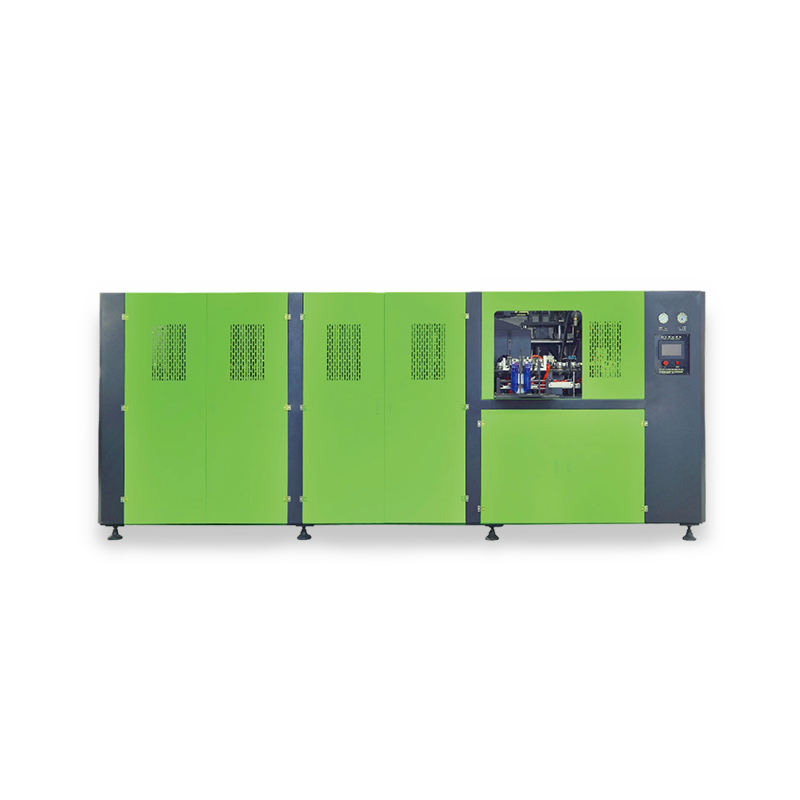
This PET bottle blowing machine is designed to meet the demands of modern bottle manufacturing with high automation, reliability, ...
See Details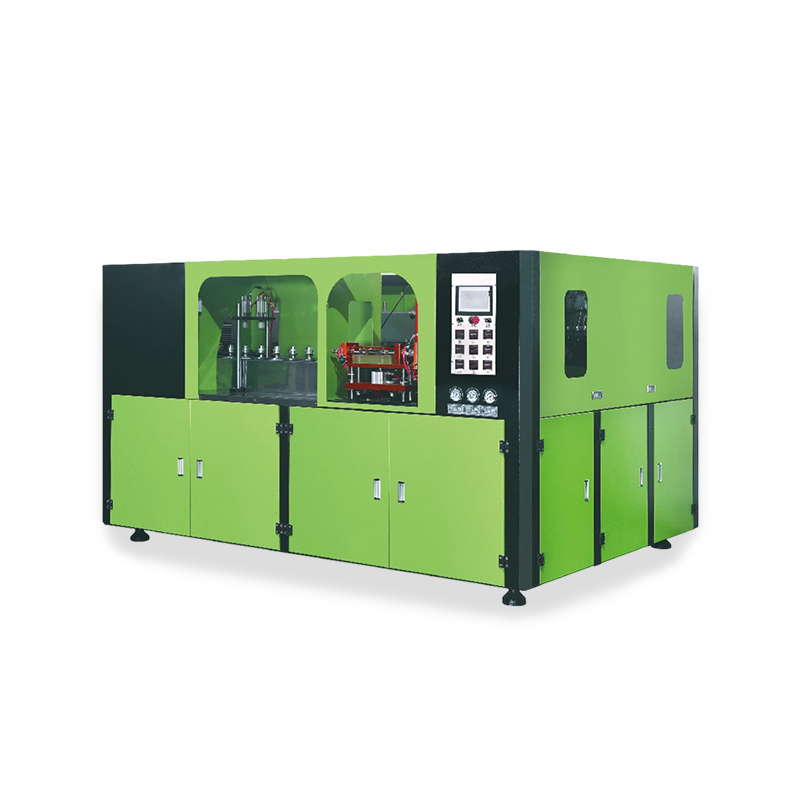
The fully automatic bottle blowing machine is designed with an emphasis on stability, efficiency, and precision. Its structure int...
See Details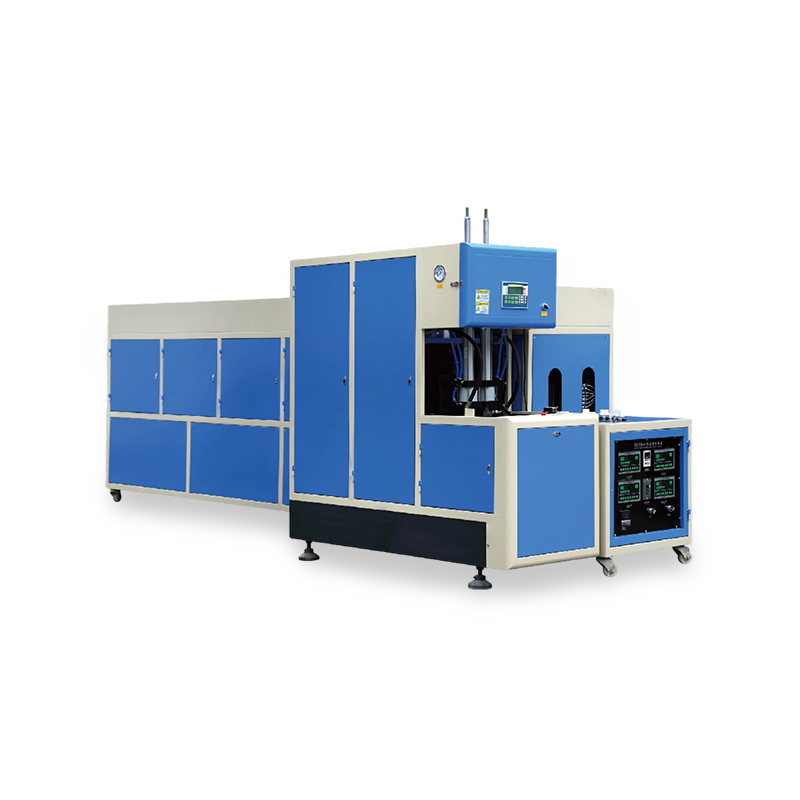
The fully automatic bottle blowing machine is engineered to deliver high efficiency and precision in plastic container production....
See Details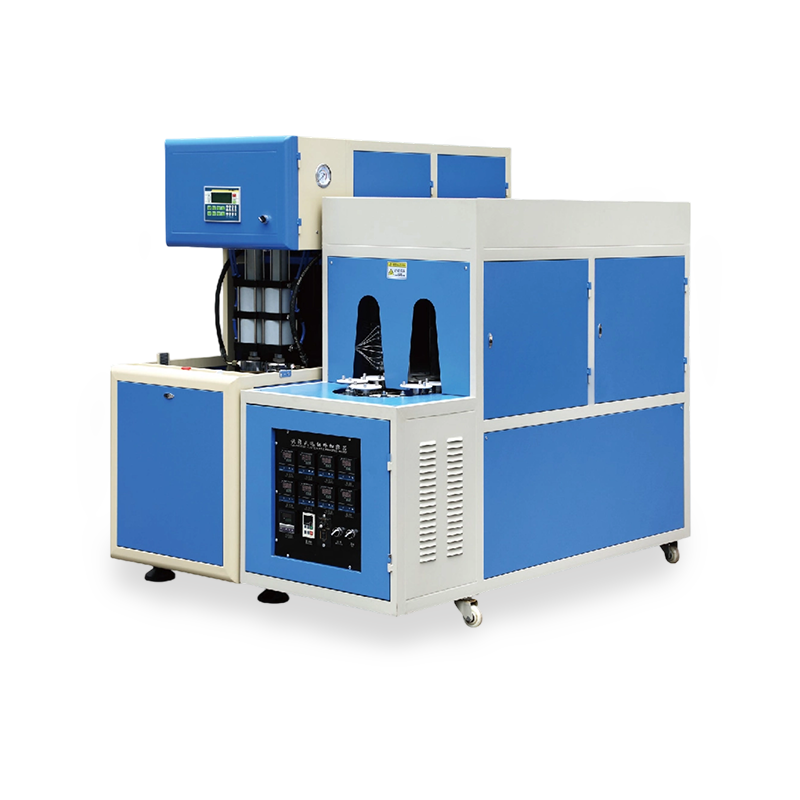
The fully automatic bottle blowing machine is a high-performance equipment designed for efficiency, precision, and ease of operati...
See Details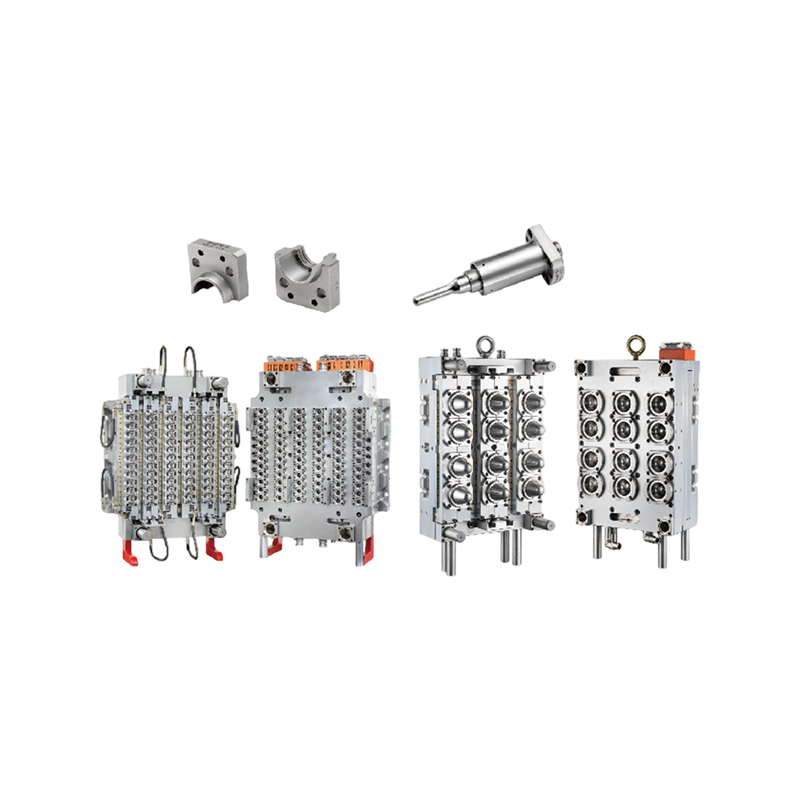
The Preform Durable High Success Rate Bottle Injection Mold is a cutting-edge product designed to provide high-quality, efficient,...
See Details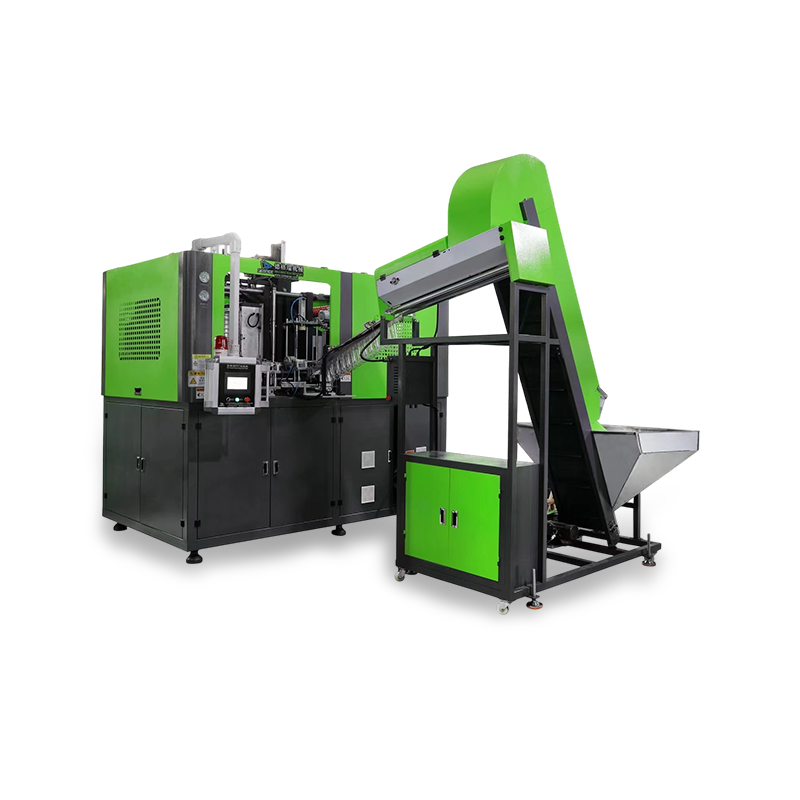
The 1 Cavity Produce 10L/15L/20L Bottles Fully Automatic Bottle Blowing Machine is a reliable and efficient solution for producing...
See Details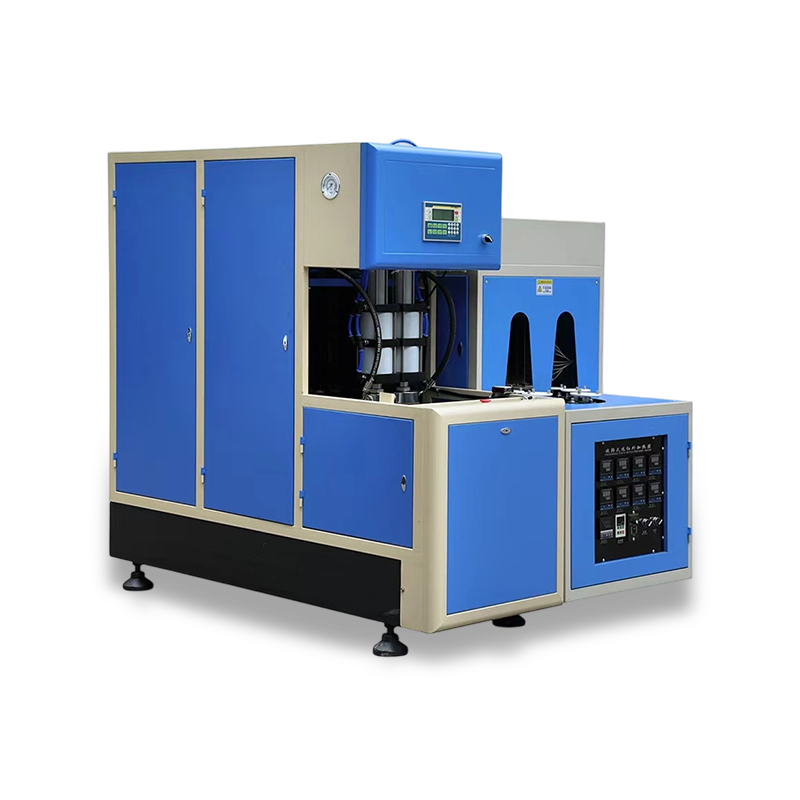
The 2-Cavity Wide-Mouth Bottle Semi-Automatic Bottle Blowing Machine is designed for medium-scale production lines that require ef...
See Details


Contact Us