

 English
 Durable Fully Automatic Bottle Blowing Machine
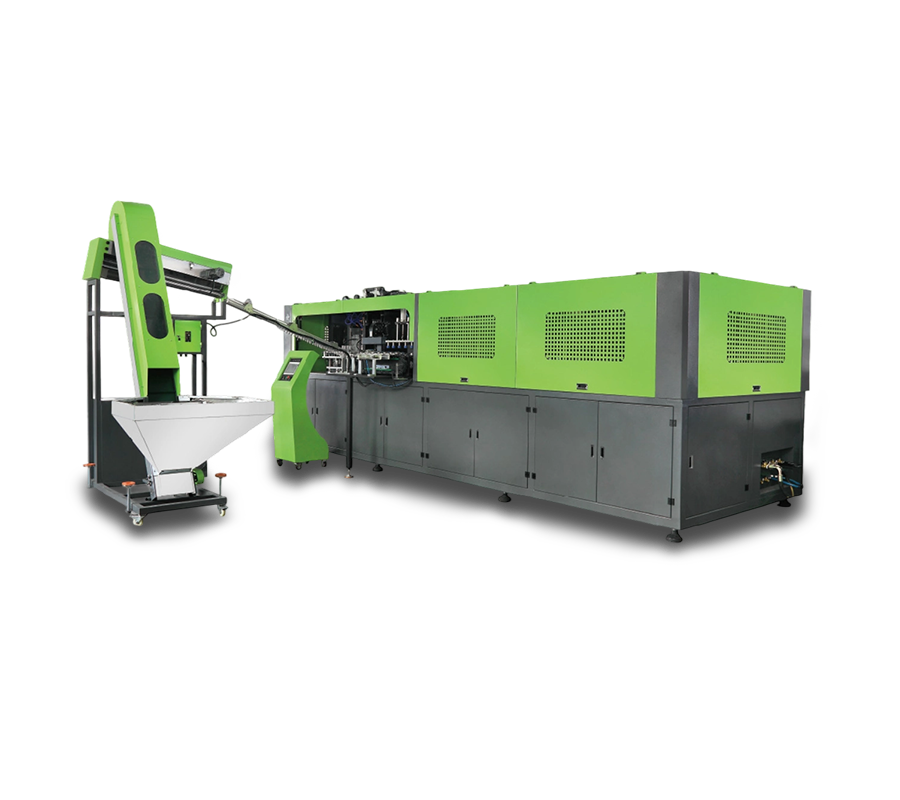
This PET-type bottle blowing machine is designed with advanced technology to meet the high-efficiency and high-precision requireme...
See Details
Preform molds are the foundation of reliable bottle production. Whether the focus is on beverage packaging or industrial containers, the quality of the mold directly influences consistency, durability, and production efficiency. For manufacturers using equipment such as a PP blowing machine or a PET bottle cap manufacturing machine, proper care of the preform mold ensures smoother processes and reduces costly downtime. Understanding how to maintain molds not only extends their service life but also supports higher productivity across the production line.
One of the key steps in mold maintenance is regular cleaning. Preform molds accumulate residue over time, especially when running high-volume production cycles. Dust, plastic fragments, and moisture can gradually affect the mold surface, creating minor imperfections in the preforms. Cleaning should be scheduled between production runs, ensuring that all cooling channels, cavities, and contact surfaces remain free of debris. In factories where a PP blowing machine is used daily, clean molds prevent defects from transferring into the next stage of bottle shaping.
Lubrication also plays a vital role in mold care. Preform molds have many moving parts, including sliders and ejector pins. These components are exposed to friction during continuous operation, and insufficient lubrication can cause premature wear. By applying the correct grade of lubricant at regular intervals, manufacturers protect the mold from excessive heat and reduce mechanical stress. In bottle production facilities where both preform molds and a pet bottle cap manufacturing machine are in use, consistent lubrication practices help maintain alignment and precision in both processes.
Temperature control is another important factor. Preform molds rely on stable cooling systems to maintain shape accuracy and cycle efficiency. Overheating may cause warping or reduce the quality of the finished preforms. Cooling lines should be inspected regularly for blockages or scale buildup, as poor water circulation directly affects performance. Operators managing a PP blowing machine know that bottle uniformity depends on how well the mold regulates temperature. Similarly, stable cooling in preform molds ensures that downstream processes like cap production on a PET bottle cap manufacturing machine run without interruptions.
Preventive inspections are equally valuable. Small cracks, scratches, or uneven wear patterns often develop unnoticed until they cause significant production issues. By implementing a routine inspection schedule, manufacturers can identify these problems early and take corrective action. Using magnification tools to check cavity details and measuring dimensions against design specifications help maintain mold accuracy. An inspection routine is especially important in environments where a PP blowing machine operates alongside multiple molds, as constant cycles place additional stress on equipment. The same principle applies to ensuring consistency in products created with a PET bottle cap manufacturing machine.
Storage conditions should not be overlooked. When molds are not in use, they must be stored in a dry, controlled environment to prevent rust or corrosion. Applying a thin protective coating on metal surfaces before storage is a common practice. Humidity control in the storage area helps keep molds in ready condition for the next production run. For manufacturers balancing preform production, bottle blowing, and cap molding, careful storage ensures seamless transitions between equipment such as a PP blowing machine and a pet bottle cap manufacturing machine.
Finally, training the workforce is essential for mold longevity. Skilled operators who understand the importance of careful handling, accurate setup, and proper maintenance procedures reduce the risk of accidental damage. Training also encourages accountability and creates a culture where every step in the process is valued. Whether preparing a preform mold for another production run or adjusting settings on a PP blowing machine, a knowledgeable team helps sustain overall efficiency. The same applies when coordinating production with a pet bottle cap manufacturing machine, where precision and timing are equally critical.
When combined with careful use of a PP blowing machine and efficient operation of a PET bottle cap manufacturing machine, these practices create a smoother workflow across the entire bottle production process. By treating mold maintenance as an investment rather than a routine task, manufacturers can achieve steady output and reliable quality in every production cycle.
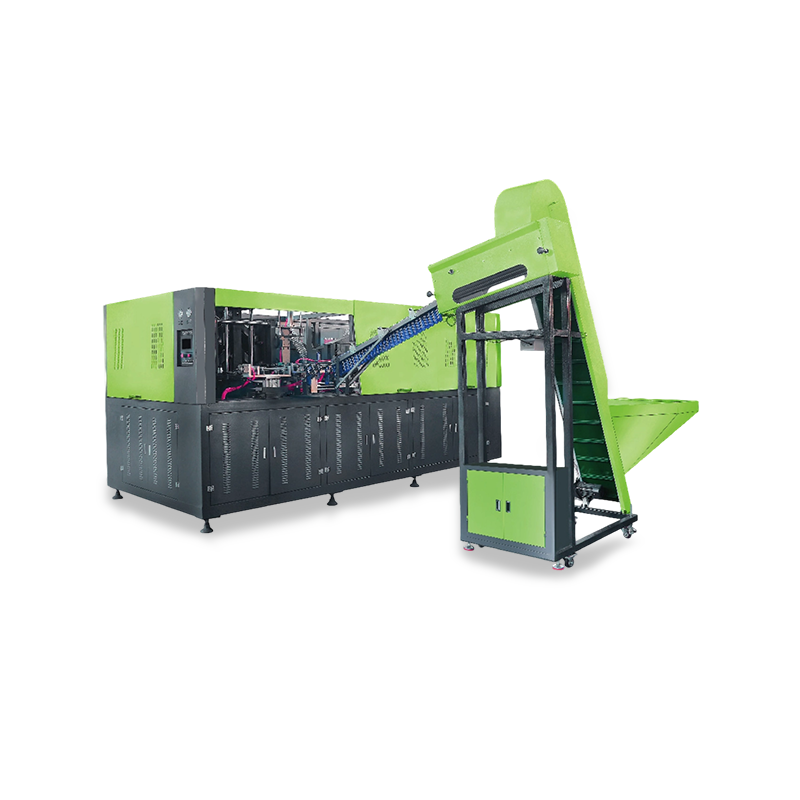
This PET-type bottle blowing machine is designed with advanced technology to meet the high-efficiency and high-precision requireme...
See Details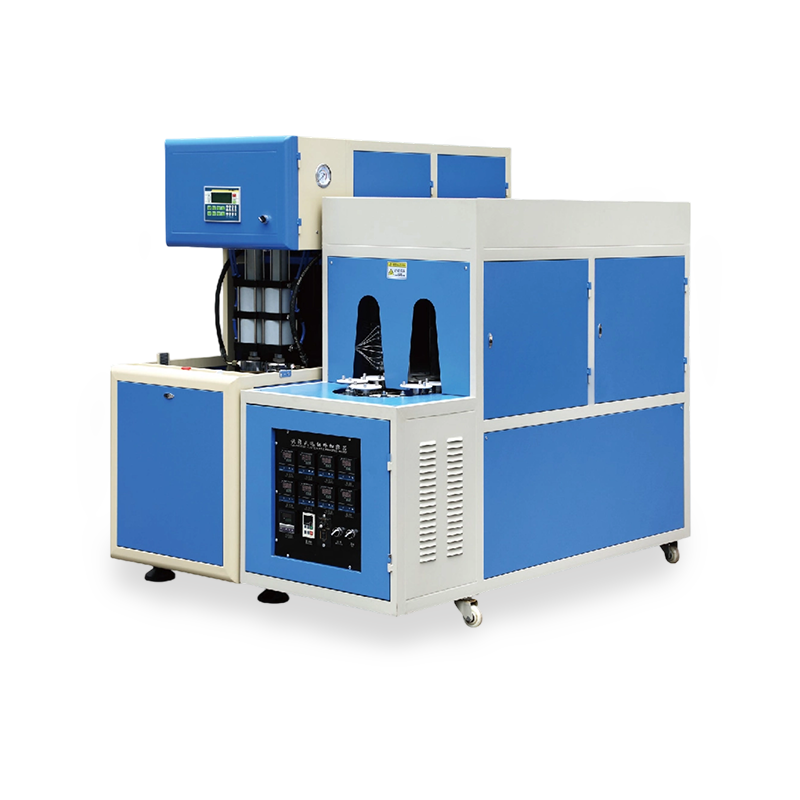
The fully automatic bottle blowing machine is a high-performance equipment designed for efficiency, precision, and ease of operati...
See Details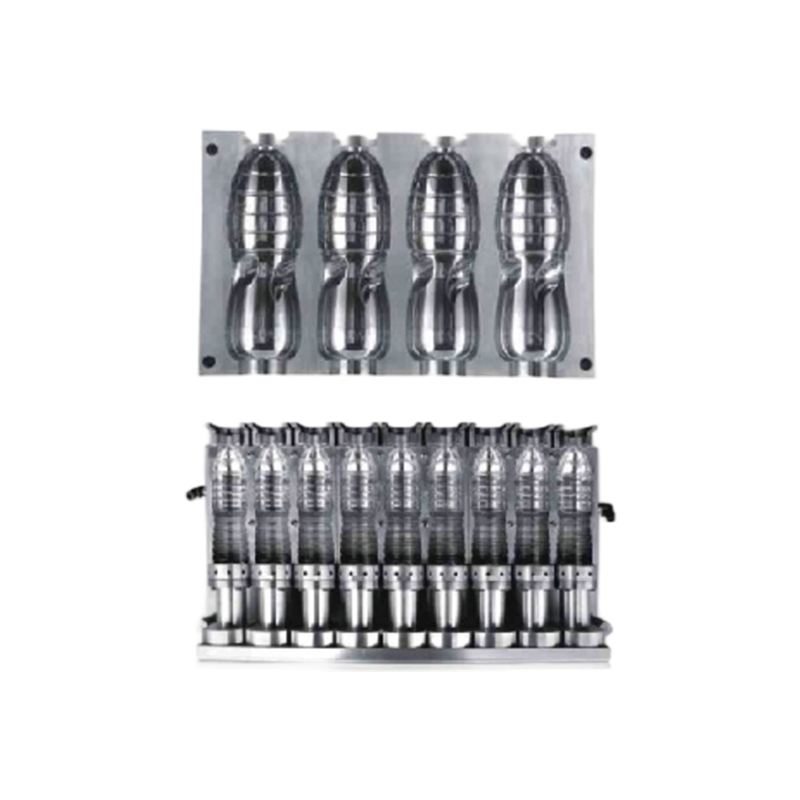
Our Blowing Molds Made On Demand Bottle Injection Mold solutions are designed with advanced 3D computer-aided design (CAD) technol...
See Details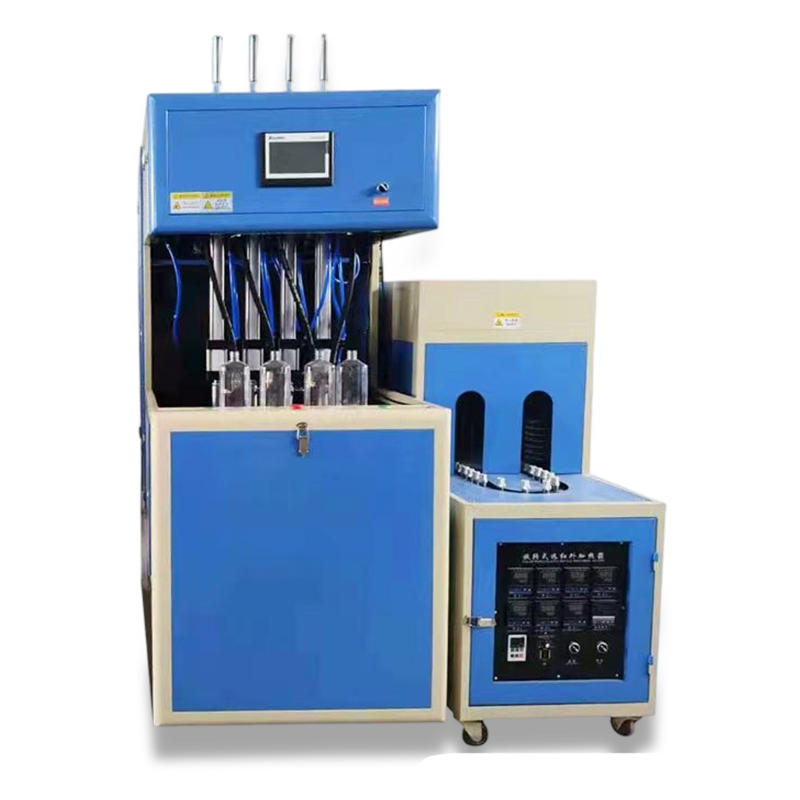
The Stable and Fast Automatic Bottle Blowing Machine is designed to meet the growing demand for streamlined bottle production with...
See Details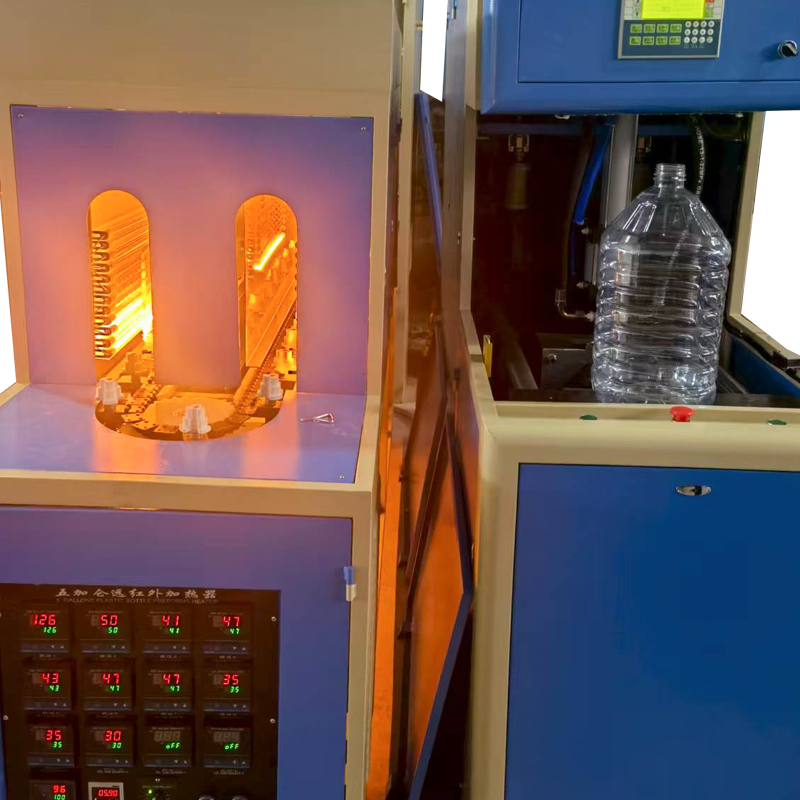
The 10L 5L To 12L Plastic PET Bottles Semi Automatic Bottle Blowing Machine is specially designed for producing medium to large vo...
See Details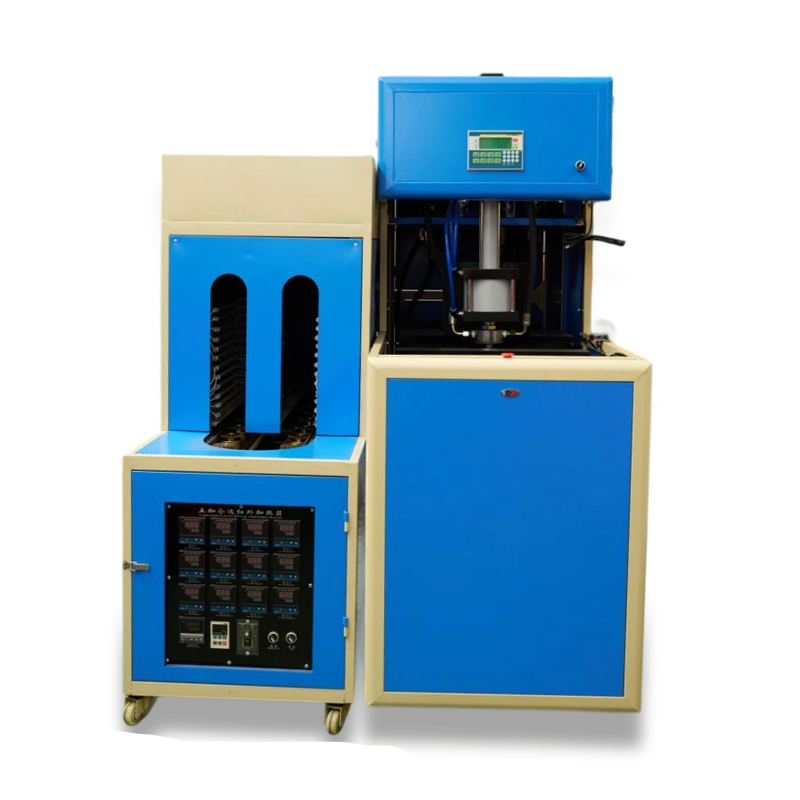
The Handle Bottle Semi Automatic Bottle Blowing Machine is designed to meet the production needs of handle-type plastic bottles in...
See Details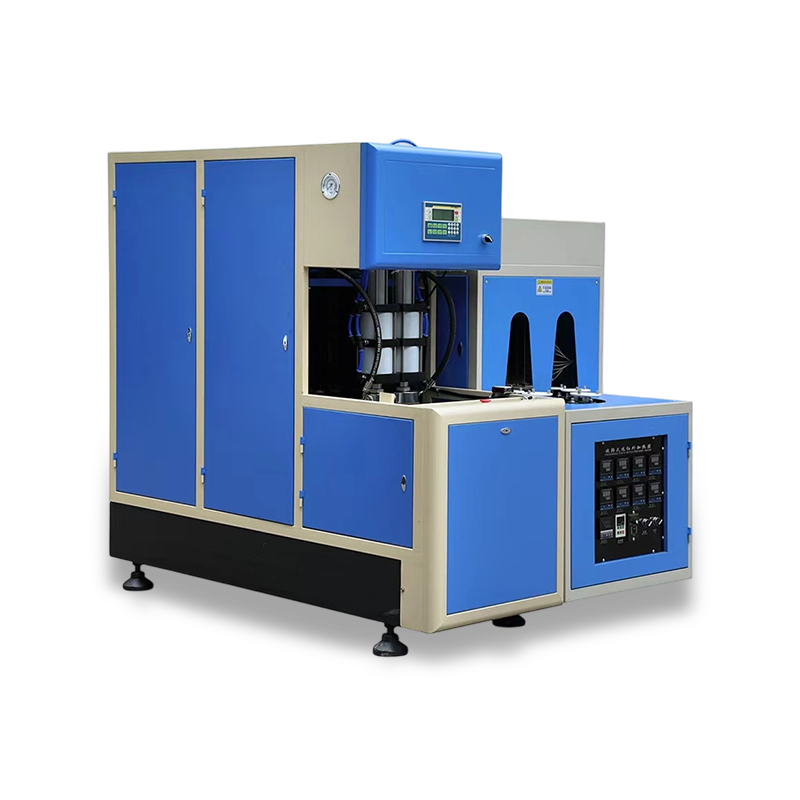
The 2-Cavity Wide-Mouth Bottle Semi-Automatic Bottle Blowing Machine is designed for medium-scale production lines that require ef...
See Details


Contact Us