

 English
 Steady Fully Automatic Bottle Blowing Machine
This PET bottle blowing machine is designed to meet the demands of modern bottle manufacturing with high automation, reliability, ...
See Details
Efficiency and sustainability are gaining greater importance in today’s plastic bottle industry. One key aspect of bottle manufacturing that often receives less attention is the cooling system used in mold production. Traditional cooling systems in molds can consume large amounts of water, pilot to higher operational costs and environmental impact. By adopting water-saving cooling systems, manufacturers can reduce water consumption while maintaining consistent production quality. This approach is particularly relevant for factories using a PET bottle-making machine, where efficient cooling directly influences cycle times and bottle quality.
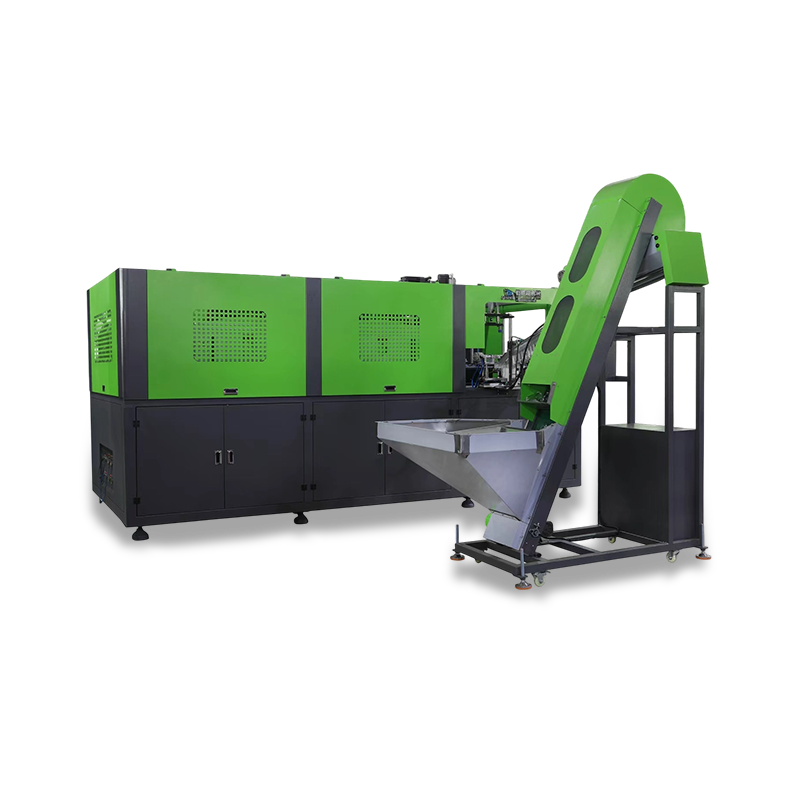
Cooling is essential in mold production because it controls the temperature of the mold, which in turn affects the solidification of the plastic. In PET blow moulding machine operations, inconsistent cooling can result in defects such as uneven wall thickness, warping, or shrinkage. Water-saving cooling systems are designed to optimize water flow and temperature distribution, ensuring the mold maintains a stable temperature without wasting resources. For companies operating multiple pet bottle making machine units, this can translate into substantial reductions in water use over the course of a year.
One approach to water-saving in mold production involves redesigning the cooling channels within the mold. By improving channel layout and incorporating high-efficiency water distribution, manufacturers can achieve better thermal regulation with less water. This has a direct effect on the performance of a PET blow moulding machine, allowing it to produce bottles at a steady rate while consuming fewer resources. In addition, these systems often require less maintenance, as efficient water flow reduces the buildup of scale and other deposits that can affect mold quality and machine reliability.
Another important aspect of water-saving cooling systems is temperature control. Modern molds equipped with intelligent water management can adjust the flow rate and temperature according to production needs. This is particularly beneficial in facilities with multiple PET bottle-making machine lines running simultaneously, where demand for cooling may vary across different molds. By precisely managing the cooling process, manufacturers can ensure that each PET blow moulding machine operates under ideal conditions without unnecessary water usage, improving both sustainability and operational efficiency.
The benefits of water-saving cooling systems extend beyond environmental concerns. Lower water consumption reduces utility costs, which can be significant in large-scale production facilities. Additionally, efficient cooling contributes to longer mold life. In PET bottle making machine operations, consistent temperature control prevents thermal stress and reduces the risk of cracks or deformation in molds. Similarly, PET blow moulding machine performance remains stable, allowing for smoother production runs and fewer interruptions caused by mold maintenance or water system issues.
Implementation of water-saving cooling systems can also align with broader sustainability goals. Many plastic bottle manufacturers are exploring ways to lessen their environmental footprint, and reducing water usage in mold production is a practical step. With efficient cooling systems, a single PET bottle-making machine line can operate with significantly less water than traditional setups, while pet blow moulding machine lines benefit from reduced cooling-related downtime. This creates a production environment that is both resource-conscious and economically favorable.
By optimizing water flow, improving temperature control, and reducing waste, these systems support sustainable manufacturing practices without compromising product quality. Facilities equipped with multiple PET bottle-making machine lines can see significant reductions in water consumption, while PET blow moulding machine performance remains consistent and reliable. As environmental concerns continue to grow, integrating water-saving cooling systems in mold production is a step forward for manufacturers seeking efficiency, reliability, and resource responsibility.
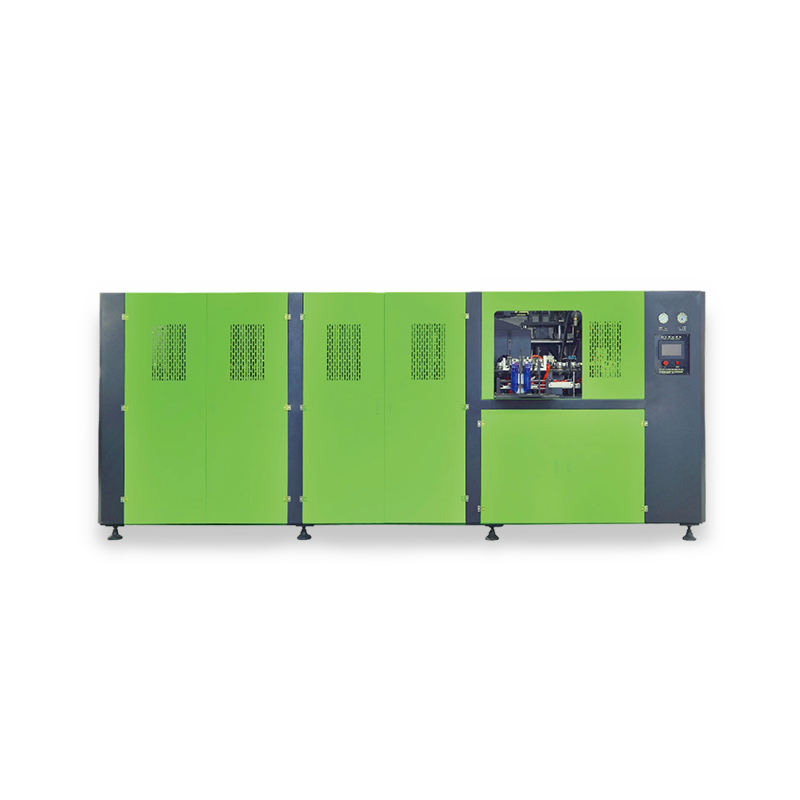
This PET bottle blowing machine is designed to meet the demands of modern bottle manufacturing with high automation, reliability, ...
See Details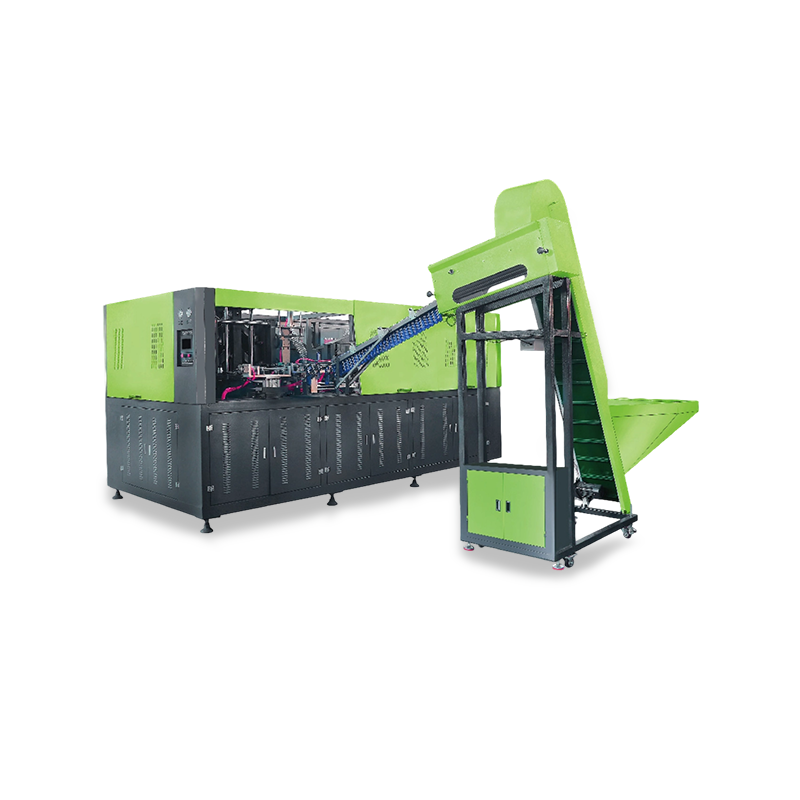
This PET-type bottle blowing machine is designed with advanced technology to meet the high-efficiency and high-precision requireme...
See Details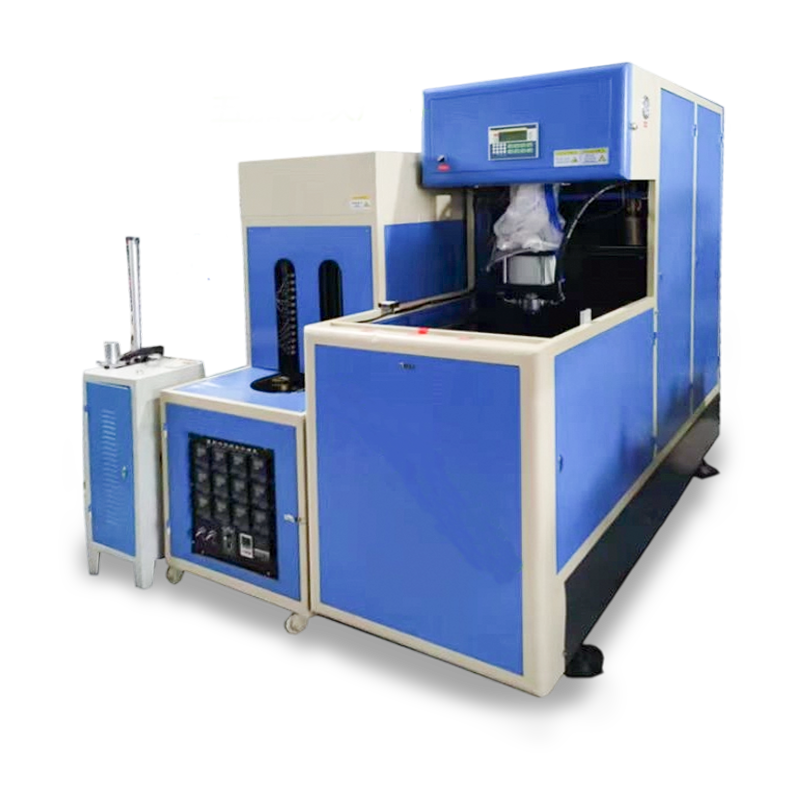
This bottle blowing equipment integrates cutting-edge automation and intelligent control technologies to meet the needs of modern ...
See Details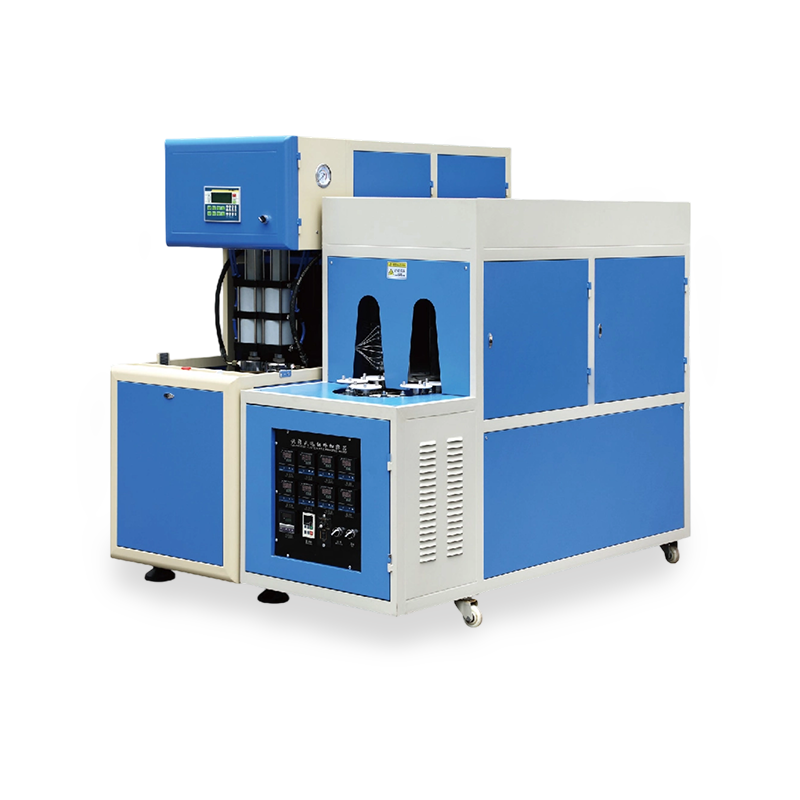
The fully automatic bottle blowing machine is a high-performance equipment designed for efficiency, precision, and ease of operati...
See Details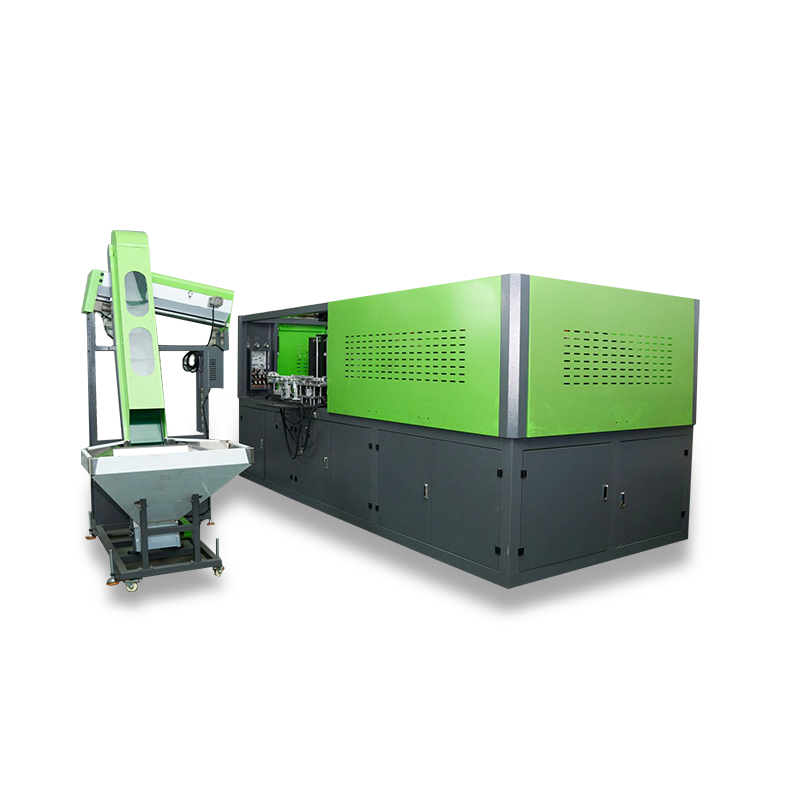
The 8-Cavity High-Efficiency Versatile Fully Automatic Bottle Blowing Machine is designed to meet the increasing demands for high-...
See Details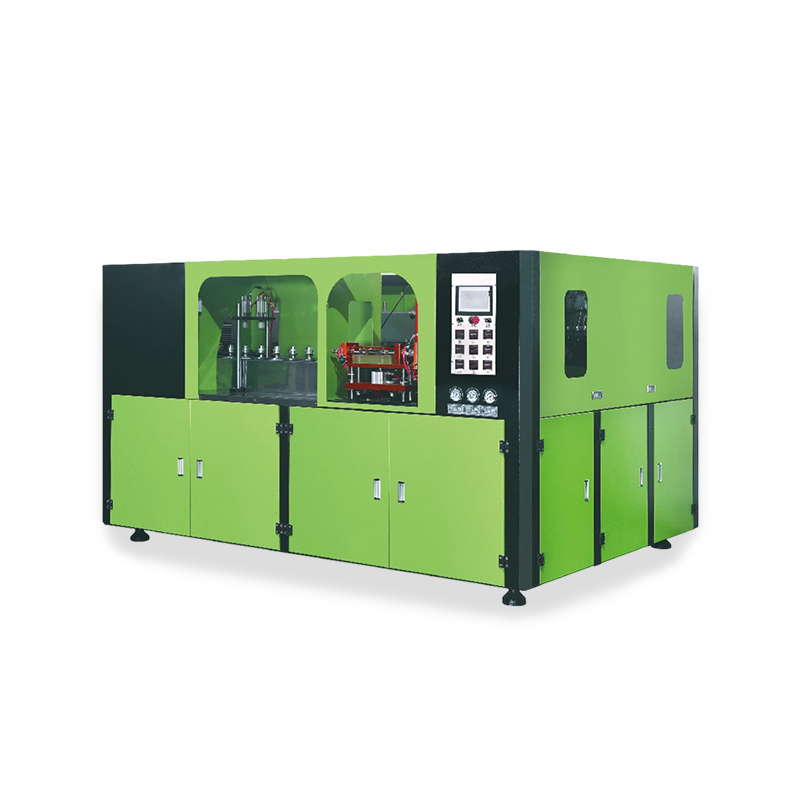
The 2-Cavity Fully Automatic Bottle Blowing Machine for Wide-Mouth Bottle Production is designed to meet the specific needs of man...
See Details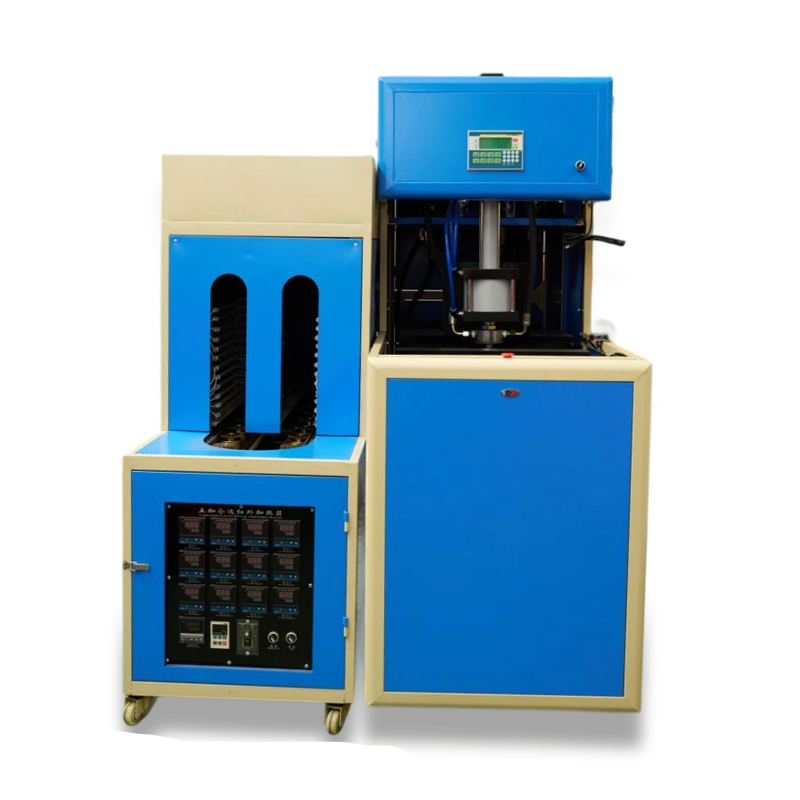
The Handle Bottle Semi Automatic Bottle Blowing Machine is designed to meet the production needs of handle-type plastic bottles in...
See Details


Contact Us