

 English
 Gigh Speed Fully Automatic Bottle Blowing Machine
The High Speed Fully Automatic Bottle Blowing Machine is designed to meet the demands of high-efficiency and high-quality bottle p...
See Details
Modern bottle manufacturing relies heavily on automation and intuitive design to maintain smooth, consistent output. Both the Wide-Mouth Bottle Blowing Machine and the Edible Oil Bottle Blowing Machine integrate control systems that simplify operation while ensuring precise bottle formation. These systems are not only about digital displays or buttons—they represent a coordinated approach to controlling heating, air pressure, timing, and safety mechanisms, all working together to reduce manual intervention and enhance production stability.
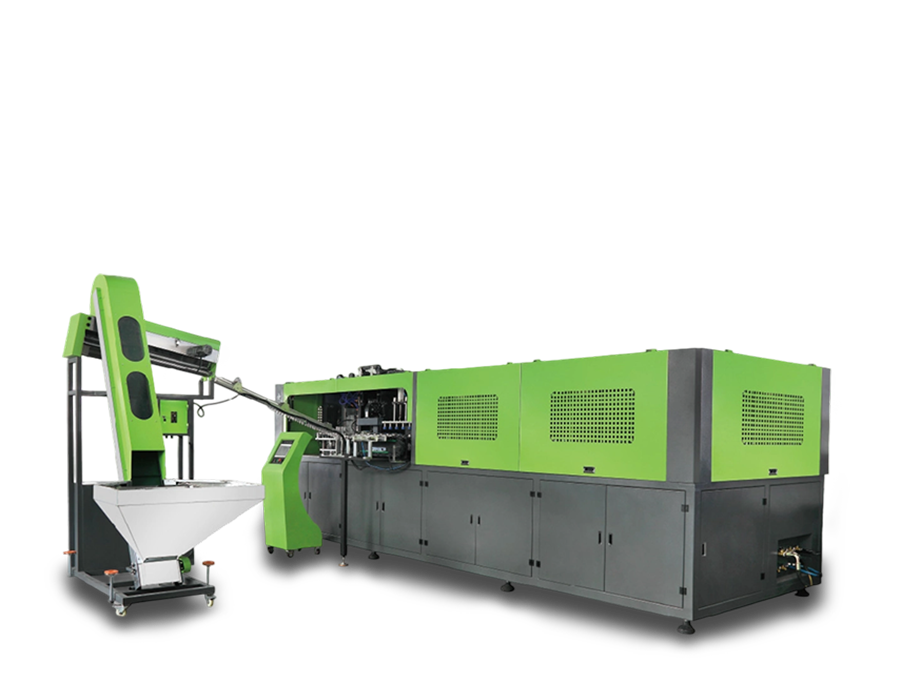
The foundation of user-friendly operation lies in the built-in microcomputer control system. This central unit manages every process step—from preform heating to stretching and blowing—with synchronized timing. Operators can monitor parameters such as air pressure, temperature, and cycle speed through a clear digital interface. Adjustments can be made directly from the control panel without stopping the entire machine, which helps maintain continuous operation.
The system also stores multiple production settings. When switching from one bottle type to another, such as changing from a wide-mouth jar to an edible oil container, the operator can select the appropriate pre-set parameters rather than reconfiguring each control manually. This feature shortens setup time and reduces human error, especially useful in facilities handling diverse product specifications.
The heating system uses high-penetration infrared lamps that evenly distribute heat across the rotating preforms. Operators can control lamp temperature and position through the main interface, allowing fine adjustments according to bottle thickness, color, or shape.
The reflectors in the heating tunnel can be adjusted both in width and height, accommodating different preform structures. This flexibility makes it easier to manage temperature consistency, which is essential for forming large or thick-walled bottles. The machine also includes an automatic temperature discharge system that prevents overheating inside the drying tunnel, keeping the process stable without requiring constant manual supervision.
For edible oil bottles, which typically use heavier and thicker preforms, maintaining a steady and uniform heat level ensures that bottle walls remain balanced and smooth. These temperature controls allow operators to achieve this without needing deep technical expertise, making daily operation more manageable.
Air control is another area where automation simplifies complex processes. The bottle blowing system divides the air circuit into several zones: pre-blowing, stretching, and final blowing. Each stage requires different air pressure levels, and the control system regulates them separately. Operators can view and adjust these pressures directly through the control interface.
By using independent air control for each step, the machine ensures that bottles form correctly without excessive pressure or deformation. This design also helps save energy, as only the necessary amount of compressed air is used during each phase. For large wide-mouth bottles and edible oil containers, this precise control contributes to stable shaping and consistent wall thickness.
In addition, automatic air-pressure monitoring helps detect abnormalities early. If a sudden pressure drop or rise occurs, the system issues an alert or adjusts settings to protect the mold and maintain product quality.
Ease of operation also depends on how safely the equipment responds to unexpected conditions. The wide-mouth and edible oil bottle blowing machines incorporate multiple safety interlocks across key moving parts. When any mechanical fault or abnormal temperature is detected, the system automatically halts the corresponding process while keeping other functions in a safe state.
This self-protection function prevents component damage and ensures operator safety without requiring manual shutdown. For example, if a preform fails to position correctly in the mold, the machine pauses the blowing cycle and displays an error message, allowing the operator to fix the issue before restarting.
The fault detection and diagnostic interface displays error codes that guide the operator to the source of the issue.These safety and diagnostic tools turn what could be complex troubleshooting tasks into manageable steps, keeping production flow steady.
While automation reduces manual work during production, maintenance is equally important to keep operations efficient. Both types of machines feature modular structures that allow easy access to heating lamps, air valves, and control panels. Operators can inspect or replace components quickly, supported by clear system indicators that identify parts needing attention.
Routine maintenance such as filter cleaning, lubrication, or sensor inspection can be carried out with minimal disassembly. The intuitive control interface also tracks operating hours and provides reminders for scheduled maintenance, helping prevent unexpected stoppages. This design approach not only shortens repair time but also reduces dependence on highly skilled technicians for basic upkeep.
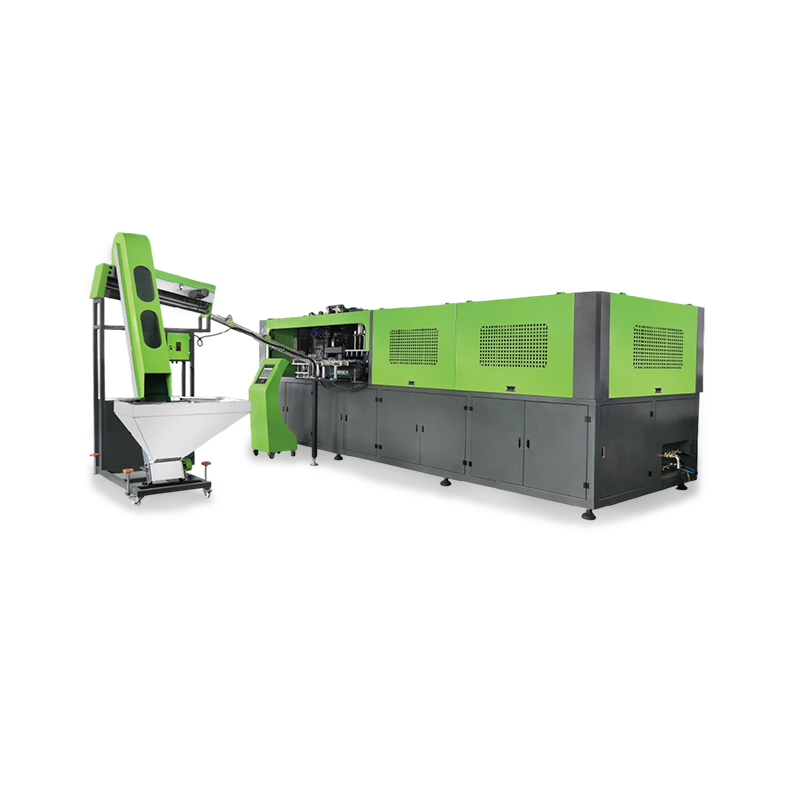
The High Speed Fully Automatic Bottle Blowing Machine is designed to meet the demands of high-efficiency and high-quality bottle p...
See Details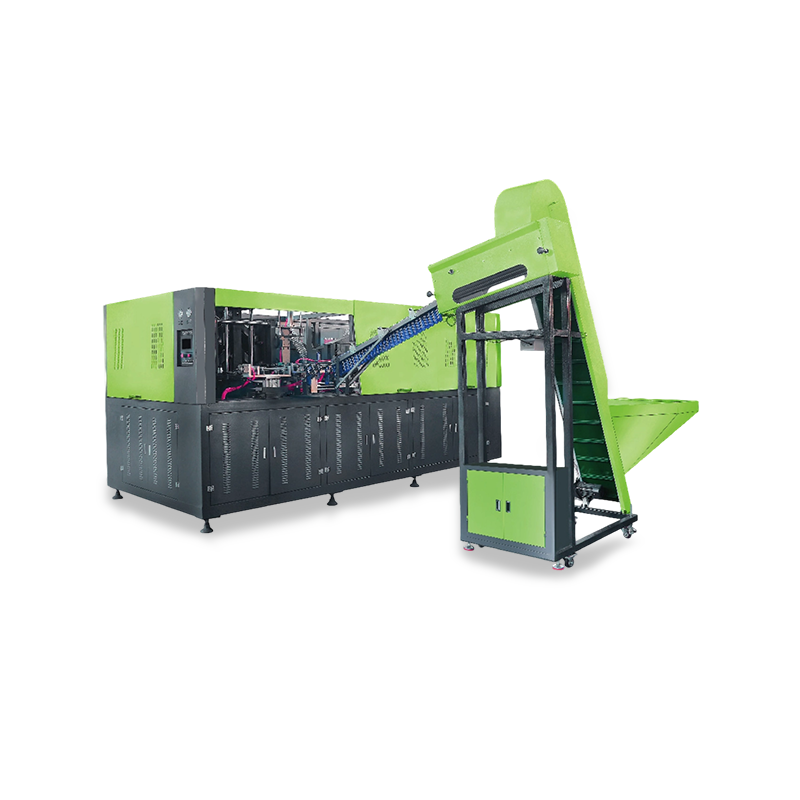
This PET-type bottle blowing machine is designed with advanced technology to meet the high-efficiency and high-precision requireme...
See Details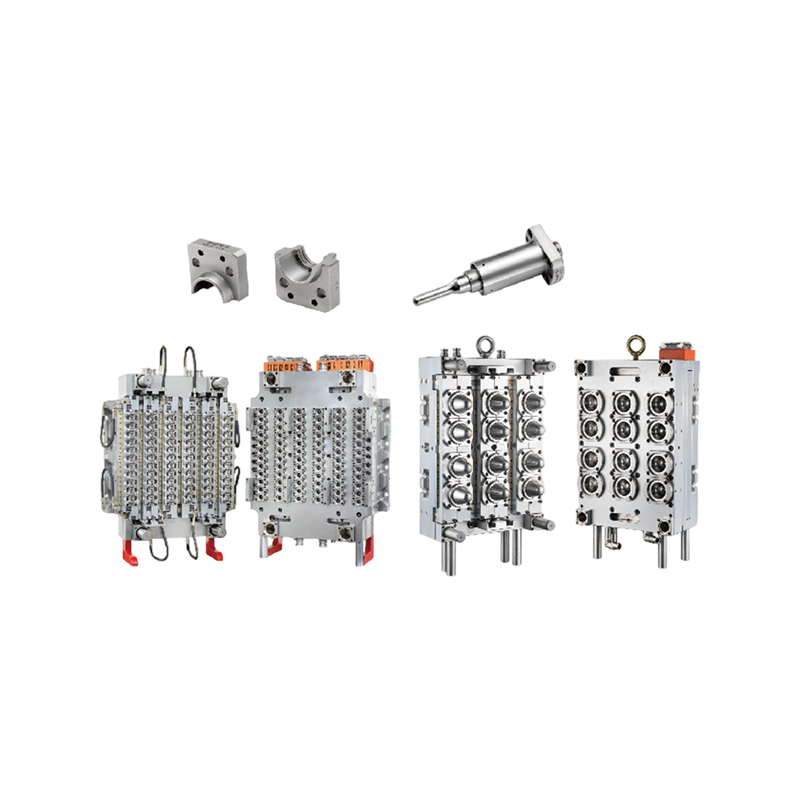
The Preform Durable High Success Rate Bottle Injection Mold is a cutting-edge product designed to provide high-quality, efficient,...
See Details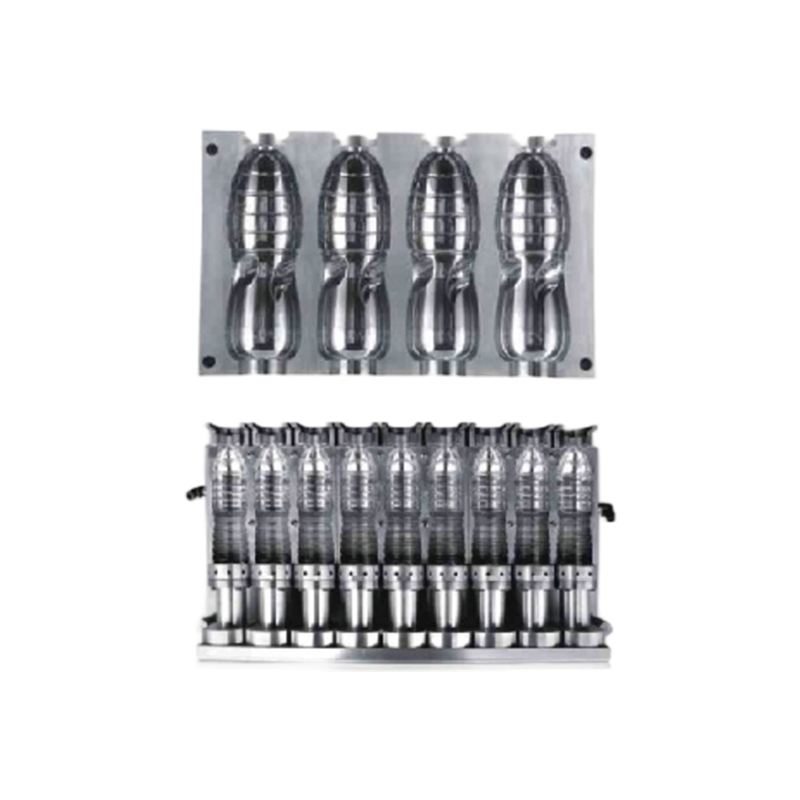
Our Blowing Molds Made On Demand Bottle Injection Mold solutions are designed with advanced 3D computer-aided design (CAD) technol...
See Details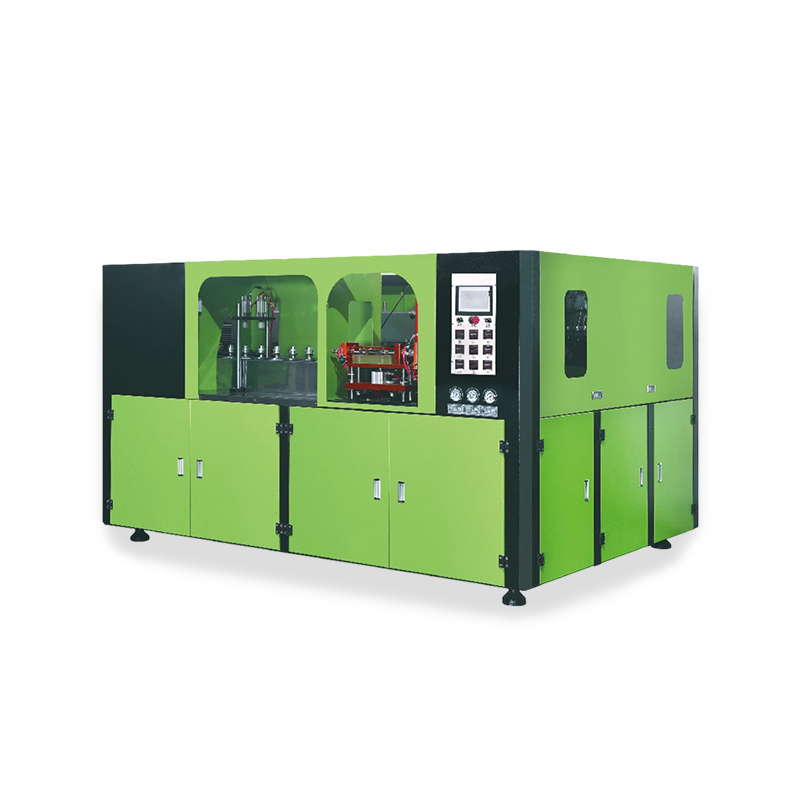
The 2-Cavity Fully Automatic Bottle Blowing Machine for Wide-Mouth Bottle Production is designed to meet the specific needs of man...
See Details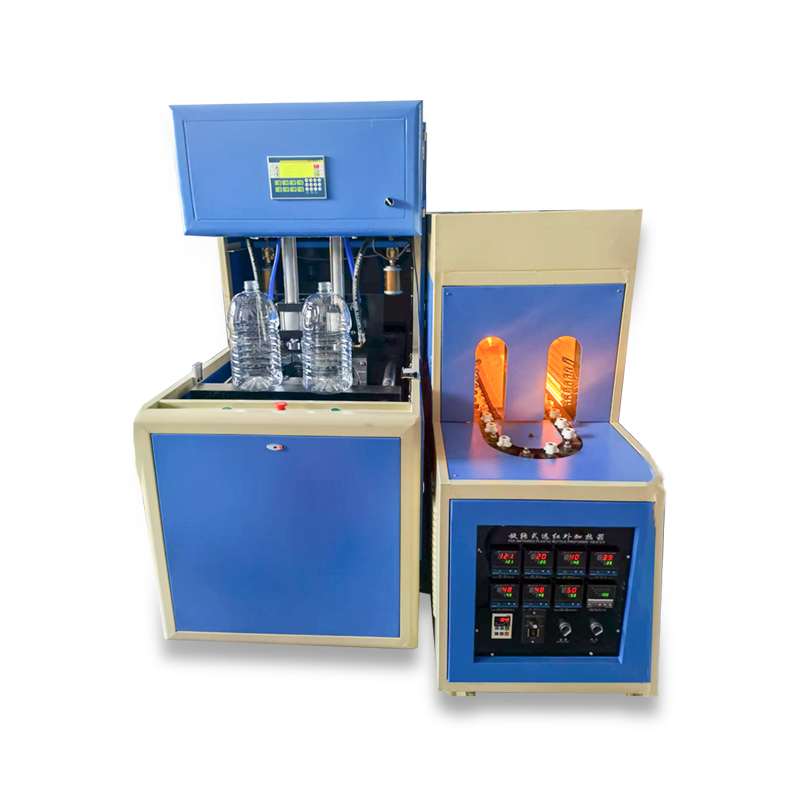
The 5L Manual Extrusion Semi-Automatic Bottle Blowing Machine is specifically designed for producing medium-capacity plastic conta...
See Details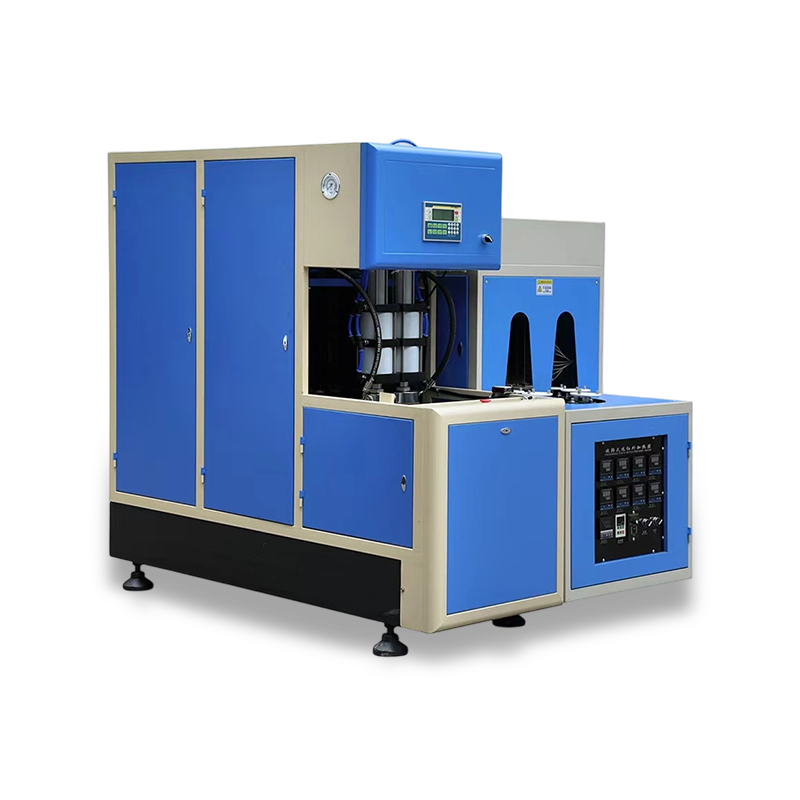
The 2-Cavity Wide-Mouth Bottle Semi-Automatic Bottle Blowing Machine is designed for medium-scale production lines that require ef...
See Details


Contact Us