

 English
 Cosmetic bottles Fully Automatic Bottle Blowing Machine
This bottle blowing machine is designed with precision engineering and modern automation technology, providing a reliable and effi...
See Details
Maintaining steady operation on a Semi Automatic Bottle Blowing Machine or a Mineral Water Bottle Blowing Machine is essential to keep production schedules on track. Unexpected interruptions can slow workflow, increase labor demands, and affect overall efficiency. Understanding practical strategies for reducing downtime helps operators manage the line more smoothly and maintain consistent bottle output.
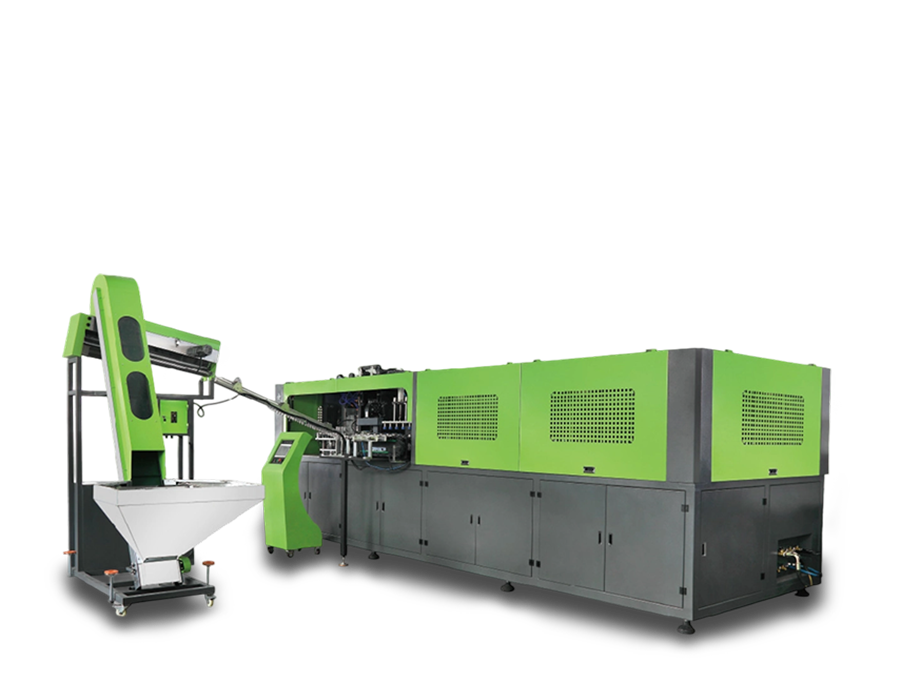
A key factor in reducing downtime is thorough preparation before each production run. Operators should inspect preforms, molds, heating elements, and air supply systems to ensure they are clean and properly aligned. For mineral water bottle production, even minor debris on molds or irregular preform placement can cause defects that require the line to stop for corrections.
Checking all connections and verifying that control settings match the required bottle specifications ensures that the machine can run without frequent adjustments. This preparation step reduces the chance of interruptions caused by avoidable errors during operation.
Even while the line is active, simple maintenance routines can help limit downtime. Periodically checking heating zones, mold alignment, and moving components allows operators to spot wear or inconsistencies early. Semi Automatic Bottle Blowing Machines are designed for accessible components, so these checks can be done without extensive disruption.
For mineral water bottles, consistent attention to these areas prevents gradual drift in bottle formation, which can otherwise cause longer stops for rework or adjustments. Documenting findings from routine checks also helps operators identify patterns and anticipate potential issues.
A well-organized production area reduces the time lost when machines need to be refilled or adjusted. Keeping preforms, caps, and other essential items within easy reach prevents interruptions caused by operators moving back and forth. Using labeled storage areas or color-coded bins can help quickly identify the correct materials, maintaining steady operation on semi-automatic machines.
Efficient workflow management also involves planning the sequence of bottle types or sizes. For mineral water production, arranging runs that require similar mold setups reudeces the number of adjustments needed between batches, limiting downtime related to reconfiguration.
Continuous observation during operation allows staff to react to small issues before they become larger problems. Operators can watch for irregular bottle shapes, inconsistent wall thickness, or variations in sealing. For semi-automatic machines, these early signs often indicate minor adjustments are needed, such as slight temperature changes or repositioning of molds.
Responding promptly helps maintain a steady production rhythm. Recording observations can support smoother operation in future runs and provide reference points for handling similar situations.
Staff knowledge plays an important role in reducing machine downtime. Training operators on standard procedures, troubleshooting steps, and safe handling ensures that minor disruptions can be addressed quickly. Pairing less experienced staff with trained operators can help identify and resolve small issues before they interrupt production.
Effective communication during shifts ensures that adjustments, material changes, or equipment observations are shared promptly. For mineral water bottle production, coordinated teamwork helps maintain steady operation across multiple machines or lines, reducing the impact of any single issue.
Even with careful preparation, semi-automatic machines occasionally require minor adjustments during operation. Developing a plan for handling small changes—such as temperature tuning, air pressure adjustments, or mold alignment—can help operators act quickly without halting the entire line.
Keeping tools and reference guides nearby allows operators to perform corrections efficiently and maintain consistent bottle quality throughout the shift.
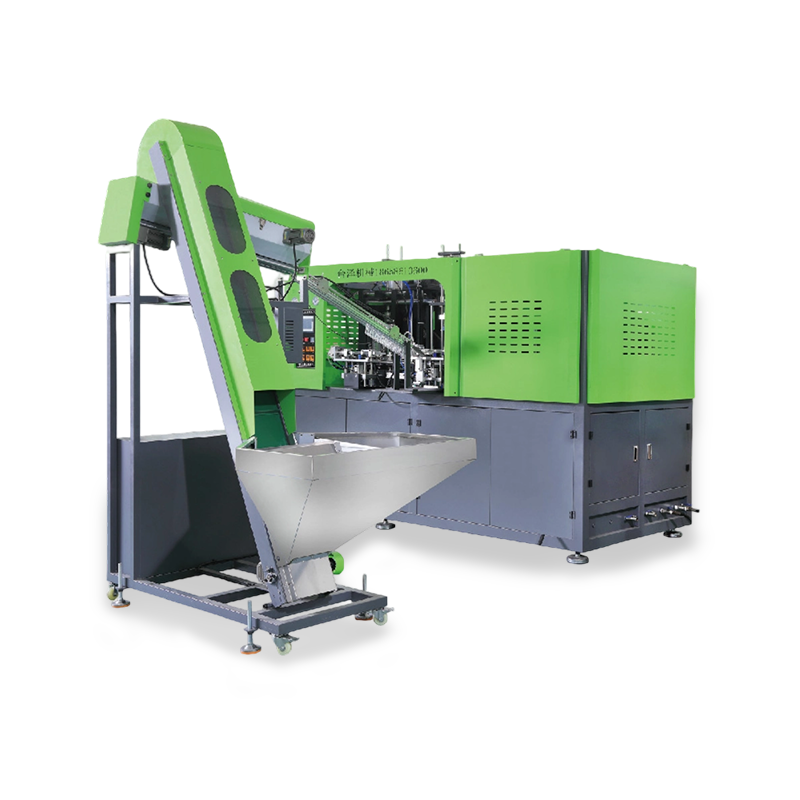
This bottle blowing machine is designed with precision engineering and modern automation technology, providing a reliable and effi...
See Details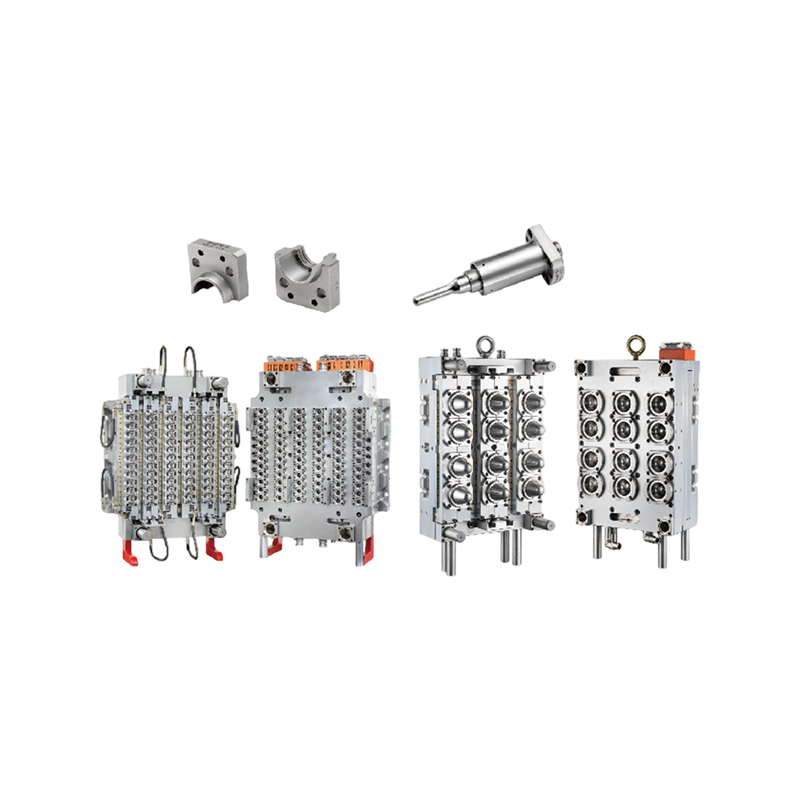
The Preform Durable High Success Rate Bottle Injection Mold is a cutting-edge product designed to provide high-quality, efficient,...
See Details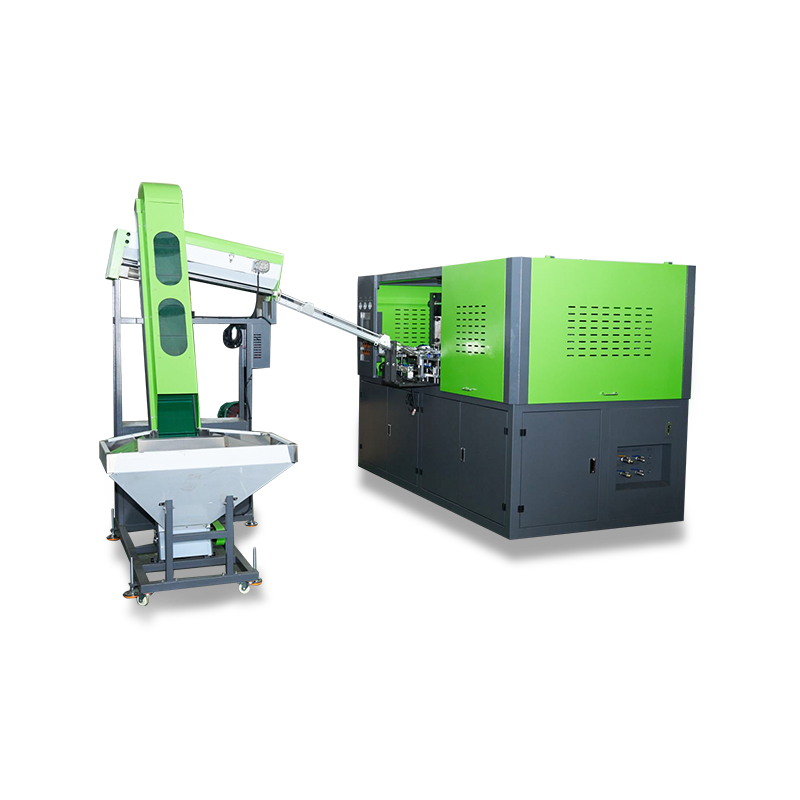
The 2-Cavity PET Preform Manufacturing Fully Automatic Bottle Blowing Machine is an efficient and intelligent solution for produci...
See Details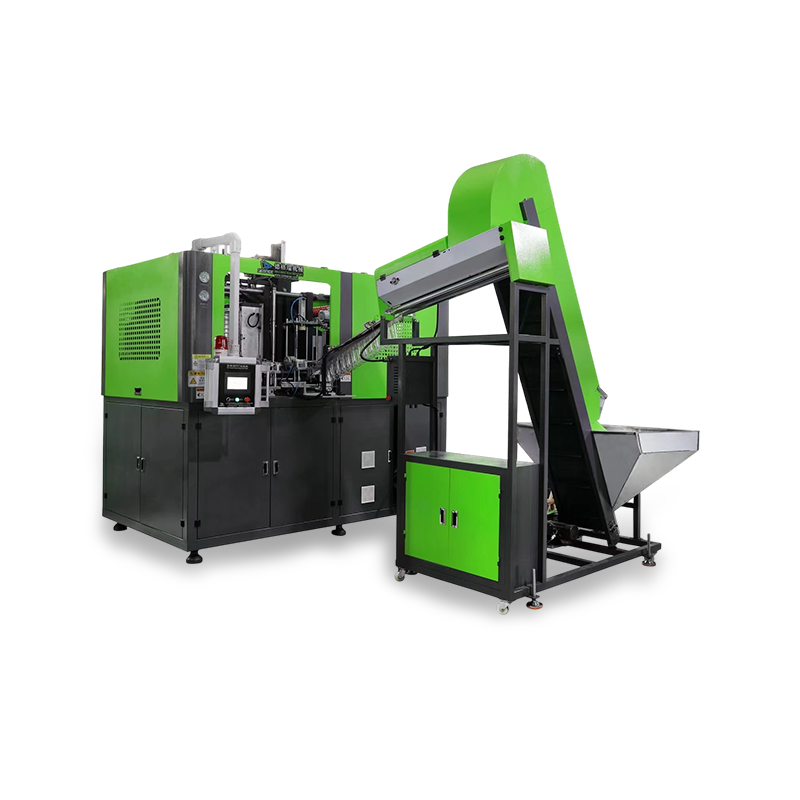
The 1 Cavity Produce 10L/15L/20L Bottles Fully Automatic Bottle Blowing Machine is a reliable and efficient solution for producing...
See Details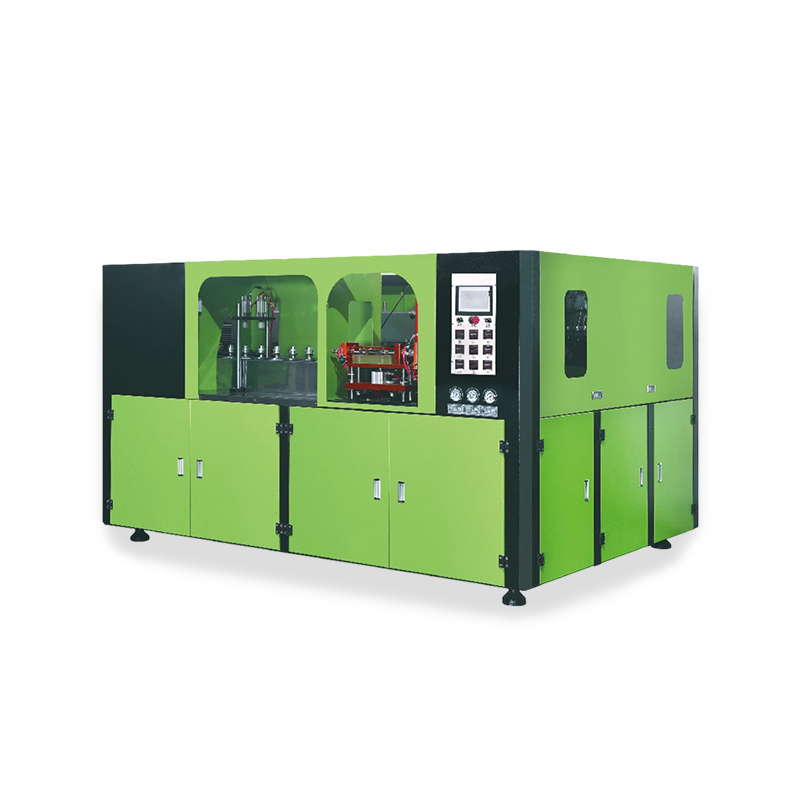
The 1-Chamber Large Capacity Tank Fully Automatic Bottle Blowing Machine is engineered to meet the needs of industrial-scale produ...
See Details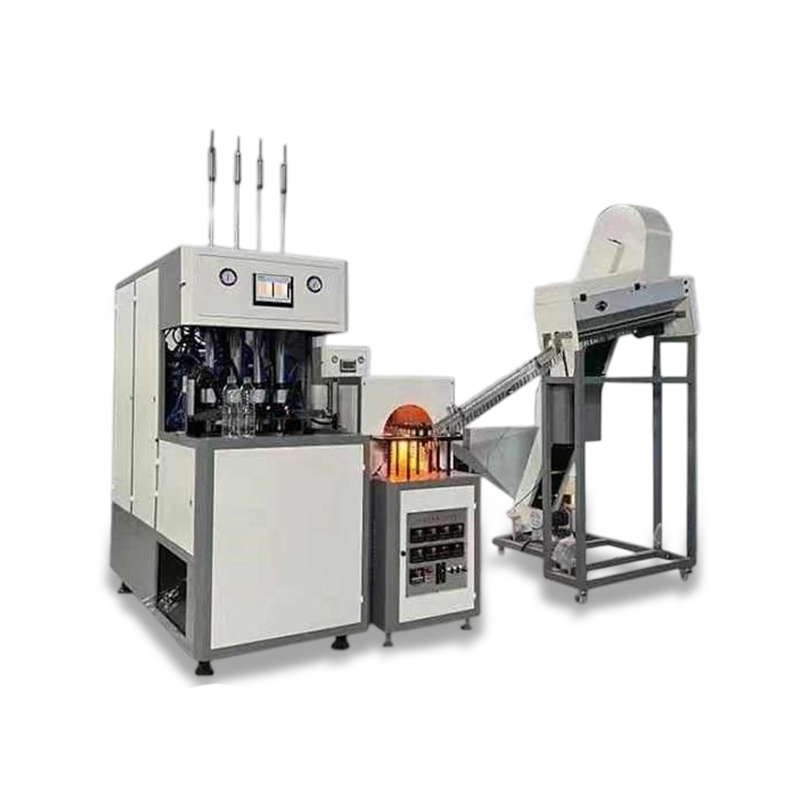
The Semi-Automatic Bottle Blowing Machine With Automatic Loader is designed to support medium-scale bottle production environments...
See Details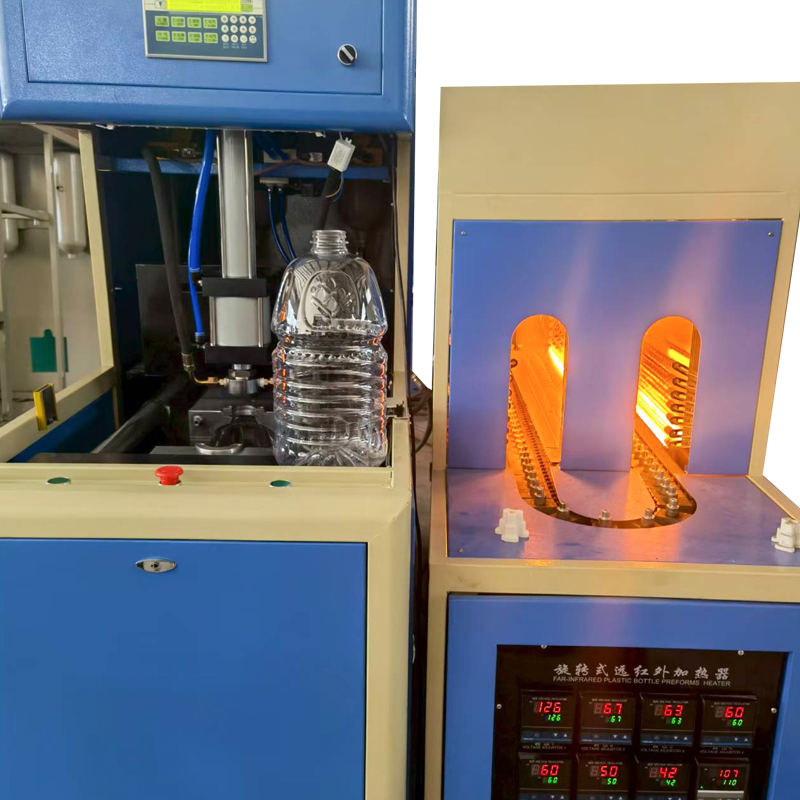
The 5L Single Cavity Semi Automatic Bottle Blowing Machine is specifically designed for the production of plastic PET bottles with...
See Details


Contact Us