

 English
 Gigh Speed Fully Automatic Bottle Blowing Machine
The High Speed Fully Automatic Bottle Blowing Machine is designed to meet the demands of high-efficiency and high-quality bottle p...
See Details
Packaging demand often shifts faster than production lines can adapt. A 6 Cavity Fully Automatic Bottle Blowing Machine designed for bottles from 100ML to 2L responds to this challenge by combining output continuity with flexible bottle manufacturing. For producers managing different packaging volumes, the 6 Cavity Fully Automatic Bottle Blowing Machine For Bottles From 100ML To 2L supports practical production needs across beverage, household chemical, cosmetic, and daily-use packaging applications. Rather than focusing only on speed, one important property worth exploring is production adaptability—how a machine handles volume variation, product changes, and stable output in everyday manufacturing conditions.
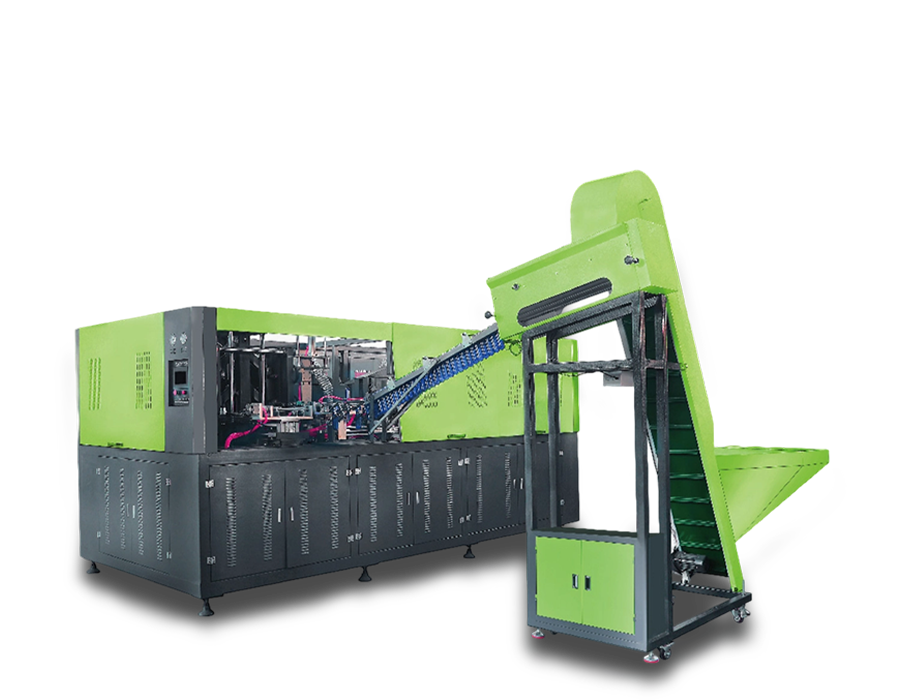
In bottle production, cavity configuration influences more than quantity per cycle. A six-cavity layout affects rhythm, balance, and how production reacts under sustained workloads. For manufacturers supplying supermarkets, bottled water distributors, shampoo brands, or cleaning product packers, stable repeated cycles can matter as much as hourly output.
With six cavities working in coordination, several bottles are formed in one blowing cycle, which can help reduce waiting time between processes such as filling, labeling, and secondary packaging. This becomes practical when a production line handles large orders of 500ML water bottles in the morning, then switches to 1.5L edible oil bottles later in the day.
In daily life, consumers often interact with bottles made through this kind of process without noticing it. Drinking water on office desks, hand soap beside kitchen sinks, and travel-size lotion bottles all rely on packaging consistency. Uniform wall thickness and controlled neck finishes affect sealing performance, stacking, transport safety, and shelf presentation.
A six-cavity system can support these demands by keeping forming conditions more consistent through repeated cycles, especially when paired with automatic heating and stable mold movement.
One practical question buyers often raise is whether a single machine can support different packaging plans without requiring separate equipment for every bottle volume.
For production ranging from 100ML containers to 2L bottles, flexibility often depends on mold changes, heating adjustment, and control responsiveness. A machine in this range can support products such as:
Small pharmaceutical or cosmetic bottles, around 100ML to 250ML
500ML and 600ML beverage packaging
1L edible oil or cleaning liquid containers
1.5L to 2L bottles for household or beverage use
This range can be useful for manufacturers responding to seasonal packaging shifts. During summer, beverage demand may favor lightweight water bottles. During promotional periods, brands may release travel-size packaging or family-size containers. Equipment capable of handling these transitions can reduce dependence on multiple blowing units.
The touchscreen control system also plays a practical role here. Instead of extensive manual resetting, operators can adjust temperature zones, blowing pressure, and timing based on preform and bottle requirements. That supports shorter changeover preparation and smoother product transitions.
For businesses moving from smaller output levels into broader supply contracts, cavity number often becomes part of expansion planning.
Single-cavity machines may suit development stages or specialty packaging, while multi-cavity systems often become relevant when demand volume grows.
A six-cavity setup can help balance output growth without moving directly into much larger industrial configurations that may require different infrastructure planning.
This can be practical for regional beverage producers, private label packagers, or contract manufacturers serving multiple brands.
There is also an operational advantage in workflow coordination. Higher bottle output from the blowing stage can better align with filling machines, reducing bottlenecks where one process outpaces another.
For factories studying productivity rather than simply adding more machines, this type of balance often matters as much as raw output numbers.
Equipment selection often depends less on specifications alone and more on whether the machine fits actual production conditions.
Questions often include:
For manufacturers handling mixed packaging demands rather than one fixed bottle type, those questions tend to shape equipment decisions.
A 6-cavity automatic blowing system is often considered where versatility and steady output need to work together, especially for packaging operations that expect product variation rather than single-format production.
Whether producing drinking water, personal care packaging, or household containers, that flexibility often becomes visible in everyday operation rather than in specifications alone.
Q1: What bottle materials can a 6 cavity bottle blowing machine typically process?
Many machines in this category are designed for PET preforms, commonly used for beverage bottles, personal care packaging, and household product containers.
Q2: Is a 6-cavity machine suitable for small production businesses?
It can be suitable when businesses anticipate scaling output or managing multiple bottle sizes, though production goals should guide equipment selection.
Q3: How long does it take to change molds for different bottle designs?
Changeover time varies by machine design and mold structure, but automated parameter settings can help shorten adjustment time after mold replacement.
Q4: Can one machine produce both 100ML and 2L bottles?
Yes, with compatible molds, proper preforms, and process parameter adjustments, one machine can support that range.
Q5: Why do manufacturers choose multi-cavity machines instead of adding several single-cavity units?
Multi-cavity systems may help centralize operation, coordinate output with downstream packaging equipment, and simplify workflow planning.
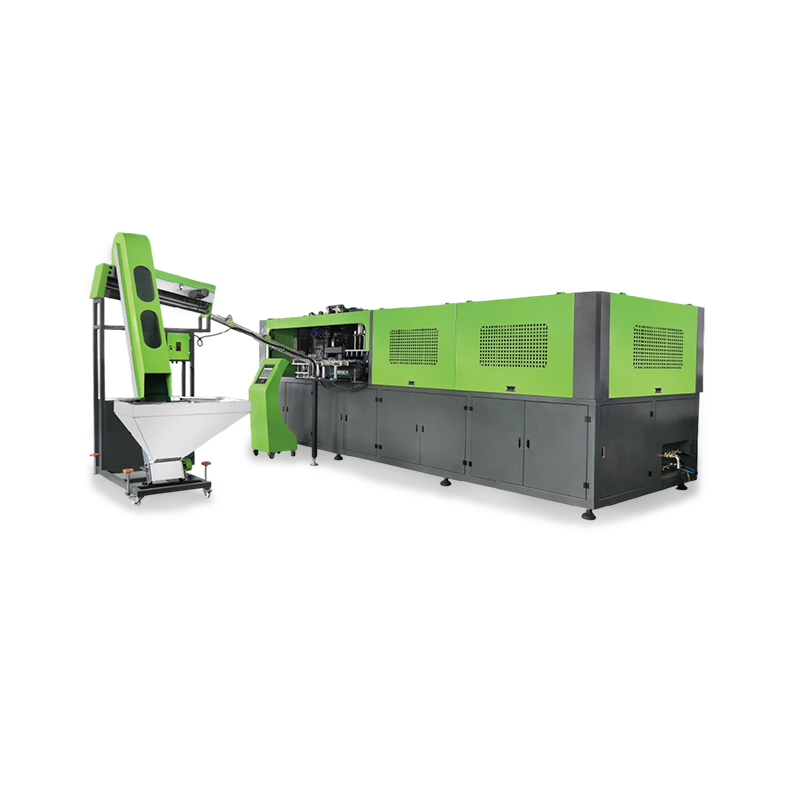
The High Speed Fully Automatic Bottle Blowing Machine is designed to meet the demands of high-efficiency and high-quality bottle p...
See Details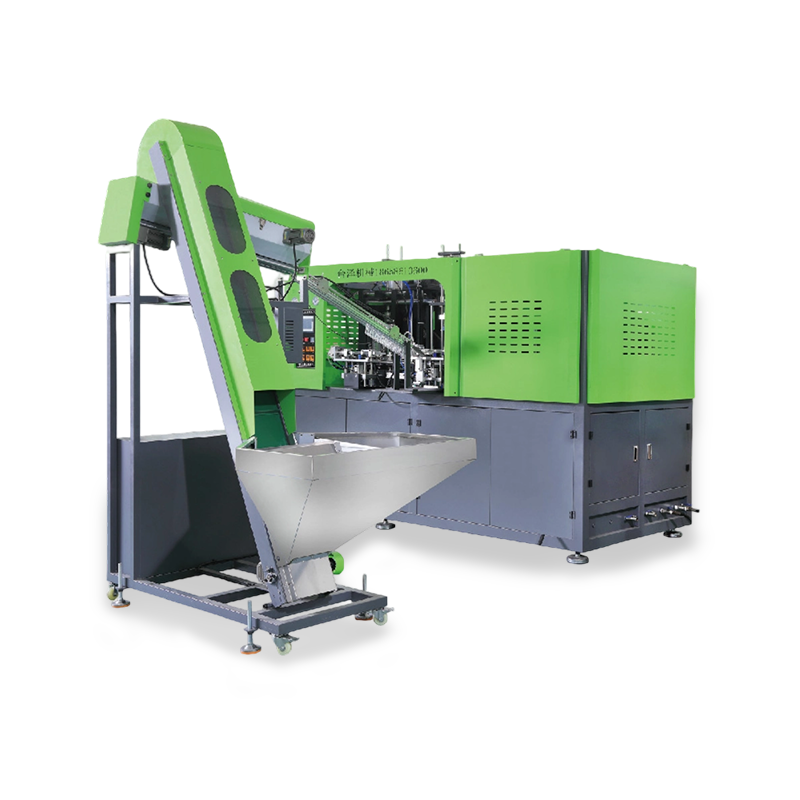
This bottle blowing machine is designed with precision engineering and modern automation technology, providing a reliable and effi...
See Details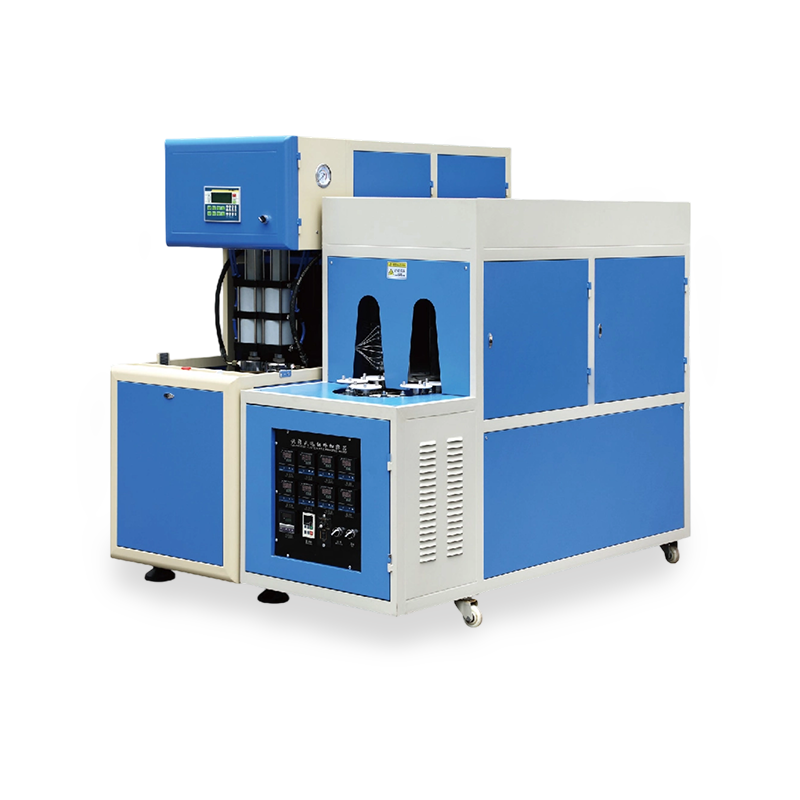
The fully automatic bottle blowing machine is a high-performance equipment designed for efficiency, precision, and ease of operati...
See Details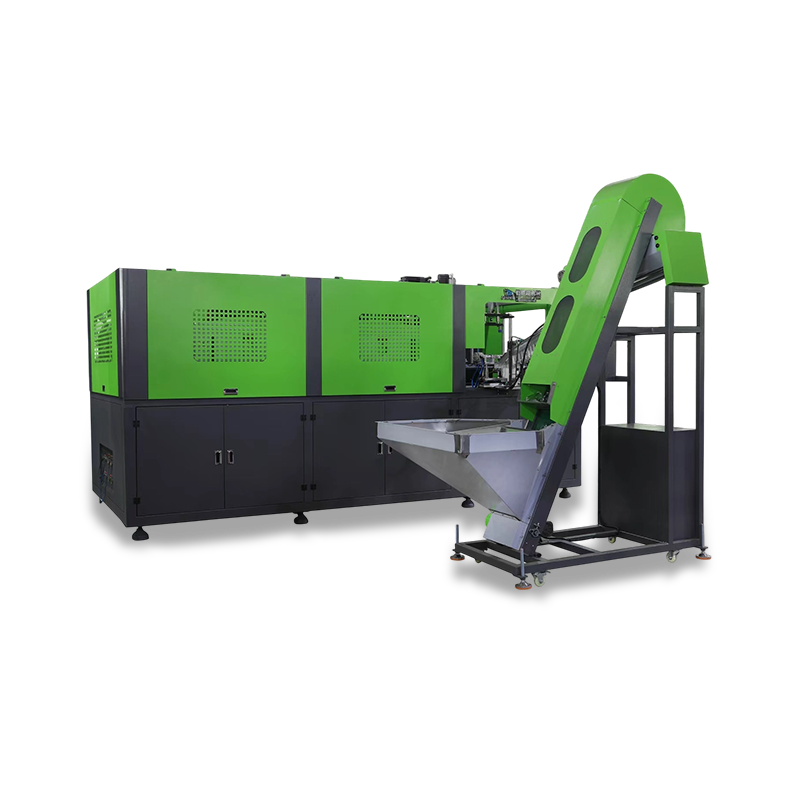
The 6-Cavity Fully Automatic Bottle Blowing Machine For Bottles From 100ML To 2L is designed to provide efficient and reliable pro...
See Details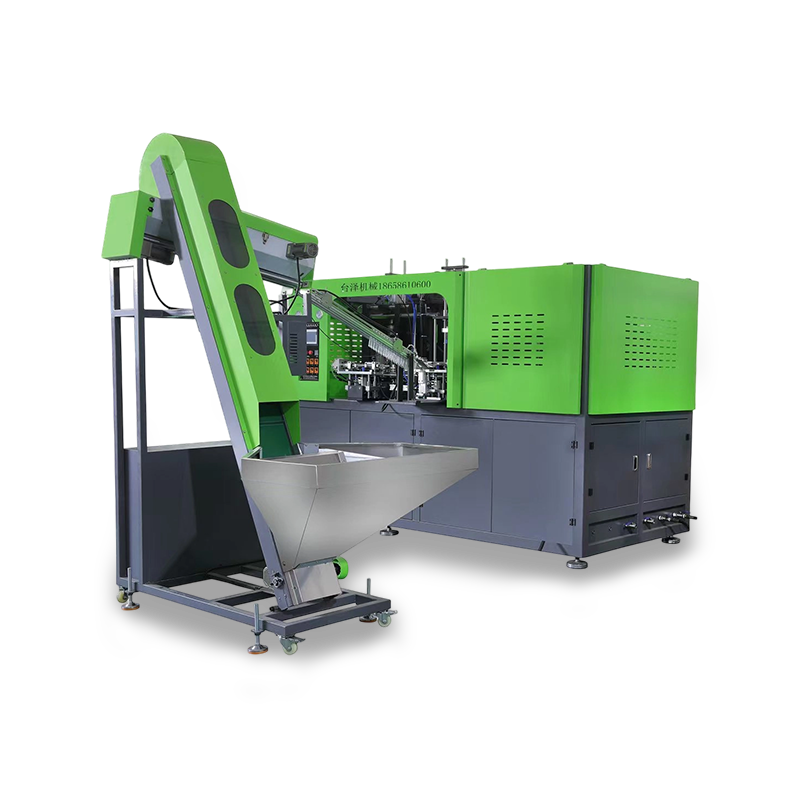
The 4-Cavity High Speed Multifunctional Fully Automatic Bottle Blowing Machine is a reliable solution designed for efficient PET b...
See Details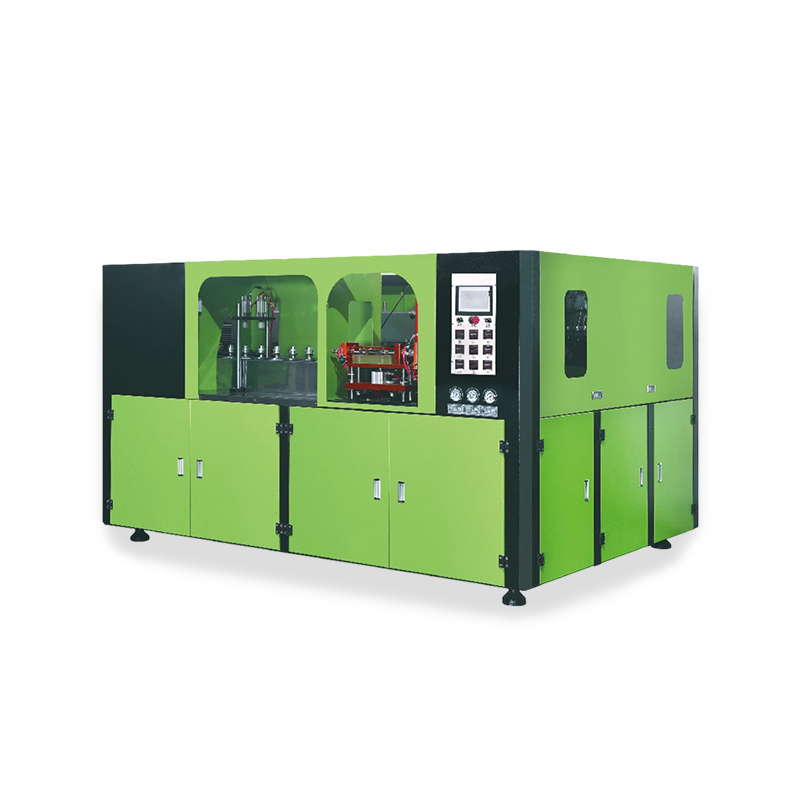
The 1-Chamber Large Capacity Tank Fully Automatic Bottle Blowing Machine is engineered to meet the needs of industrial-scale produ...
See Details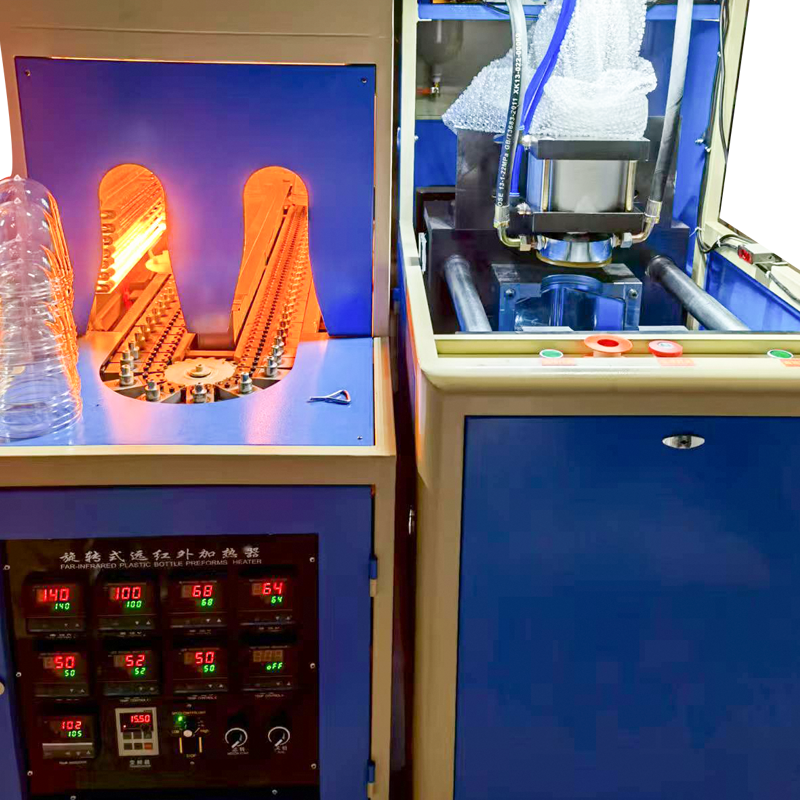
The Single Cavity Wide Mouth Bottle Semi-Automatic Bottle Blowing Machine is a specialized solution designed for manufacturing wid...
See Details


Contact Us