

 English
 Five Gallons Semi Automatic Bottle Blowing Machine
This bottle blowing equipment integrates cutting-edge automation and intelligent control technologies to meet the needs of modern ...
See Details
Semi-automatic bottle blowing machines and Edible Oil Bottle Blowing Machine are commonly used in PET container production lines where flexible output and stable forming are required. In many small to medium-scale packaging setups, these machines help support different bottle types while maintaining controllable production cycles.
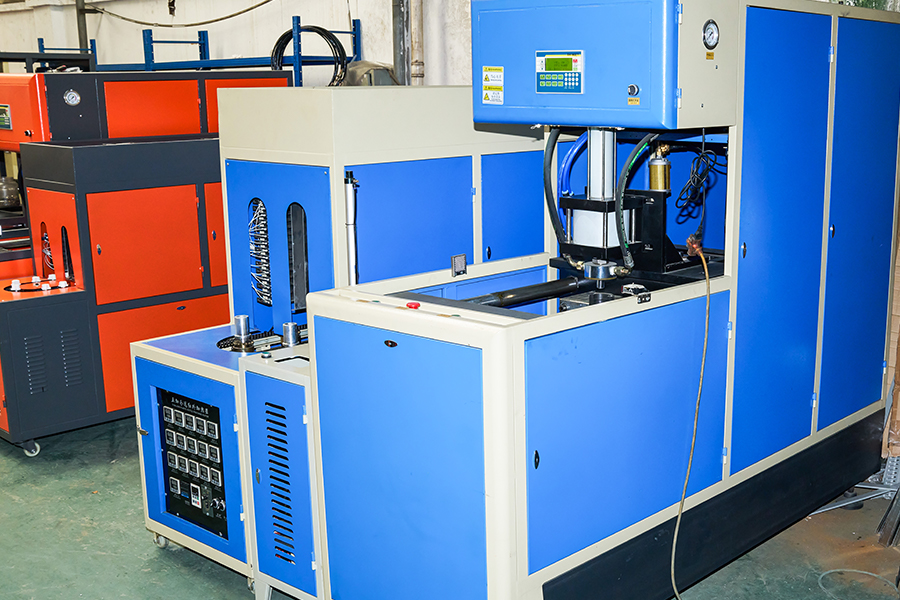
Across PET packaging operations, manufacturers often deal with fluctuating order volumes and multiple bottle specifications. Fully automatic systems can be suitable for continuous large-scale production, but they may not fit scenarios where product types change frequently or where production batches are relatively small. Semi-automatic systems are often selected in these situations because they allow operators to adjust preform handling, heating cycles, and blowing parameters with more direct control.
For edible oil packaging in particular, container consistency and wall thickness distribution are important because bottles need to withstand transportation, storage, and filling pressure. An Edible Oil Bottle Blowing Machine is usually configured to form thicker and more stable bottle structures compared with general beverage bottles. At the same time, production environments may require flexibility in switching between different bottle capacities, such as 500ml, 1L, or 5L containers.
Semi-automatic blowing equipment generally separates heating and blowing processes, allowing operators to manage preform heating and mold blowing in stages. This structure provides room for adjustment when working with different PET materials or bottle shapes.
Typical functional characteristics include:
The Edible Oil Bottle Blowing Machine often integrates reinforced mold cavities and controlled air pressure systems to support thicker bottle walls. This helps ensure that bottles maintain shape stability after filling with viscous liquids such as cooking oil.
|
Item |
Typical Range / Feature |
|
Bottle volume range |
100ml – 5L |
|
Material compatibility |
PET, sometimes PETG |
|
Heating zones |
Multi-zone adjustable infrared heating |
|
Output structure |
Semi-automatic cycle operation |
|
Mold type |
Interchangeable cavity system |
|
Application focus |
Oil, water, daily chemical containers |
This type of configuration supports flexible switching between product specifications without requiring a full production line reset.
Semi-automatic bottle blowing systems are widely used in production environments where customization and batch variation are common. Beverage bottling plants with diversified SKUs often use these machines for trial production or smaller orders before scaling to full automation.
For edible oil packaging, manufacturers use Edible Oil Bottle Blowing Machine setups to produce containers with different neck finishes and handle designs. These bottles are often used in retail packaging, food service supply chains, and export packaging formats.
Other application areas include:
The flexibility of semi-automatic operation allows operators to respond to order changes without extensive downtime for reconfiguration.
In typical workshop conditions, semi-automatic PET bottle blowing systems can operate with moderate output rates depending on operator experience and mold complexity. For example, a single workstation setup may produce several hundred bottles per hour under stable conditions.
Below is a simplified operational reference based on common production behavior:
|
Factor |
Observation |
|
Operator dependency |
Medium, affects cycle consistency |
|
Heating stability |
Influenced by ambient temperature and preform quality |
|
Output variation |
Adjusted through cycle timing |
|
Maintenance frequency |
Moderate, mainly heating and sealing components |
|
Mold change time |
Relatively short compared with full automation lines |
In edible oil bottle production, cycle adjustments are often made to ensure uniform wall thickness. Slight changes in air pressure or heating time can influence bottle rigidity, which is important for storage stability during transportation.
Semi-automatic blowing systems continue to serve a practical role in packaging operations where adaptability is needed. While large-scale automation is common in mass production environments, many factories still rely on semi-automatic systems for product development, seasonal orders, and customized packaging requirements.
For edible oil packaging, the ability to adjust bottle design without long production interruptions supports flexible response to market demand changes. This is particularly useful for suppliers handling different retail brands or export packaging formats.
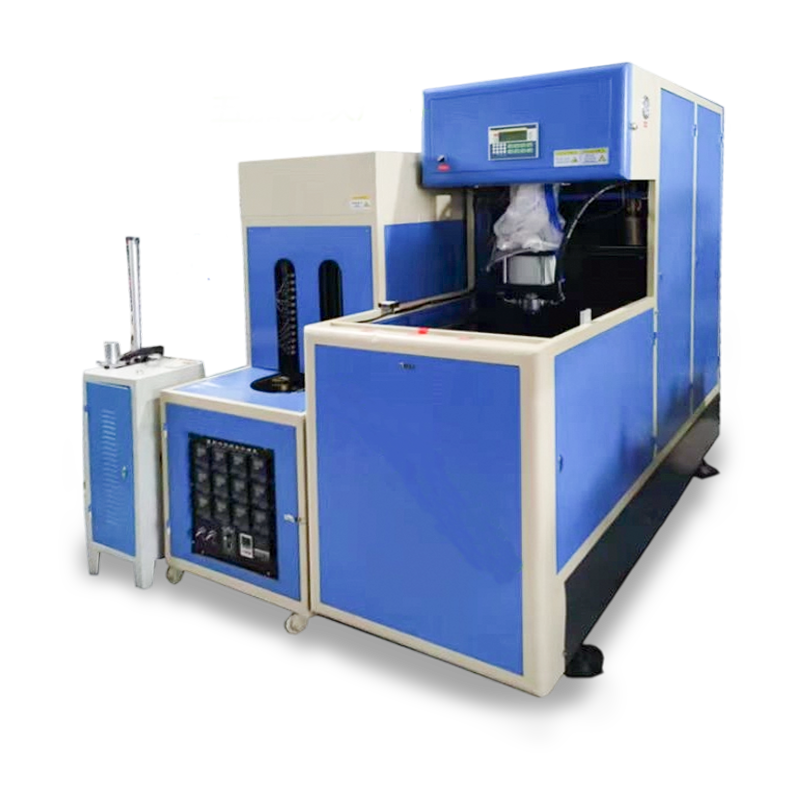
This bottle blowing equipment integrates cutting-edge automation and intelligent control technologies to meet the needs of modern ...
See Details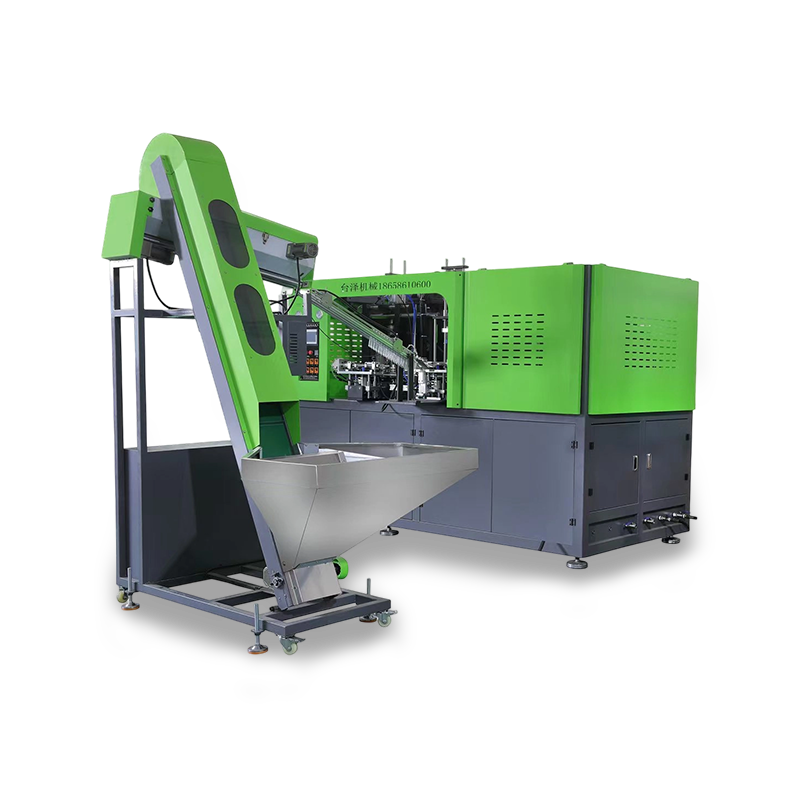
The 4-Cavity High Speed Multifunctional Fully Automatic Bottle Blowing Machine is a reliable solution designed for efficient PET b...
See Details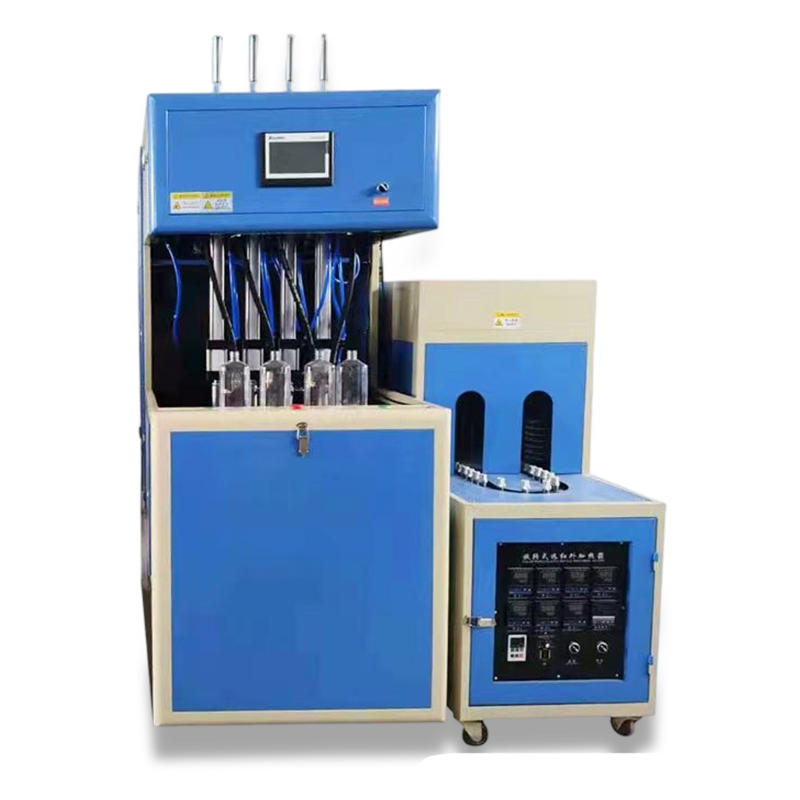
The Stable and Fast Automatic Bottle Blowing Machine is designed to meet the growing demand for streamlined bottle production with...
See Details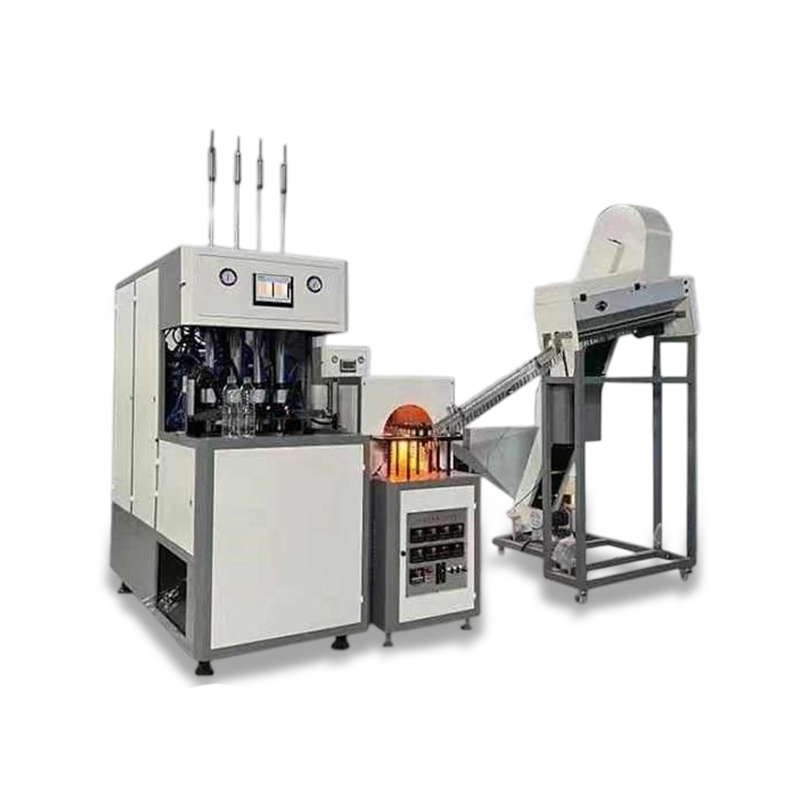
The Semi-Automatic Bottle Blowing Machine With Automatic Loader is designed to support medium-scale bottle production environments...
See Details
The 1L 4 Cavity Manual Vial Semi Automatic Bottle Blowing Machine is designed to offer practical and efficient bottle production f...
See Details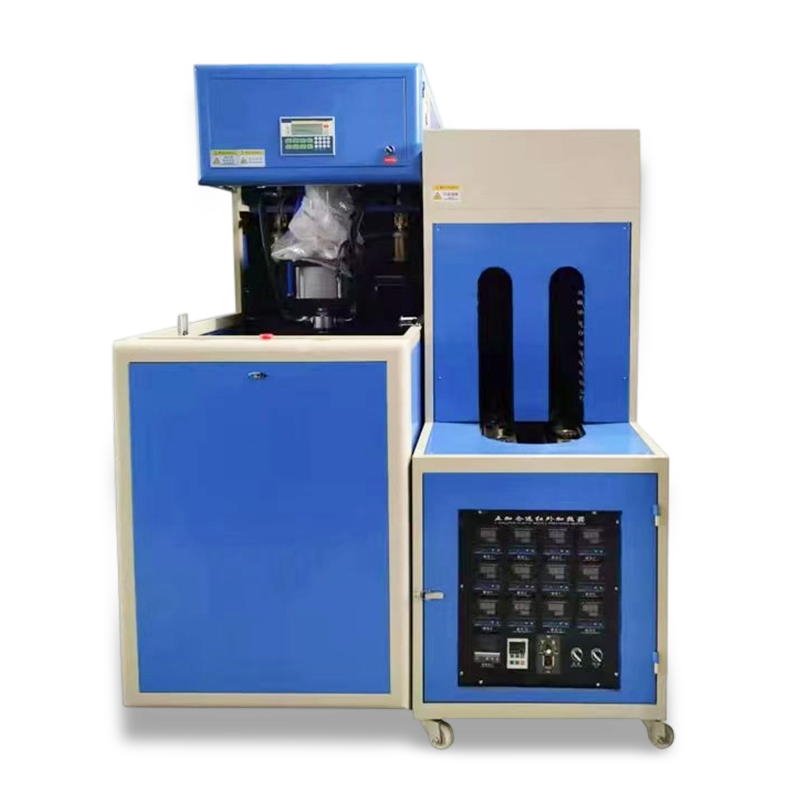
The 20L 3-5 Gallon Semi Automatic Bottle Blowing Machine for 5L-22L Bottles is specifically engineered for producing large-capacit...
See Details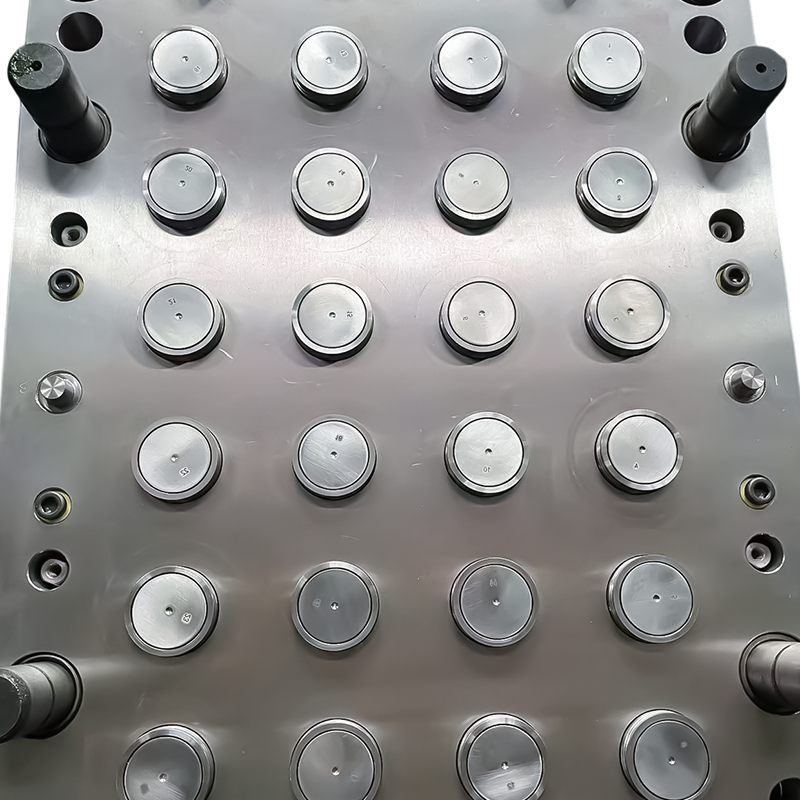
The Multiple Specifications High Precision Bottle Cap Mold is designed for manufacturers who require consistency, accuracy, and ve...
See Details


Contact Us