

 English
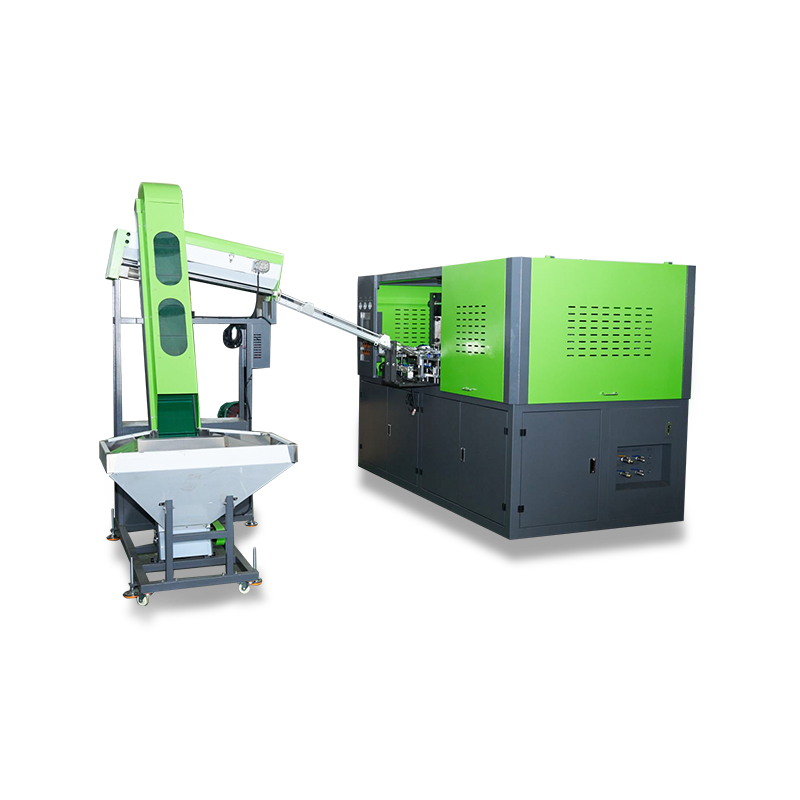
 Durable Fully Automatic Bottle Blowing Machine
This PET-type bottle blowing machine is designed with advanced technology to meet the high-efficiency and high-precision requireme...
See Details
Shifts in packaging design are becoming more noticeable as manufacturers respond to material efficiency goals and transportation considerations. The High-Speed Bottle Blowing Machine and the Fully Automatic Bottle Blowing Machine are increasingly used to support these changes, especially in the production of lightweight bottles. By adjusting processing parameters and improving forming consistency, these machines help manufacturers transition toward thinner, lighter containers without disrupting production flow.
Reducing the weight of plastic bottles has become a practical approach for managing material usage and logistics costs. Lighter bottles require less raw material, which can influence overall production expenses and shipping efficiency. At the same time, maintaining structural strength is essential, particularly for beverages, household liquids, and industrial packaging.
However, lightweighting introduces several technical challenges. Thinner walls can cause uneven material distribution, reduced rigidity, and increased sensitivity to temperature and pressure variations during production. Traditional equipment may struggle to maintain uniformity under these conditions, making process control more critical.
When reducing bottle weight, design plays a key role in maintaining functionality. Features such as ribbing, paneling, and base geometry are often adjusted to compensate for thinner walls. These design elements help distribute stress more evenly and improve the bottle’s ability to withstand handling and filling processes.
A Fully Automatic Bottle Blowing Machine works in coordination with mold design to ensure that these structural features are formed accurately. Precise mold alignment and stable clamping systems are essential to avoid deformation during high-speed operation.
In addition, cooling systems must be properly managed to stabilize the bottle shape after forming. Rapid and controlled cooling helps prevent warping, especially in bottles with reduced material thickness.
Certain equipment characteristics make it easier to handle lightweight bottle requirements. The following features are commonly considered when selecting a machine for this purpose:
Multiple heating zones allow targeted adjustment for different sections of the preform.
Controlled stretching ensures even material distribution along the bottle walls.
Adjusts blowing pressure based on bottle design and thickness requirements.
Maintains alignment during high-speed cycles to reduce deformation.
Enables quick switching between different bottle specifications.
These features contribute to a more controlled forming process, which is especially important when working with reduced material volumes.
The table below illustrates typical parameter considerations when producing lightweight bottles. Values may vary depending on material type and bottle design:
|
Parameter |
Typical Range / Consideration |
|
Preform Temperature |
Adjusted by zone (e.g., 90–110°C) |
|
Stretching Ratio |
Based on bottle geometry |
|
Blowing Pressure |
Moderate to high, depending on design |
|
Cycle Time |
Short cycles for high-speed production |
|
Cooling Time |
Carefully balanced to prevent warping |
These parameters are usually configured through the machine’s control system, allowing operators to refine settings based on production feedback.
A High-Speed Bottle Blowing Machine is often used in conjunction with filling and packaging lines that operate continuously. When producing lightweight bottles, synchronization between equipment becomes even more important, as thinner bottles may respond differently during transfer and filling.
Conveyor systems should be adjusted to handle lighter containers without causing tipping or deformation. Airflow, bottle spacing, and transfer speeds all need to be considered. Automated systems can help coordinate these elements, ensuring smoother transitions between production stages.
For facilities operating multiple product lines, the ability to switch between standard and lightweight bottle production without extensive downtime is an important factor. Automated machines support this by allowing quick parameter adjustments and mold changes.
Lightweight bottle production places additional emphasis on quality monitoring. Small deviations in temperature or pressure can have a noticeable impact on bottle performance. As a result, regular inspection of machine components becomes essential.
Key maintenance tasks include checking heating elements for consistent output, verifying air pressure stability, and ensuring molds are free from wear or contamination. Sensors and control systems should also be calibrated periodically to maintain accurate readings.
Operators may use sampling methods to evaluate bottle thickness distribution and structural integrity. Feedback from these checks can be used to fine-tune machine settings, helping maintain stable production over time.
Some existing machines can be adjusted for lightweight production, but older systems may have limitations in temperature control and process precision.
Production speed can remain similar, but parameter adjustments may be needed to maintain quality at higher speeds.
Mold design is closely related to bottle strength and shape stability, especially when material thickness is reduced.
They can be more sensitive to pressure and handling conditions, so adjustments in filling and conveying systems may be required.
PET is widely used, but the specific grade and performance design may vary depending on application needs.
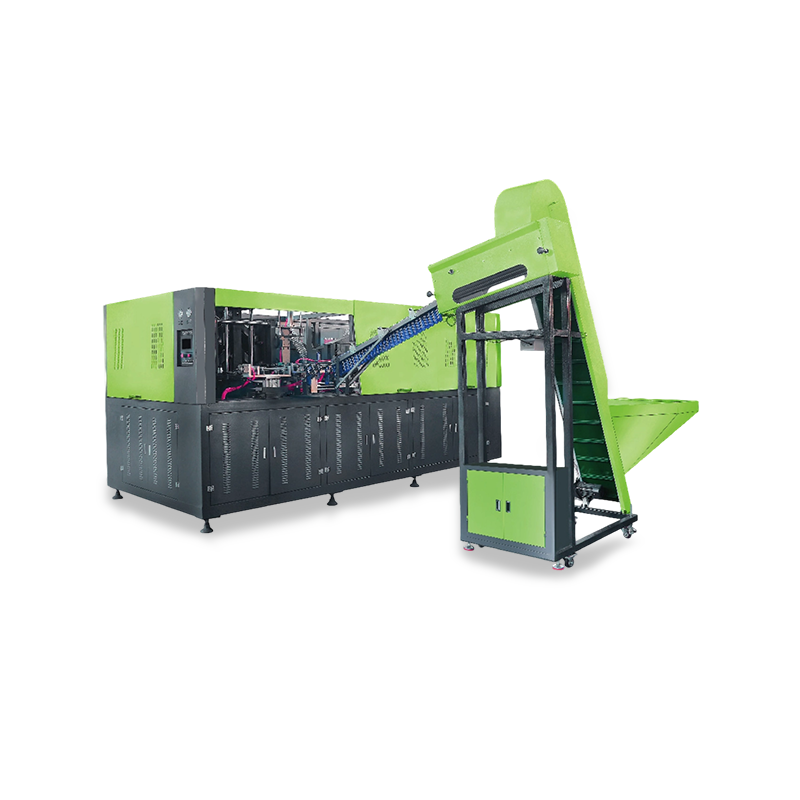
This PET-type bottle blowing machine is designed with advanced technology to meet the high-efficiency and high-precision requireme...
See Details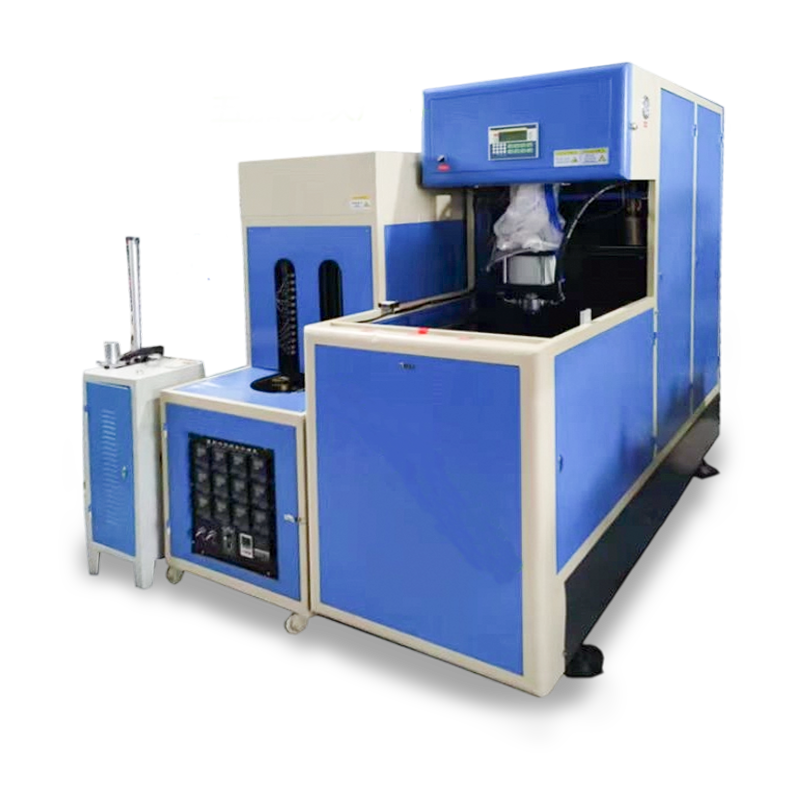
This bottle blowing equipment integrates cutting-edge automation and intelligent control technologies to meet the needs of modern ...
See Details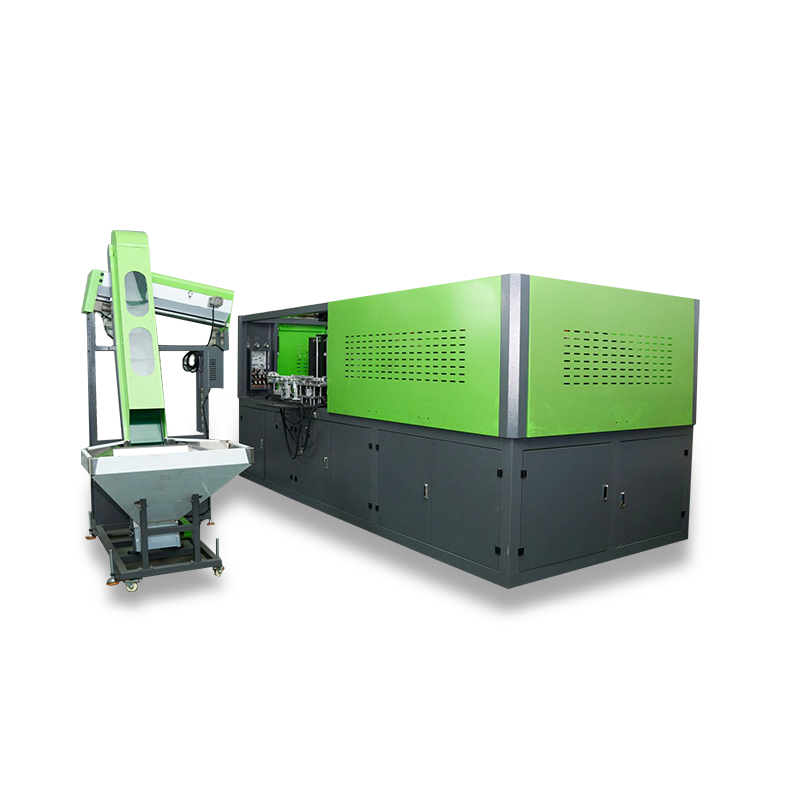
The 8-Cavity High-Efficiency Versatile Fully Automatic Bottle Blowing Machine is designed to meet the increasing demands for high-...
See Details
The 2-Cavity PET Preform Manufacturing Fully Automatic Bottle Blowing Machine is an efficient and intelligent solution for produci...
See Details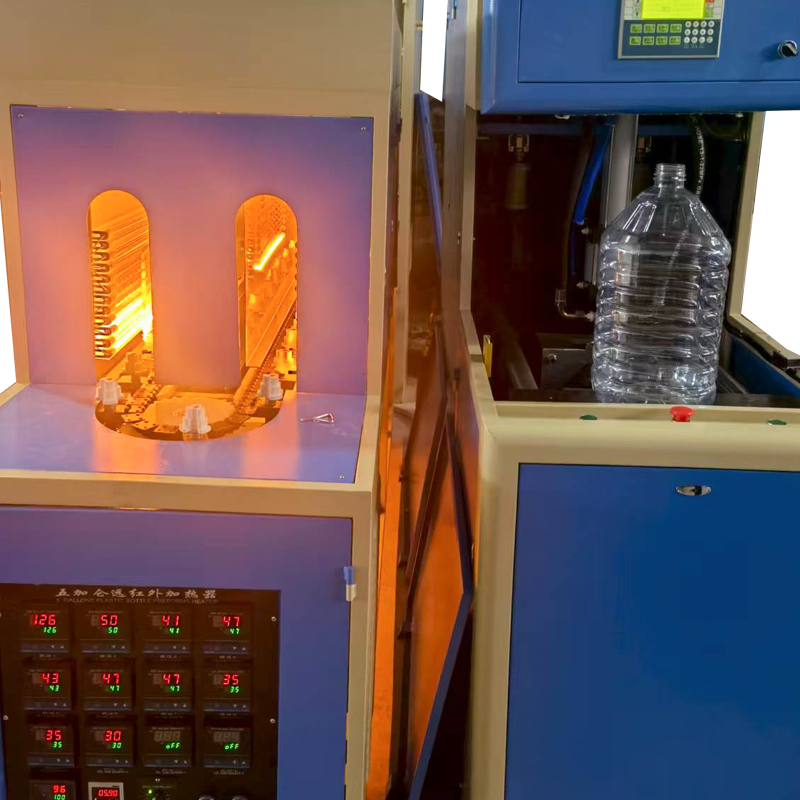
The 10L 5L To 12L Plastic PET Bottles Semi Automatic Bottle Blowing Machine is specially designed for producing medium to large vo...
See Details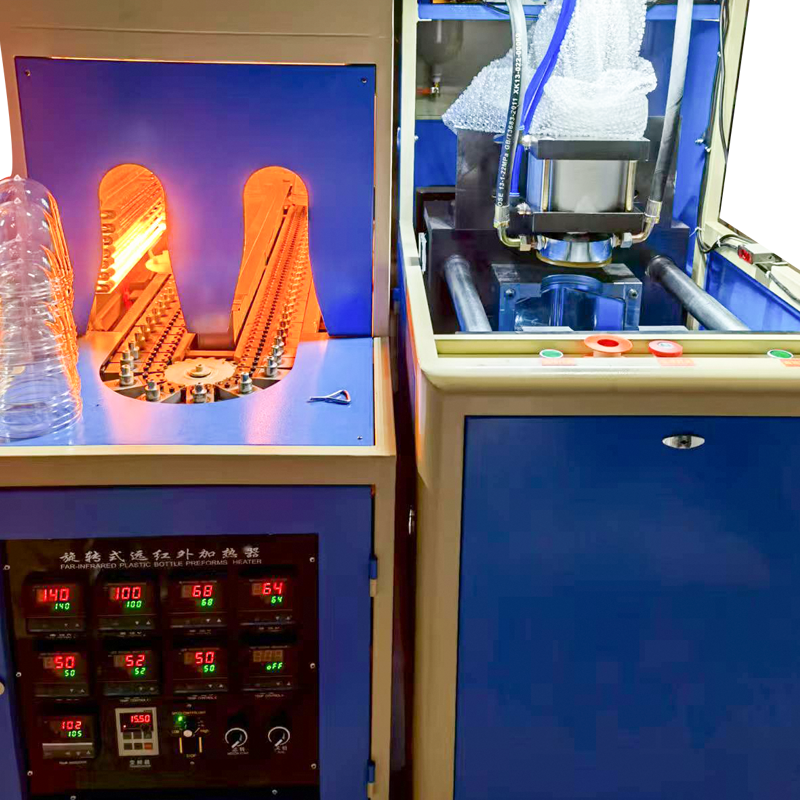
The Single Cavity Wide Mouth Bottle Semi-Automatic Bottle Blowing Machine is a specialized solution designed for manufacturing wid...
See Details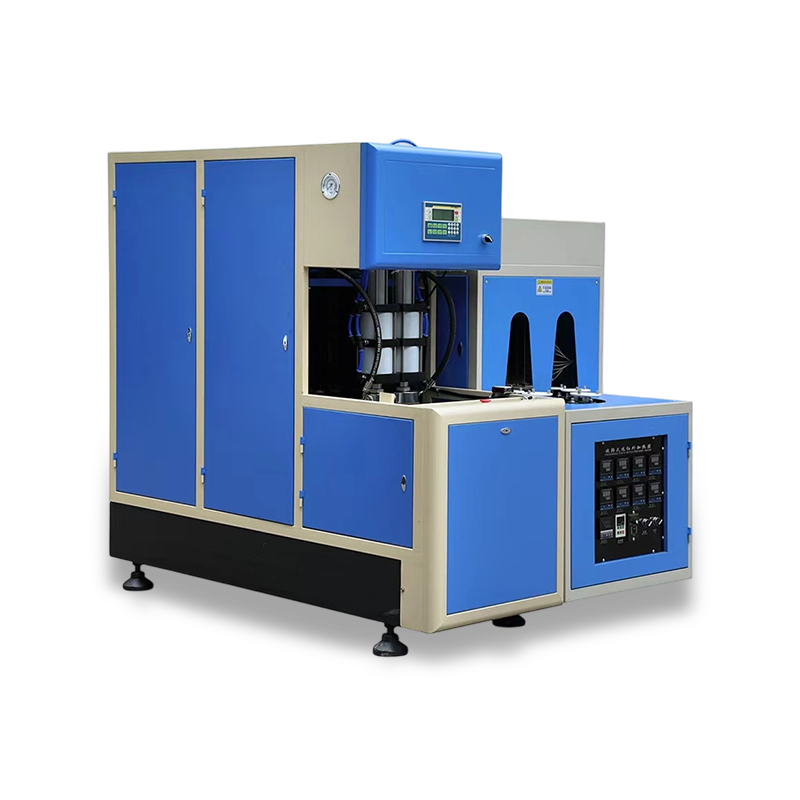
The 2-Cavity Wide-Mouth Bottle Semi-Automatic Bottle Blowing Machine is designed for medium-scale production lines that require ef...
See Details


Contact Us