

 English
 Touchscreen Fully Automatic Bottle Blowing Machine
The Servo-driven lifting system is one of the standout features of this advanced bottle blowing machine. This system ensures fast,...
See Details
Modern packaging environments are under constant pressure to maintain steady output while managing workforce constraints. In this context, both the High-Speed Bottle Blowing Machine and the Fully Automatic Bottle Blowing Machine have become important equipment choices for manufacturers seeking to streamline operations.
Bottle manufacturing traditionally involves multiple stages, including preform heating, stretching, blowing, cooling, and inspection. When these steps rely heavily on manual handling, several issues can arise. Operators may need to monitor temperature conditions, transfer materials between stations, and conduct visual inspections. This increases the likelihood of inconsistencies, especially during long production cycles.
Labor-intensive setups also require more training and coordination among workers. In facilities where production runs continuously, staffing becomes a key concern, particularly when shifts must be extended or adjusted. In addition, manual processes may slow down production when operators need to intervene frequently for adjustments or troubleshooting.
A Fully Automatic Bottle Blowing Machine addresses these challenges by integrating multiple steps into a controlled system, allowing fewer operators to manage the same production volume.
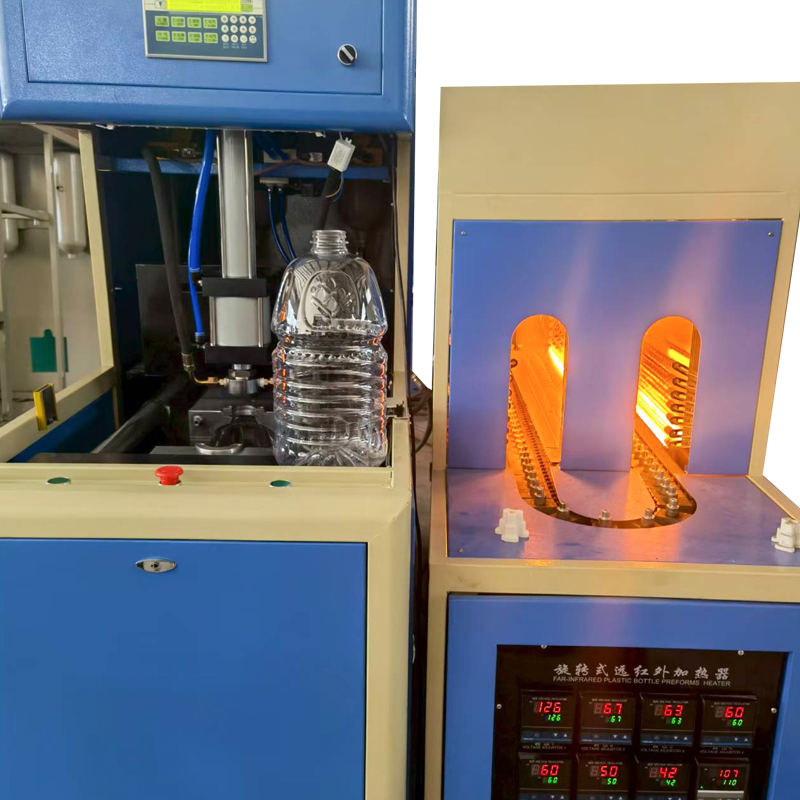
A High-Speed Bottle Blowing Machine introduces automation not only in forming bottles but also in material handling and process monitoring. Instead of relying on operators to manually transfer preforms or adjust heating parameters, automated systems handle these tasks through programmed controls.
Temperature control systems regulate heating zones to ensure uniform preform softening. Once heated, robotic arms or mechanical transfer systems move preforms into the blowing station. Air pressure and mold conditions are then applied consistently based on predefined parameters.
Because these operations are managed through a centralized control panel, a single operator can oversee multiple functions at once. This reduces the need for constant manual intervention and allows staff to focus on monitoring system performance rather than performing repetitive tasks.
To better understand the operational differences, the table below outlines a general comparison between conventional systems and automated solutions:
|
Aspect |
Manual / Semi-Automatic Setup |
Fully Automatic Setup |
|
Operator Requirement |
Multiple operators per line |
One or two operators per line |
|
Process Control |
Manual adjustments |
Programmed and consistent control |
|
Material Handling |
Manual transfer |
Automated feeding and transfer |
|
Production Continuity |
Dependent on operator availability |
Continuous with minimal interruption |
|
Error Variability |
Higher due to manual input |
Lower due to standardized processes |
This comparison shows how automation simplifies operational management while reducing dependence on manual labor.
Adopting a Fully Automatic Bottle Blowing Machine does not necessarily require a complete overhaul of existing systems. Many manufacturers integrate these machines into current production lines by aligning them with upstream and downstream equipment such as injection molding systems and filling lines.
Compatibility considerations typically include conveyor alignment, synchronization with filling speeds, and space planning within the facility. Once integrated, the automated system can operate alongside other equipment, creating a more continuous production flow.
For facilities transitioning gradually, it is common to start with one automated unit while maintaining other semi-automatic systems. This allows teams to adapt to new workflows without disrupting overall production.
While automation reduces the number of operators required on the production floor, it introduces a greater need for technical oversight. Maintenance personnel play a more significant role in ensuring that sensors, heating elements, and pneumatic systems function correctly.
Routine maintenance tasks include checking air pressure systems, cleaning molds, inspecting heating components, and updating control software where applicable. Training staff to handle these responsibilities is an important step when implementing automated equipment.
Instead of performing repetitive manual tasks, workers can focus on system diagnostics, process adjustments, and preventive maintenance, which can contribute to smoother long-term operation.
When selecting a High-Speed Bottle Blowing Machine, manufacturers often evaluate several practical factors:
No, operators are still required to monitor the system, manage settings, and handle maintenance tasks. However, the number of operators per production line is typically reduced.
Training requirements depend on the system interface and complexity. Many machines are designed with user-friendly control panels, making it easier for operators to learn basic functions.
Automated systems follow programmed parameters, which helps maintain consistent heating, pressure, and cycle timing across production runs.
Many systems include alarms and diagnostic features that notify operators of issues. Maintenance personnel can then address the problem based on system feedback.
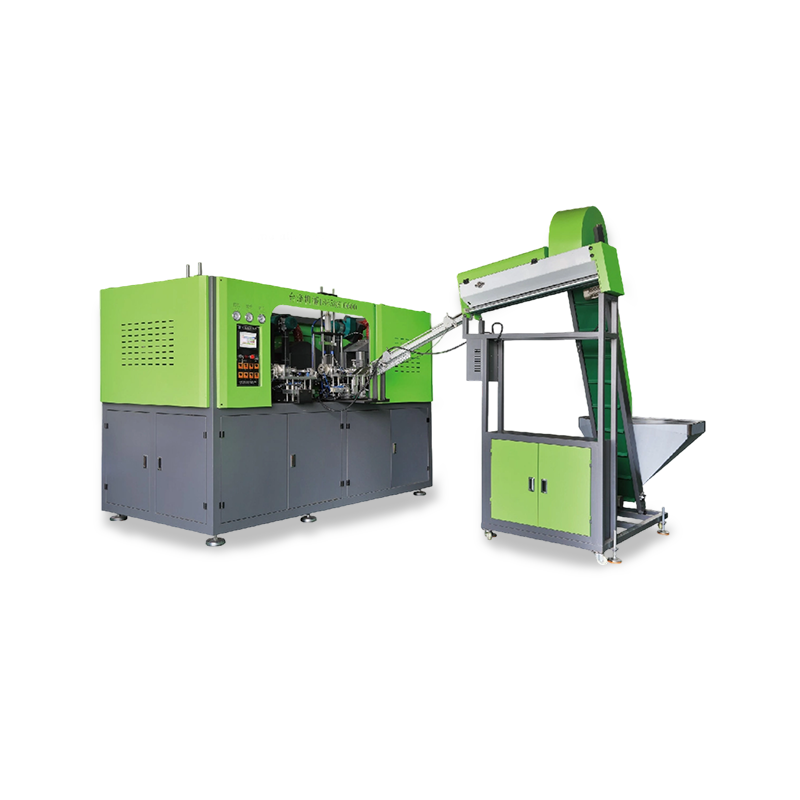
The Servo-driven lifting system is one of the standout features of this advanced bottle blowing machine. This system ensures fast,...
See Details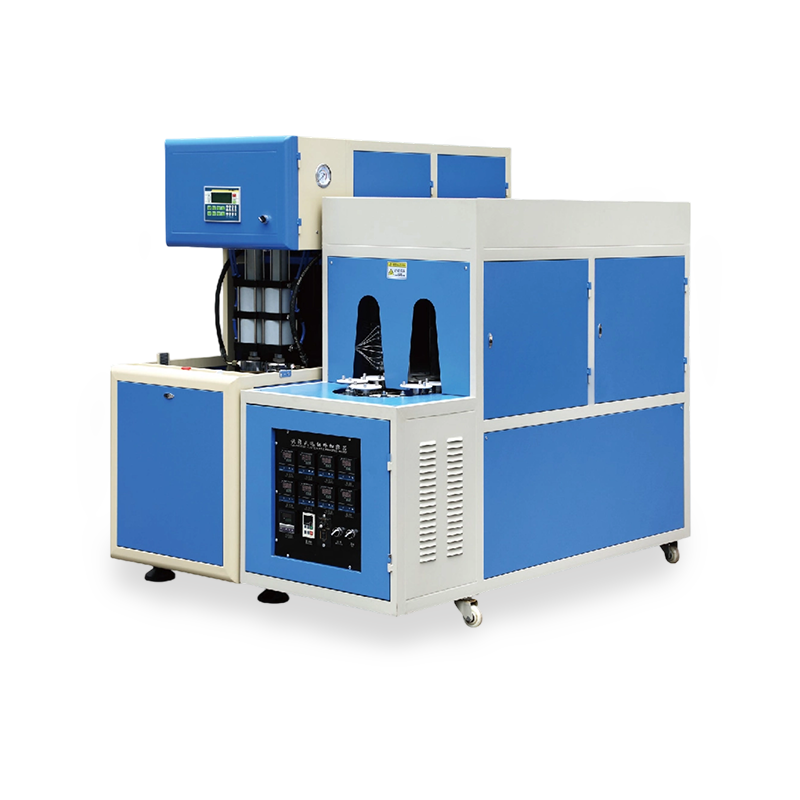
The fully automatic bottle blowing machine is a high-performance equipment designed for efficiency, precision, and ease of operati...
See Details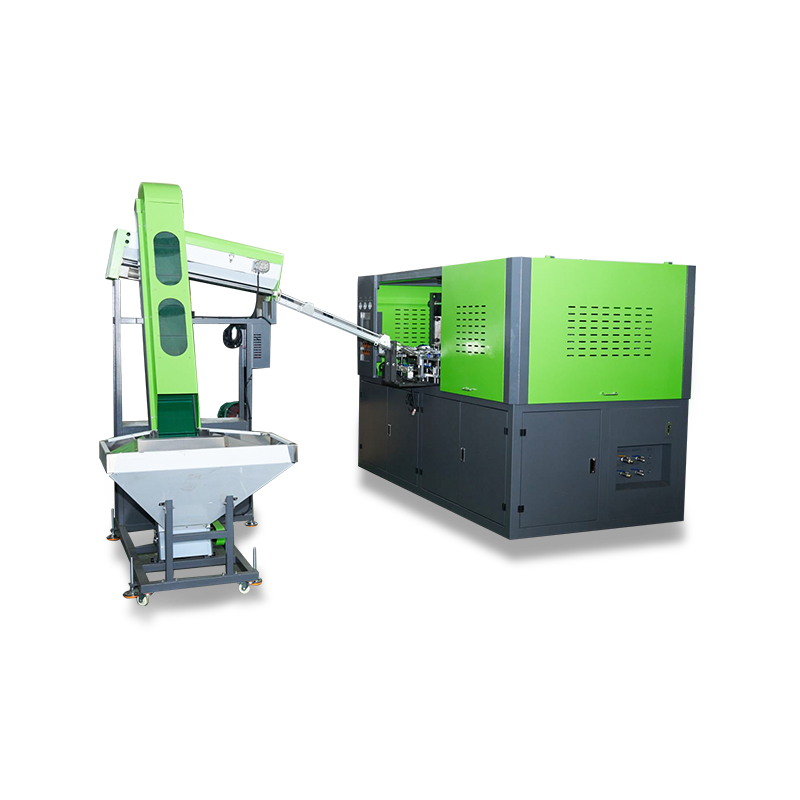
The 2-Cavity PET Preform Manufacturing Fully Automatic Bottle Blowing Machine is an efficient and intelligent solution for produci...
See Details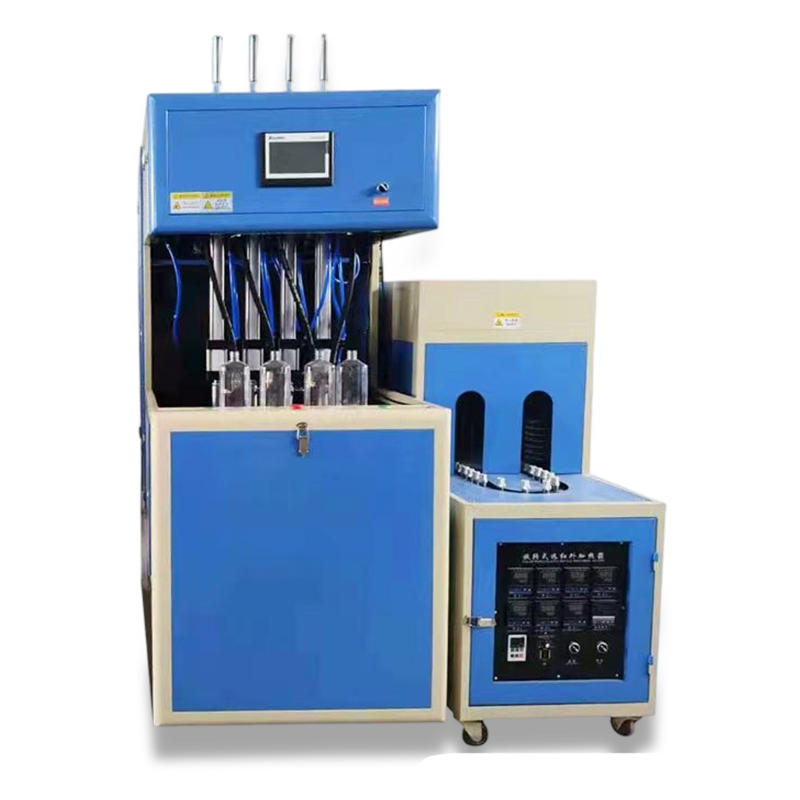
The Stable and Fast Automatic Bottle Blowing Machine is designed to meet the growing demand for streamlined bottle production with...
See Details
The 5L Single Cavity Semi Automatic Bottle Blowing Machine is specifically designed for the production of plastic PET bottles with...
See Details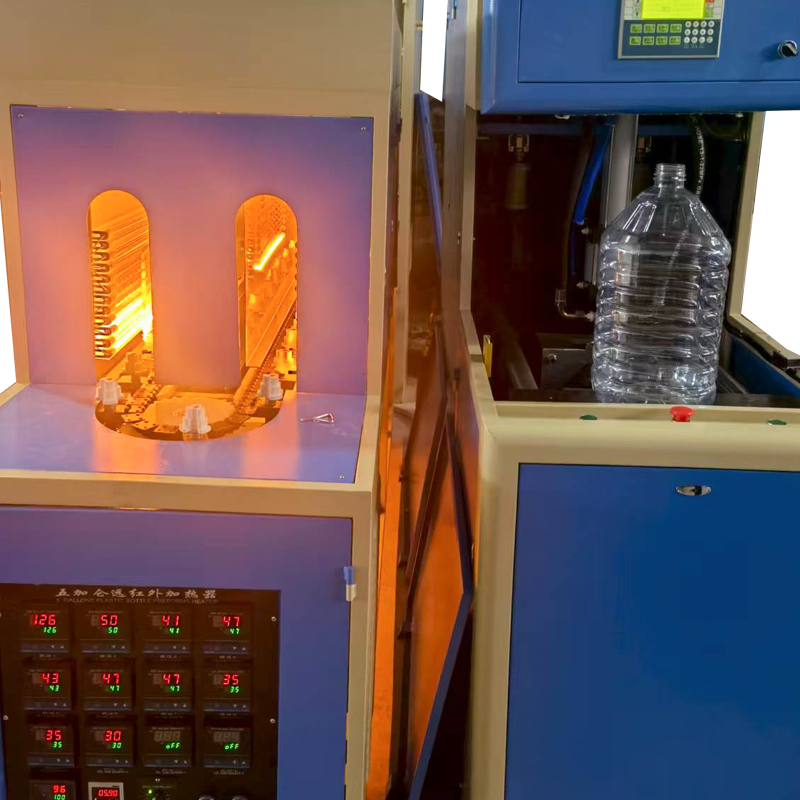
The 10L 5L To 12L Plastic PET Bottles Semi Automatic Bottle Blowing Machine is specially designed for producing medium to large vo...
See Details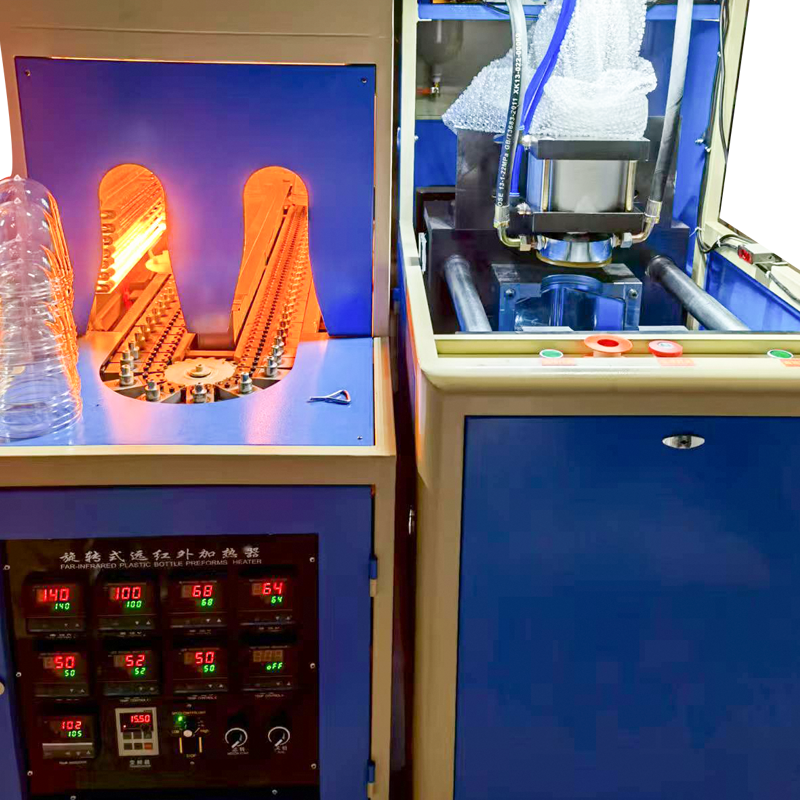
The Single Cavity Wide Mouth Bottle Semi-Automatic Bottle Blowing Machine is a specialized solution designed for manufacturing wid...
See Details


Contact Us