

 English
 Gigh Speed Fully Automatic Bottle Blowing Machine
The High Speed Fully Automatic Bottle Blowing Machine is designed to meet the demands of high-efficiency and high-quality bottle p...
See Details
Maintaining smooth operation of a Blowing Machine or a Pet Bottle Blowing Machine requires proactive measures to prevent common production issues. Machine troubles, ranging from inconsistent bottle formation to unexpected downtime, can disrupt packaging lines and affect production efficiency. Understanding the factors that contribute to these problems and implementing preventive practices allows operators to maintain stable output, reduce material waste, and ensure consistent product quality.
One of the main steps in preventing troubles is conducting routine inspections of critical machine components. Heating modules, air valves, stretching rods, and mold assemblies should be checked regularly for wear, misalignment, or residue buildup. For Pet Bottle Blowing Machines, uneven heating or malfunctioning valves can directly cause thin walls, irregular bottle shapes, or failed preform expansion. By identifying early signs of component wear or misalignment, operators can address minor issues before they escalate into production interruptions.
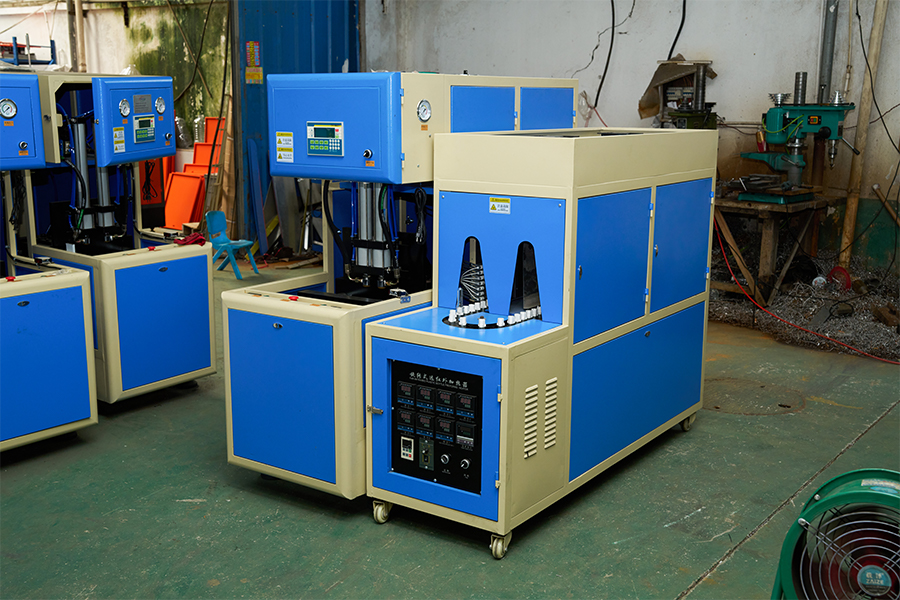
Proper control of temperature and airflow is essential for consistent bottle quality. Deviations in preform heating or irregular air pressure can result in defects, such as uneven wall thickness or deformed bottle necks. Operators should regularly check heating zones, ensure that infrared lamps are functioning correctly, and verify that compressed air flows evenly to all cavities. Adjusting these parameters according to bottle size, material, and mold design helps maintain uniform production while reducing the risk of machine-related problems.
Scheduled cleaning of heating elements, air filters, and mold cavities keeps the machine operating smoothly and reduces the likelihood of contamination or uneven preform heating. Lubricating moving parts, tightening mechanical connections, and verifying sensor calibration are additional preventive steps. Keeping a log of maintenance activities and noting recurring issues helps operators anticipate potential troubles and schedule corrective actions before they affect production.
Machine troubles can often result from inconsistent operation or improper adjustments. Properly trained operators who understand the interaction between temperature, air pressure, and stretching parameters are better equipped to maintain stable performance. Establishing standard operating procedures for startup, mold changes, and daily monitoring ensures that the Pet Bottle Blowing Machine is operated consistently, reducing the chance of operator error affecting production.
Even with preventive measures, minor issues may still arise. Operators should monitor the few cycles of each production run, observing bottle quality, machine sound, and cycle time. Early detection of anomalies allows for prompt corrective actions, such as adjusting air pressure, temperature, or mold alignment. Utilizing built-in diagnostic tools and performance readouts helps pinpoint issues quickly.
Preventing machine troubles also involves coordinating maintenance and production schedules effectively. Aligning preventive maintenance with planned production downtimes reduces the impact on output. Operators can plan mold changes and machine inspections during low-demand periods, ensuring continuous operation during peak production. Efficient workflow planning also supports timely detection and resolution of minor problems before they escalate.
Proactive inspection, monitoring of temperature and airflow, scheduled preventive maintenance, operator training, early detection, and coordinated production planning all contribute to reducing the likelihood of troubles in a Blowing Machine or a Pet Bottle Blowing Machine. By implementing these practices, operators can maintain stable production cycles, improve bottle consistency.
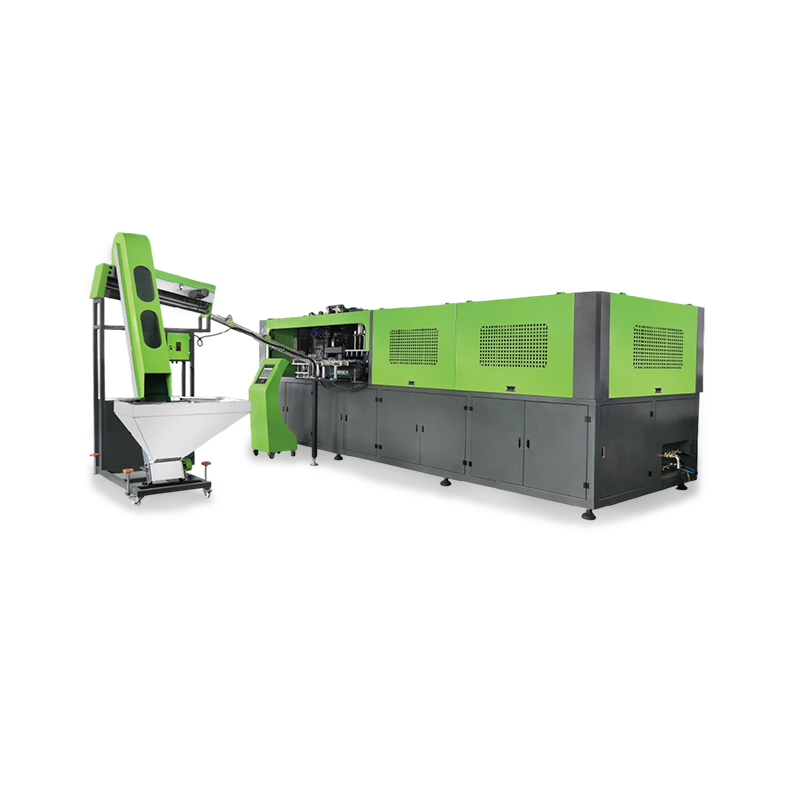
The High Speed Fully Automatic Bottle Blowing Machine is designed to meet the demands of high-efficiency and high-quality bottle p...
See Details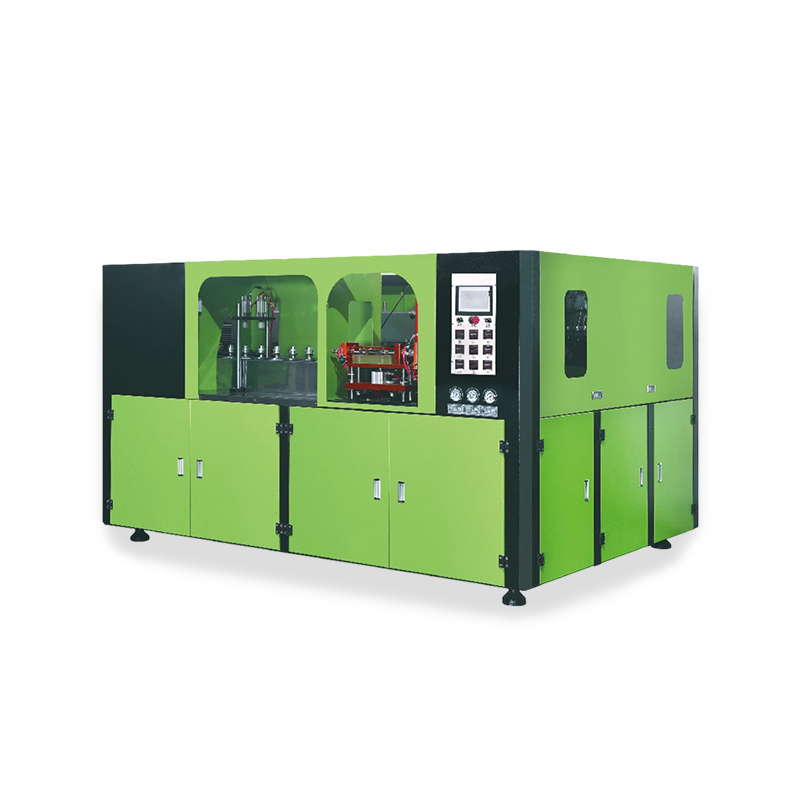
The fully automatic bottle blowing machine is designed with an emphasis on stability, efficiency, and precision. Its structure int...
See Details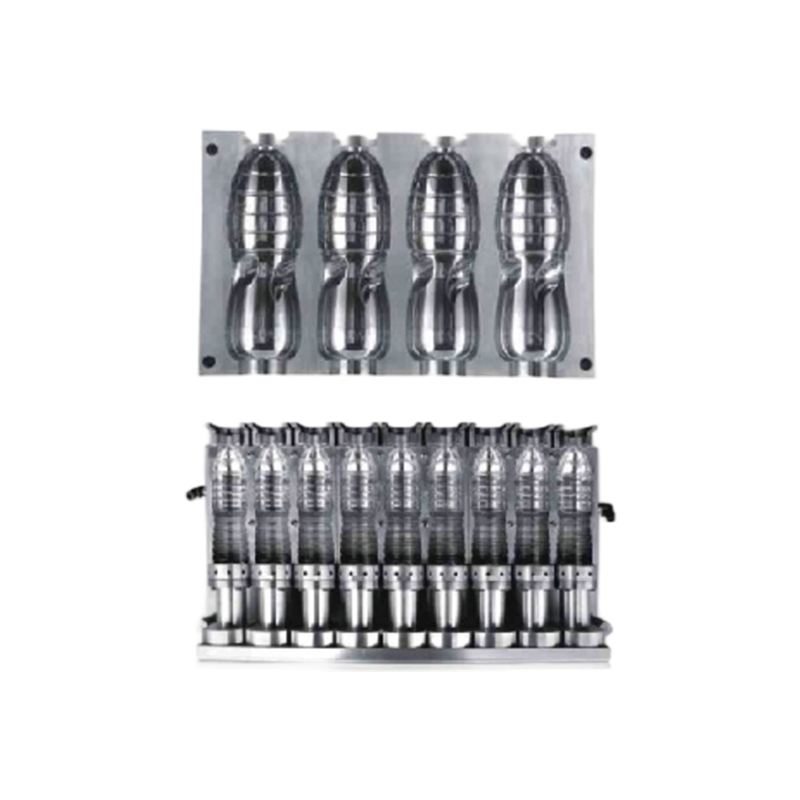
Our Blowing Molds Made On Demand Bottle Injection Mold solutions are designed with advanced 3D computer-aided design (CAD) technol...
See Details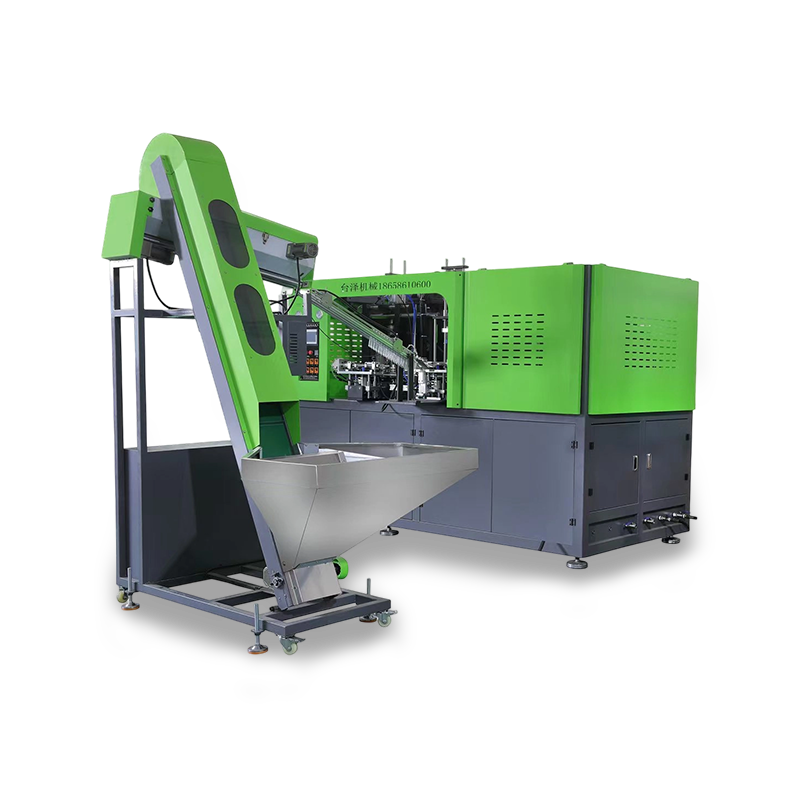
The 4-Cavity High Speed Multifunctional Fully Automatic Bottle Blowing Machine is a reliable solution designed for efficient PET b...
See Details
The 2-Cavity Fully Automatic Bottle Blowing Machine for Wide-Mouth Bottle Production is designed to meet the specific needs of man...
See Details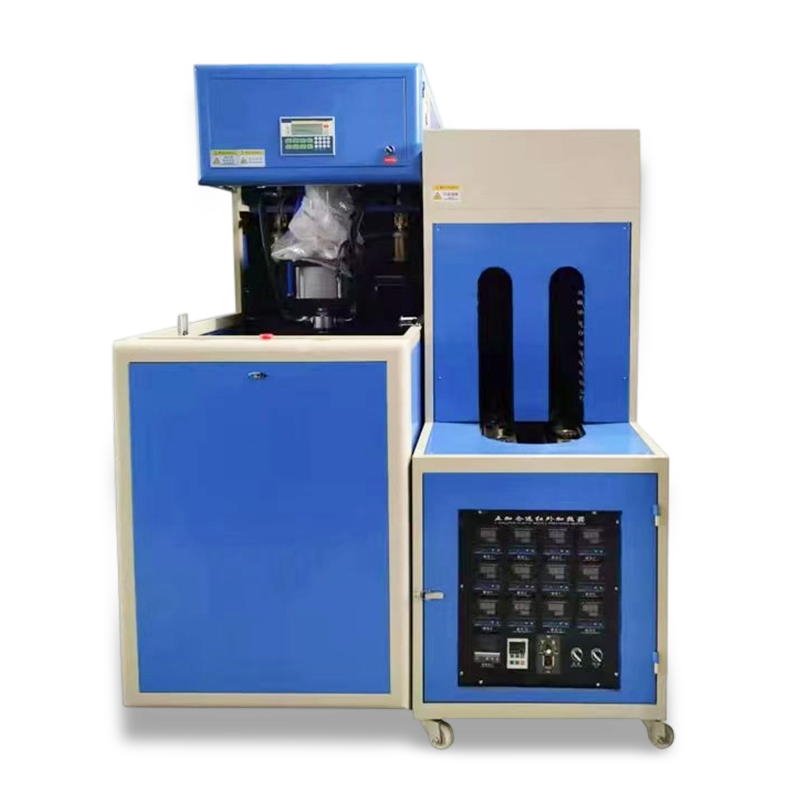
The 20L 3-5 Gallon Semi Automatic Bottle Blowing Machine for 5L-22L Bottles is specifically engineered for producing large-capacit...
See Details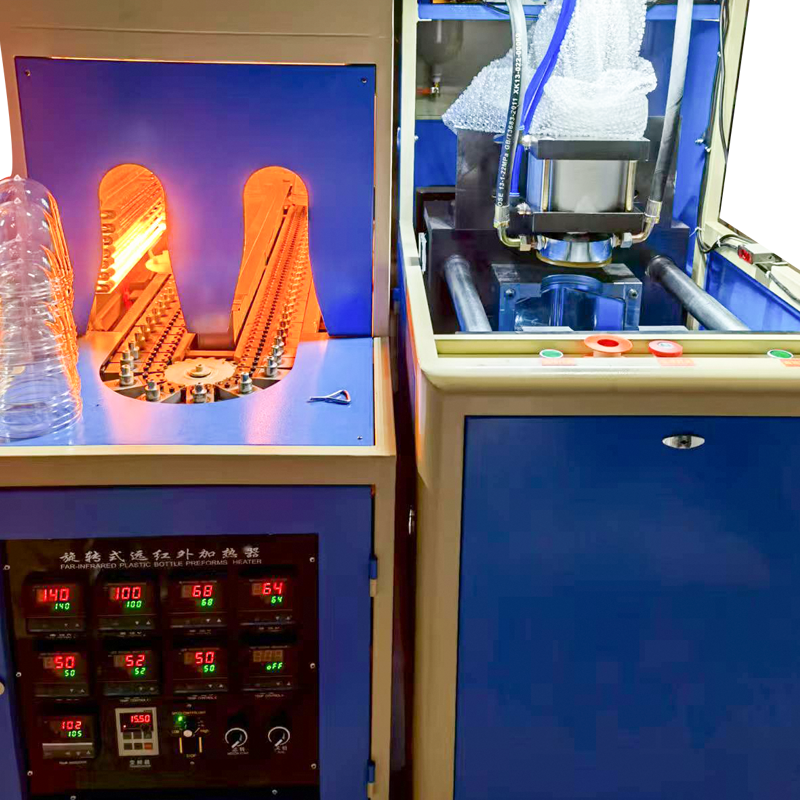
The Single Cavity Wide Mouth Bottle Semi-Automatic Bottle Blowing Machine is a specialized solution designed for manufacturing wid...
See Details


Contact Us