

 English
 PP Only Semi Automatic Bottle Blowing Machine
The fully automatic bottle blowing machine is engineered to deliver high efficiency and precision in plastic container production....
See Details
Airflow management is a critical aspect for operators working with a Blowing Machine or a Pet Bottle Blowing Machine. The way compressed air is delivered and regulated affects preform stretching, wall thickness uniformity, and overall bottle integrity. Proper airflow control ensures that each bottle forms according to specifications, while irregular air distribution can cause defects, material waste, and interruptions in production. Understanding the role of airflow helps operators maintain stable cycles, adjust machine parameters effectively, and enhance operational efficiency. Regular monitoring of air pressure and flow also contributes to longer equipment lifespan by reducing undue strain on valves, compressors, and piping systems.
Airflow directly influences how preforms expand during the blowing process. Uneven or fluctuating airflow can cause thin walls, weak bases, or inconsistent neck dimensions. In contrast, precise airflow supports uniform stretching, creating bottles with consistent strength and appearance. Pet Bottle Blowing Machines often produce multiple bottles simultaneously, so variations in airflow across cavities can impact several bottles at once. Monitoring and adjusting air distribution ensures each cavity receives sufficient pressure for proper formation.
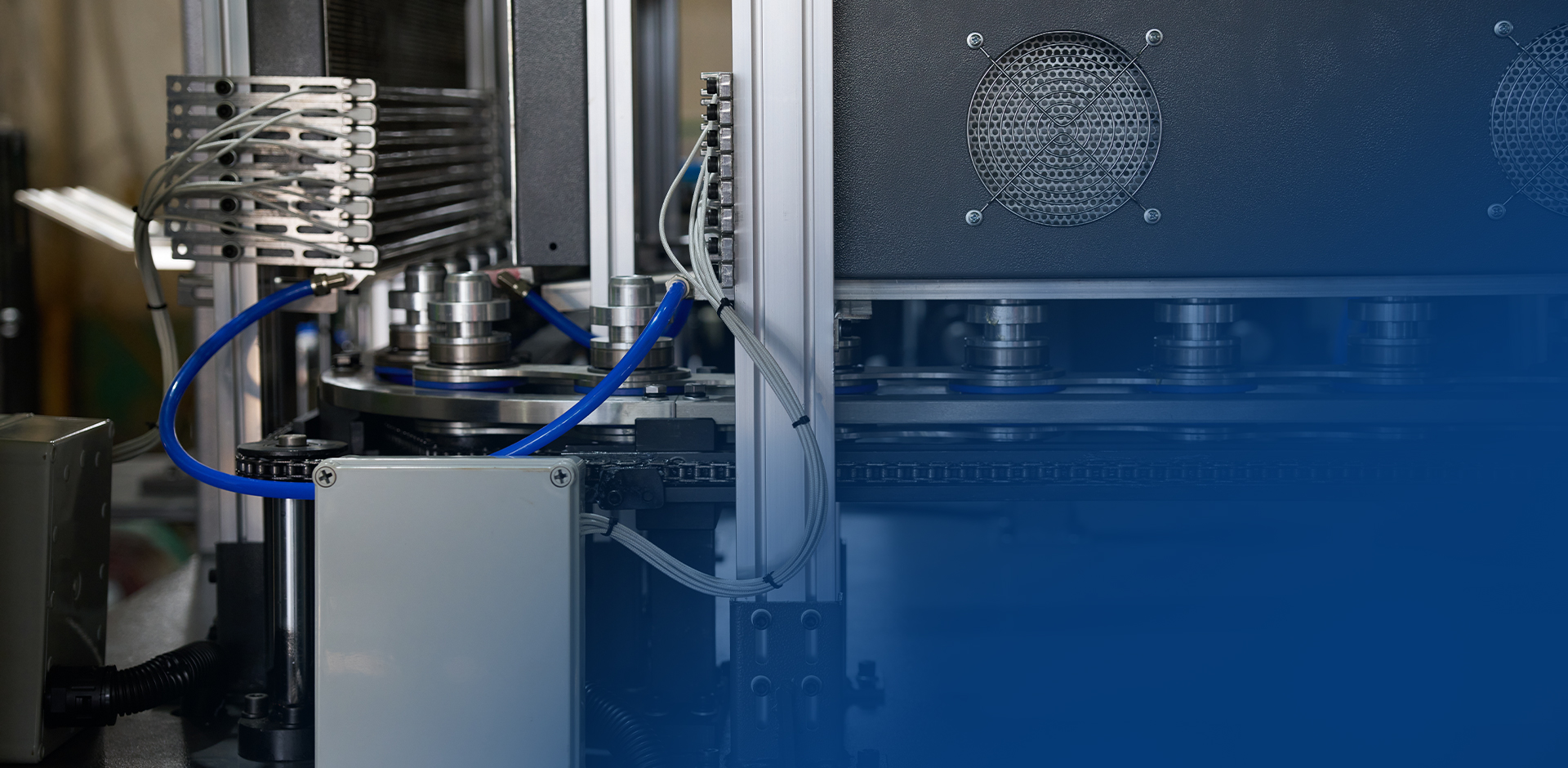
Different bottle sizes and designs require tailored airflow settings. Taller bottles or those with thicker walls typically need higher air pressure to achieve uniform wall distribution, while smaller or lighter bottles require lower pressure to prevent overstretching. Operators can utilize the machine’s control interface to adjust air volume and pressure ratios, matching the airflow to the specific requirements of each mold. Maintaining a record of successful pressure settings for different bottle types can help streamline production transitions and reduce trial-and-error adjustments in subsequent runs.
Airflow works in conjunction with heating and stretching mechanisms to determine bottle quality. Preform temperature, stretching rod position, and blowing duration all interact with air pressure to shape the final product. Minor adjustments to airflow may be needed when temperature settings change, when switching between different preform materials, or when environmental conditions fluctuate. Coordinating these parameters ensures that bottles maintain structural integrity while production cycles remain stable. Operators can use automated monitoring systems to receive alerts if airflow deviates from programmed ranges, allowing for prompt corrective actions.
Regular monitoring of airflow systems helps detect leaks, blockages, or inconsistencies that could affect bottle formation. Preventive maintenance, such as inspecting valves, compressors, and air lines, supports steady operation and reduces the risk of unexpected downtime. Operators can use real-time pressure readouts and built-in diagnostic tools to identify deviations quickly and make necessary corrections. Maintaining clean and properly functioning air filters also contributes to consistent airflow and efficient machine performance. Documenting maintenance activities and performance trends can provide valuable insights for optimizing long-term operation.
Stable air delivery ensures predictable cycle times and allows downstream processes, such as filling and labeling, to operate smoothly. Operators can schedule production more effectively, knowing that each batch will meet dimensional and structural standards. Efficient airflow management also supports energy conservation, as the machine does not need to compensate for uneven pressure by overusing compressors or extending cycle durations. Over time, careful airflow management can help improve the overall reliability of the Pet Bottle Blowing Machine, supporting consistent throughput and reducing operational stress on the equipment.
Airflow is a fundamental element in the operation of a Blowing Machine, particularly a Pet Bottle Blowing Machine, directly affecting bottle quality, production consistency, and operational efficiency. By monitoring air distribution, adjusting pressure for different bottle types, coordinating with temperature and stretching parameters, performing regular maintenance, and documenting performance trends, operators can maintain steady output. Attentive airflow control supports stable production cycles, consistent bottle integrity, energy-efficient operation, and smooth workflow across packaging operations, making it an essential consideration for daily production management.
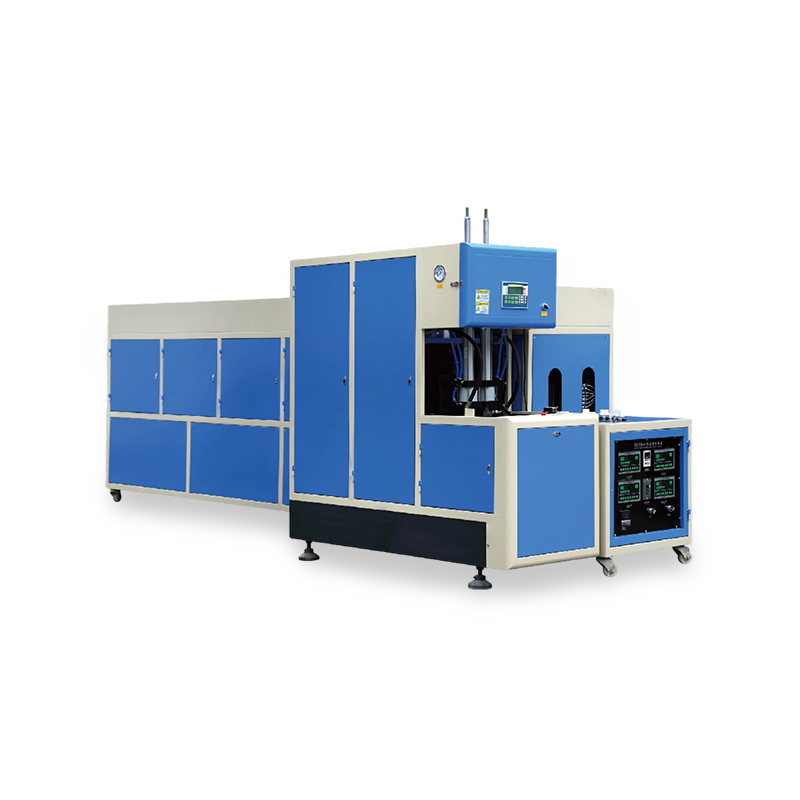
The fully automatic bottle blowing machine is engineered to deliver high efficiency and precision in plastic container production....
See Details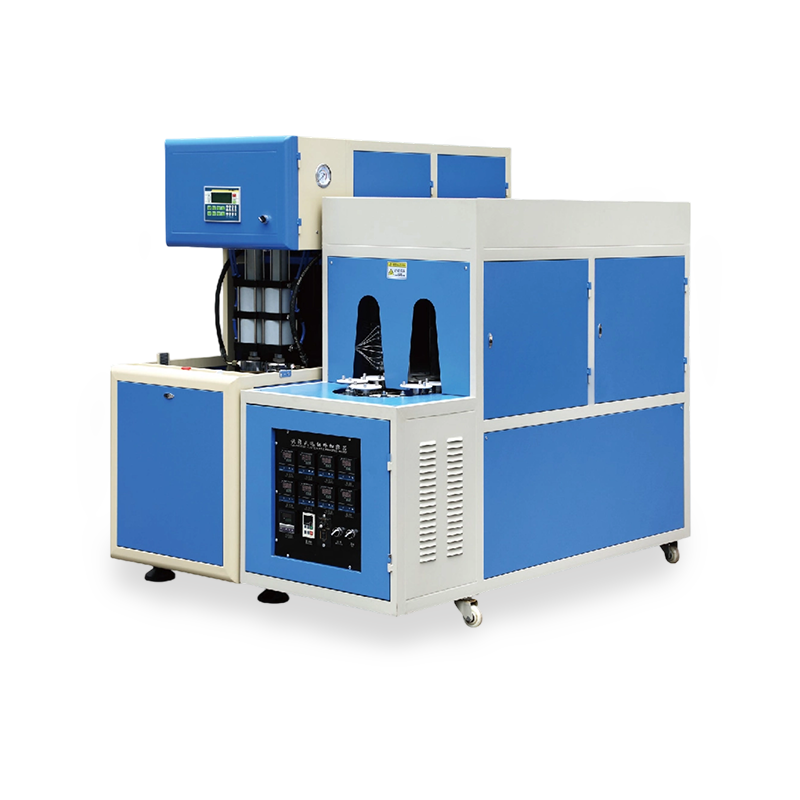
The fully automatic bottle blowing machine is a high-performance equipment designed for efficiency, precision, and ease of operati...
See Details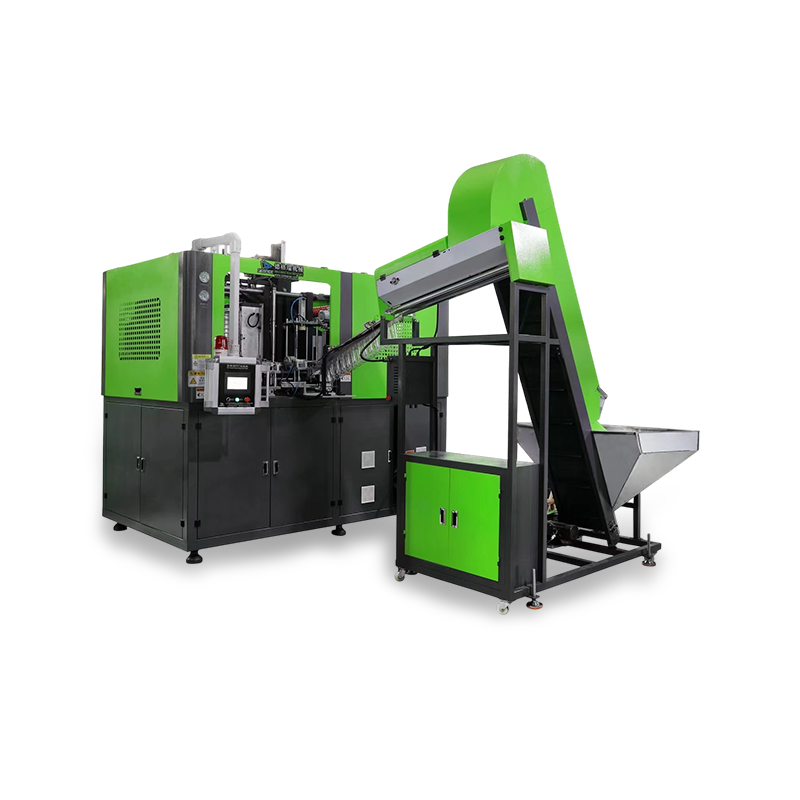
The 1 Cavity Produce 10L/15L/20L Bottles Fully Automatic Bottle Blowing Machine is a reliable and efficient solution for producing...
See Details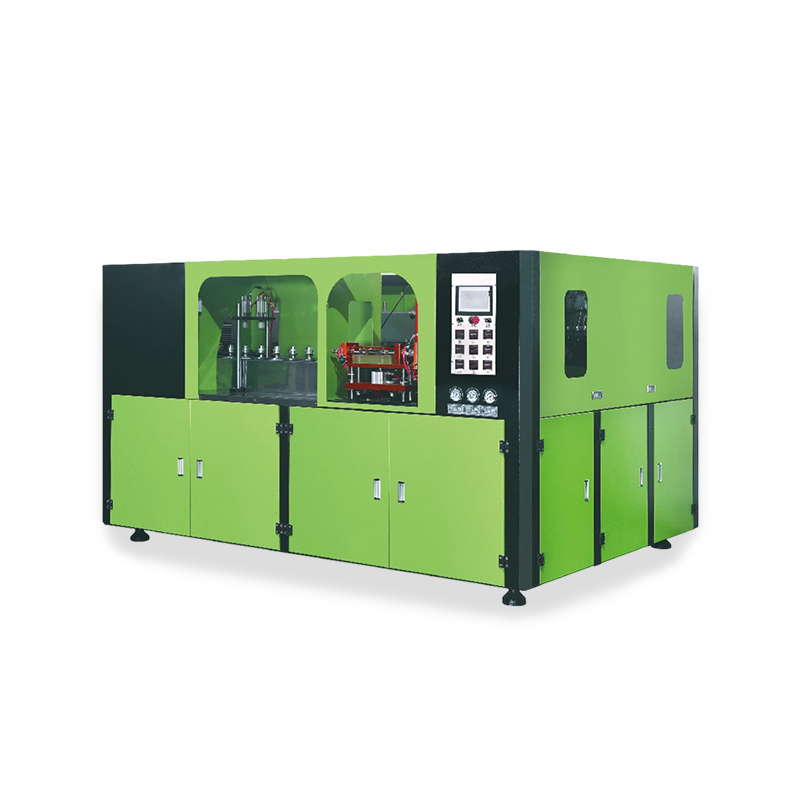
The 2-Cavity Fully Automatic Bottle Blowing Machine for Wide-Mouth Bottle Production is designed to meet the specific needs of man...
See Details
The 1-Chamber Large Capacity Tank Fully Automatic Bottle Blowing Machine is engineered to meet the needs of industrial-scale produ...
See Details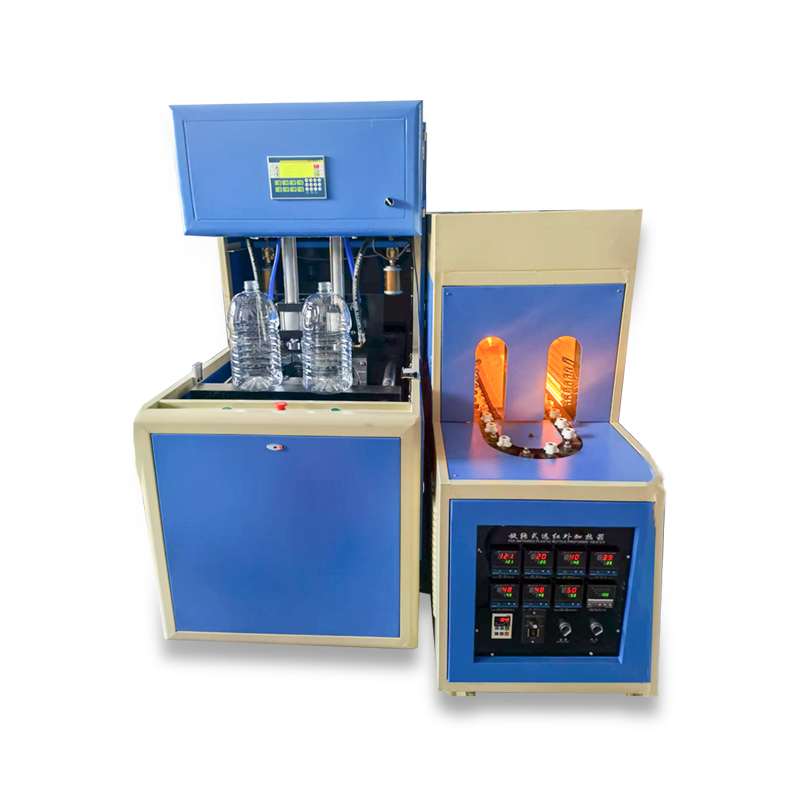
The 5L Manual Extrusion Semi-Automatic Bottle Blowing Machine is specifically designed for producing medium-capacity plastic conta...
See Details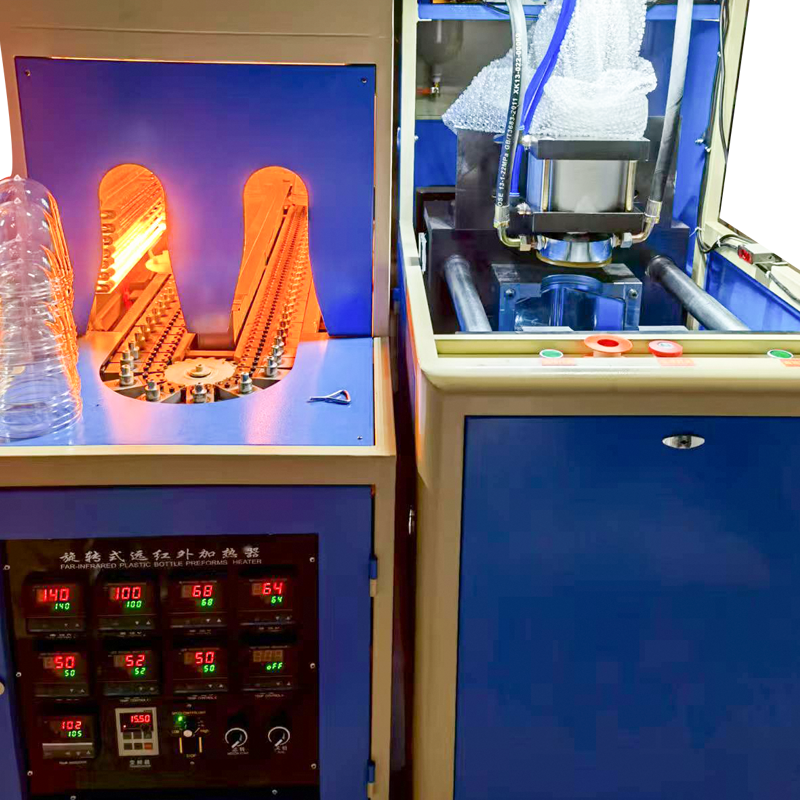
The Single Cavity Wide Mouth Bottle Semi-Automatic Bottle Blowing Machine is a specialized solution designed for manufacturing wid...
See Details


Contact Us