

 English
 Gigh Speed Fully Automatic Bottle Blowing Machine
The High Speed Fully Automatic Bottle Blowing Machine is designed to meet the demands of high-efficiency and high-quality bottle p...
See Details
Plastic container manufacturing depends on machinery that can maintain uniformity and precision over high-volume production. Both the Blow Molding Machine and Wide-Mouth Bottle Blowing Machine play key roles in shaping hollow plastic items such as bottles, jars, and storage containers. These machines are designed to control the forming process, allowing manufacturers to achieve consistent dimensions while accommodating different designs and sizes.
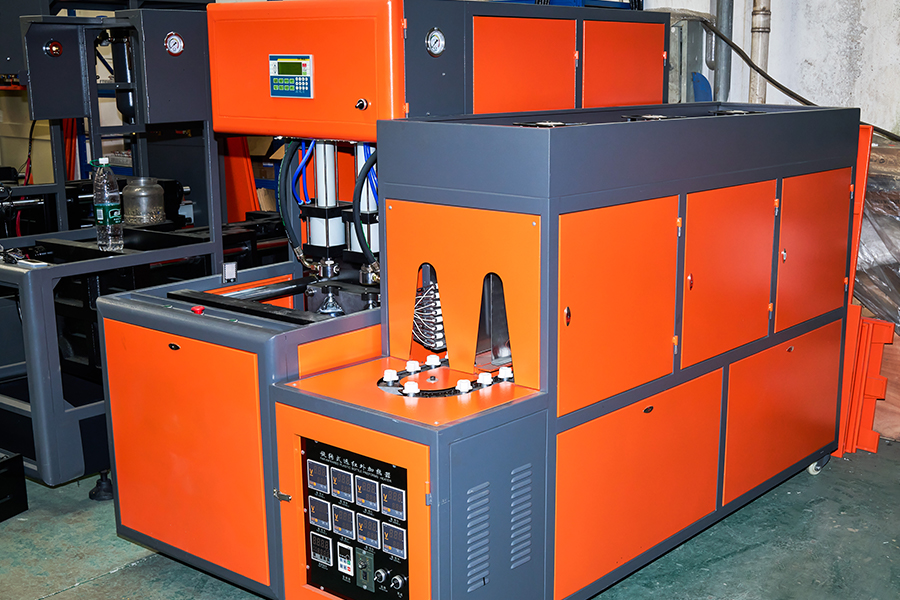
The accuracy of a blow molding machine is central to consistent production. Modern machines use CNC-guided components to position and move moulds with precision. Servo-controlled systems adjust stretching and closing motions, which ensures that each container maintains even wall thickness and accurate shape. Parameters such as temperature, pressure, and cycle timing can be programmed and repeated across batches, allowing the production of multiple container types without introducing variations.
Wide-mouth bottles present unique challenges due to their larger openings and structural demands. The wide-mouth bottle blowing machine addresses these by allowing flexible mould configurations and controlled stretching of the plastic parison. This ensures that wall thickness remains even, neck finishes align correctly, and the overall body retains its intended form. The ability to fine-tune these aspects supports stable output across different bottle sizes while maintaining design consistency.
Temperature control within the mould and parison has a significant influence on product uniformity. Integrated cooling channels distribute heat evenly, allowing the plastic to set without warping or uneven surfaces. Sensors monitor mould and material temperatures so adjustments can be made in real time, ensuring the forming process remains steady. By managing heat distribution effectively, cycle times can remain predictable, and energy use is balanced with product stability.
Consistent extrusion of the plastic parison is critical for predictable outcomes. Blow molding machines maintain a steady flow of molten plastic through motorised or hydraulic systems, while thickness control features adjust the parison along its length to match design requirements. Using properly prepared raw materials, such as pre-dried and homogenised plastic pellets, further supports even melting and forming. These measures help prevent variations that could affect container strength or shape.
The condition of the mould and moving components directly affects output. Many machines incorporate modular moulds for easier replacement, which reduces downtime when switching between container types. Regular inspection and maintenance, including lubrication and wear checks, ensure that moulds close correctly and mechanical elements perform as intended. Maintaining these standards supports long-term stability in production.
Blow molding machines are built to accommodate a variety of container designs while supporting standardized production. Cycle settings such as blow pressure, mould clamping, and cooling duration can be adjusted to suit specific products. Machines are compatible with different plastic materials, including PET, HDPE, and PP, without major adjustments. Integration with conveyors or inspection systems further supports continuous, repeatable output throughout the production line.
Many blow molding systems include inline sensors and cameras to monitor wall thickness, height, and diameter in real time. This allows operators to detect deviations quickly and make necessary adjustments before producing large numbers of defective containers. Data from these systems can also be logged to track trends and prevent recurring issues, helping maintain stable quality across multiple production cycles.
Blow molding machines and wide-mouth bottle blowing machines combine precision, adaptable tooling, temperature control, and careful maintenance to support consistent output. Through controlled mechanical processes, material management, and monitoring, these machines allow manufacturers to produce uniform containers across different sizes, materials, and production scales. By focusing on these practical aspects, production lines can operate efficiently while maintaining predictable results that meet specification standards.
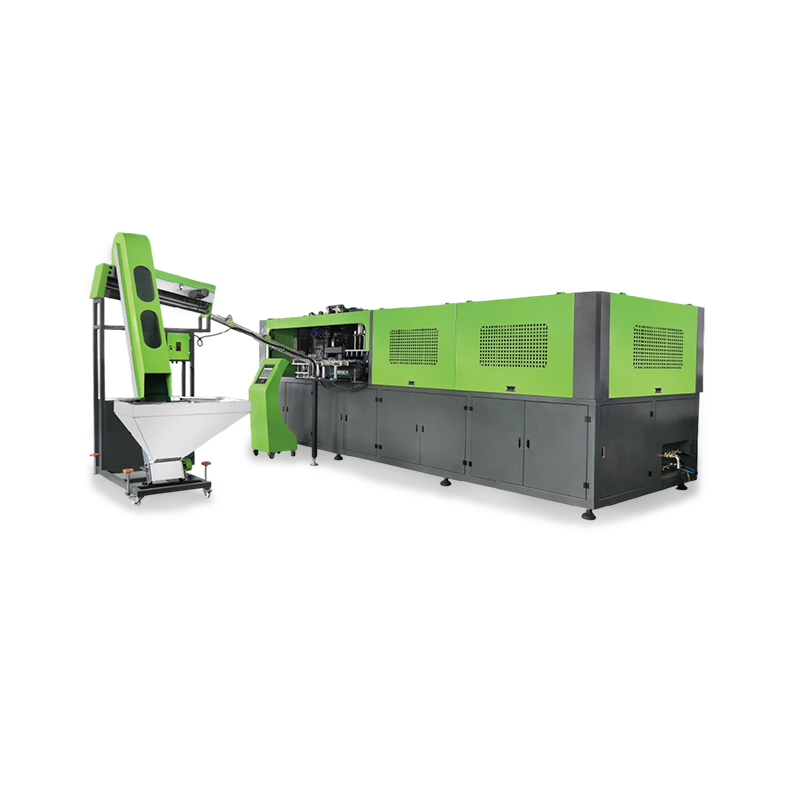
The High Speed Fully Automatic Bottle Blowing Machine is designed to meet the demands of high-efficiency and high-quality bottle p...
See Details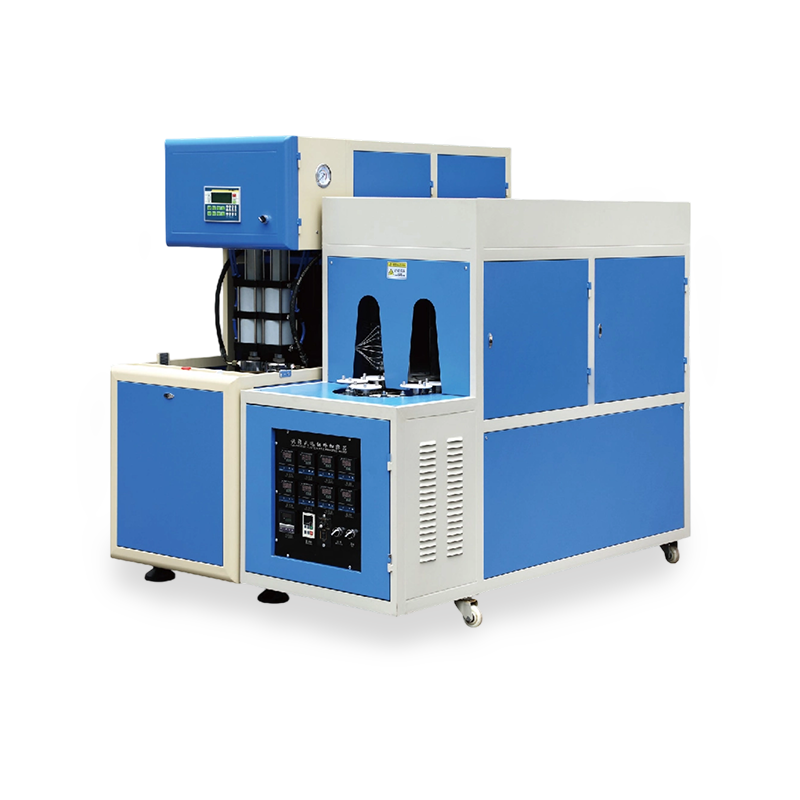
The fully automatic bottle blowing machine is a high-performance equipment designed for efficiency, precision, and ease of operati...
See Details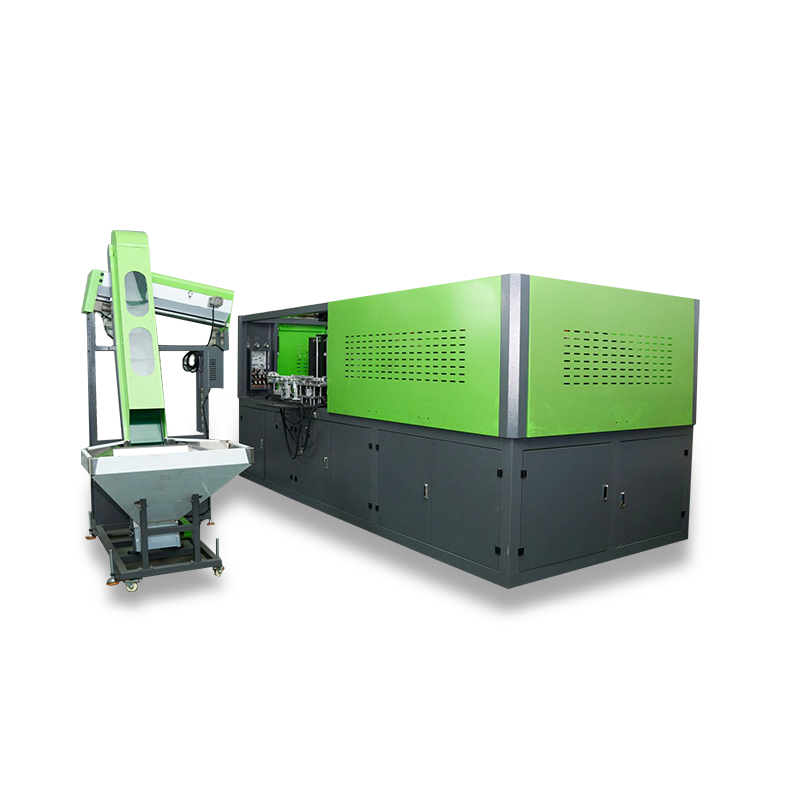
The 8-Cavity High-Efficiency Versatile Fully Automatic Bottle Blowing Machine is designed to meet the increasing demands for high-...
See Details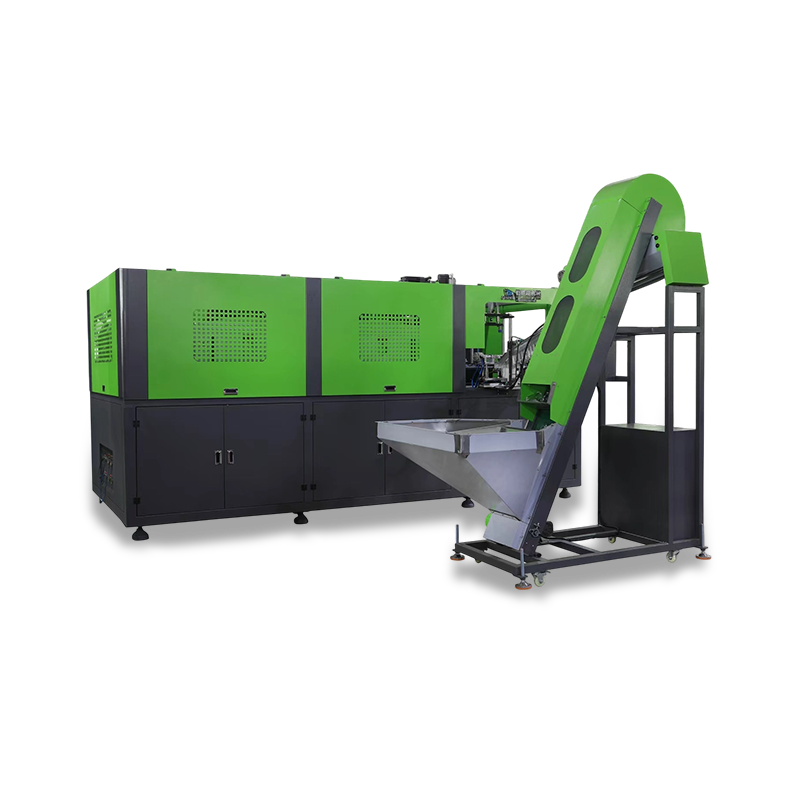
The 6-Cavity Fully Automatic Bottle Blowing Machine For Bottles From 100ML To 2L is designed to provide efficient and reliable pro...
See Details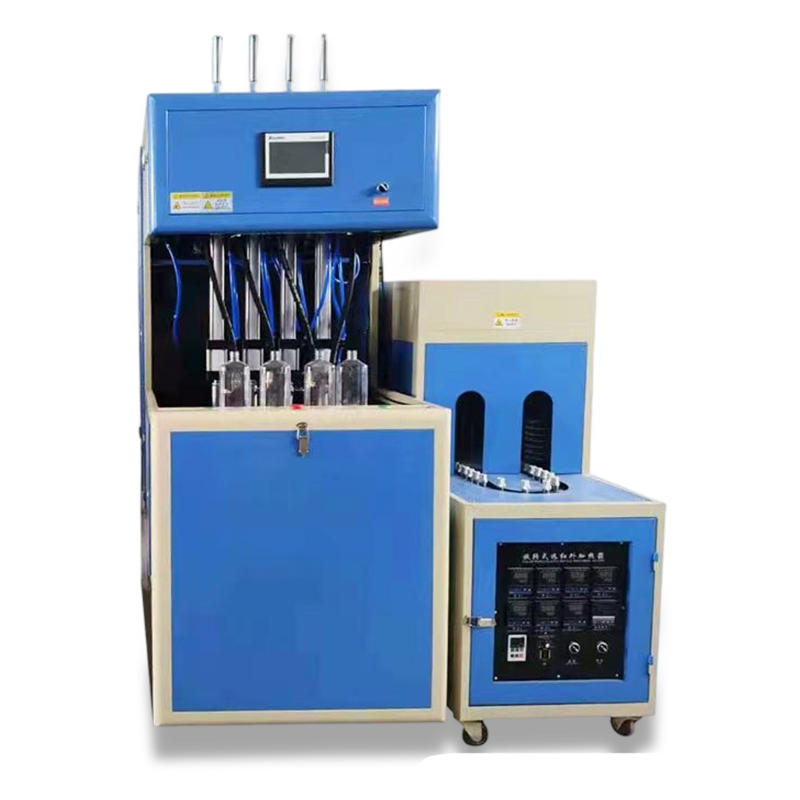
The Stable and Fast Automatic Bottle Blowing Machine is designed to meet the growing demand for streamlined bottle production with...
See Details
The 1L 4 Cavity Manual Vial Semi Automatic Bottle Blowing Machine is designed to offer practical and efficient bottle production f...
See Details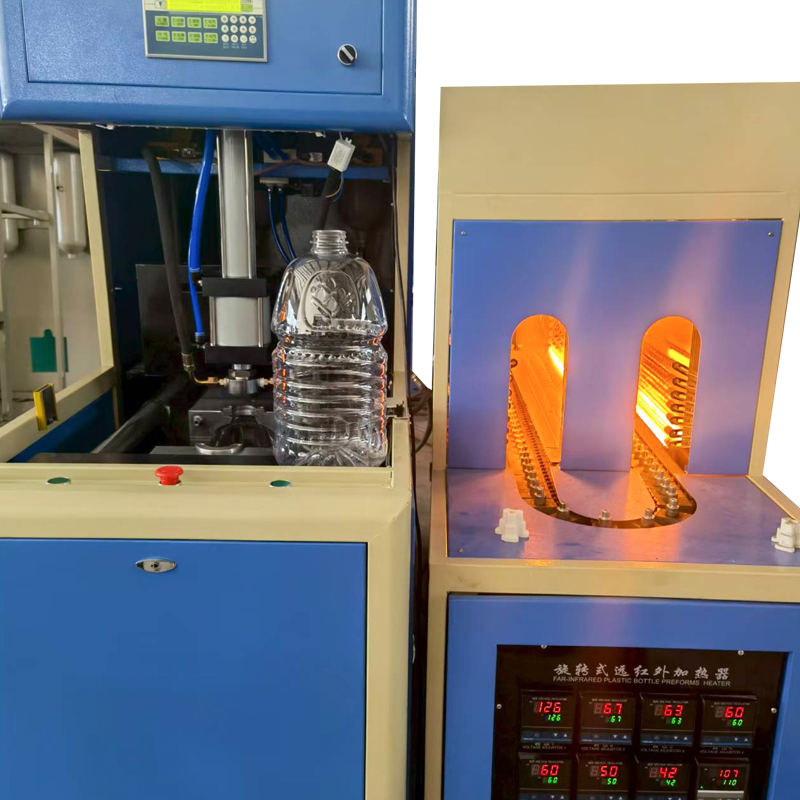
The 5L Single Cavity Semi Automatic Bottle Blowing Machine is specifically designed for the production of plastic PET bottles with...
See Details


Contact Us