

 English
 Durable Fully Automatic Bottle Blowing Machine
This PET-type bottle blowing machine is designed with advanced technology to meet the high-efficiency and high-precision requireme...
See Details
Plastic container production often faces challenges in material usage, especially when producing high volumes of bottles or jars. Both the Blow Molding Machine and Wide-Mouth Bottle Blowing Machine play important roles in controlling the amount of plastic used during manufacturing. By carefully managing forming processes, mould design, and operational parameters, these machines can help reduce material waste while maintaining consistent container dimensions.
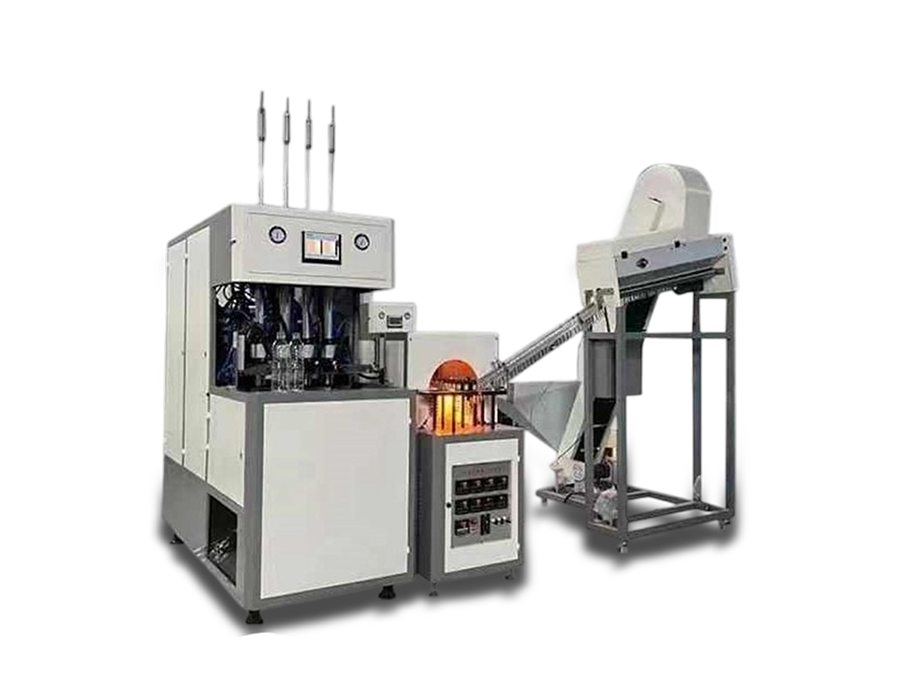
A significant factor in controlling material usage is the design of the mould itself. Blow molding machines rely on carefully engineered moulds to shape the plastic parison into the desired container form. Consistent wall thickness is critical, as uneven walls can cause overuse of material or structural weaknesses. Wide-mouth bottles, in particular, require attention to neck and shoulder areas where plastic flow tends to concentrate. By adjusting the mould contours and incorporating accurate parison programming, manufacturers can reduce excess material while preserving the intended shape and functionality.
The extrusion of the plastic parison, or preform, directly affects how much material is used. Machines that provide consistent parison thickness along its length prevent overfeeding of plastic into the mould. For wide-mouth bottles, the parison must be carefully shaped so that the bottom and neck areas receive the correct amount of material. Operators can adjust extrusion rates, parison length, and wall distribution to match container specifications, which helps limit scrap material without altering the production schedule.
Proper temperature control during the forming process influences how plastic flows into the mould. Blow molding machines often include heating zones and cooling channels to maintain stable temperatures. If the parison is too hot or cools unevenly, it may not fully expand, causing operators to add extra material to compensate. Well-regulated temperature ensures that the plastic stretches uniformly and fills the mould properly, reducing instances where additional material is required to correct shape inconsistencies. For wide-mouth bottles, even cooling across the larger opening is particularly important to avoid over-thick walls.
Blow pressure and parison stretching play a key role in how the material distributes within the mould. By calibrating these settings according to container dimensions, the machine can ensure that the walls expand evenly. For wider openings, careful control prevents thinning at the neck or thickening at the base, which otherwise would cause material surplus. Operators can also monitor the inflation process to identify sections where material could be reduced or redistributed, supporting more efficient use of raw plastic.
The condition of moulds and machine components affects material use. Worn or misaligned moulds can create uneven walls, requiring additional material or resulting in higher scrap rates. Regular inspection, lubrication, and replacement of inserts help maintain accurate forming conditions. Modular mould designs allow for fast changes between different container types, which reduces the need for test runs that consume extra plastic.
Many modern blow molding machines include inline measurement systems to track wall thickness, height, and diameter during production. These systems provide real-time feedback, allowing operators to adjust parameters promptly. For wide-mouth bottles, monitoring the larger openings and body shape can prevent material overuse that might otherwise occur due to uneven expansion. Data collected during production also helps identify trends in material usage, so adjustments can be applied across multiple runs to further reduce waste.
The type and preparation of plastic used also influence waste levels. Pre-dried and homogenized plastic pellets feed consistently into the extrusion system, resulting in more predictable parison behavior. Selecting materials that stretch and form evenly allows the blow molding machine to operate within tighter tolerances, reducing the need for additional plastic to correct inconsistencies. By combining suitable materials with controlled processing, manufacturers can produce uniform containers while using only the required amount of raw material.
Blow molding machines and wide-mouth bottle blowing machines are capable of adapting to different container shapes and sizes without significantly increasing material use. By using programmable parameters for each design, the machine adjusts parison length, blow pressure, and mould settings to match specifications. This flexibility reduces scrap that might otherwise occur when switching between products with different volumes or neck finishes. As a result, manufacturers can maintain efficient material use across a range of designs while keeping production schedules consistent.
Through careful control of mould design, parison extrusion, temperature, and blow pressure, blow molding machines and wide-mouth bottle blowing machines help manage material consumption effectively. Monitoring systems, proper maintenance, and suitable material selection further support reductions in waste, allowing manufacturers to produce containers efficiently and with predictable output. By focusing on these practical elements, production lines can maintain consistent quality while using material in a more controlled manner.
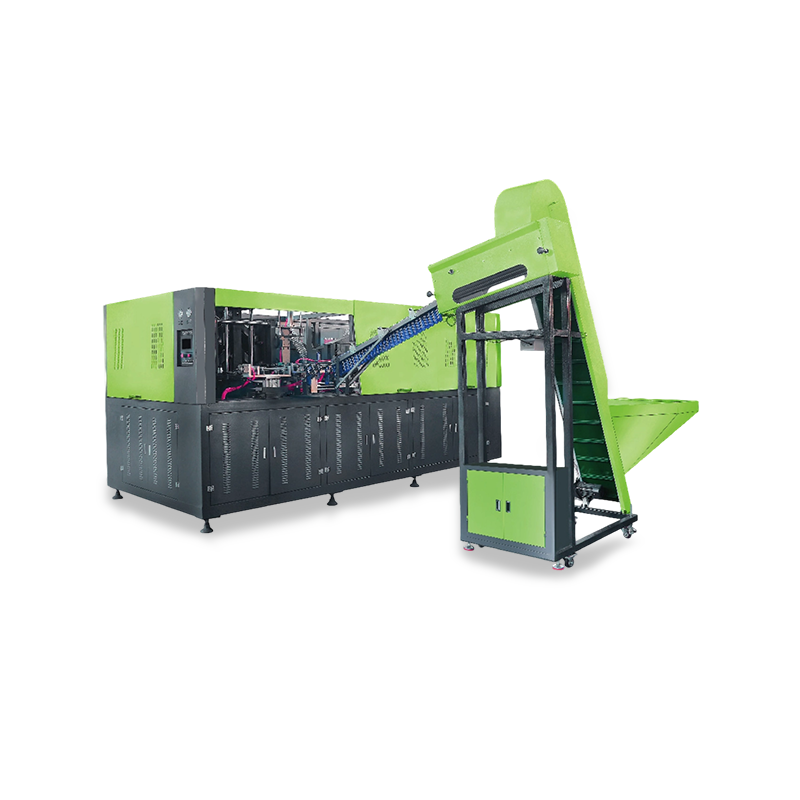
This PET-type bottle blowing machine is designed with advanced technology to meet the high-efficiency and high-precision requireme...
See Details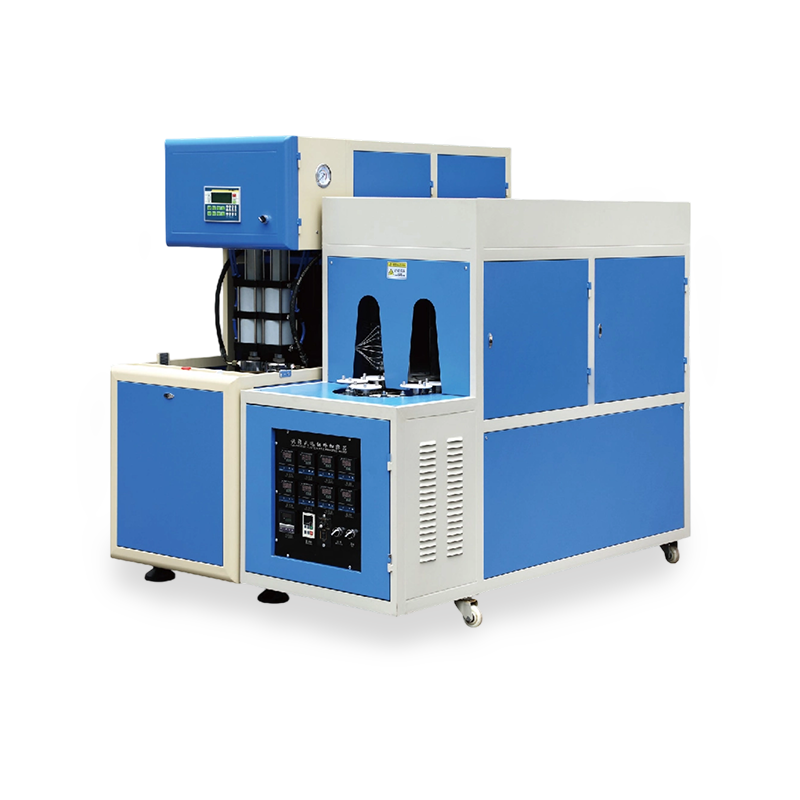
The fully automatic bottle blowing machine is a high-performance equipment designed for efficiency, precision, and ease of operati...
See Details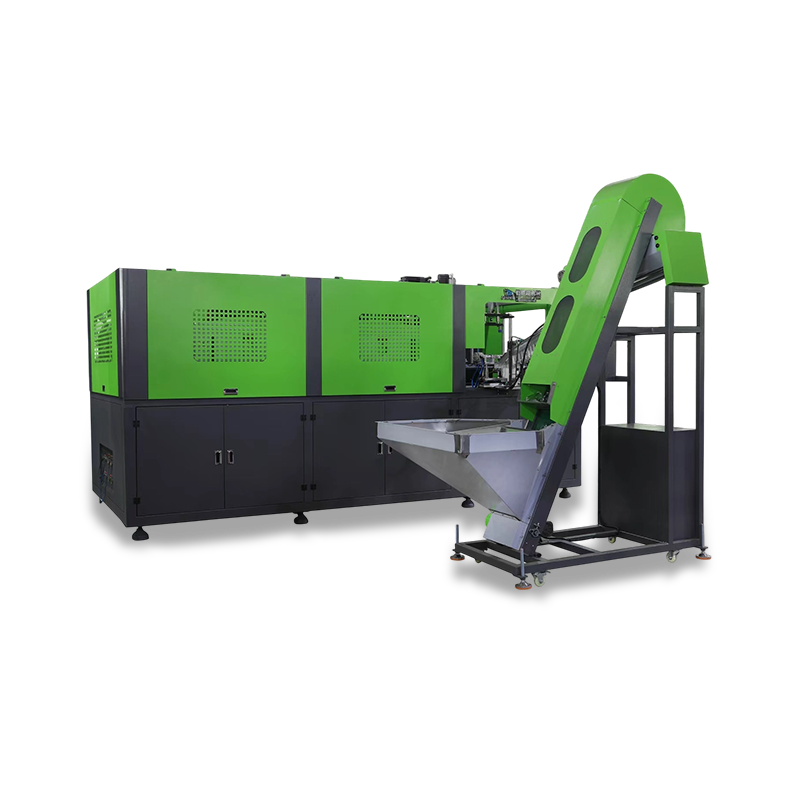
The 6-Cavity Fully Automatic Bottle Blowing Machine For Bottles From 100ML To 2L is designed to provide efficient and reliable pro...
See Details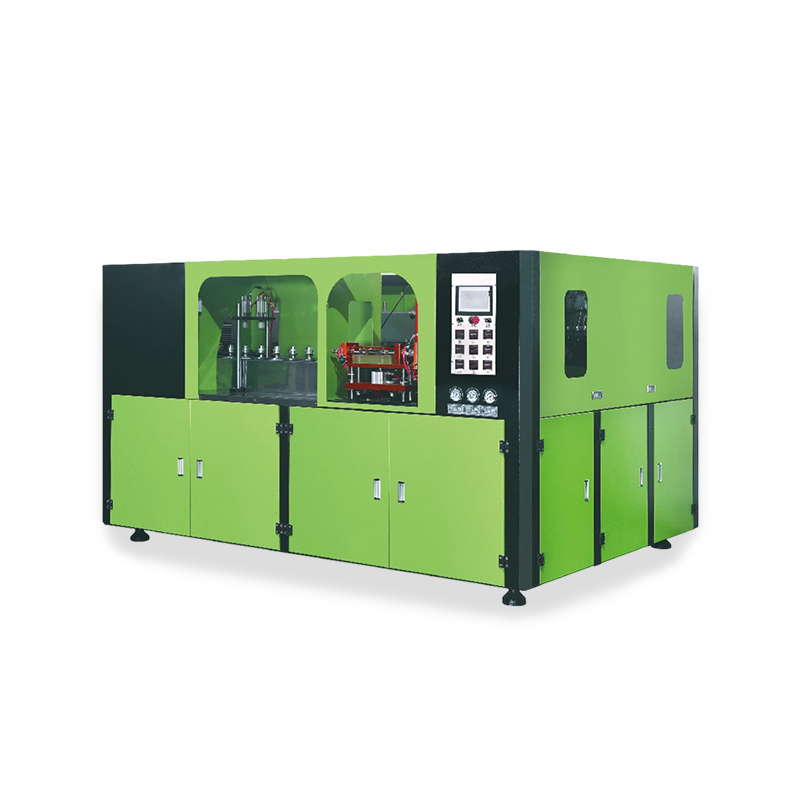
The 2-Cavity Fully Automatic Bottle Blowing Machine for Wide-Mouth Bottle Production is designed to meet the specific needs of man...
See Details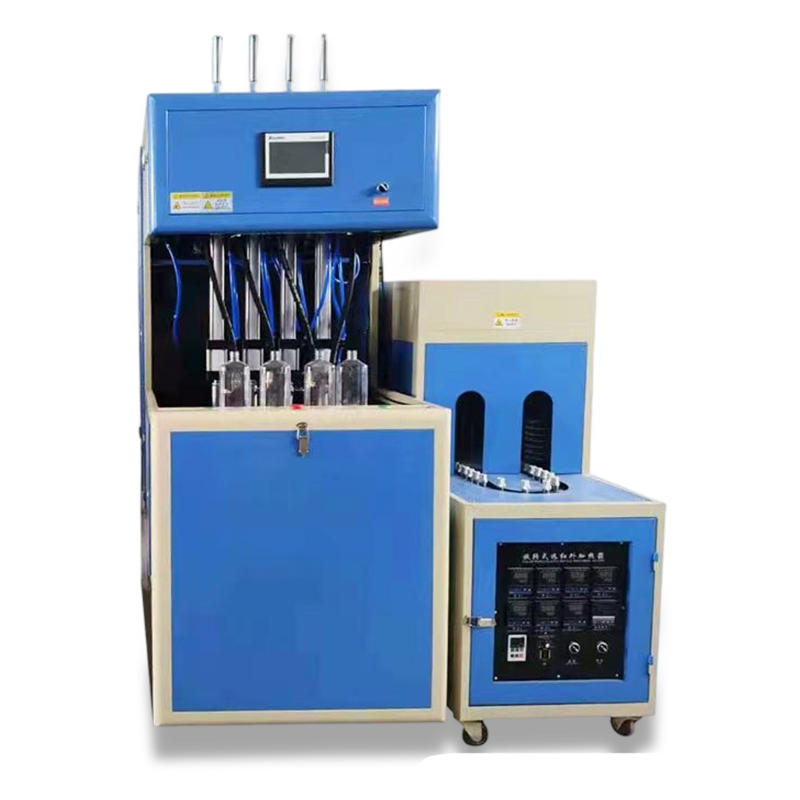
The 1L 4 Cavity Manual Vial Semi Automatic Bottle Blowing Machine is designed to offer practical and efficient bottle production f...
See Details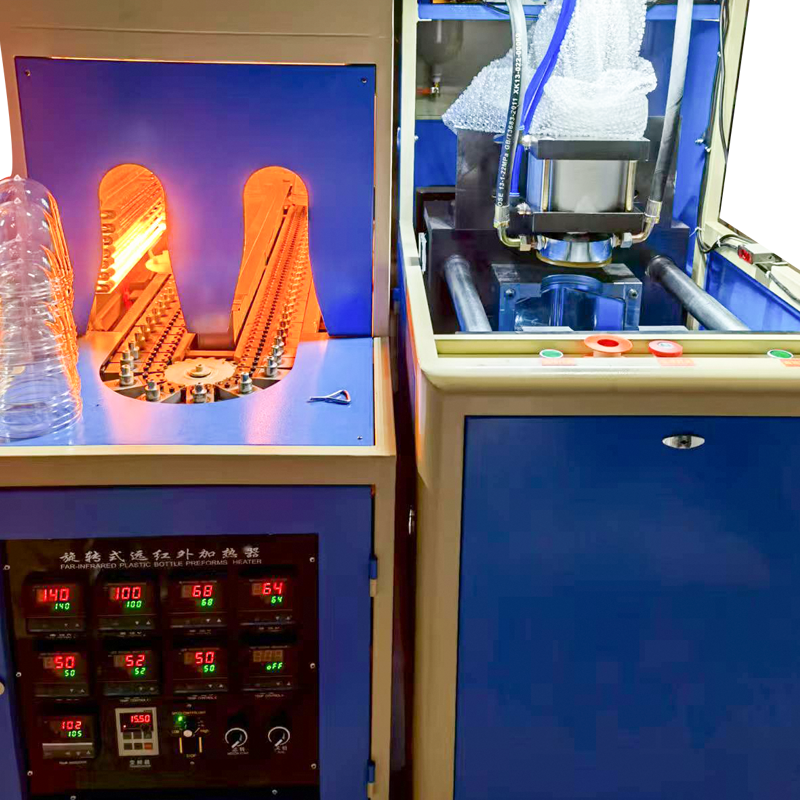
The Single Cavity Wide Mouth Bottle Semi-Automatic Bottle Blowing Machine is a specialized solution designed for manufacturing wid...
See Details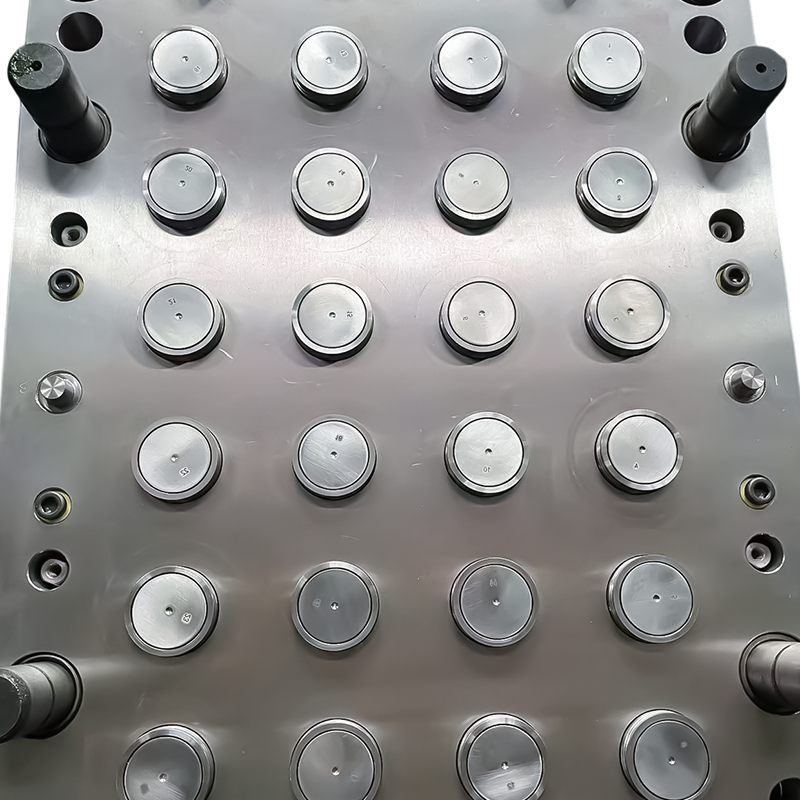
The Multiple Specifications High Precision Bottle Cap Mold is designed for manufacturers who require consistency, accuracy, and ve...
See Details


Contact Us