

 English
 Touchscreen Fully Automatic Bottle Blowing Machine
The Servo-driven lifting system is one of the standout features of this advanced bottle blowing machine. This system ensures fast,...
See Details
Introducing new staff to production lines involving a Semi Automatic Bottle Blowing Machine or a Mineral Water Bottle Blowing Machine can be challenging without a structured approach. Proper training helps operators understand machine operation, safety precautions, and basic troubleshooting, enabling smoother daily workflow and reducing errors during production. For businesses handling different bottle designs or production volumes, investing time in structured staff training can improve efficiency and reduce the frequency of interruptions.
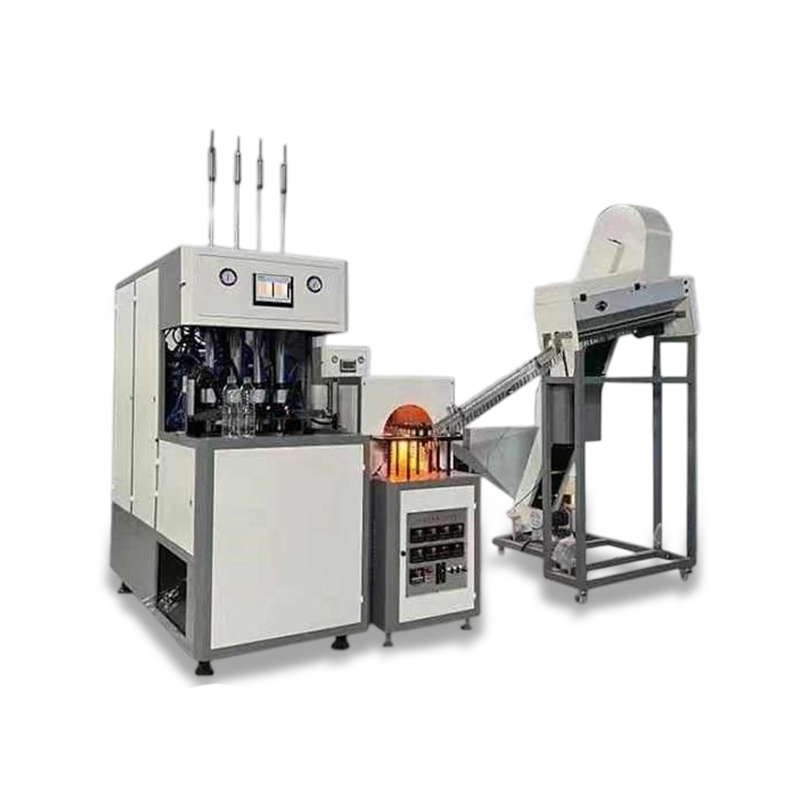
Operators should be introduced to preform loading areas, heating zones, air supply, and mold sections. Understanding the purpose of each part allows staff to follow operational procedures more confidently and reduces the risk of mistakes.
For mineral water bottle production, knowing where the preforms enter, how the air supply is regulated, and how the bottles are formed ensures that staff can monitor production and identify irregularities quickly. Trainers can also demonstrate how components interact during the entire production cycle, giving trainees a complete picture of the machine's function.
Hands-on demonstrations are effective in showing staff how the Semi Automatic Bottle Blowing Machine works. Trainers can walk through the steps of loading preforms, setting temperatures and pressures, and monitoring the blowing cycle. Observing the process helps operators associate the controls with the resulting bottle formation and understand timing requirements.
Repeating this demonstration several times in short sessions allows staff to grasp each step without feeling overwhelmed. Staff can also practice starting and stopping cycles, handling minor delays, and performing visual inspections of the bottles. By practicing under supervision, they gradually develop confidence to operate the machine independently while maintaining consistency in bottle output.
Safety is an important aspect of training. Staff should be aware of potential hazards, such as hot surfaces, pressurized air, and moving parts. Clear instructions on protective equipment, handling preforms, and responding to alerts or minor malfunctions help maintain a safe work environment.
During mineral water bottle production, careful handling ensures that bottles are formed correctly and that operators can avoid injuries. Including safety drills in the training process, such as emergency stops or safe handling of hot molds, helps trainees internalize safety steps and reduces risks during production.
Even for semi-automatic machines, operators may need to make small adjustments to maintain consistent output. Training should include how to fine-tune temperature, air pressure, and mold alignment within recommended ranges. Demonstrating common issues such as uneven walls, incomplete sealing, or cycle delays helps staff recognize and respond to problems early.
Providing step-by-step guidance on minor corrections ensures that operators can handle routine production variations without stopping the line, which is especially important during peak bottling periods. Trainees can also learn how to document recurring issues and communicate observations, supporting smoother collaboration with maintenance teams if adjustments become more complex.
Providing visual aids, charts, or checklists can accelerate learning. Staff can refer to these materials while operating the Semi Automatic Bottle Blowing Machine, reinforcing memory and reducing hesitation. For mineral water production, labeling machine parts or creating a step-by-step reference sheet for routine operation can shorten the learning curve and support consistent practices.
Including photographs or diagrams of correct bottle shapes, mold setups, and preform positioning can further help trainees understand expected outcomes. Quick reference guides ensure that operators can perform tasks correctly even after initial training sessions, supporting consistent quality and smooth operations.
Peer support and feedback help staff learn faster. Experienced operators can supervise new staff, provide guidance, and answer questions in real time. Regular feedback sessions help trainees understand what adjustments improve efficiency and what practices help maintain uniform bottle quality.
Encouraging team discussions about workflow challenges or sharing practical tips from daily operation reinforces learning. By combining observation, hands-on practice, safety awareness, and supportive guidance, staff can become familiar with the Semi Automatic Bottle Blowing Machine more quickly. Over time, this approach enables operators to handle daily production demands for mineral water bottles while maintaining steady workflow and attention to operational details.
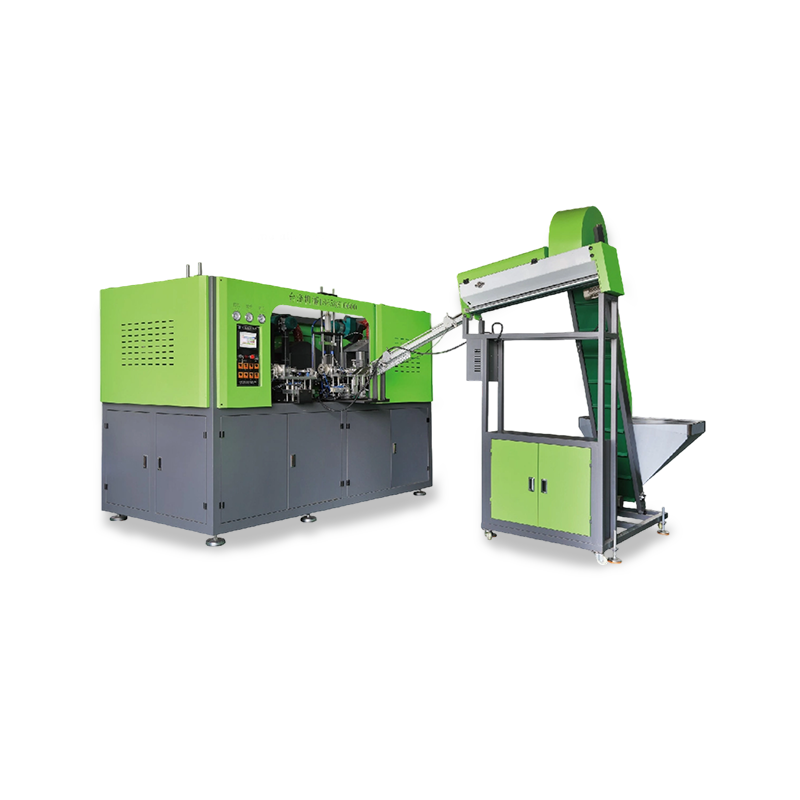
The Servo-driven lifting system is one of the standout features of this advanced bottle blowing machine. This system ensures fast,...
See Details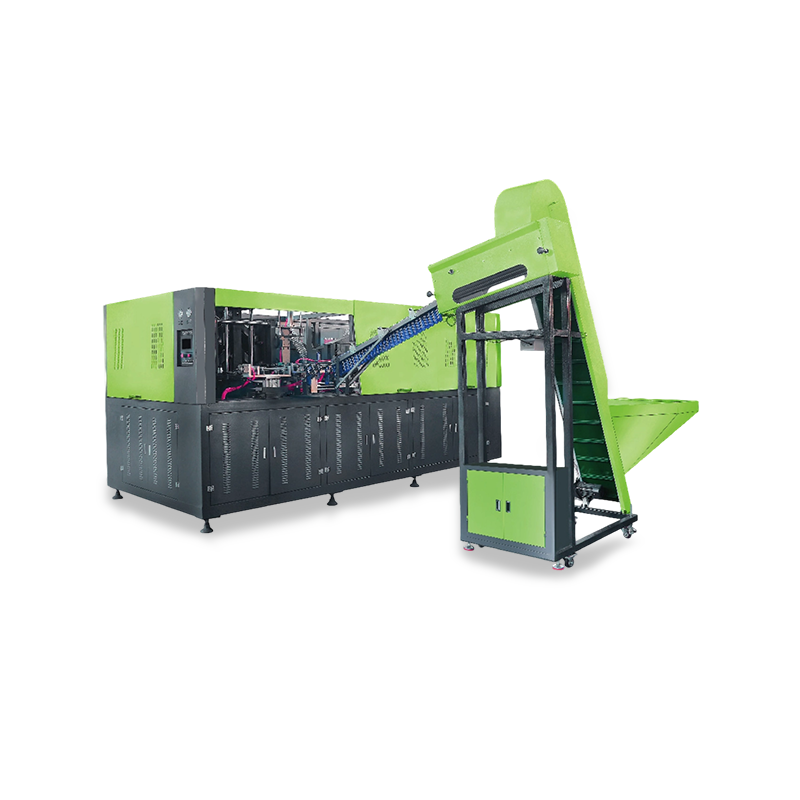
This PET-type bottle blowing machine is designed with advanced technology to meet the high-efficiency and high-precision requireme...
See Details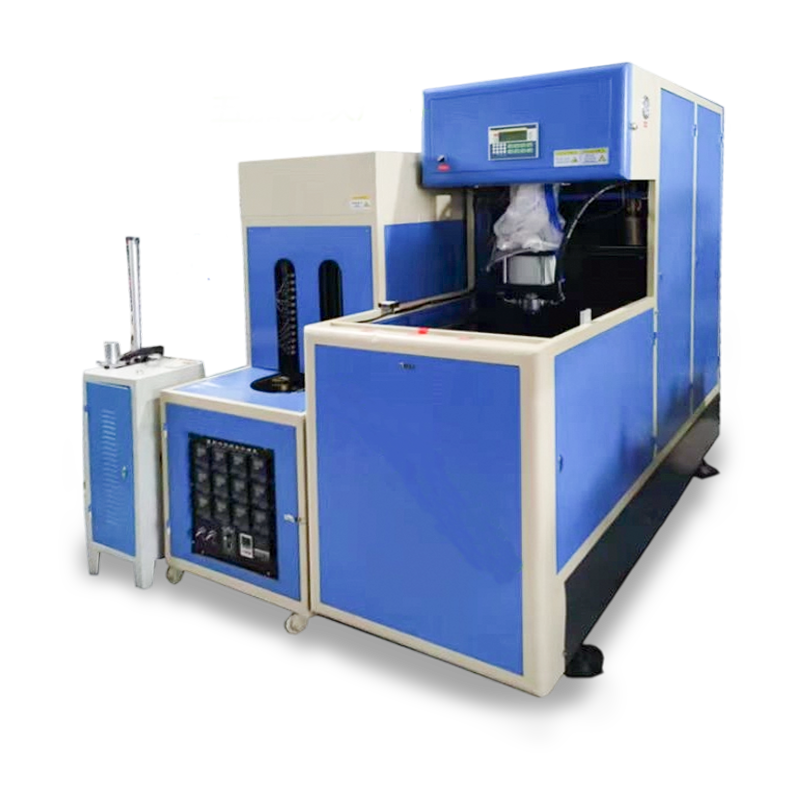
This bottle blowing equipment integrates cutting-edge automation and intelligent control technologies to meet the needs of modern ...
See Details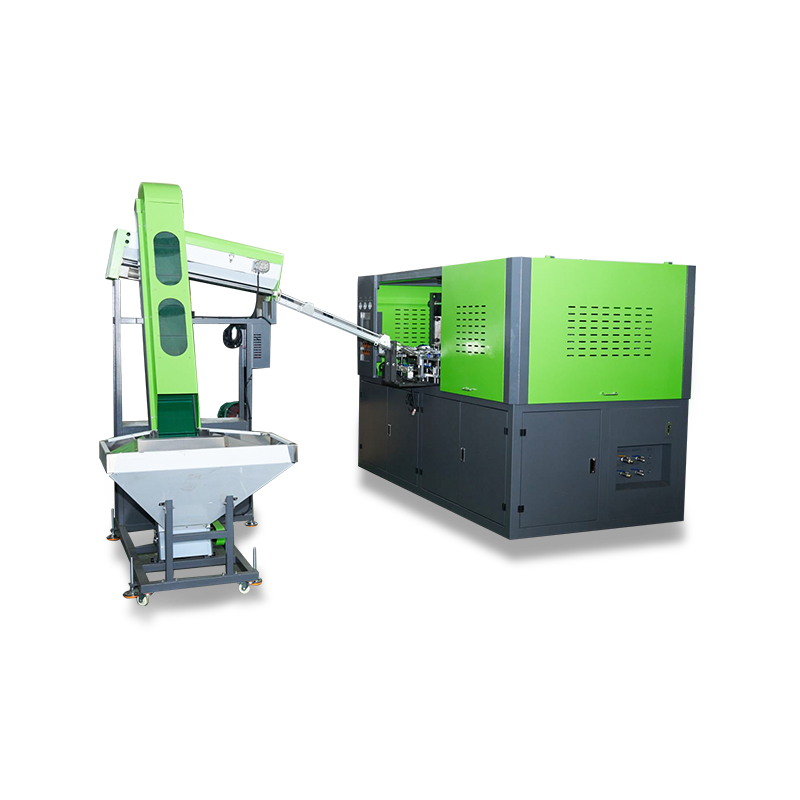
The 2-Cavity PET Preform Manufacturing Fully Automatic Bottle Blowing Machine is an efficient and intelligent solution for produci...
See Details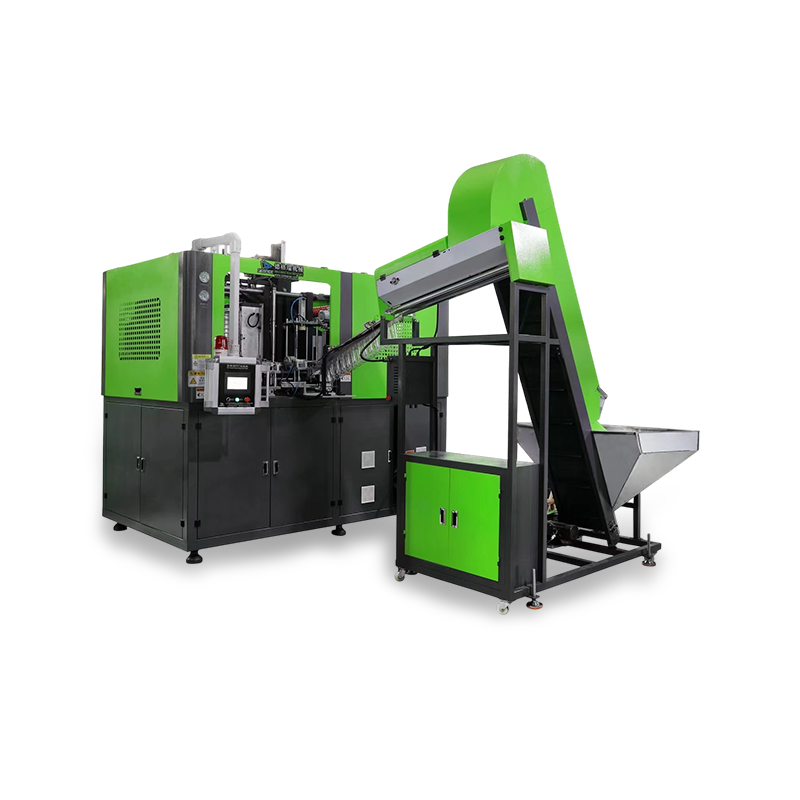
The 1 Cavity Produce 10L/15L/20L Bottles Fully Automatic Bottle Blowing Machine is a reliable and efficient solution for producing...
See Details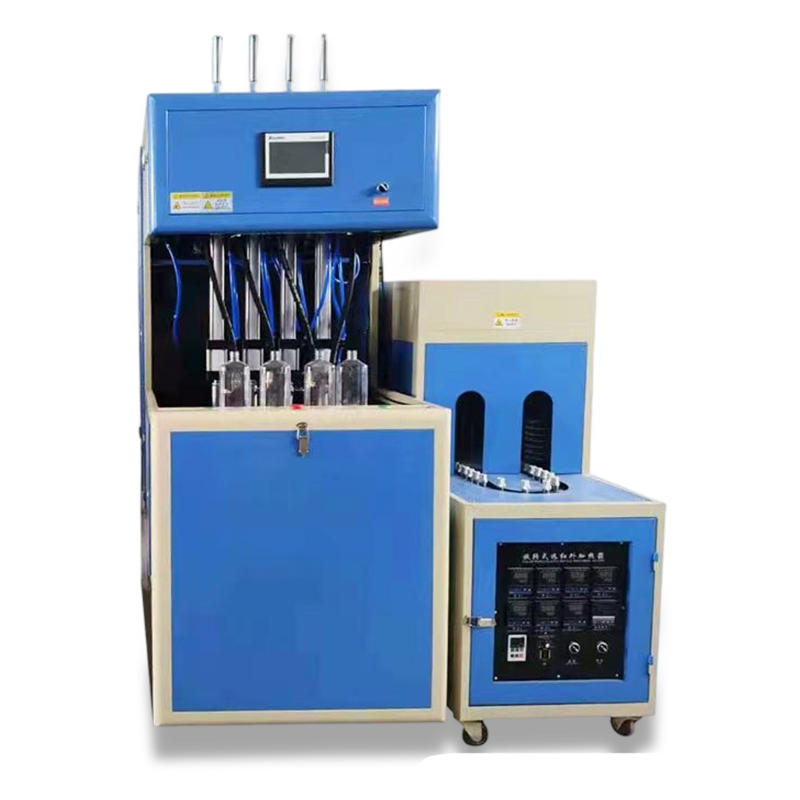
The 1L 4 Cavity Manual Vial Semi Automatic Bottle Blowing Machine is designed to offer practical and efficient bottle production f...
See Details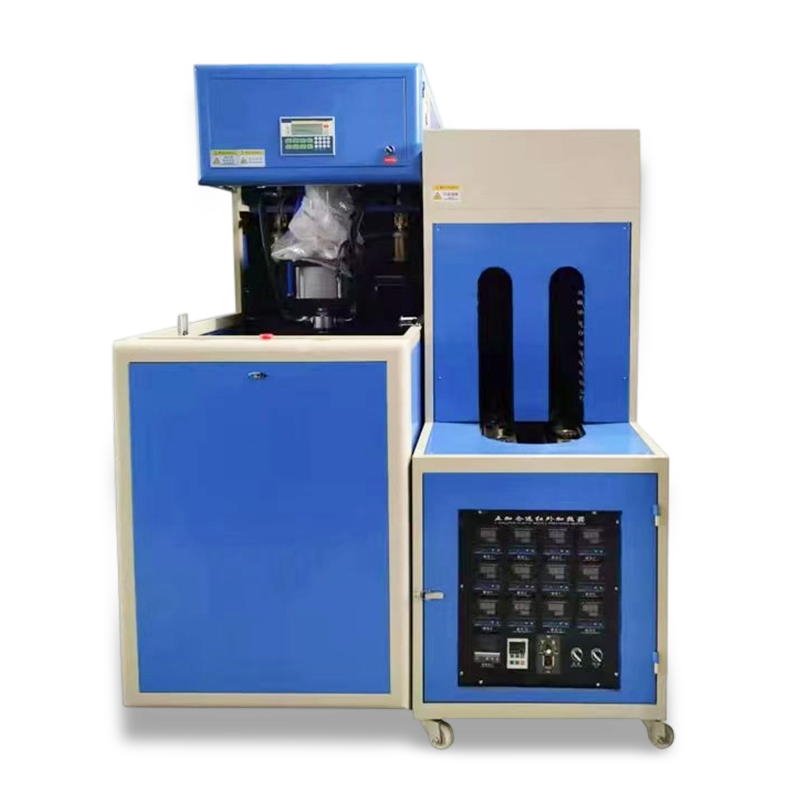
The 20L 3-5 Gallon Semi Automatic Bottle Blowing Machine for 5L-22L Bottles is specifically engineered for producing large-capacit...
See Details


Contact Us