

 English
 Cosmetic bottles Fully Automatic Bottle Blowing Machine
This bottle blowing machine is designed with precision engineering and modern automation technology, providing a reliable and effi...
See Details
In PET bottle manufacturing, achieving both speed and quality is never a simple task. At the heart of this challenge lies the preform mold, where every detail of its cooling system directly influences production results. With the industry pushing toward lighter bottles, shorter cycle times, and stable output, factories are turning more attention to advanced cooling designs as a way to enhance efficiency while maintaining product consistency.
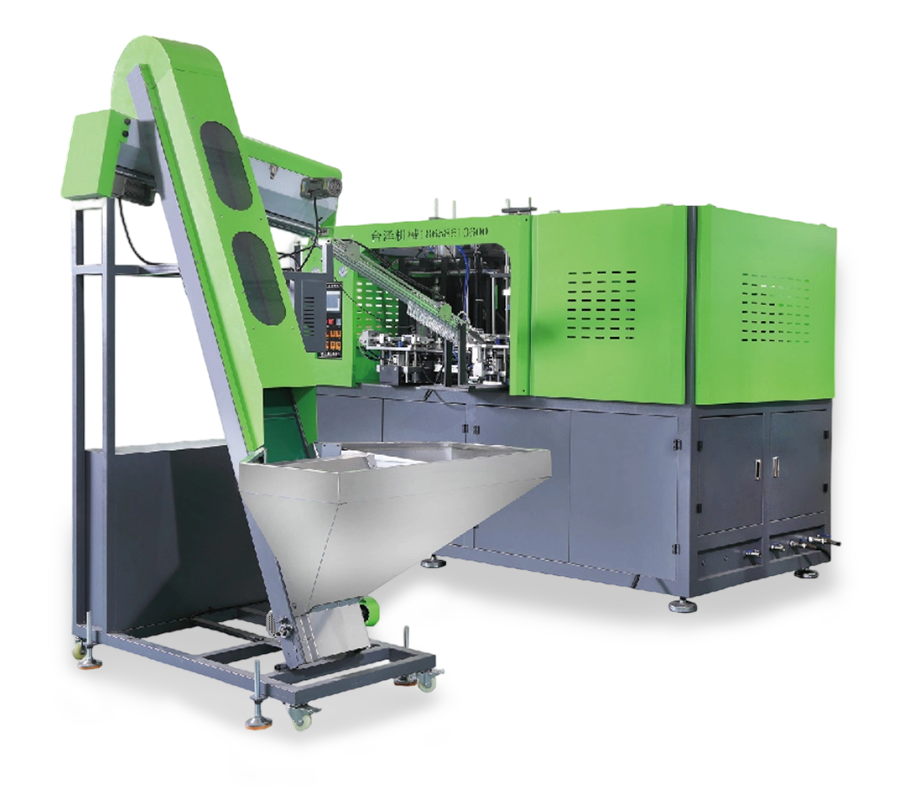
Cooling systems in preform molds are not simply about reducing temperature quickly. They are carefully engineered to ensure that the PET material solidifies evenly, avoiding common issues such as deformation, stress marks, or inconsistent wall thickness. By controlling temperature distribution inside the mold, manufacturers can achieve greater clarity, strength, and durability in the final product. This is particularly important when using a fully automatic pet bottle making machine, which requires every mold cavity to perform consistently during fast-paced production cycles.
Traditional cooling methods often used straight-line channels or less complex layouts, which sometimes left hot spots in the mold. These uneven areas slowed down production and created variation between preforms. Modern designs, however, focus on optimized water flow paths, ensuring that every section of the mold receives steady cooling. Some approaches even include conformal cooling, where channels are designed to follow the exact geometry of the mold. This allows heat to be removed more evenly, reducing cycle times without compromising quality.
Factories operating with equipment such as a 4 cavity pet blowing machine often notice the difference when innovative cooling systems are introduced. The ability to achieve consistent cooling across all four cavities means fewer rejects and smoother transitions between production batches. For small- to medium-scale operations, this translates directly into reduced waste and more predictable output.
The efficiency of a fully automatic pet bottle making machine also depends on the way the cooling system works with the heating and blowing stages. After preforms are molded and cooled, they move into the reheating section before being blown into bottles. If the preform cooling stage is uneven, the reheating stage may struggle to compensate, pilot to quality issues in the finished bottles. This is why forward-looking manufacturers pay close attention to mold cooling design as part of the entire production line, not as a separate step.
Energy efficiency is another factor driving interest in advanced cooling methods. Water flow that is properly balanced through precision channels uses less pumping power and keeps temperatures stable with less effort. In an industry where production often runs continuously, even small improvements in cooling efficiency can add up to significant energy savings over time. For companies investing in a 4 cavity pet blowing machine, the ability to manage cooling effectively supports both productivity and long-term operating costs.
Maintenance also becomes easier with modern cooling systems. Clearer flow paths and better channel designs reduce the risk of scale buildup or clogging, which can interrupt production. Easy-to-clean cooling lines mean less downtime and fewer disruptions. For operators of a fully automatic pet bottle making machine, this reliability is essential, as any delay in the cooling system could advance to production stoppages.
Another aspect to consider is sustainability. With increasing attention on resource use, cooling systems that recycle water or require less water flow help reduce overall consumption. When combined with energy-saving production machines, such as the 4 cavity pet blowing machine, these systems contribute to a more sustainable bottle manufacturing process.
Looking ahead, digital monitoring and smart control are expected to enhance the way cooling systems function. Real-time sensors can track mold temperature and adjust water flow automatically, ensuring consistent performance without the need for manual intervention. When paired with a fully automatic pet bottle making machine, this kind of smart cooling brings higher precision to the entire process.
In conclusion, innovative cooling systems for preform molds are transforming the way PET bottles are produced. By offering greater consistency, reducing cycle times, and improving energy efficiency, these systems are helping manufacturers stay competitive in a demanding industry. Whether in large-scale plants or smaller operations using a 4 cavity pet blowing machine, advanced cooling technology ensures that every bottle meets expectations while keeping production reliable and sustainable. The integration of smart design, efficient energy use, and better maintenance practices shows that cooling systems are more than just an accessory—they are an essential part of modern PET bottle manufacturing.
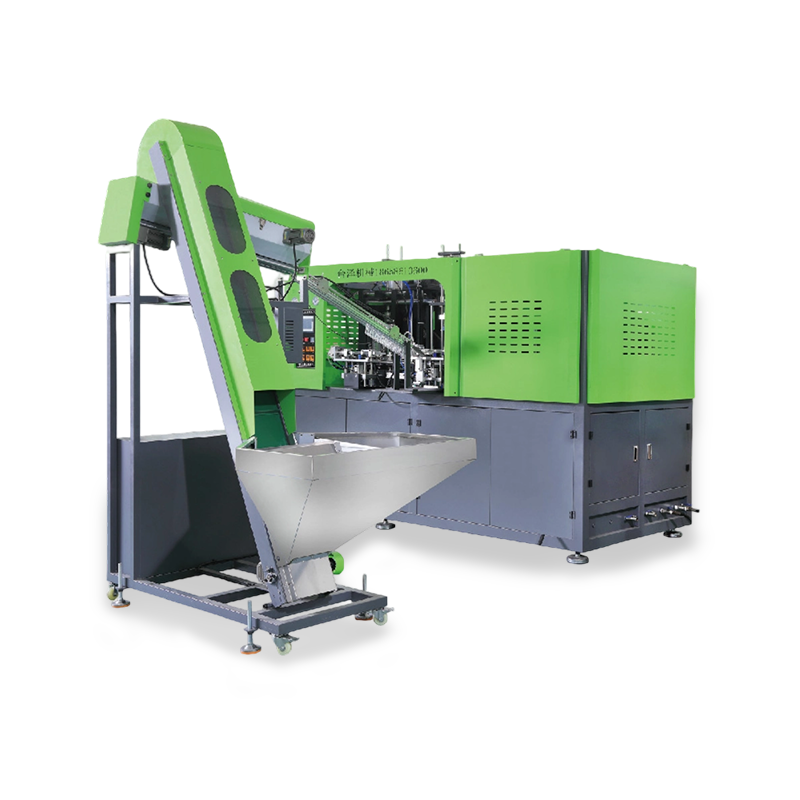
This bottle blowing machine is designed with precision engineering and modern automation technology, providing a reliable and effi...
See Details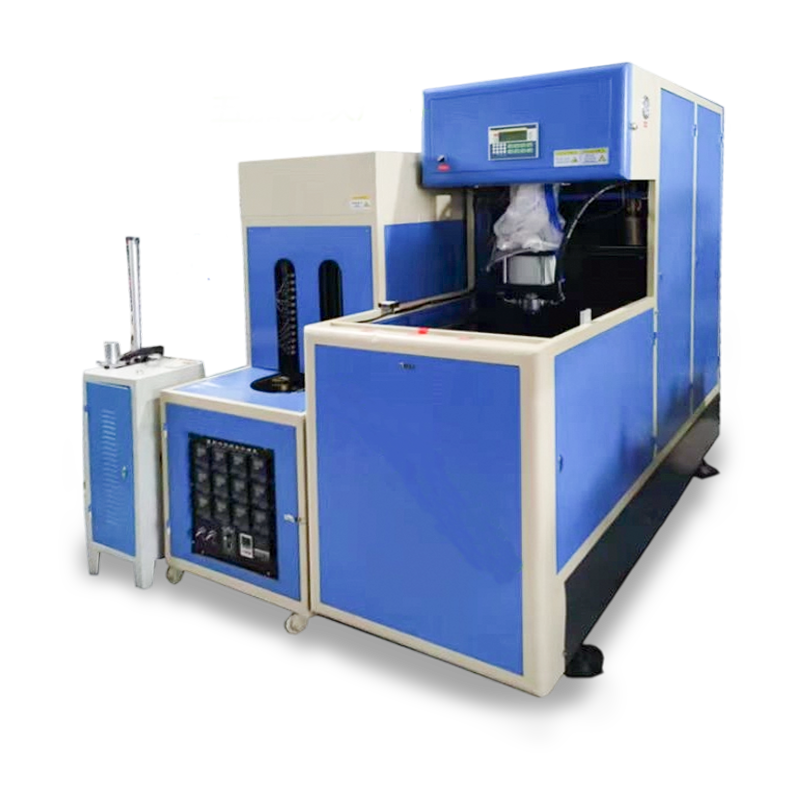
This bottle blowing equipment integrates cutting-edge automation and intelligent control technologies to meet the needs of modern ...
See Details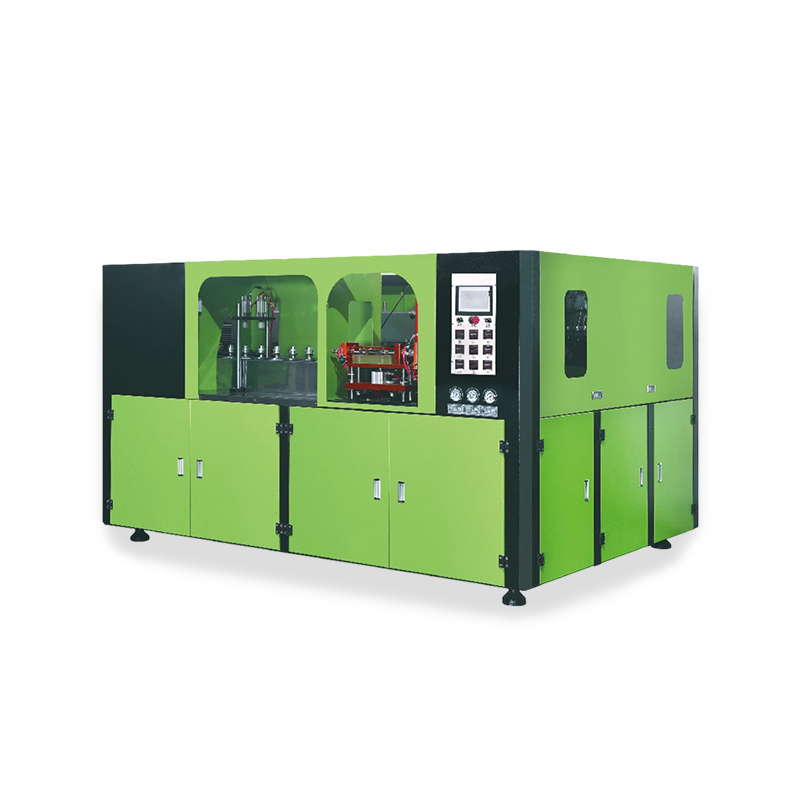
The 2-Cavity Fully Automatic Bottle Blowing Machine for Wide-Mouth Bottle Production is designed to meet the specific needs of man...
See Details
The 1-Chamber Large Capacity Tank Fully Automatic Bottle Blowing Machine is engineered to meet the needs of industrial-scale produ...
See Details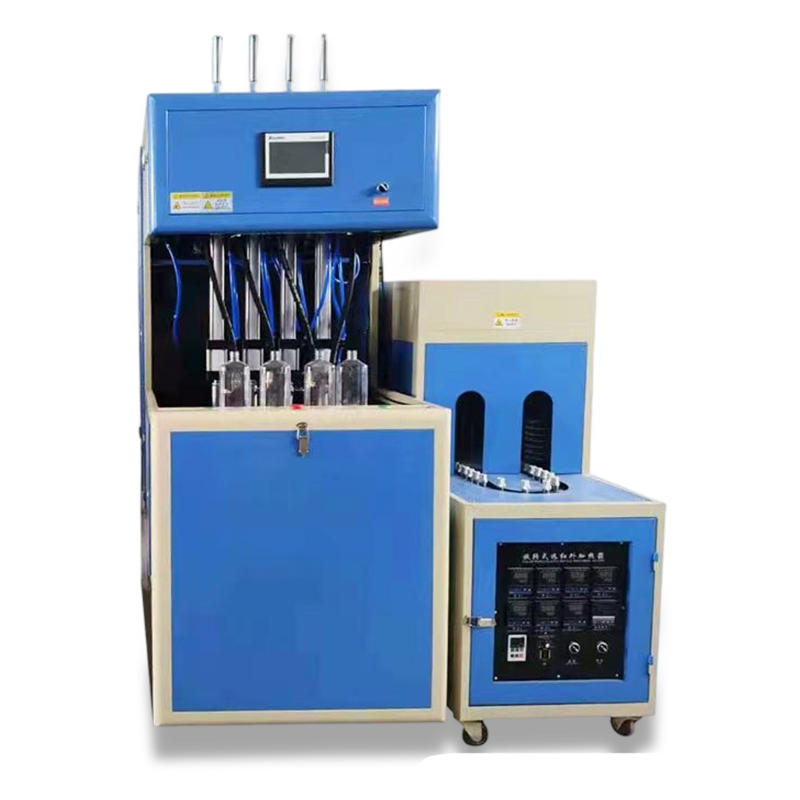
The 1L 4 Cavity Manual Vial Semi Automatic Bottle Blowing Machine is designed to offer practical and efficient bottle production f...
See Details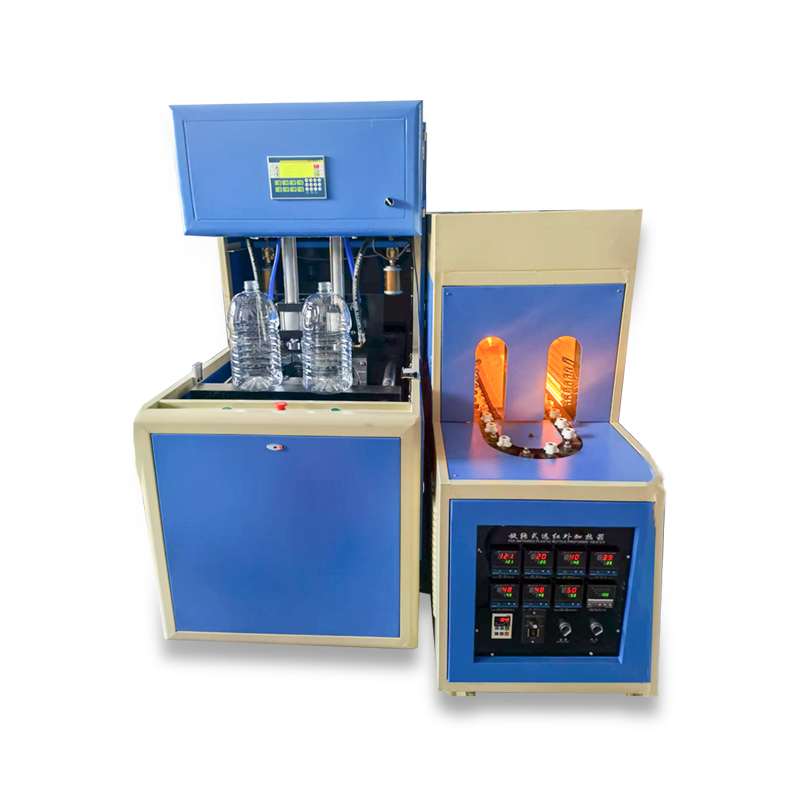
The 5L Manual Extrusion Semi-Automatic Bottle Blowing Machine is specifically designed for producing medium-capacity plastic conta...
See Details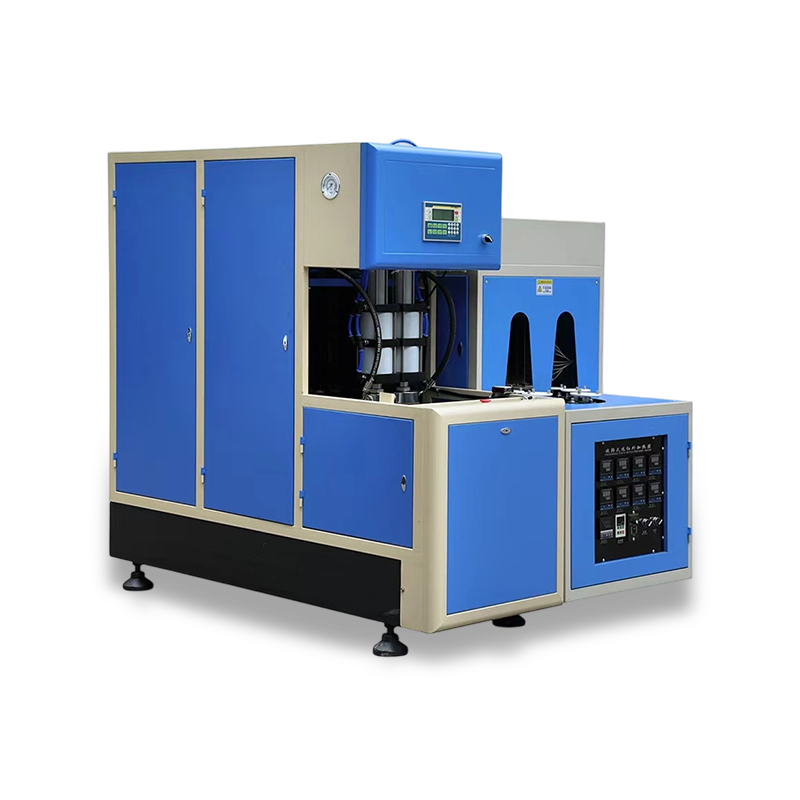
The 2-Cavity Wide-Mouth Bottle Semi-Automatic Bottle Blowing Machine is designed for medium-scale production lines that require ef...
See Details


Contact Us