

 English
 Touchscreen Fully Automatic Bottle Blowing Machine
The Servo-driven lifting system is one of the standout features of this advanced bottle blowing machine. This system ensures fast,...
See Details
The production of preform molds plays a decisive role in the efficiency and reliability of the bottle manufacturing process. Every bottle, whether it is designed for beverages, household products, or cosmetics, begins with a preform created in a mold. The durability of these molds determines not only the quality of the final bottle but also the stability of the entire production line. Selecting the right materials for preform mold manufacturing is therefore essential, as it directly influences wear resistance, cooling efficiency, and long-term production costs.
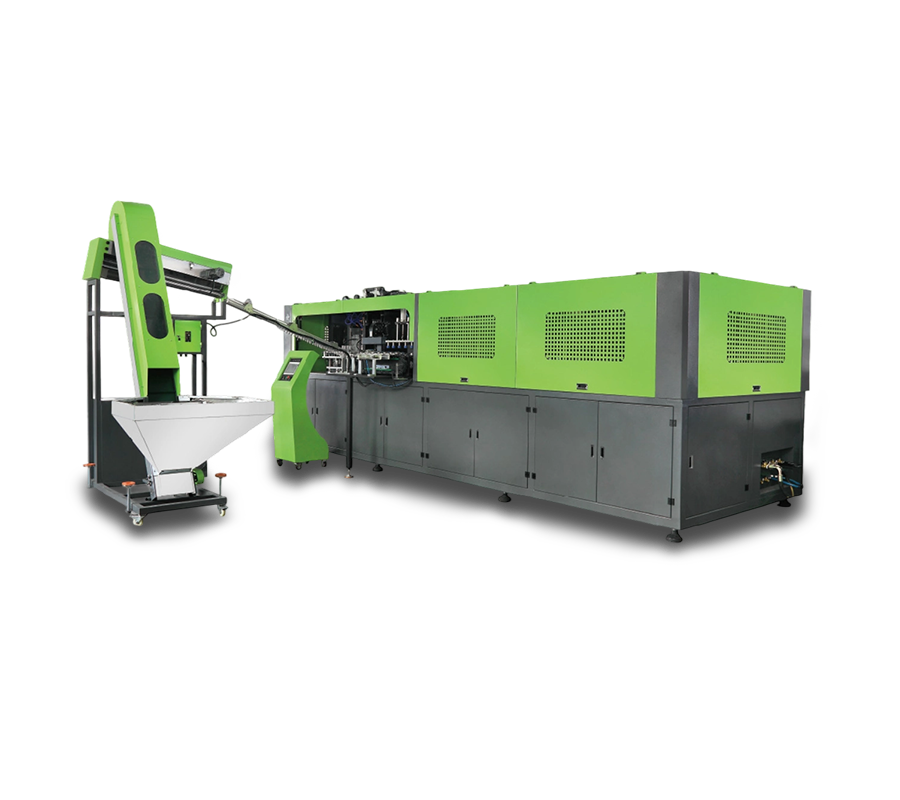
Durability is one of the considerations when engineers evaluate materials for mold construction. Preform molds undergo continuous stress due to high temperature cycles, mechanical pressure, and repeated contact with resin materials. Over time, these conditions can cause surface wear, deformation, or corrosion if the mold material does not meet the required standards. To prevent downtime and ensure consistent output, manufacturers carefully examine factors such as hardness, thermal conductivity, and corrosion resistance when selecting materials.
In many production environments, molds must work seamlessly with automated systems such as the PET bottle automatic machine. This type of equipment requires molds that can endure high cycle speeds without losing accuracy. For example, a mold cavity that suffers even slight deformation can advance to uneven preforms, which then create challenges during the blowing process. To maintain consistent product quality, mold steel with high dimensional stability and resistance to thermal fatigue is often chosen. Stainless steels with special heat treatment or high-grade tool steels are frequently used because they provide the balance between toughness and machinability that the production line requires.
Thermal performance is another key aspect of material selection. Preform molds rely on efficient cooling channels to reduce cycle time. Without proper thermal conductivity, molds may retain too much heat, which slows down production and increases energy consumption. The 6-cavity PET blowing machine in particular benefits from molds that transfer heat effectively, as faster cooling allows each cycle to produce consistent preforms. By choosing materials with reliable thermal properties, manufacturers can keep cycle times short and improve the overall energy efficiency of the operation.
Corrosion resistance is also an important factor. Preform molds are often exposed to moisture, additives in plastics, or cleaning chemicals. If the material corrodes easily, it can shorten the mold's service life and affect the surface finish of the preforms. Using materials with anti-corrosive properties or applying protective coatings ensures that molds maintain their performance over long production runs. For companies relying on a PET bottle automatic machine, this resistance to wear and corrosion helps reduce maintenance costs and unplanned downtime, which ultimately supports smoother operations.
The relationship between molds and downstream processes such as blowing is equally critical. When the preform is transferred to a 6-cavity PET blowing machine, even minor imperfections in the mold can affect bottle strength, clarity, and uniformity. High-quality materials ensure the preform dimensions remain accurate, making the blowing stage more efficient and reducing waste. This is especially valuable in facilities where the PET bottle automatic machine works continuously to meet high production demands. The right material choice translates into fewer interruptions, consistent preform quality, and stable bottle shaping during the blowing phase.
Modern mold materials are also designed to be easier to machine and polish, which benefits surface quality. Smooth cavity surfaces reduce friction during preform ejection and improve transparency of the final bottles. In the case of the 6-cavity PET blowing machine, uniform preforms ensure that each cavity produces bottles of equal quality, avoiding variations that might otherwise disrupt packaging operations.
As the packaging industry moves toward higher efficiency and sustainability, material innovation will continue to play a role in mold development. Manufacturers are exploring materials that not only provide durability but also support lower energy consumption and reduced maintenance. For instance, some advanced alloys allow better cooling and less wear, extending the life of molds used with the PET bottle automatic machine. These developments reflect the ongoing effort to align material science with the practical needs of high-speed production lines.
Durable materials ensure that molds can withstand thermal stress, mechanical pressure, and chemical exposure while maintaining precision over thousands of cycles. This durability is particularly important when molds are paired with a 6-cavity PET blowing machine or integrated into a PET bottle automatic machine, where efficiency and accuracy must be sustained. With thoughtful material choices, manufacturers can achieve consistent quality, reduce downtime, and support the long-term reliability of their bottle production systems.
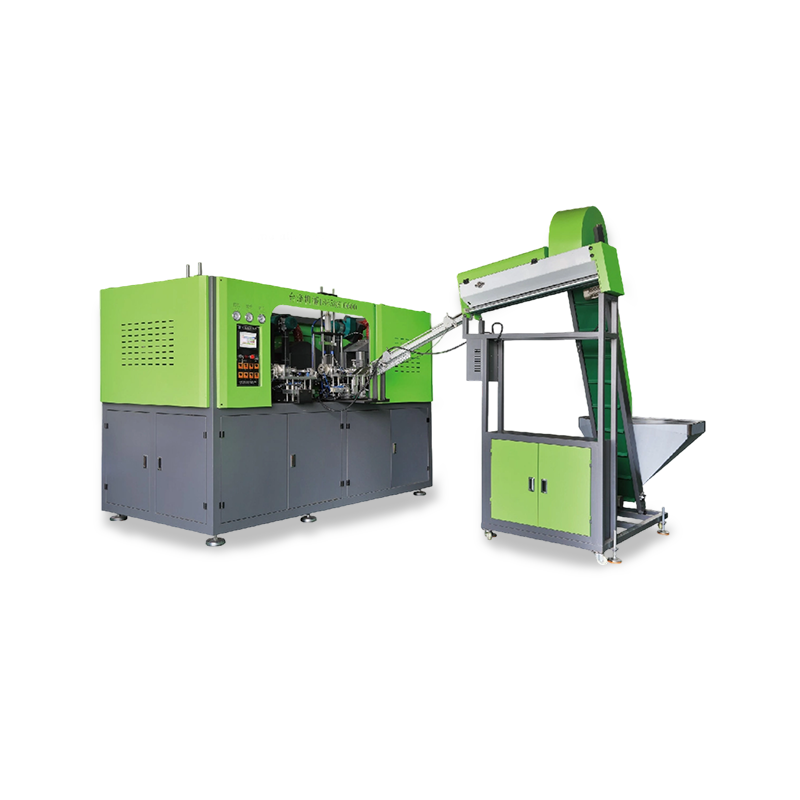
The Servo-driven lifting system is one of the standout features of this advanced bottle blowing machine. This system ensures fast,...
See Details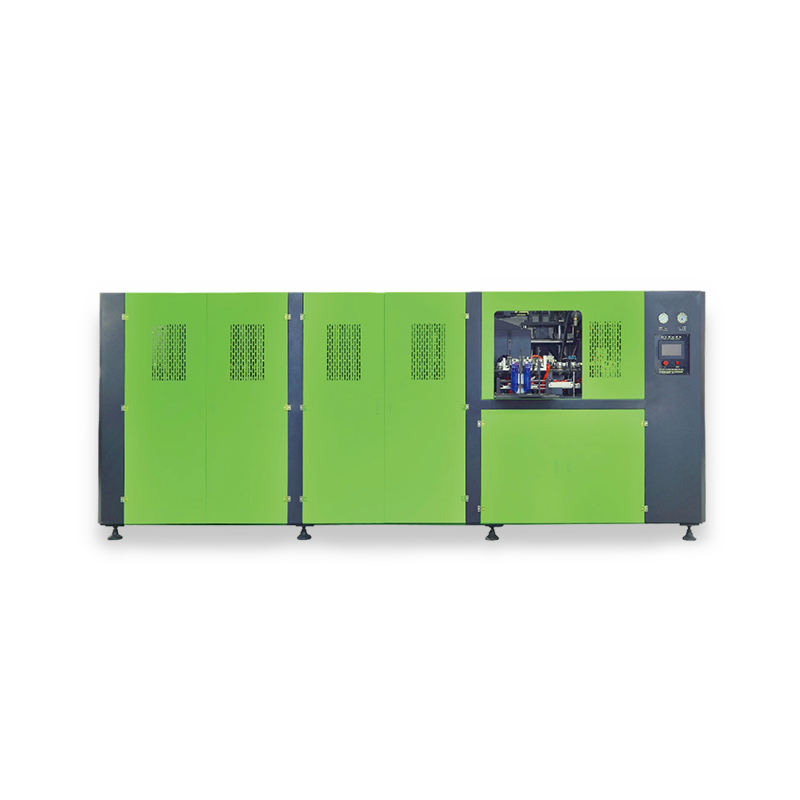
This PET bottle blowing machine is designed to meet the demands of modern bottle manufacturing with high automation, reliability, ...
See Details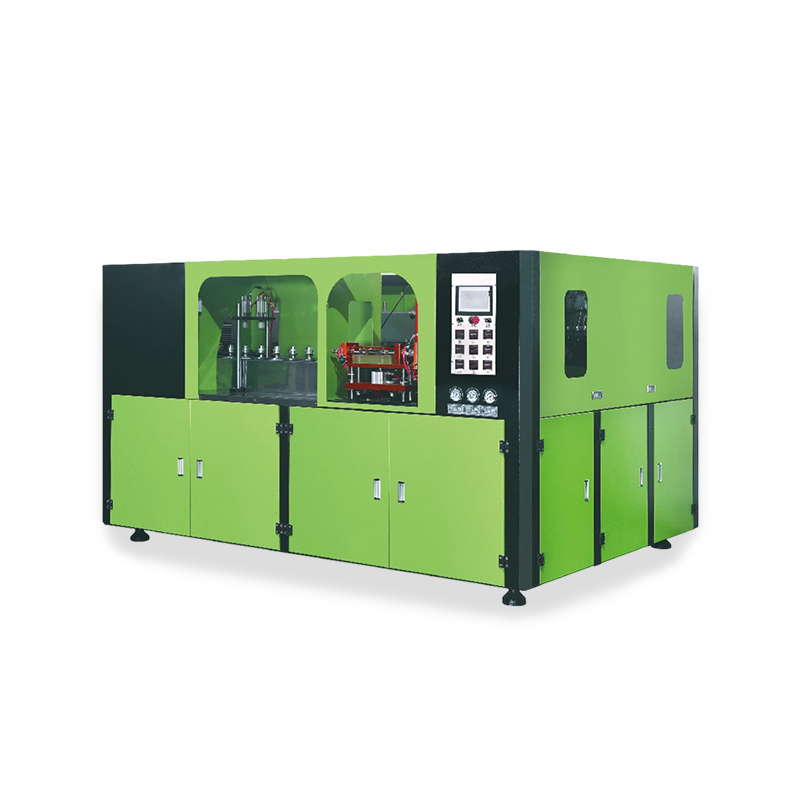
The fully automatic bottle blowing machine is designed with an emphasis on stability, efficiency, and precision. Its structure int...
See Details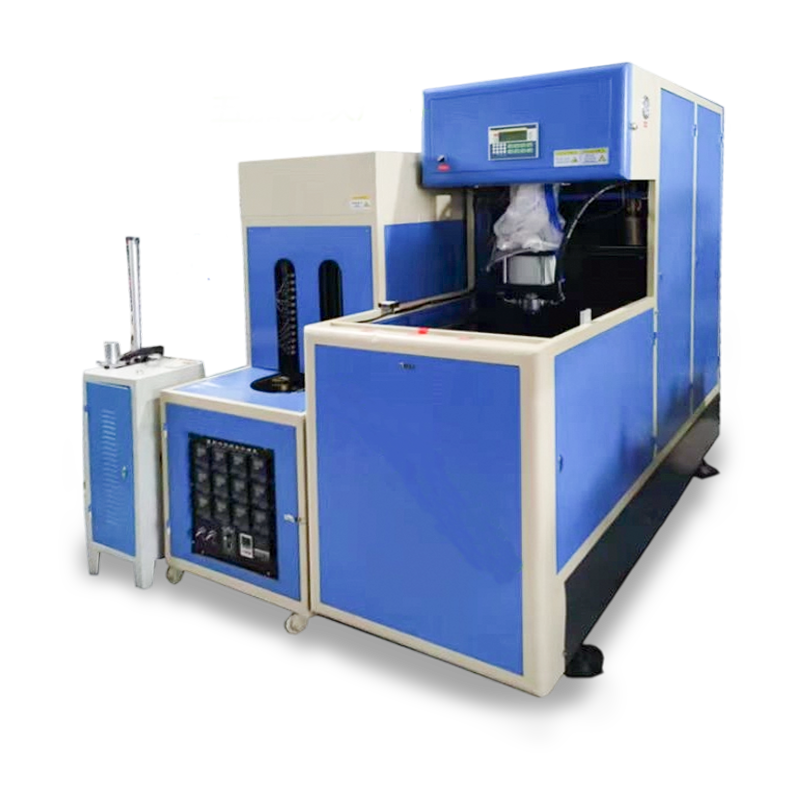
This bottle blowing equipment integrates cutting-edge automation and intelligent control technologies to meet the needs of modern ...
See Details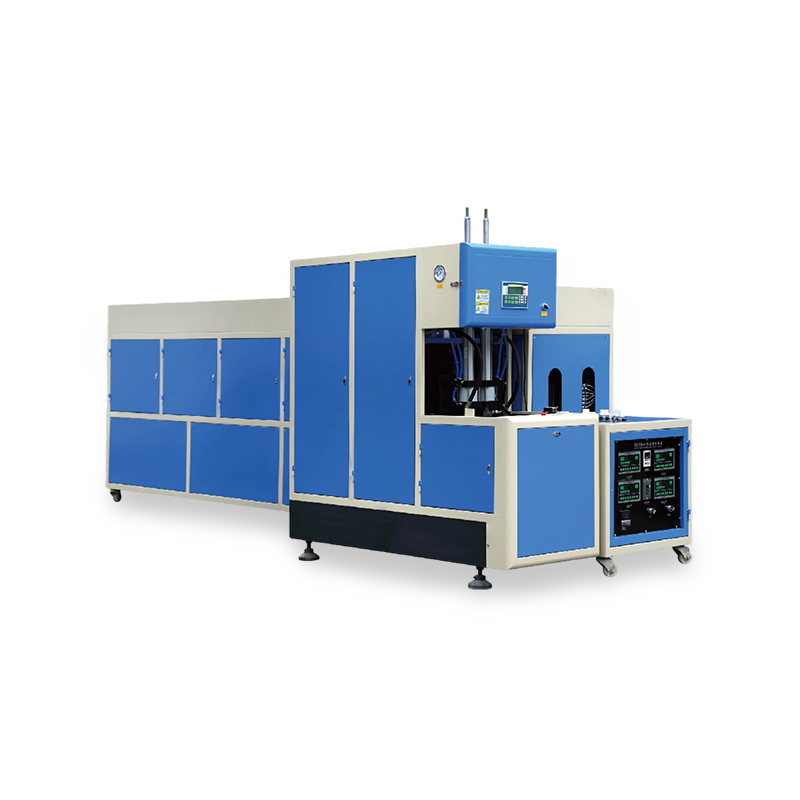
The fully automatic bottle blowing machine is engineered to deliver high efficiency and precision in plastic container production....
See Details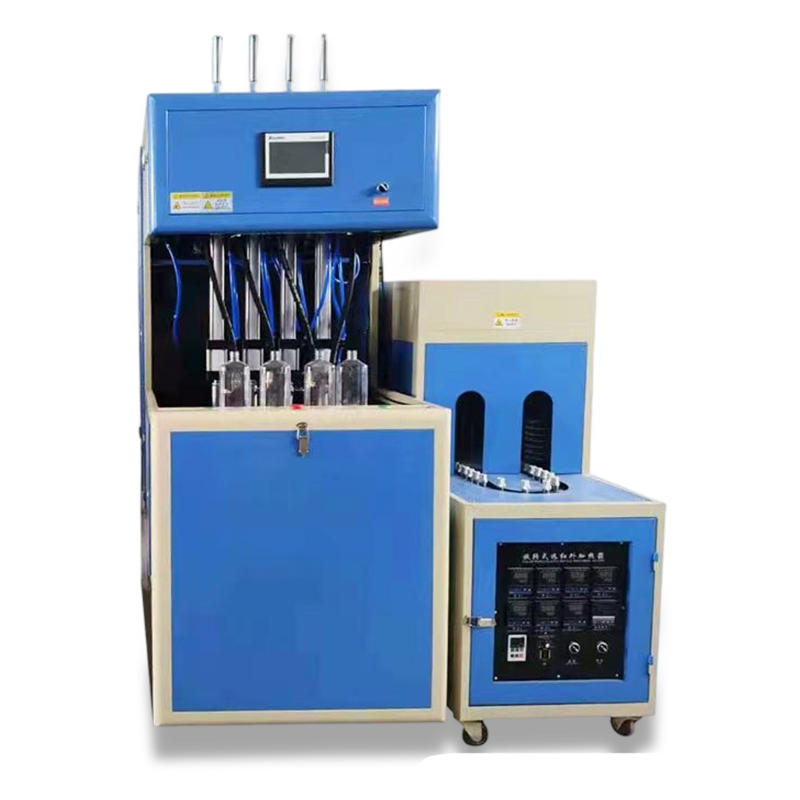
The 1L 4 Cavity Manual Vial Semi Automatic Bottle Blowing Machine is designed to offer practical and efficient bottle production f...
See Details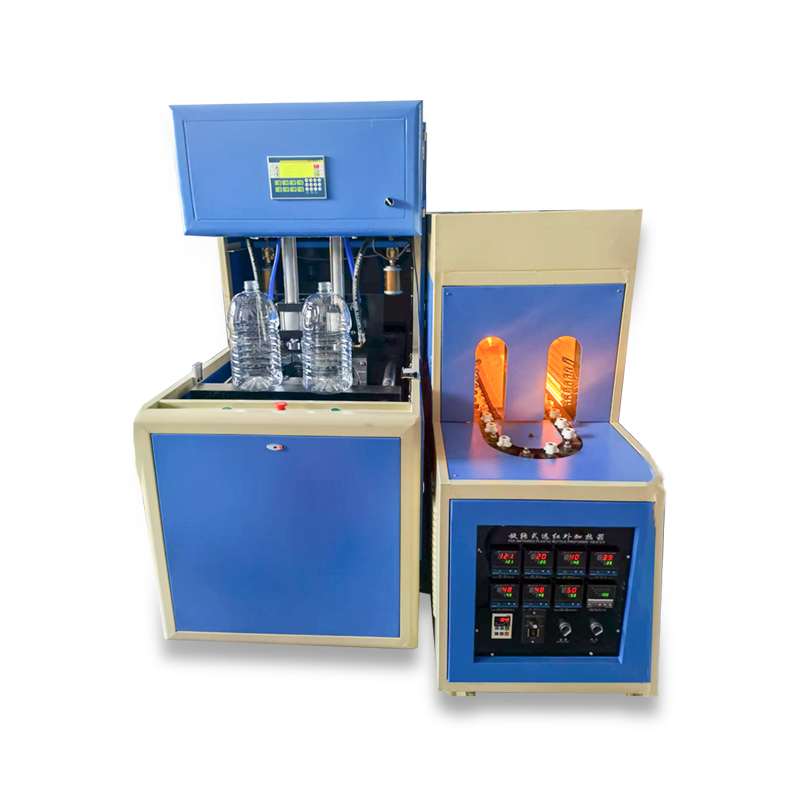
The 5L Manual Extrusion Semi-Automatic Bottle Blowing Machine is specifically designed for producing medium-capacity plastic conta...
See Details


Contact Us