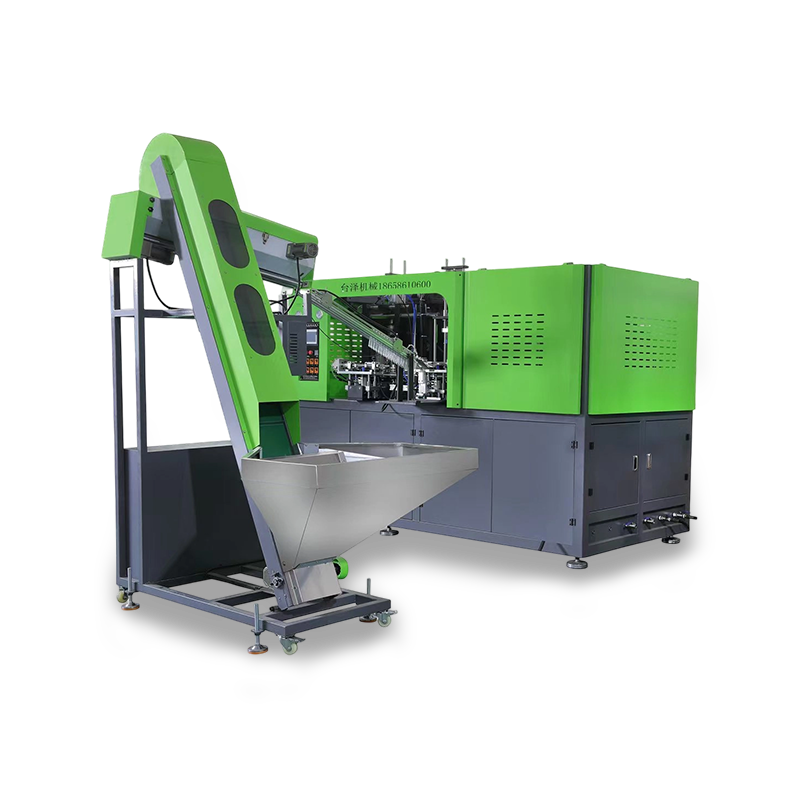
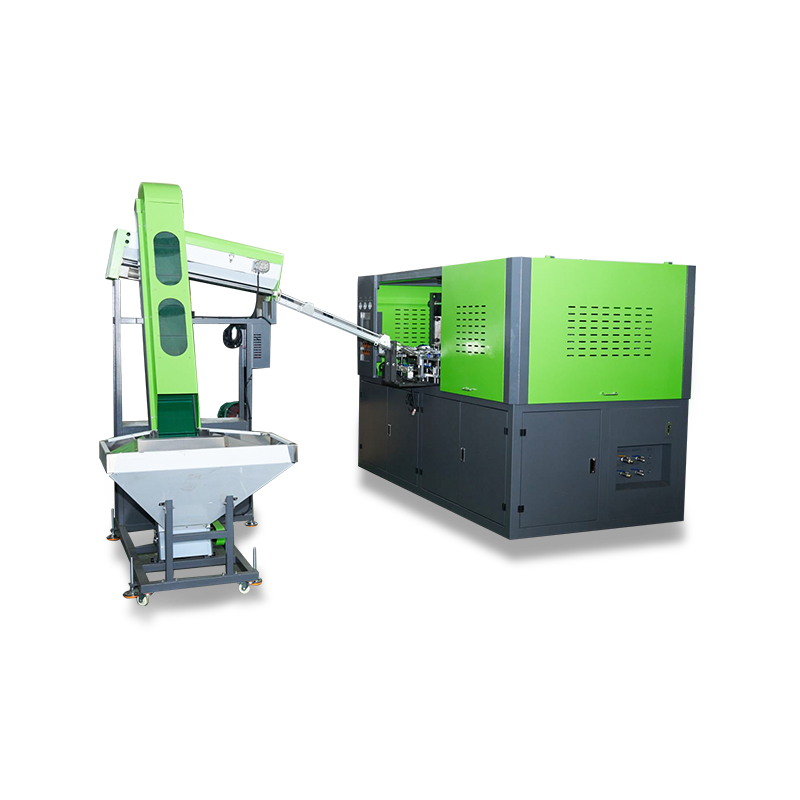
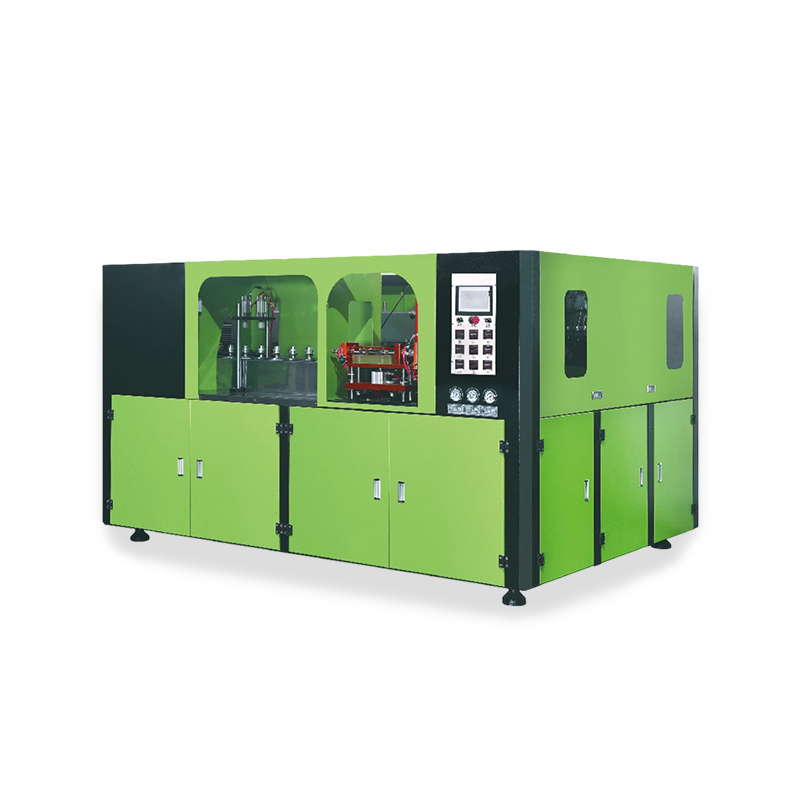
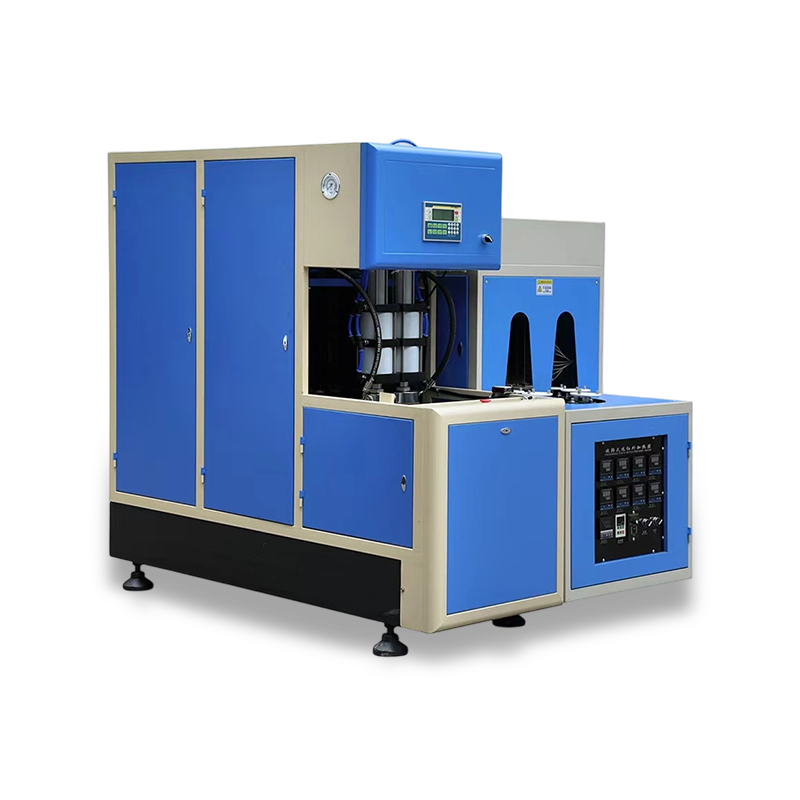
Modern mold designs take into account various factors that influence the weight and consistency of bottle preforms. Advanced cooling channels allow heat to be removed evenly, reducing cycle times and stress points that could affect the final product. Additionally, multi-cavity molds allow manufacturers to produce multiple preforms simultaneously, maintaining uniformity and reducing overall production costs. When paired with machinery such as a semi-auto molding machine, these molds can operate efficiently in small- to medium-sized production environments, offering flexibility and consistent output.
In the context of lightweight preform production, the choice of materials also plays a significant role. High-quality PET resins that offer improved strength-to-weight ratios are commonly used, allowing for thinner walls without compromising durability. The mold's design ensures proper flow and cooling, which is essential when working with these materials. Using a PP blown film machine in the same production line can complement the preform process by creating films or layers for specialized packaging, enhancing the versatility of the manufacturing setup. This combination allows manufacturers to address diverse packaging needs while maintaining a focus on efficiency and material savings.
Precision in mold construction also affects the performance of semi-auto molding machines. These machines rely on consistent mold dimensions to produce uniform preforms, and any variation can advance to defects or uneven wall thickness. Through careful mold calibration and regular maintenance, manufacturers can achieve reliable results, even when producing lightweight preforms. Additionally, integrating a PP blown film machine into the production process can support downstream operations, providing films for wrapping, sealing, or additional packaging layers. This integration helps streamline operations and supports a more cohesive production workflow.
Another important aspect of mold innovation is the adaptability to changing production requirements. Lightweight preforms may vary depending on bottle size, shape, or intended use. Flexible mold designs can accommodate these variations without requiring entirely new molds for each specification. When paired with semi-auto molding machines, these molds allow production lines to adjust quickly, reducing downtime and improving overall efficiency. Similarly, a PP blown film machine can be adjusted to produce different film thicknesses or widths, supporting diverse packaging applications alongside preform production. This adaptability ensures that manufacturers can respond to market demands while maintaining consistent product quality.
Sustainability is increasingly a priority in the beverage and packaging industries. Reducing the weight of bottle preforms helps lower material consumption and energy usage during both production and transportation. Mold innovations that facilitate lightweight production also contribute to these sustainability goals. Semi-auto molding machines play a key role in implementing these designs effectively, providing reliable operation and consistent preform quality. At the same time, PP blown film machines can produce films using recycled or eco-friendly materials, complementing the overall effort to create a more sustainable packaging solution.
The combination of advanced molds, semi-auto molding machines, and PP blown film machines enables manufacturers to produce preforms that are lighter, strong, and consistent, while also supporting flexible production and sustainability goals. By focusing on these aspects, bottle manufacturers can improve operational efficiency, reduce costs, and meet evolving market expectations for packaging solutions.



 English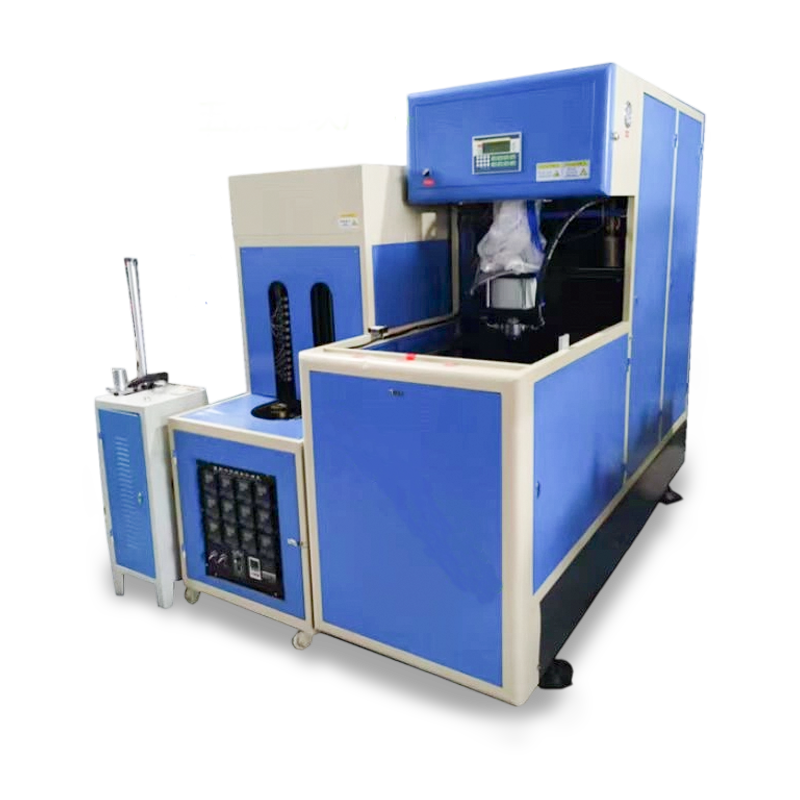



Contact Us