

 English
 Five Gallons Semi Automatic Bottle Blowing Machine
This bottle blowing equipment integrates cutting-edge automation and intelligent control technologies to meet the needs of modern ...
See Details
Ensuring smooth coordination between blow molding machines and preform molds has become a key aspect of modern bottle production. Synchronization between the equipment not only affects production efficiency but also influences the quality of the final bottles. Manufacturers increasingly focus on coordinating processes to achieve consistent output, reduce defects, and maintain stable production cycles. This approach is particularly relevant for operations that rely on a PP blow moulding machine, where precise timing between preform heating and bottle formation plays a crucial role.
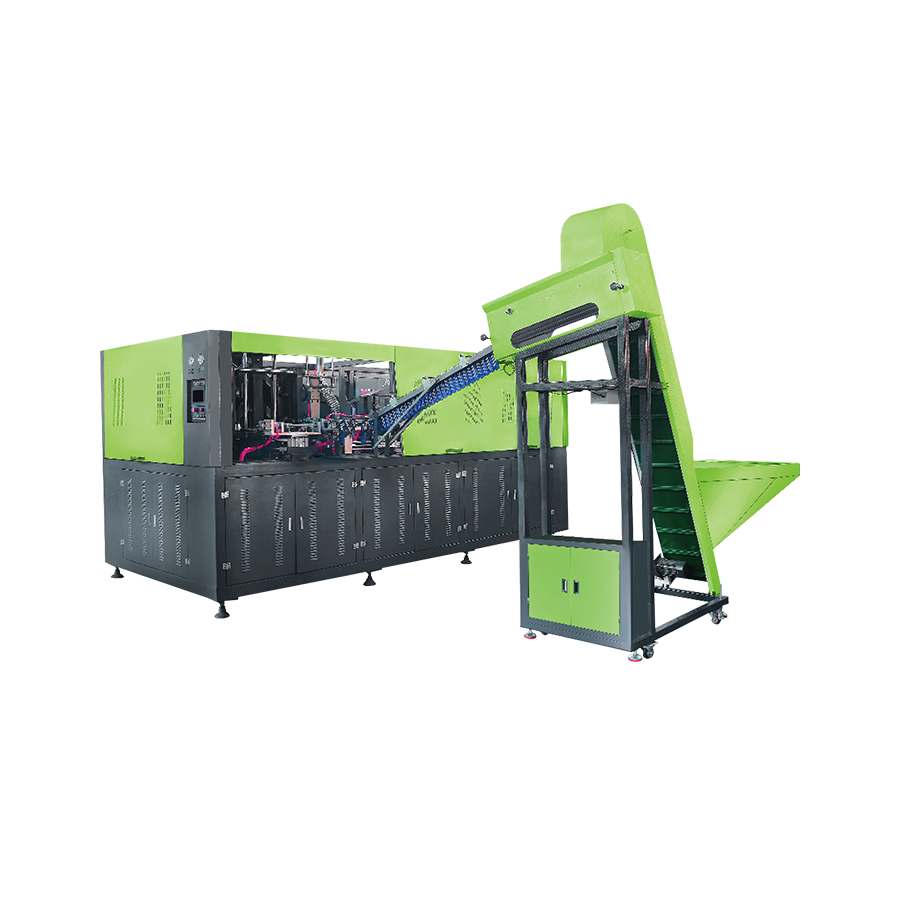
One of the key benefits of synchronizing a PP blow moulding machine with preform molds is the reduction of cycle time variation. When preforms are consistently fed into the blow molding process, the semi auto bottle blower can operate at a steady rhythm. This consistency helps avoid over-stressing the machinery and prevents the uneven heating or stretching of preforms. In facilities that produce large quantities of bottles, even minor timing issues can result in significant material waste, which makes proper synchronization a priority.
The role of the semi auto bottle blower in this synchronization process is also noteworthy. By controlling the inflation pressure and timing, the machine ensures that preforms are expanded to the intended bottle shape without compromising structural integrity. Operators often monitor the interaction between the preform mold and the blow molding equipment to identify and correct misalignments. A PP blow moulding machine designed for smooth integration with preform molds can simplify this monitoring process and reduce the frequency of manual adjustments.
Another aspect to consider is energy efficiency. A PP blow moulding machine that is properly synchronized with preform molds consumes less energy because it avoids unnecessary idling or repeated cycles. When the semi auto bottle blower and the preform feeder work in tandem, the system operates more smoothly, which can advance to lower energy costs and reduced wear on mechanical components. This efficiency is particularly valuable for medium-sized production lines, where energy consumption and machine maintenance are significant operational concerns.
Customization of equipment is often necessary to achieve effective synchronization. Different preform designs, material types, and bottle shapes may require adjustments to both the PP blow moulding machine and the semi auto bottle blower. Some manufacturers invest in programmable control systems that allow operators to fine-tune the timing of preform insertion, heating duration, and blowing pressure. These adjustments help maintain uniform wall thickness, consistent bottle dimensions, and reliable sealing surfaces.
Quality control benefits from synchronization as well. When the semi auto bottle blower receives preforms at a consistent rate, the bottles it produces tend to exhibit fewer defects, such as uneven walls, warping, or incomplete sealing. Similarly, a well-synchronized PP blow moulding machine helps reduce scrap rates and ensures that production meets customer specifications. By maintaining a predictable workflow, operators can focus on monitoring output quality rather than troubleshooting equipment misalignment.
Training and operational experience are also essential. Staff must understand how the PP blow moulding machine interacts with preform molds and how the semi auto bottle blower adjusts to variations in preform condition. Regular maintenance and calibration further support the synchronization process. Many facilities develop standard operating procedures that include monitoring preform temperature, checking mold alignment, and ensuring that the blower pressure remains within designated limits.
Synchronizing blow molding machines with preform molds is a practical approach that enhances production stability, reduces waste, and supports consistent bottle quality. Whether using a PP blow moulding machine or a semi auto bottle blower, careful coordination and attention to timing are essential. Through proper equipment integration, process adjustments, and staff training, manufacturers can achieve a more reliable and efficient bottle production line, demonstrating the benefits of thoughtful synchronization in modern packaging operations.
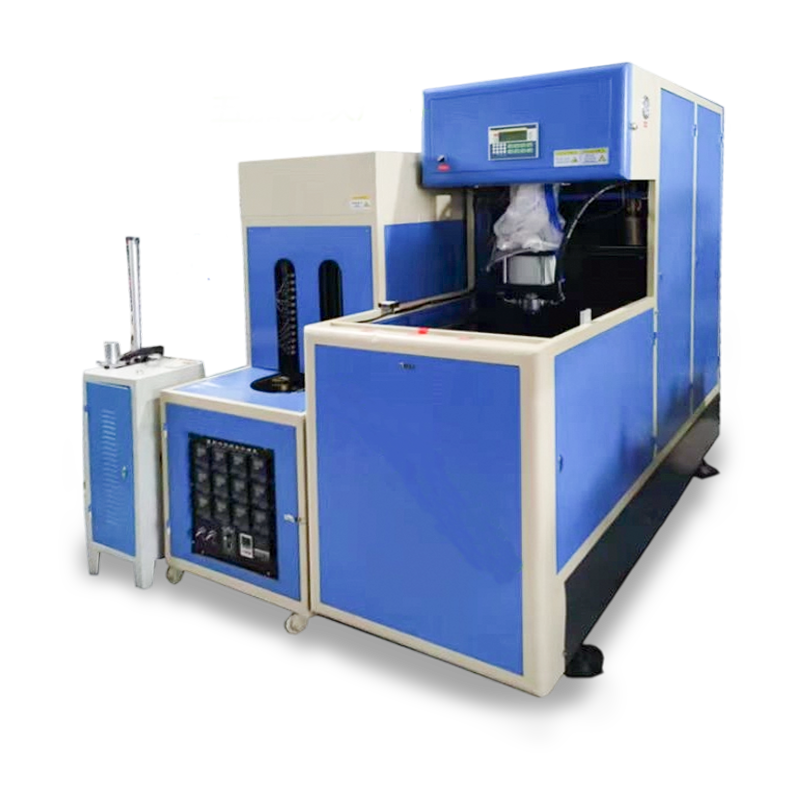
This bottle blowing equipment integrates cutting-edge automation and intelligent control technologies to meet the needs of modern ...
See Details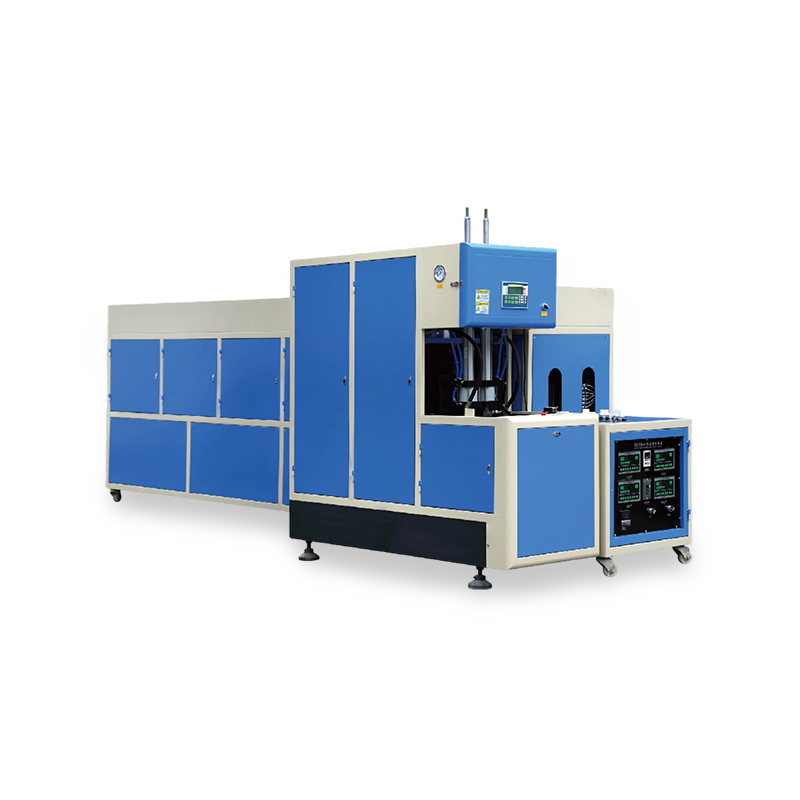
The fully automatic bottle blowing machine is engineered to deliver high efficiency and precision in plastic container production....
See Details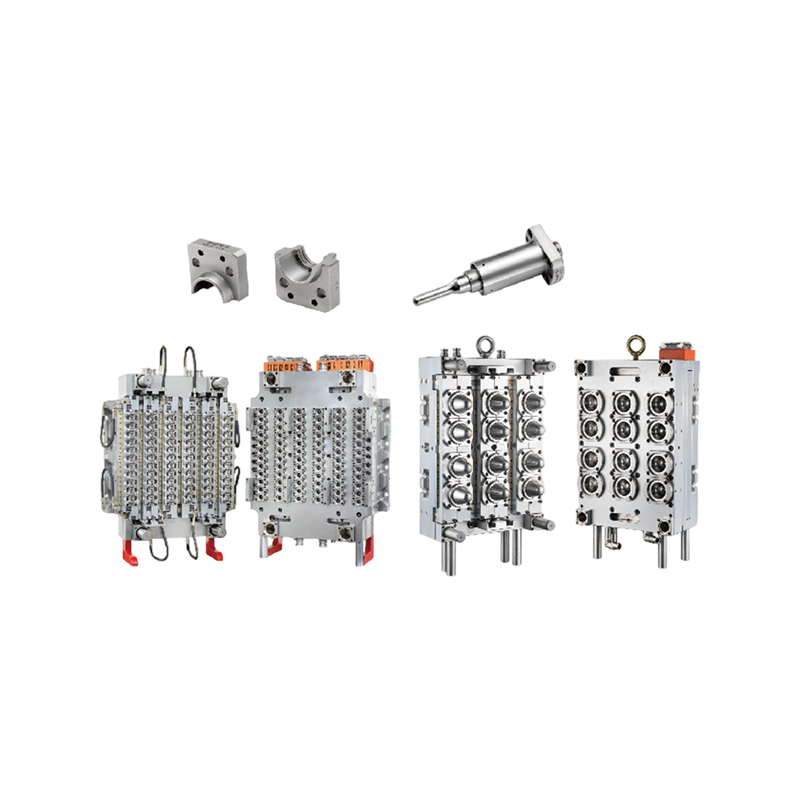
The Preform Durable High Success Rate Bottle Injection Mold is a cutting-edge product designed to provide high-quality, efficient,...
See Details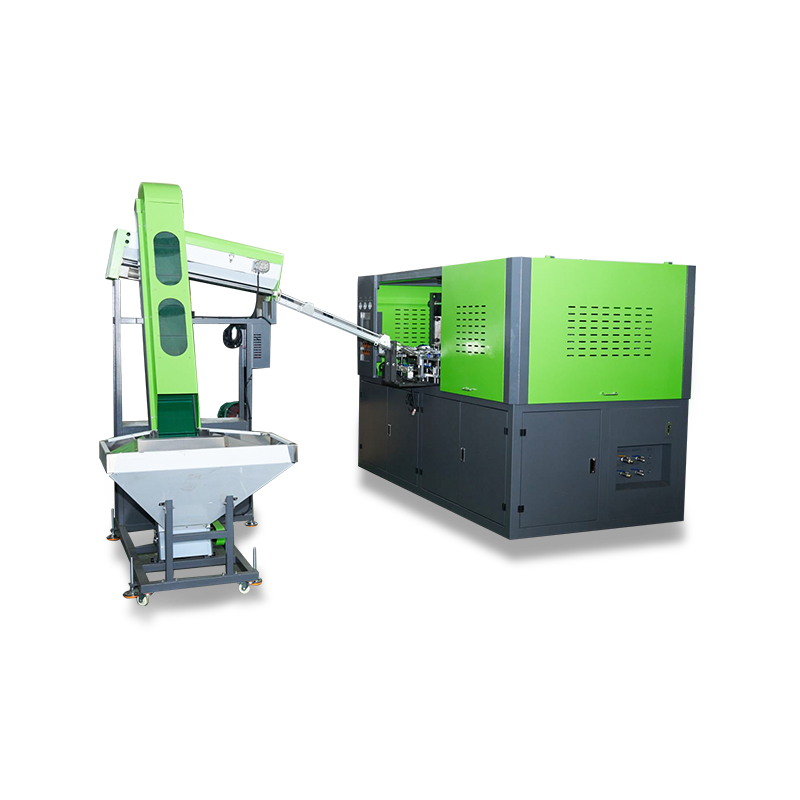
The 2-Cavity PET Preform Manufacturing Fully Automatic Bottle Blowing Machine is an efficient and intelligent solution for produci...
See Details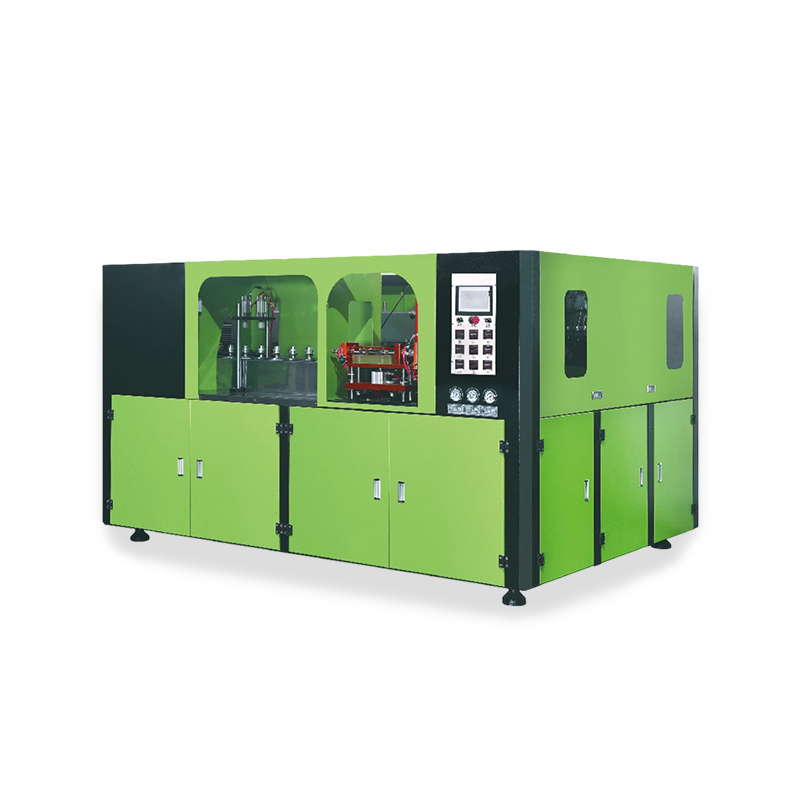
The 1-Chamber Large Capacity Tank Fully Automatic Bottle Blowing Machine is engineered to meet the needs of industrial-scale produ...
See Details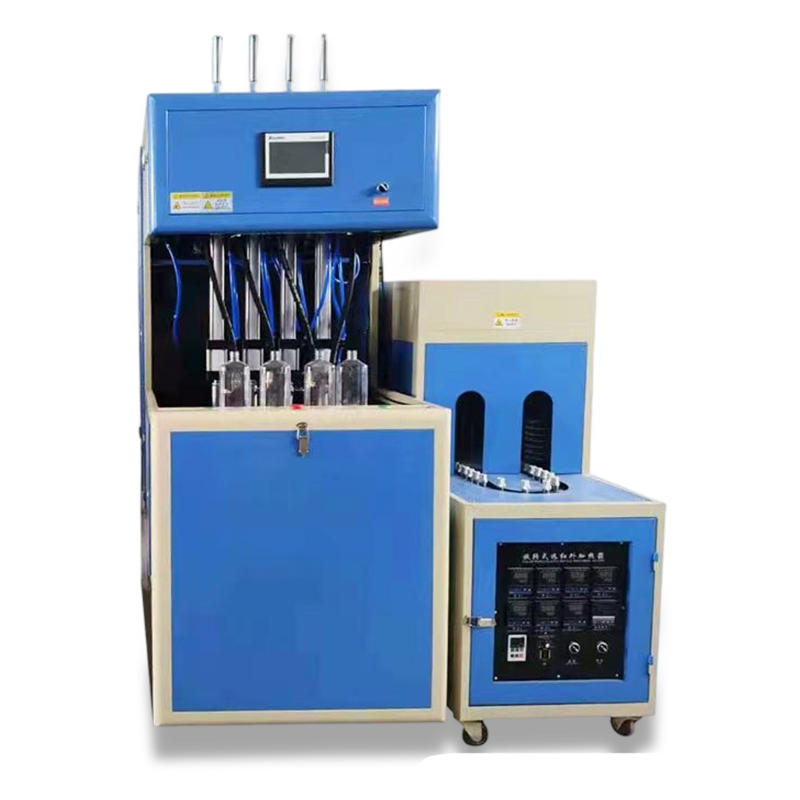
The Stable and Fast Automatic Bottle Blowing Machine is designed to meet the growing demand for streamlined bottle production with...
See Details
The 1L 4 Cavity Manual Vial Semi Automatic Bottle Blowing Machine is designed to offer practical and efficient bottle production f...
See Details


Contact Us