

 English
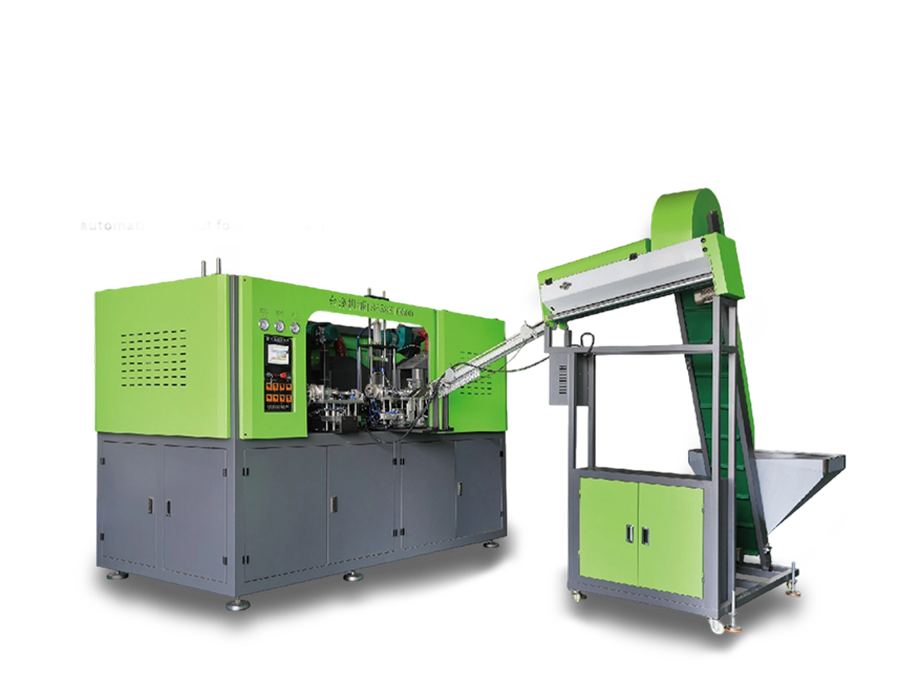
 Wide Mouth Fully Automatic Bottle Blowing Machine
The fully automatic bottle blowing machine is designed with an emphasis on stability, efficiency, and precision. Its structure int...
See Details
Ensuring consistent quality in bottle production requires thorough testing methods for all equipment involved, including the molds, blow machines, and related machinery. In the beverage and packaging industry, maintaining the reliability of a semi automatic blow moulding machine is crucial, as even minor deviations in performance can affect bottle integrity and overall production efficiency. Manufacturers adopt a variety of testing procedures to verify that their equipment meets design and operational standards before it is used for large-scale production.
One commonly used method involves dimensional inspection of bottles produced by a semi automatic blow moulding machine. After a production run, random bottles are measured for height, diameter, and wall thickness. This step is essential because variations in dimensions can advance to sealing issues or inconsistent filling levels. Using a blow molding machine, operators can also evaluate the uniformity of the bottle neck and finish. These inspections allow manufacturers to adjust mold settings or machine parameters to maintain consistent quality.
Material testing is another key step in quality assurance. Bottles created on a semi automatic blow moulding machine are subjected to stress and impact tests to determine their durability. For instance, a simple drop test can reveal weaknesses in bottles produced with a blow machine plastic, while pressure testing ensures that bottles can withstand internal forces during filling and transportation. This type of testing helps identify potential problems early in the production process, reducing waste and preventing defects in final products.
Visual inspection plays a complementary role in quality testing. Operators examine bottles for surface defects such as bubbles, scratches, or uneven coloration. A semi automatic blow moulding machine may sometimes produce bottles with slight imperfections, and identifying these issues promptly ensures corrective action can be taken. Similarly, evaluating bottles produced by a blow machine plastic under controlled lighting conditions helps maintain aesthetic standards that are important in the competitive packaging market.
Advanced testing methods involve monitoring machine performance in real time. Sensors can track parameters such as air pressure, temperature, and cycle time in a semi automatic blow moulding machine. Continuous data collection allows operators to detect deviations before they affect production quality. In the case of a blow machine plastic, monitoring air pressure and material flow ensures that each plastic bottle is formed consistently, reducing the likelihood of defective products and improving overall operational reliability.
Leak testing is also an important consideration. Bottles from a semi automatic blow moulding machine are often tested under water or using air pressure to ensure that they are fully sealed. Any leak detected in bottles produced by a blow machine plastic signals a need for maintenance or adjustment in the production line. Regular leak testing protects the reputation of the product and less the risk of returns or customer complaints.
Finally, regular maintenance and calibration of the semi automatic blow moulding machine are crucial for sustaining quality. Checking molds for wear, cleaning nozzles, and lubricating moving parts can prevent inconsistencies in bottles produced by a blow machine plastic. By combining inspection, testing, and maintenance, manufacturers can achieve a reliable production process that consistently meets quality standards.
Each step contributes to the production of uniform and reliable bottles, ensuring that equipment such as the semi automatic blow moulding machine and blow machine plastic perform consistently over time. By adopting a comprehensive testing approach, manufacturers can maintain high operational standards and produce bottles that meet both functional and aesthetic requirements.
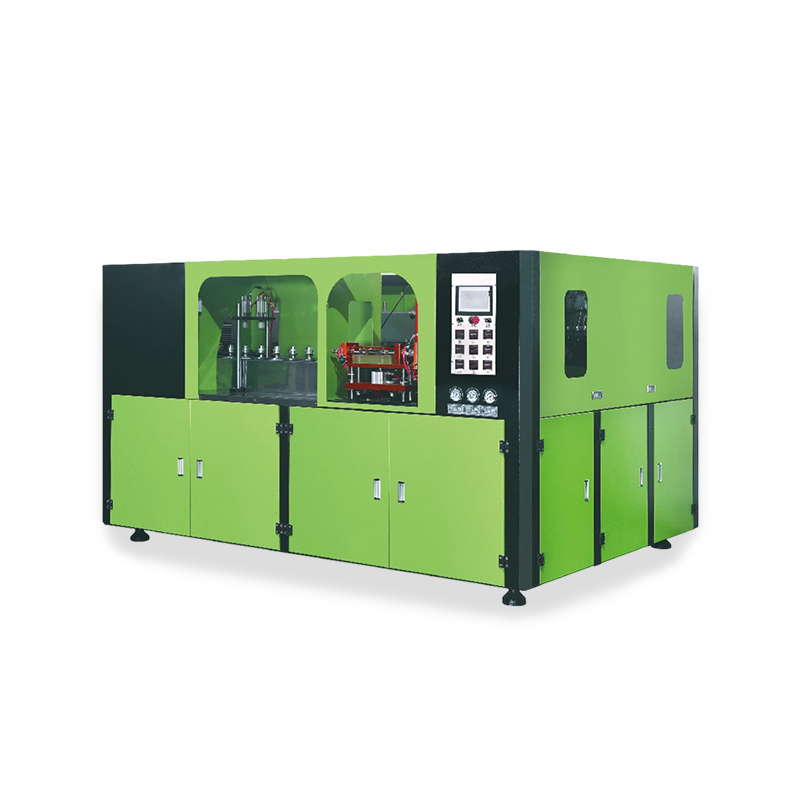
The fully automatic bottle blowing machine is designed with an emphasis on stability, efficiency, and precision. Its structure int...
See Details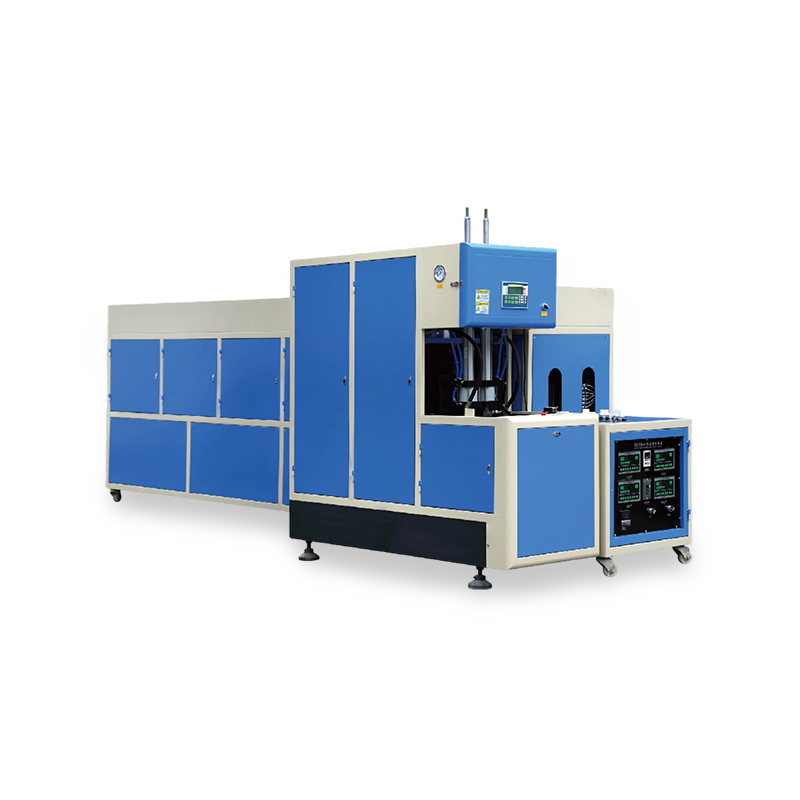
The fully automatic bottle blowing machine is engineered to deliver high efficiency and precision in plastic container production....
See Details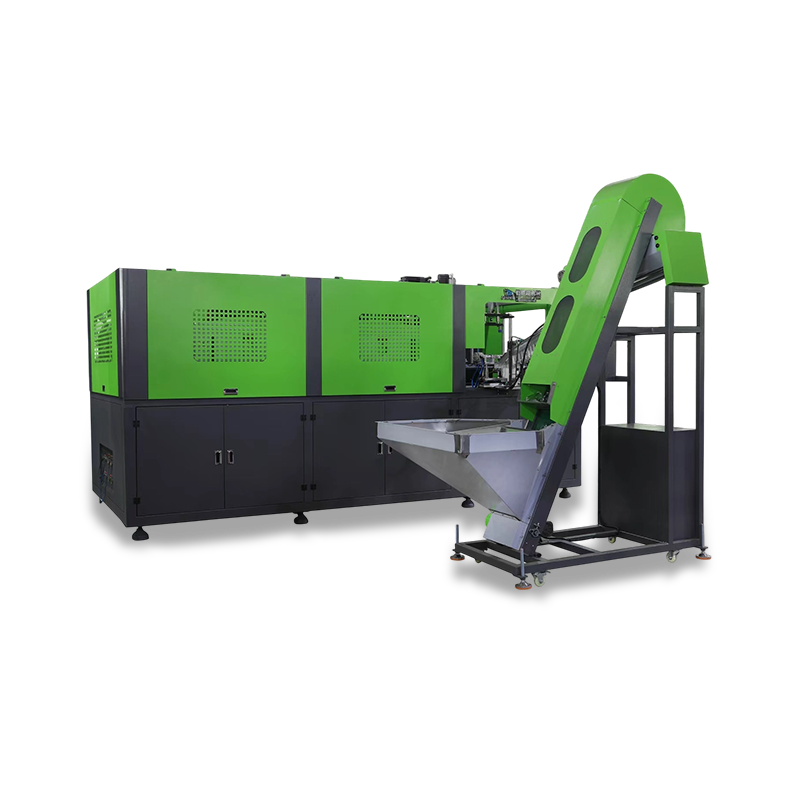
The 6-Cavity Fully Automatic Bottle Blowing Machine For Bottles From 100ML To 2L is designed to provide efficient and reliable pro...
See Details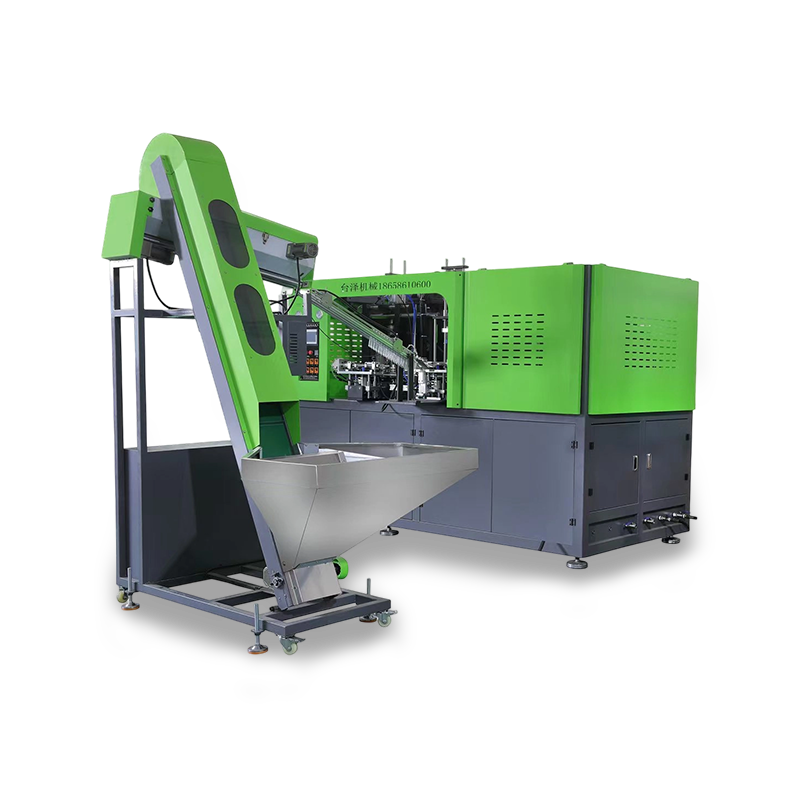
The 4-Cavity High Speed Multifunctional Fully Automatic Bottle Blowing Machine is a reliable solution designed for efficient PET b...
See Details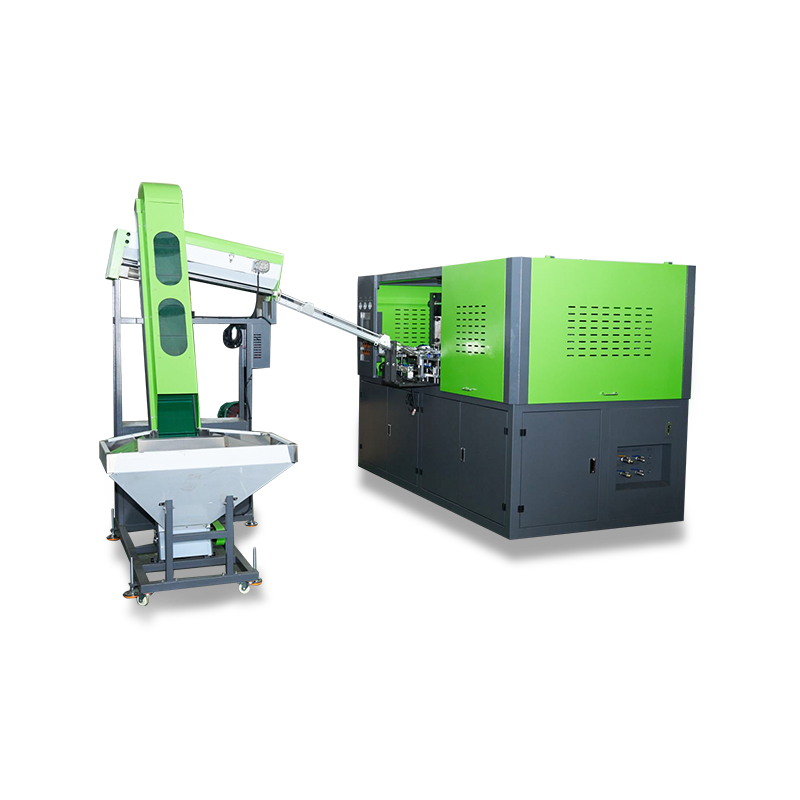
The 2-Cavity PET Preform Manufacturing Fully Automatic Bottle Blowing Machine is an efficient and intelligent solution for produci...
See Details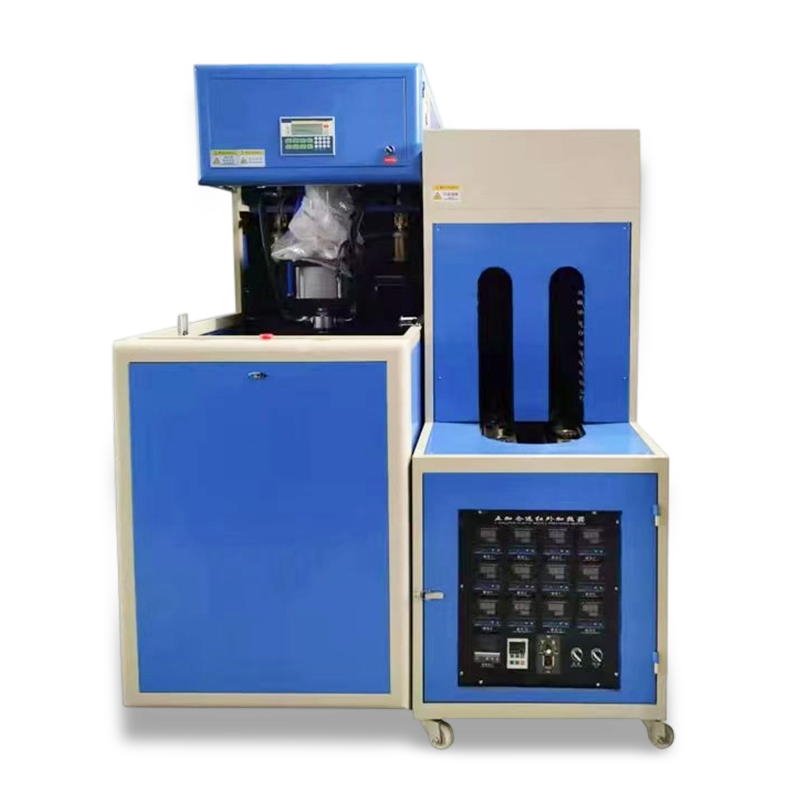
The 20L 3-5 Gallon Semi Automatic Bottle Blowing Machine for 5L-22L Bottles is specifically engineered for producing large-capacit...
See Details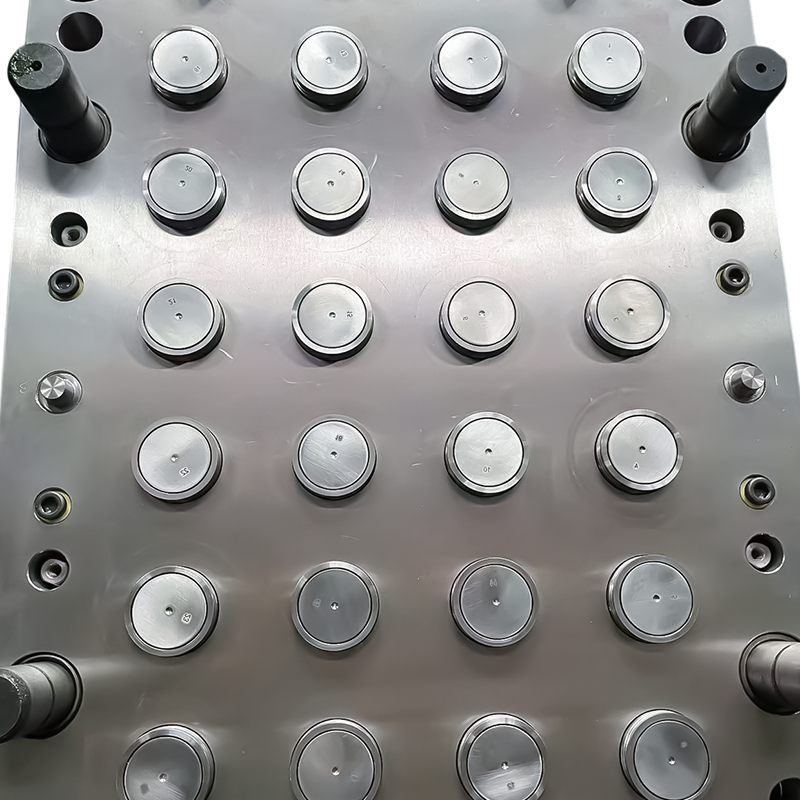
The Multiple Specifications High Precision Bottle Cap Mold is designed for manufacturers who require consistency, accuracy, and ve...
See Details


Contact Us