

 English
 Cosmetic bottles Fully Automatic Bottle Blowing Machine
This bottle blowing machine is designed with precision engineering and modern automation technology, providing a reliable and effi...
See Details
Across the modern packaging industry, reducing waste has become a central concern for manufacturers working with plastic bottles. Waste in blow molding production can arise from various stages, including raw material handling, mold setup, and the production process itself. By addressing these areas, manufacturers can improve resource efficiency, reduce costs, and support environmental sustainability. One key piece of equipment that plays a significant role in controlling waste is the PP bottle-making machine. These machines allow for precise control over bottle formation, ensuring consistency in wall thickness and shape, which means less scrap material.
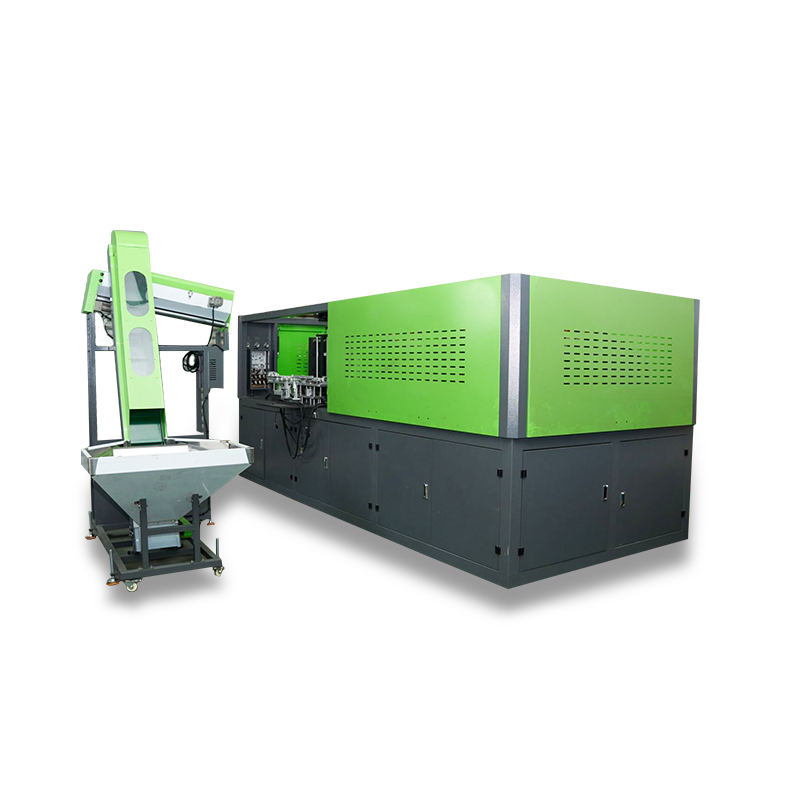
Another factor influencing waste levels is the type of blow molding machine employed. The semi automatic pet blow moulding machine offers flexibility for small and medium production runs while maintaining reasonable efficiency. Unlike fully manual setups, these semi-automatic machines can reduce errors in preform handling and bottle shaping, which helps in decreasing the number of defective products. Operators using semi automatic PET blow moulding machines often notice that careful calibration during production cycles can substantially cut down on waste from misformed bottles.
Material handling is also a critical point in reducing waste. In the case of polypropylene (PP) bottles, the PP bottle-making machine allows for controlled melting and precise injection into molds. This control reduces the occurrence of underfilled or overfilled preforms, which are common sources of scrap. When combined with proper maintenance and regular mold inspection, these machines can support a production line that consistently produces bottles within acceptable tolerances.
For facilities using semi automatic PET blow moulding machines, careful scheduling and batch management can further limit material waste. By producing smaller batches tailored to demand, manufacturers can avoid overproduction, which often advances to excess bottles that may degrade if not used promptly. In addition, semi automatic pet blow moulding machines typically have easier mold changeovers compared to fully manual systems, which reduces material lost during setup transitions.
Cooling and post-production handling are other areas where waste can accumulate. Both PP bottle-making machine and semi automatic PET blow moulding machine setups benefit from optimized cooling cycles. If bottles are removed too early or cooled unevenly, deformation can occur, pilot to rejected pieces. By carefully controlling cooling parameters, manufacturers can reduce the number of bottles discarded due to warping or stress marks.
Operator training is also vital in reducing waste. Even the more precise PP bottle-making machine requires knowledgeable personnel to manage settings, monitor production, and troubleshoot issues promptly. Similarly, semi automatic pet blow moulding machines depend on operators to ensure molds are correctly aligned, air pressure is properly set, and material flow is consistent. A well-trained team can identify potential problems before they result in scrapped bottles, thus enhancing overall efficiency.
Finally, recycling and regrinding scrap material can contribute to waste reduction. Both PP bottle-making machine and semi automatic PET blow moulding machine setups can often incorporate recycled PP back into production, provided the material is clean and properly processed. This practice not only reduces raw material consumption but also decreases environmental impact by sending less plastic waste to landfills.
The PP bottle-making machine plays a critical role in producing uniform bottles with small scrap, while the semi automatic PET blow moulding machine adds flexibility and efficiency in smaller production batches. By focusing on these elements, manufacturers can maintain consistent output, reduce costs associated with defective products, and contribute to a more sustainable packaging industry. Waste reduction is achievable when equipment capabilities are fully utilized and production practices are aligned with efficiency and environmental goals.
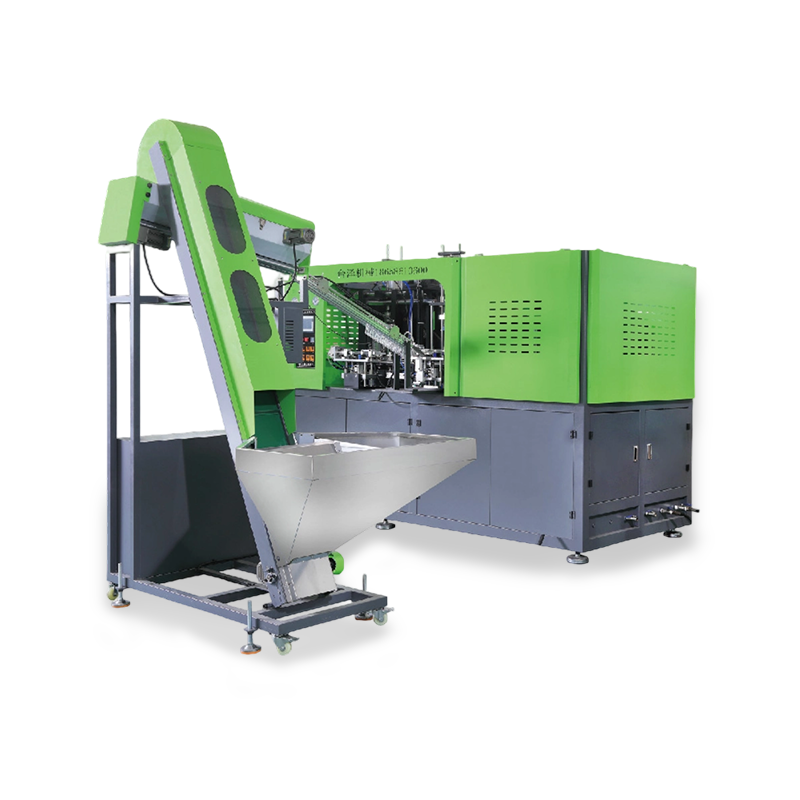
This bottle blowing machine is designed with precision engineering and modern automation technology, providing a reliable and effi...
See Details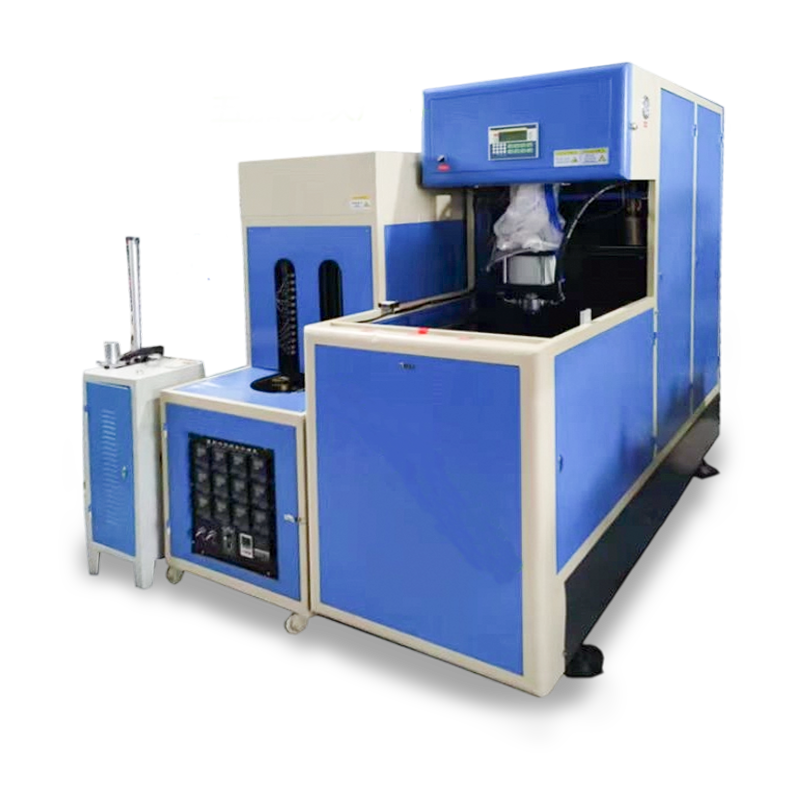
This bottle blowing equipment integrates cutting-edge automation and intelligent control technologies to meet the needs of modern ...
See Details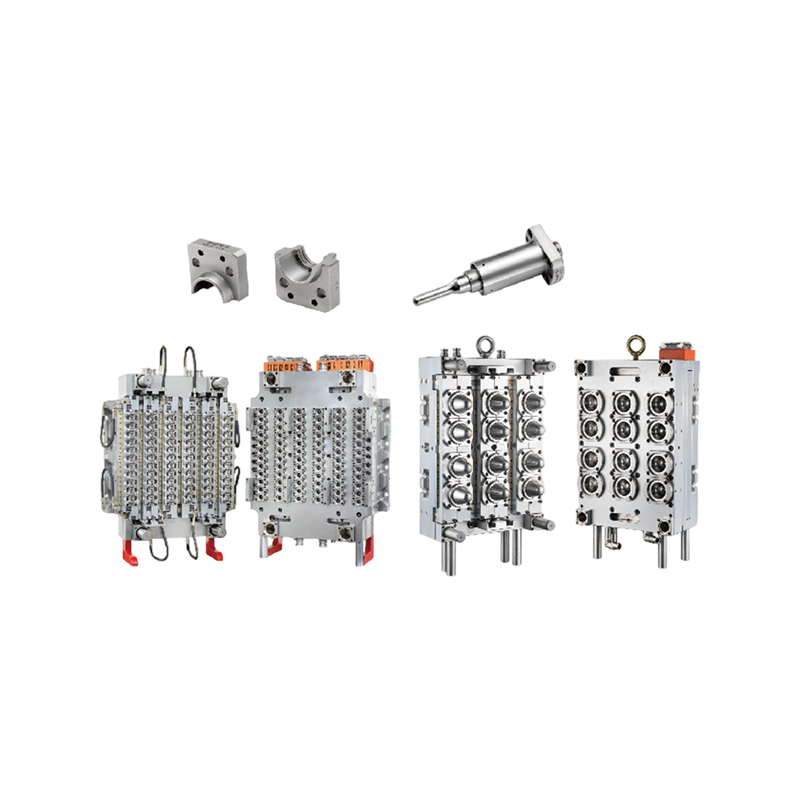
The Preform Durable High Success Rate Bottle Injection Mold is a cutting-edge product designed to provide high-quality, efficient,...
See Details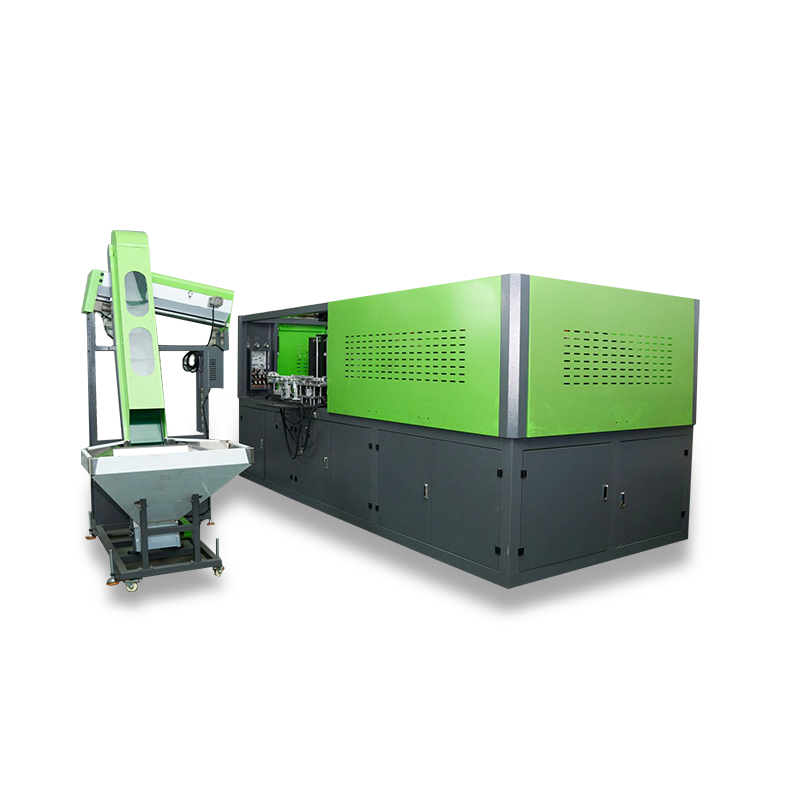
The 8-Cavity High-Efficiency Versatile Fully Automatic Bottle Blowing Machine is designed to meet the increasing demands for high-...
See Details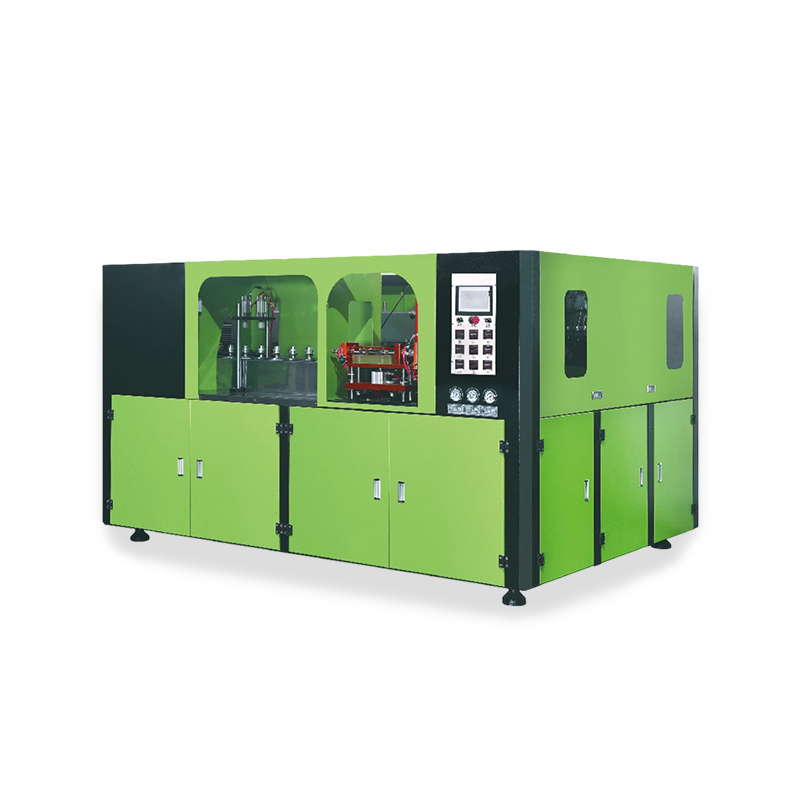
The 2-Cavity Fully Automatic Bottle Blowing Machine for Wide-Mouth Bottle Production is designed to meet the specific needs of man...
See Details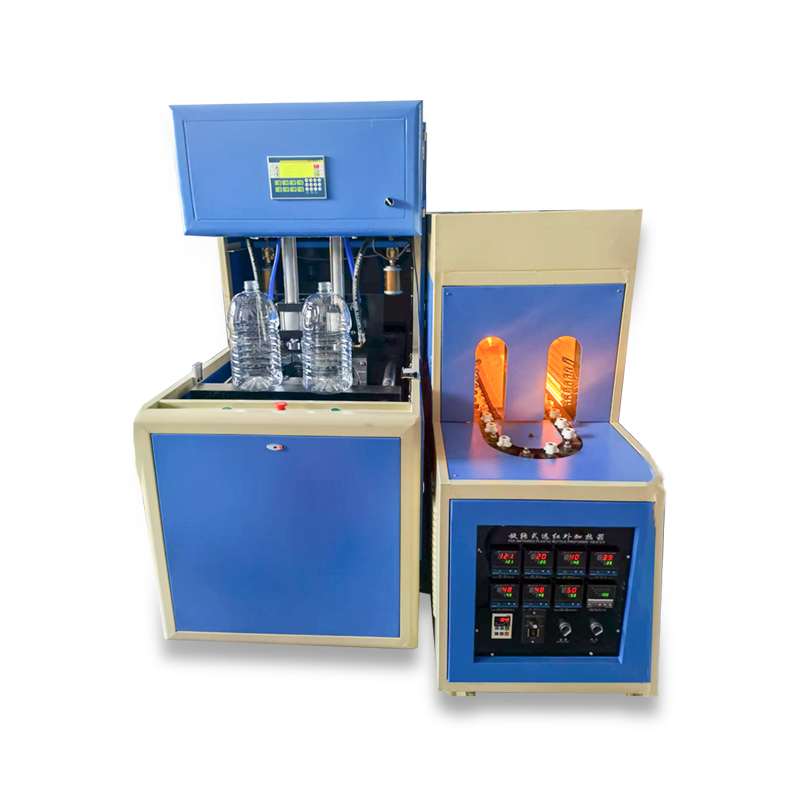
The 5L Manual Extrusion Semi-Automatic Bottle Blowing Machine is specifically designed for producing medium-capacity plastic conta...
See Details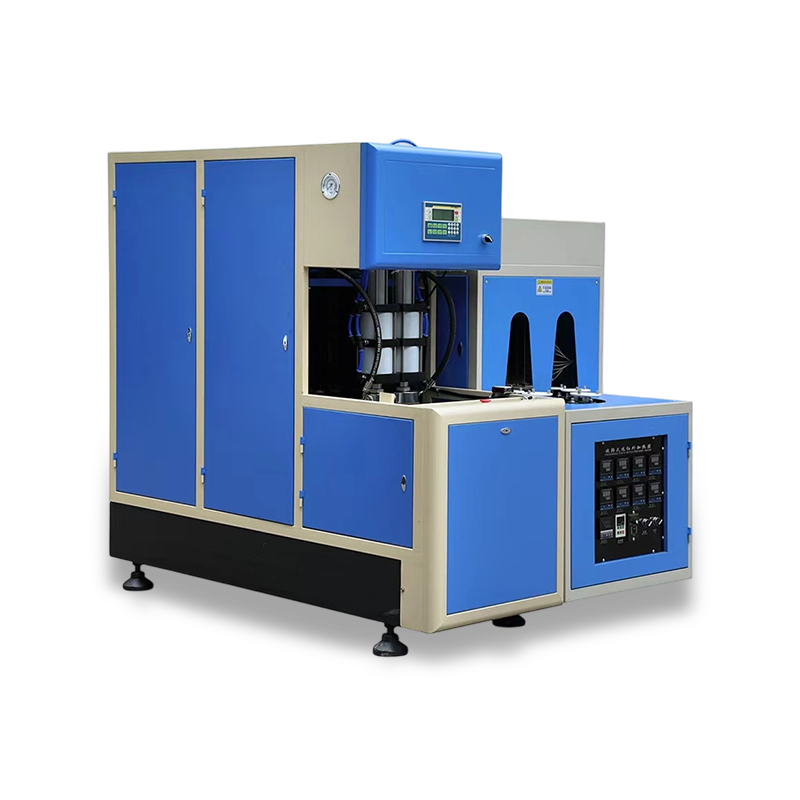
The 2-Cavity Wide-Mouth Bottle Semi-Automatic Bottle Blowing Machine is designed for medium-scale production lines that require ef...
See Details


Contact Us