

 English
 Cosmetic bottles Fully Automatic Bottle Blowing Machine
This bottle blowing machine is designed with precision engineering and modern automation technology, providing a reliable and effi...
See Details
Recent years have seen manufacturers in the packaging industry placing greater emphasis on lowering energy consumption during bottle mold and machine production. Energy use is a significant factor in the overall cost of producing PET bottles, and improving efficiency can advance both environmental and economic benefits. By carefully analyzing production processes and adopting new approaches, manufacturers can reduce energy use without compromising the quality of the final products.
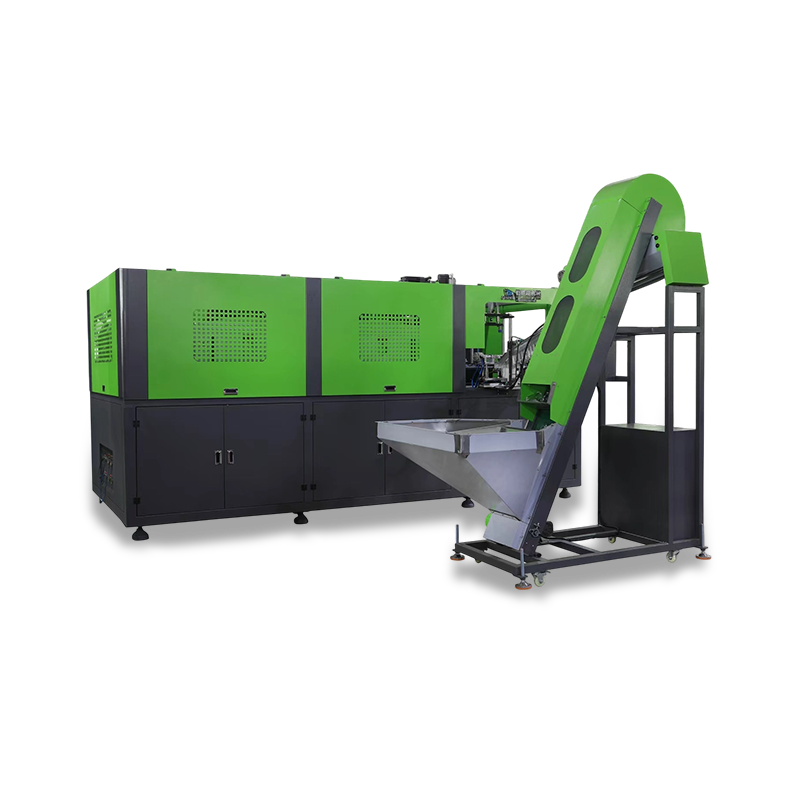
One of the key areas to address is the operation of the PET bottle blow molding machine. These machines require substantial amounts of electricity to heat, mold, and form PET bottles, and inefficiencies can result in wasted energy. Adjusting cycle times, improving insulation of heating components, and optimizing air pressure systems are practical steps to reduce consumption. Many facilities have also started monitoring energy use at each stage of production to identify specific points where reductions are possible. Implementing these strategies allows the PET bottle blow molding machine to operate more efficiently while maintaining consistent output.
Another significant contributor to energy consumption is the PET preform making machine. Producing preforms involves precise heating and molding processes, which naturally demand energy. By using machines with advanced temperature control and energy-saving features, manufacturers can lower electricity use during production. Regular maintenance of the PET preform making machine also ensures that it runs smoothly, preventing unnecessary energy loss caused by wear or misalignment. In addition, integrating these machines into automated production lines can reduce idle times, which further decreases energy usage.
Material handling and performing storage are also areas where energy reductions can be realized. Proper management of preforms reduces the need for reheating or additional processing, which in turn lessens the load on both the PET preform making machine and the PET bottle blow molding machine. Optimizing air circulation and cooling systems around molds can reduce energy demand while maintaining the required temperature stability. Many companies are also exploring heat recovery systems that capture waste heat from one part of the production process and use it to power other sections.
Employee training and awareness are often overlooked but are important factors in reducing energy consumption. Operators who understand the energy profile of the PET bottle blow molding machine and the PET preform making machine can make informed decisions on machine operation, such as reducing idle times, selecting energy-efficient modes, and reporting issues promptly. A small change in operational habits across a facility can advance to noticeable reductions in energy use over time.
Finally, adopting a holistic approach that considers both equipment and production planning is essential. Reducing energy use in bottle mold and machine production is not just about upgrading individual machines; it involves optimizing the entire workflow. For example, aligning production schedules to have fewer start-stop cycles for the PET preform making machine and the PET bottle blow molding machine can significantly reduce peak energy demand. Continuous monitoring, combined with incremental adjustments, ensures that energy savings are sustained over time without affecting production quality or output.
By focusing on the PET bottle blow molding machine and the PET preform making machine, manufacturers can achieve meaningful energy reductions. Through proper maintenance, smart workflow planning, and energy-conscious operation, it is possible to maintain reliable production while lowering environmental impact and operational costs. Continuous improvement in these areas ensures that energy consumption remains manageable while supporting the growing demand for PET bottles in a sustainable way.
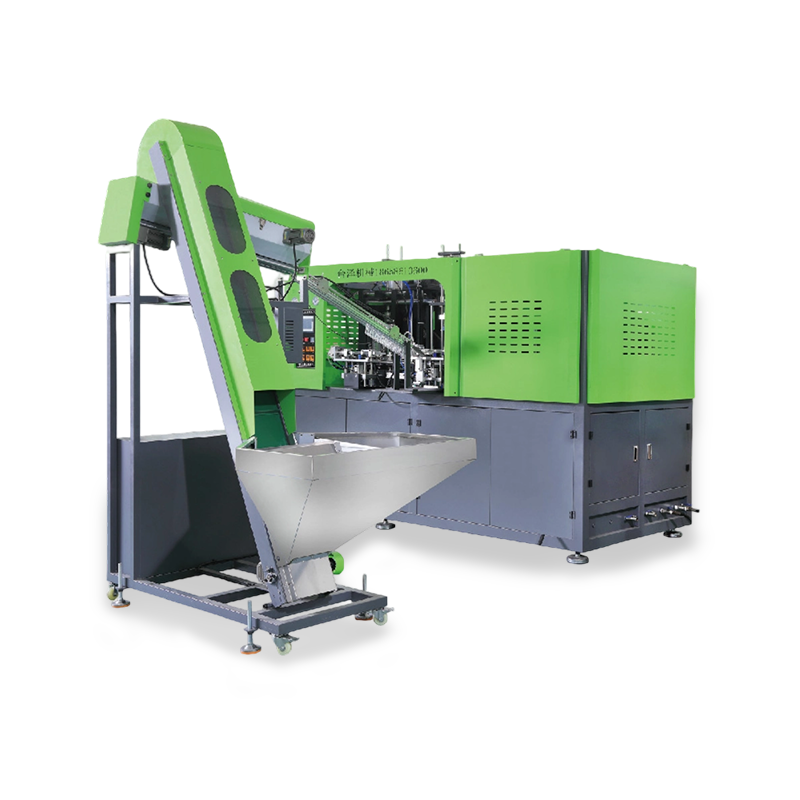
This bottle blowing machine is designed with precision engineering and modern automation technology, providing a reliable and effi...
See Details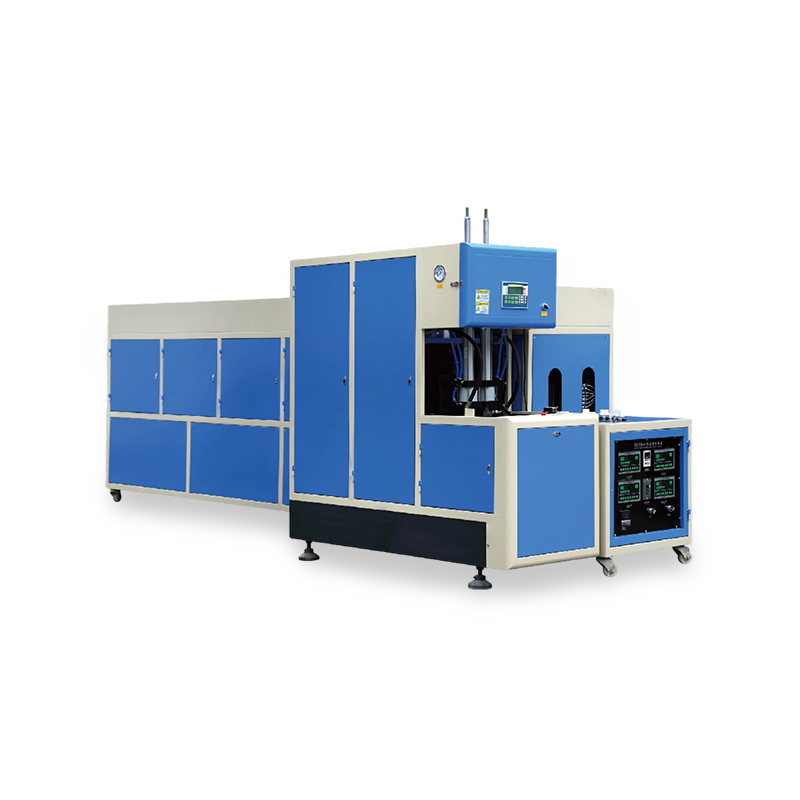
The fully automatic bottle blowing machine is engineered to deliver high efficiency and precision in plastic container production....
See Details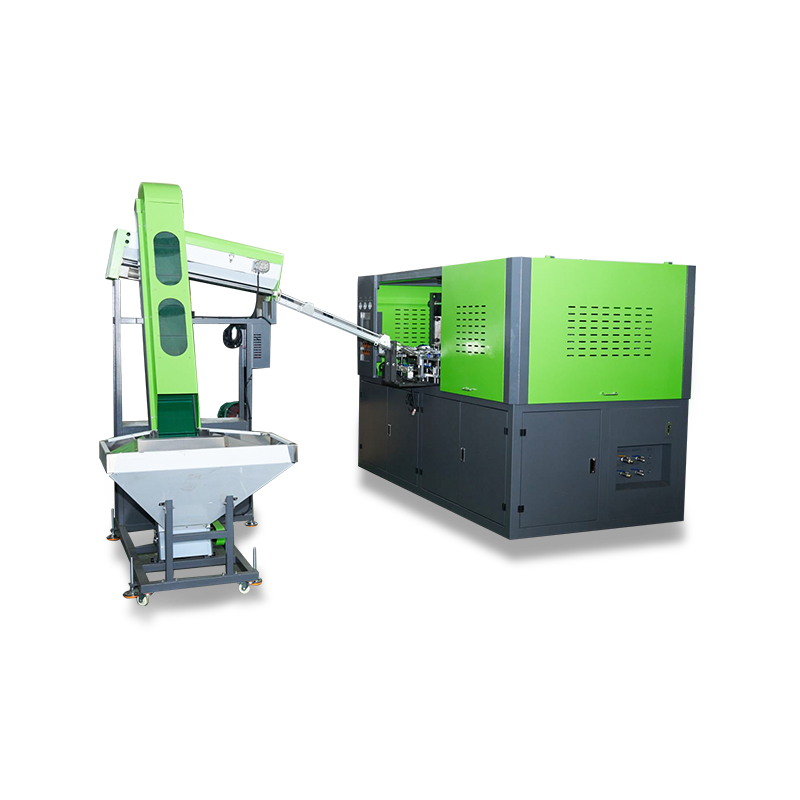
The 2-Cavity PET Preform Manufacturing Fully Automatic Bottle Blowing Machine is an efficient and intelligent solution for produci...
See Details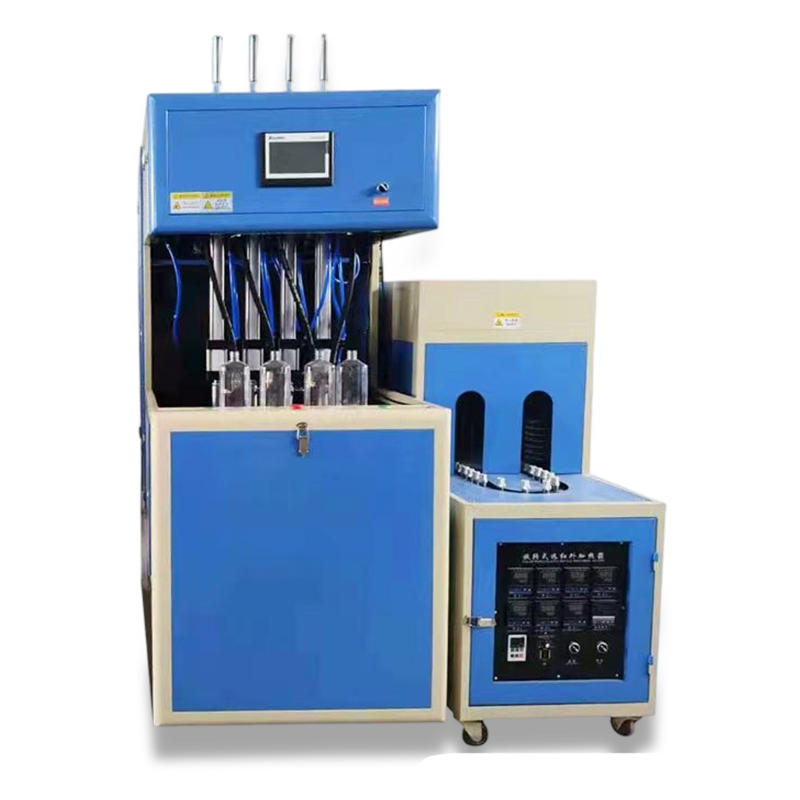
The Stable and Fast Automatic Bottle Blowing Machine is designed to meet the growing demand for streamlined bottle production with...
See Details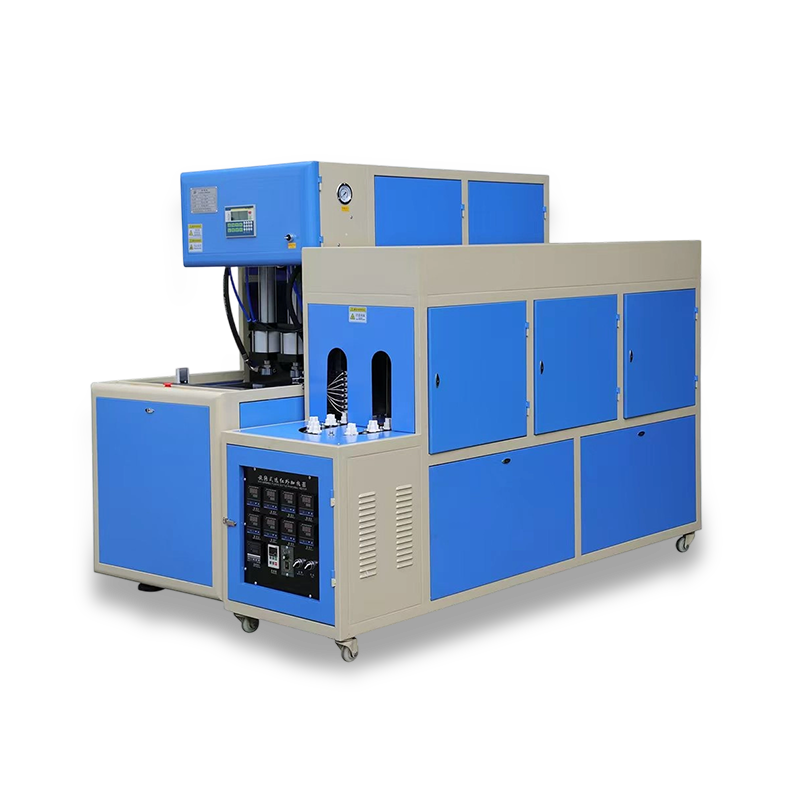
The 3L 2 Cavity Plastic PET Bottle Semi-Automatic Bottle Blowing Machine is designed to meet the needs of small to medium-scale bo...
See Details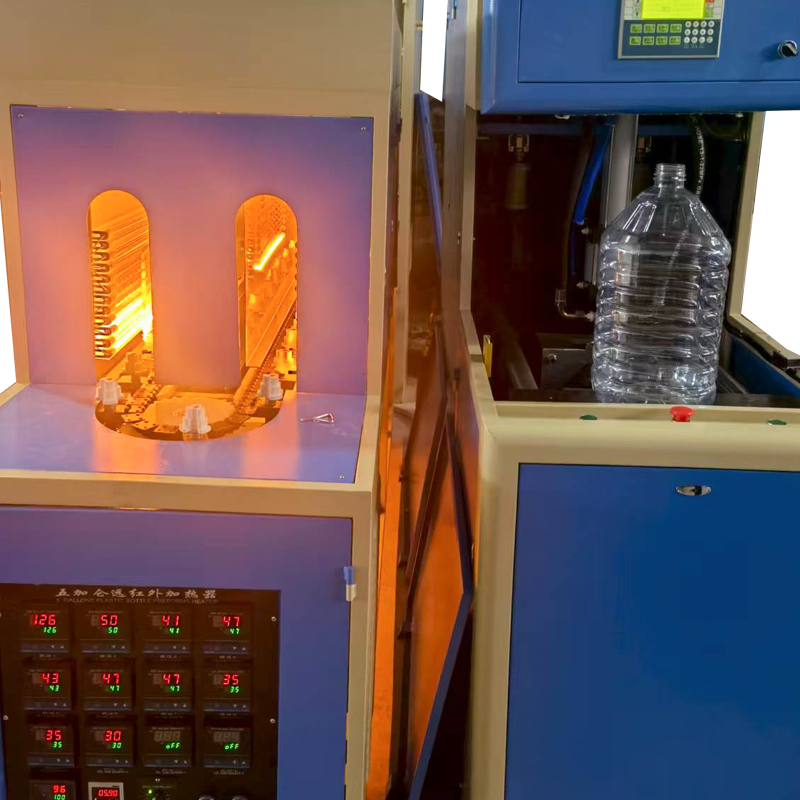
The 10L 5L To 12L Plastic PET Bottles Semi Automatic Bottle Blowing Machine is specially designed for producing medium to large vo...
See Details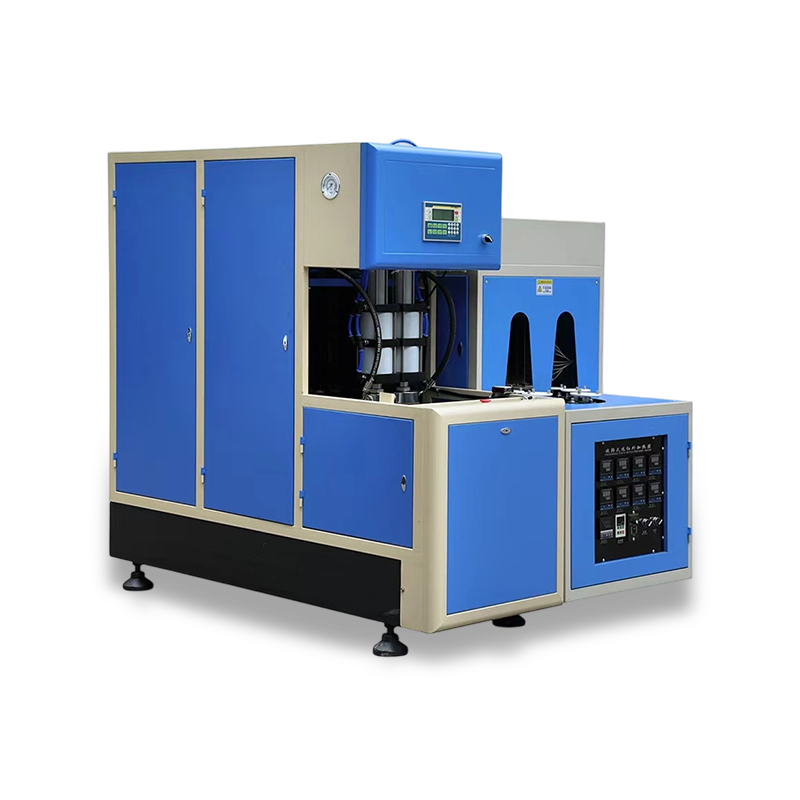
The 2-Cavity Wide-Mouth Bottle Semi-Automatic Bottle Blowing Machine is designed for medium-scale production lines that require ef...
See Details


Contact Us