

 English
 Gigh Speed Fully Automatic Bottle Blowing Machine
The High Speed Fully Automatic Bottle Blowing Machine is designed to meet the demands of high-efficiency and high-quality bottle p...
See Details
Bottle caps may seem like simple components, but their design and production involve careful consideration to ensure consistency, durability, and compatibility with various containers. Cap molds are a crucial part of the manufacturing process, and understanding the design requirements for different types of caps can help manufacturers improve efficiency and maintain quality. The process begins with selecting the appropriate mold structure, which depends on the cap style, material, and production volume. Common types of caps include screw caps, flip-top caps, sports caps, and child-resistant caps. Each type has unique characteristics that influence mold design, such as thread depth, wall thickness, and hinge flexibility.
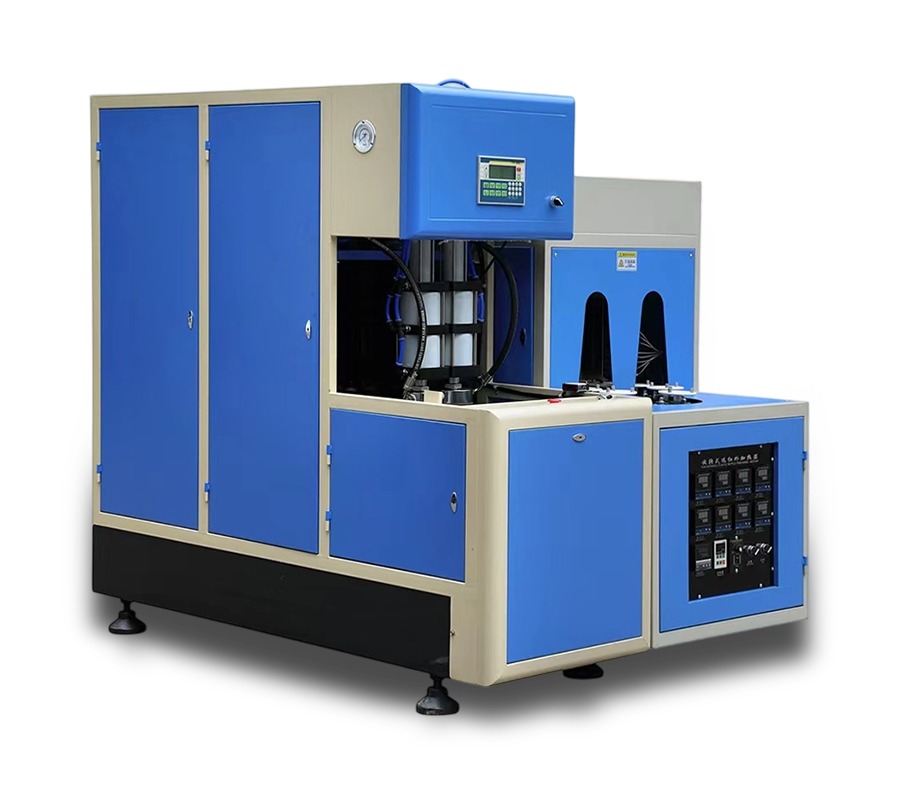
One important factor in cap mold design is the material selection. More caps are made from thermoplastic materials such as polypropylene or polyethylene, which provide sufficient strength and flexibility. When designing the mold, engineers must account for material shrinkage and flow characteristics. Using a semi automatic injection molding machine, manufacturers can control the injection speed and pressure to ensure uniform filling of the mold cavities. This level of control helps reduce defects like short shots, warping, or uneven walls, which can affect the fit and sealing performance of the cap. Plastic forming machines also play a role in shaping the preforms, or initial parts, that will eventually become caps, particularly when high volumes or specialized shapes are involved.
Cooling and ejection are other key considerations in cap mold design. Caps often have intricate features such as ridges or threads, which require precise cooling channels to maintain dimensional accuracy. A semi automatic injection molding machine allows operators to manage cycle times effectively, providing consistent cooling and reducing the risk of deformation. Similarly, using a plastic forming machine in conjunction with mold design can help streamline the production of caps that require secondary shaping or post-molding processing. Efficient ejection mechanisms are also necessary to prevent damage to the caps during removal from the mold.
Mold cavity configuration and layout influence production efficiency. Multi-cavity molds are commonly used to produce multiple caps per cycle, which reduces production time and labor costs. When designing multi-cavity molds, it is important to ensure balanced material flow to each cavity. A semi automatic injection molding machine can assist with this by maintaining uniform injection parameters across all cavities. Additionally, incorporating a plastic forming machine in the production line can help manage large-scale preform handling and shaping before final molding. Proper venting in the mold is also critical to avoid trapped air pockets that could compromise cap integrity.
Maintenance and longevity of cap molds should not be overlooked. Frequent use can advance to wear on critical surfaces such as threads, ejector pins, and cooling channels. Regular inspection and timely maintenance can extend the lifespan of the molds and reduce downtime. Operators using a semi automatic injection molding machine must be trained to monitor for signs of wear and adjust settings accordingly. Integration of a plastic forming machine in early production steps can reduce stress on the molds by providing consistent preforms and fewer material inconsistencies.
Customization is another aspect that manufacturers must consider when designing cap molds. Branding, labeling, and functional features often require precise mold engraving or additional insert components. The flexibility of a semi automatic injection molding machine allows for adjustments during pilot runs to ensure the desired design features are accurately reproduced. At the same time, a plastic forming machine can assist in pre-shaping complex designs that require additional support before final molding. The combination of careful mold design, proper equipment, and material selection ensures that different types of caps meet the required functional and aesthetic standards.
Using a semi automatic injection molding machine and a plastic forming machine at various stages of production helps maintain consistency and quality across different cap types. Understanding these design considerations allows manufacturers to produce durable, functional, and visually appealing caps while optimizing the efficiency of their production lines. Careful planning and proper equipment use remain key to achieving successful results in cap manufacturing.
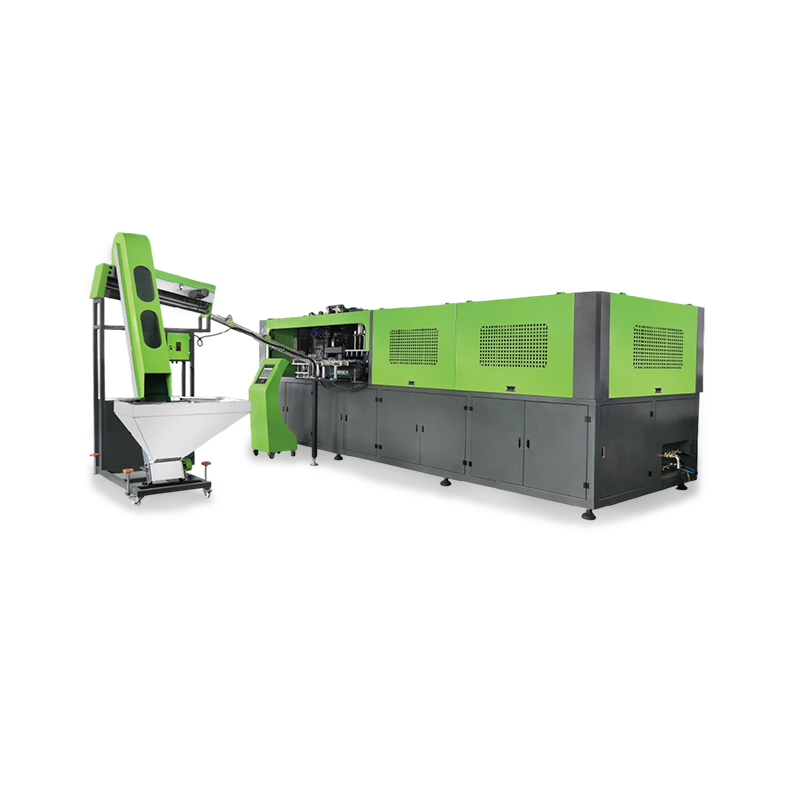
The High Speed Fully Automatic Bottle Blowing Machine is designed to meet the demands of high-efficiency and high-quality bottle p...
See Details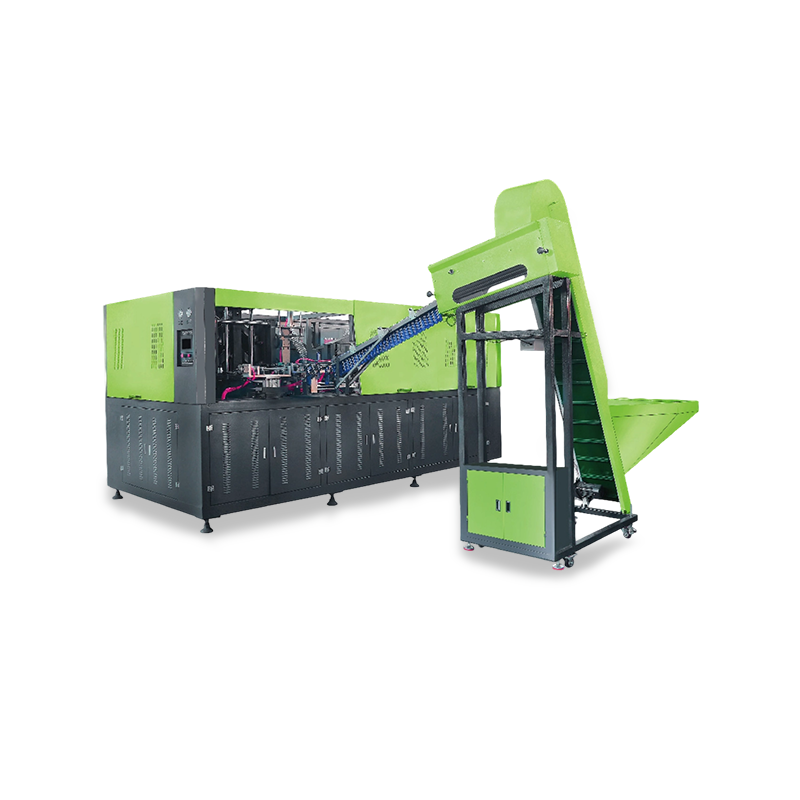
This PET-type bottle blowing machine is designed with advanced technology to meet the high-efficiency and high-precision requireme...
See Details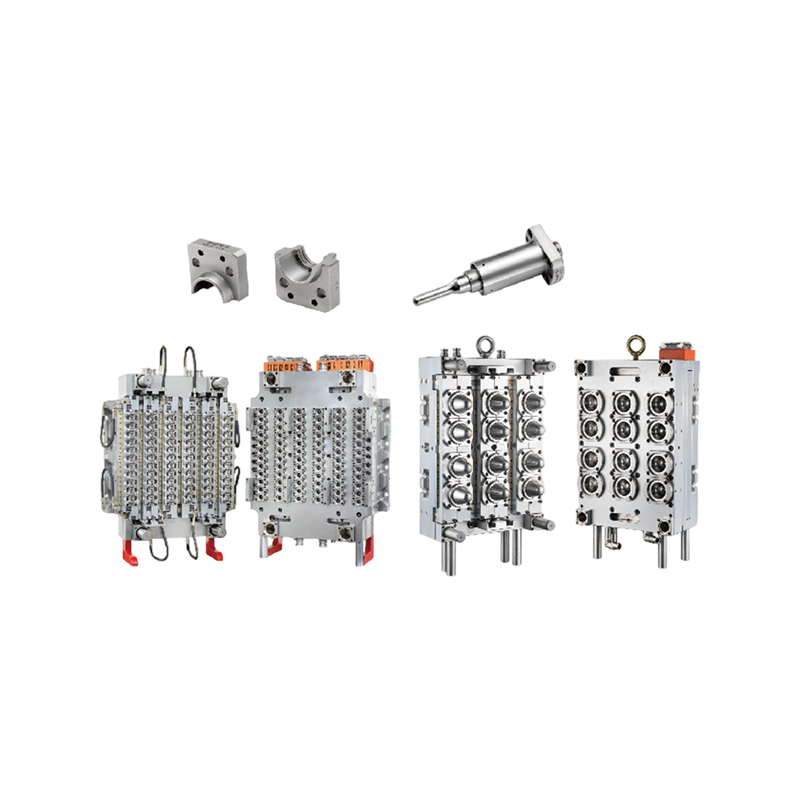
The Preform Durable High Success Rate Bottle Injection Mold is a cutting-edge product designed to provide high-quality, efficient,...
See Details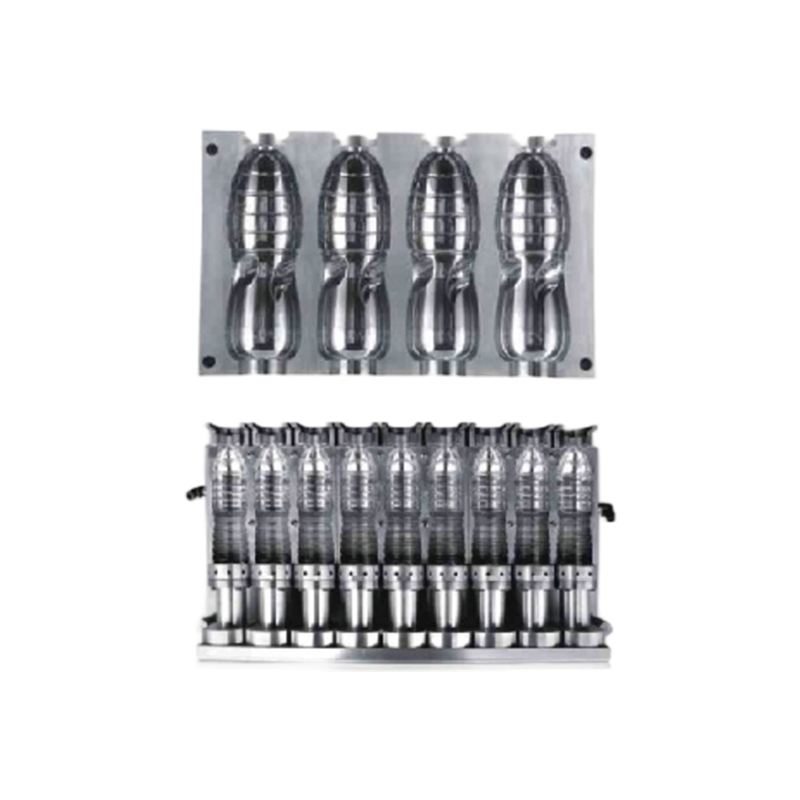
Our Blowing Molds Made On Demand Bottle Injection Mold solutions are designed with advanced 3D computer-aided design (CAD) technol...
See Details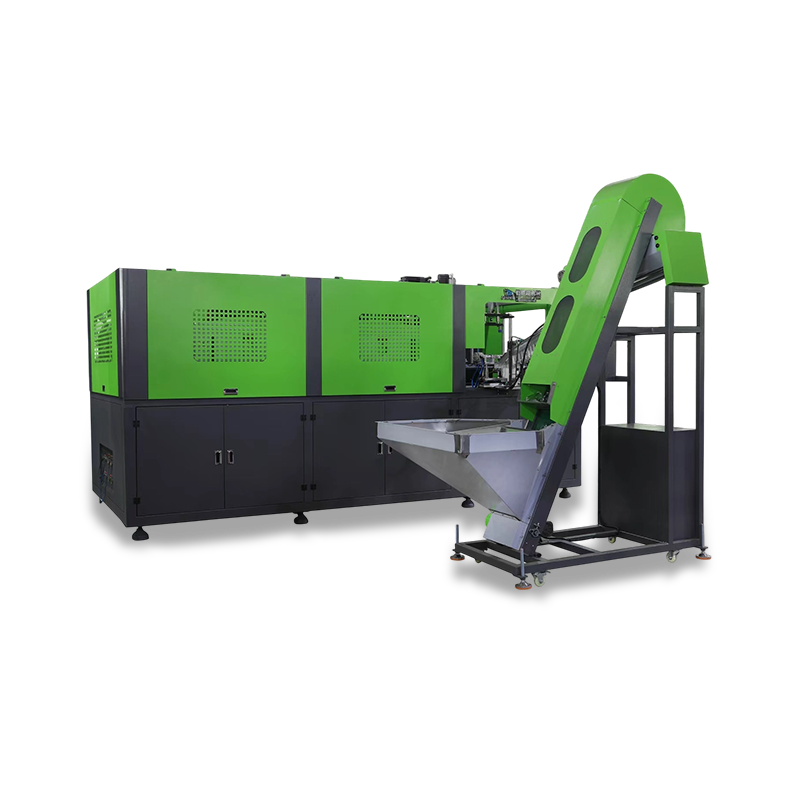
The 6-Cavity Fully Automatic Bottle Blowing Machine For Bottles From 100ML To 2L is designed to provide efficient and reliable pro...
See Details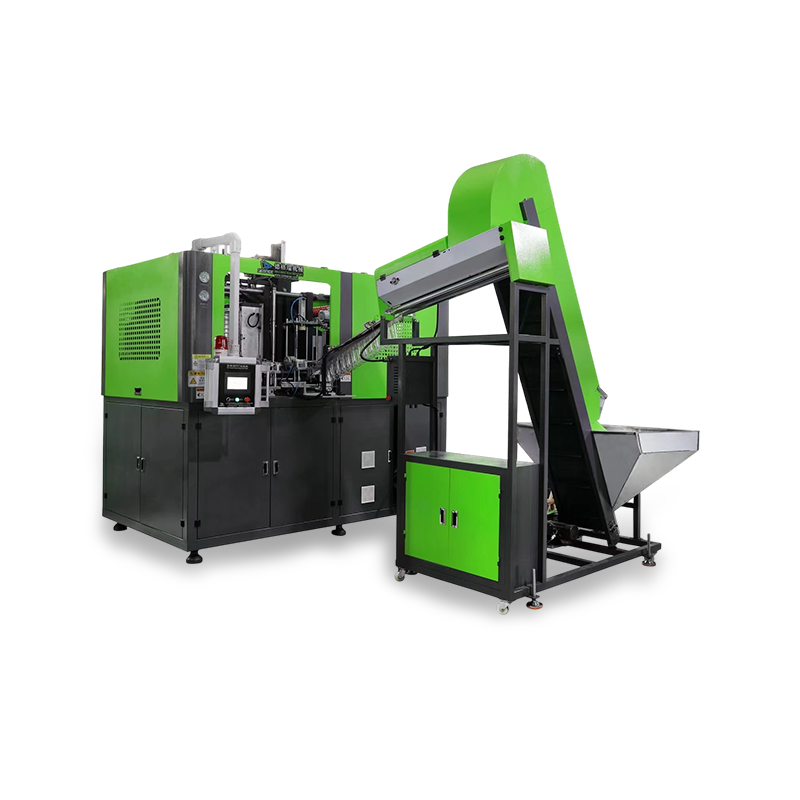
The 1 Cavity Produce 10L/15L/20L Bottles Fully Automatic Bottle Blowing Machine is a reliable and efficient solution for producing...
See Details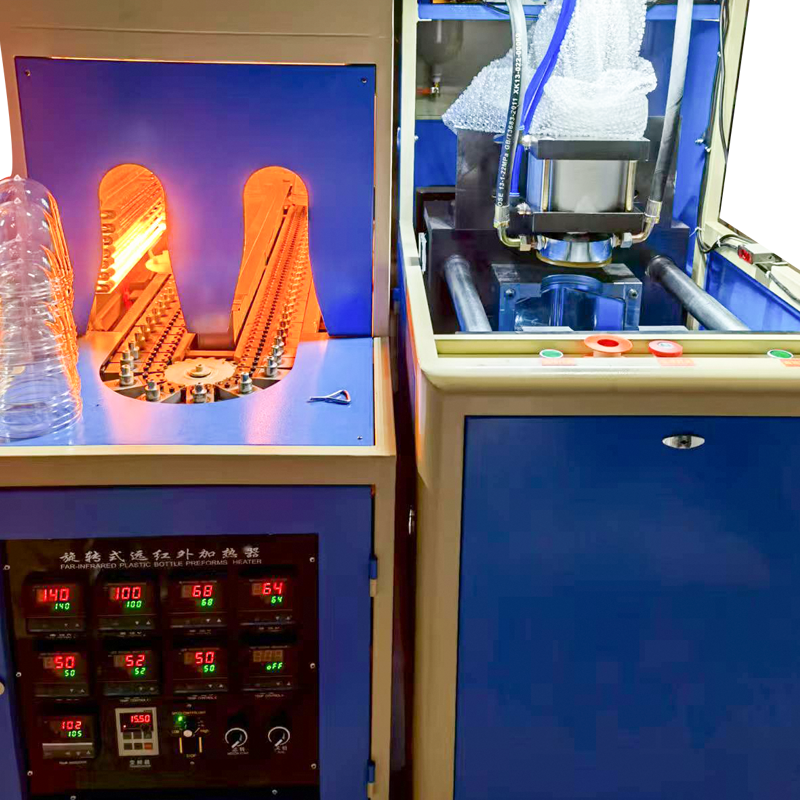
The Single Cavity Wide Mouth Bottle Semi-Automatic Bottle Blowing Machine is a specialized solution designed for manufacturing wid...
See Details


Contact Us