

 English
 Steady Fully Automatic Bottle Blowing Machine
This PET bottle blowing machine is designed to meet the demands of modern bottle manufacturing with high automation, reliability, ...
See Details
In today’s competitive packaging market, the Semi Automatic Bottle Blowing Machine continues to attract attention from overseas buyers, especially small-to-medium beverage producers and contract packaging factories. Recent discussions across industry forums and social media highlight a shared concern: how to maintain production flexibility while controlling energy use and labor costs. Unlike fully automated lines that require heavy investment and stable high-volume output, semi-automatic systems are increasingly viewed as a practical bridge for businesses scaling PET bottle production without overcommitting capital or floor space.
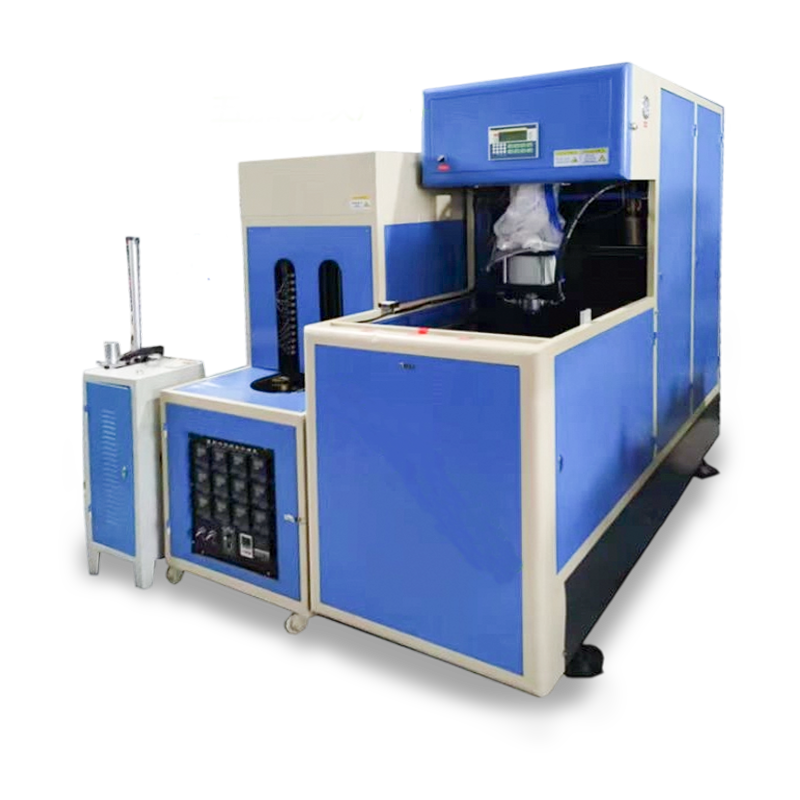
Shifting Demand Toward Flexible Production Models
Global buyers are no longer focused solely on maximum output. Instead, they are searching for “low MOQ PET bottle production” and “flexible bottle size switching solutions.” This shift is driven by craft beverage brands, private label startups, and regional water suppliers. A semi-automatic setup allows operators to adapt quickly to different bottle designs without rebuilding entire production lines, which is especially important in markets where packaging trends change rapidly.
Balancing Efficiency and Investment Cost
One of the most common evaluation points among procurement teams is the cost-performance ratio. Fully automated systems deliver speed, but they also demand higher upfront investment and technical infrastructure. In contrast, semi-automatic solutions provide a more controlled entry point. For many manufacturers, the decision comes down to achieving stable output while maintaining manageable operating costs and avoiding unnecessary overcapacity.
Operator-Friendly Design and Practical Challenges
From a manufacturing perspective, usability often determines real-world performance. Engineers frequently search for “PET bottle blowing machine troubleshooting” and “operator training for blow molding equipment.” Key issues include heating consistency, preform alignment, and cycle timing control. Modern semi-automatic systems are designed with simplified interfaces and adjustable parameters, helping operators reduce learning curves and minimize production errors during daily operation.
Energy Optimization and Air Consumption Control
Compressed air efficiency has become a central topic in production optimization discussions. Industry buyers are increasingly aware that air leakage or inefficient pressure settings can significantly increase long-term operating costs. Semi-automatic machines today often integrate improved valve systems and optimized air recovery structures to reduce waste. This aligns with broader sustainability goals seen across packaging manufacturers in Europe and North America.
Flexible Mold Compatibility and Product Diversification
Another frequently searched topic is “multi-size bottle mold compatibility.” Brands are no longer producing a single standardized bottle; instead, they require multiple SKUs for different markets. Semi-automatic equipment supports faster mold switching compared to large-scale automated lines. Typical operational improvements include:
Simplified mold alignment structure for quicker changeover
Adjustable heating zones for different preform thicknesses
Compatibility with a wider range of PET bottle shapes
Maintenance Strategy and Long-Term Reliability
Buyers are also increasingly focused on lifecycle cost rather than just purchase price. Regular maintenance plays a critical role in ensuring stable output. Common best practices include scheduled inspection of heating elements, air compressors, and sealing components. Manufacturers often design modular parts to make replacement easier, reducing downtime and supporting continuous production in small to mid-scale factories.
Manufacturer Perspective: Choosing the Right Configuration
From a production standpoint, selecting the right configuration depends on expected daily output, bottle specifications, and workforce capability. Engineers typically evaluate whether the system can support future expansion while maintaining stable operation under varying production loads. A well-matched setup reduces operational friction and improves overall production planning efficiency.
As global packaging demand continues to diversify, the Semi Automatic Bottle Blowing Machine remains a reliable and adaptable solution for businesses seeking controlled investment and flexible production capability.
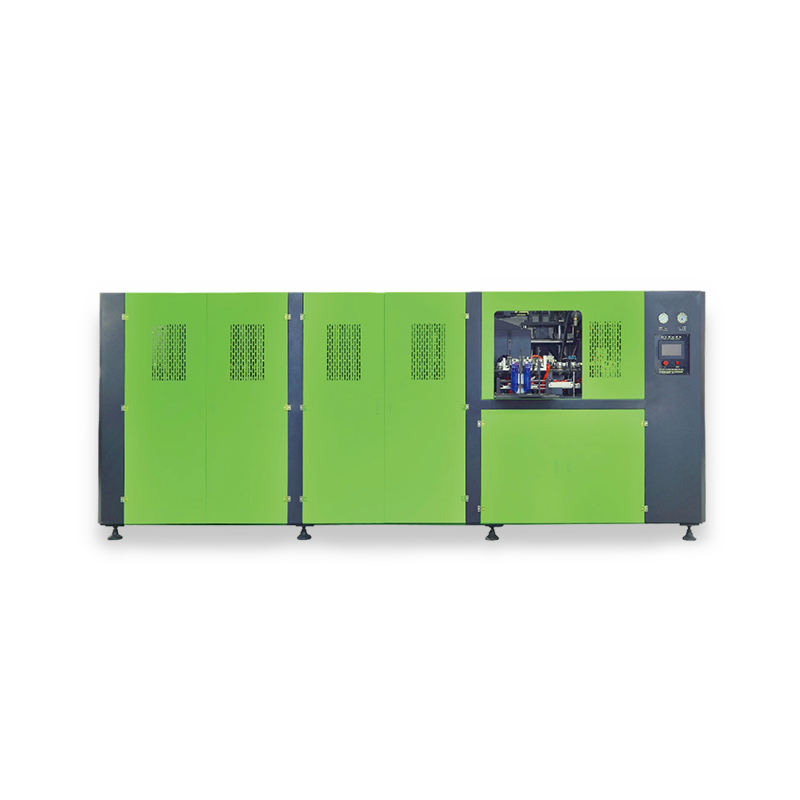
This PET bottle blowing machine is designed to meet the demands of modern bottle manufacturing with high automation, reliability, ...
See Details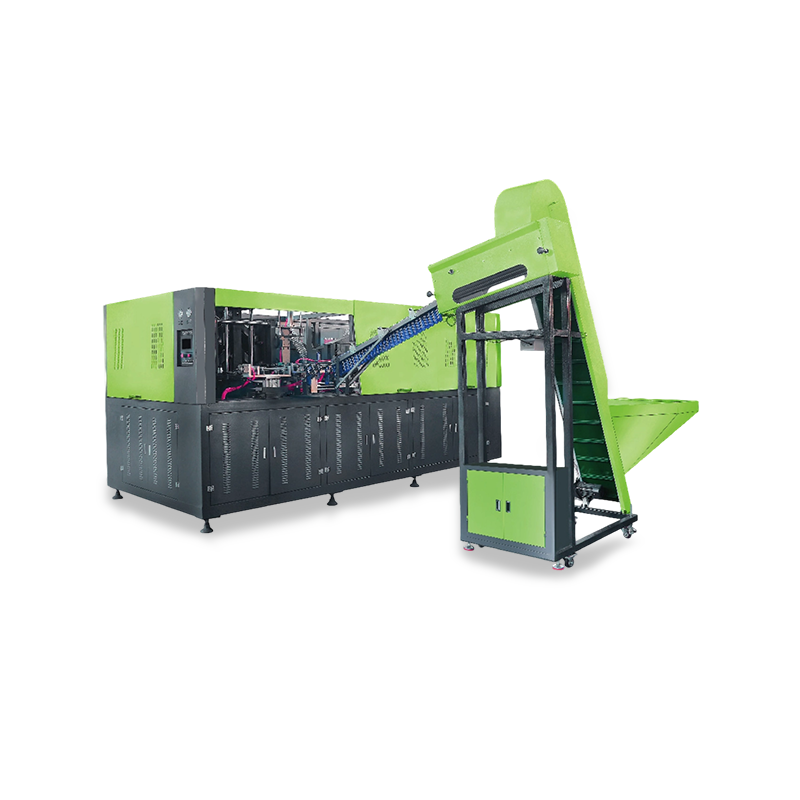
This PET-type bottle blowing machine is designed with advanced technology to meet the high-efficiency and high-precision requireme...
See Details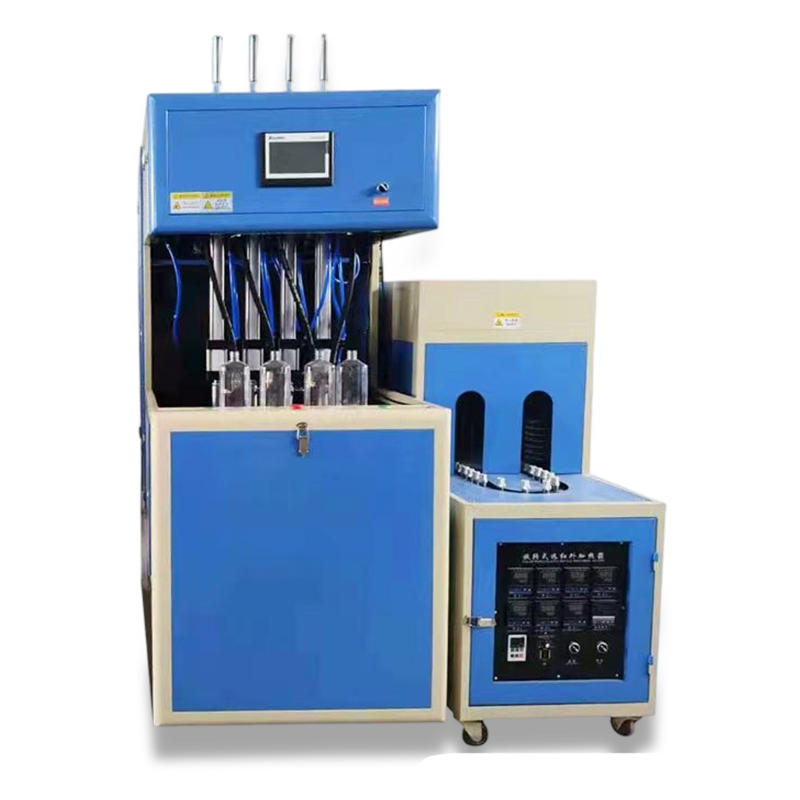
The Stable and Fast Automatic Bottle Blowing Machine is designed to meet the growing demand for streamlined bottle production with...
See Details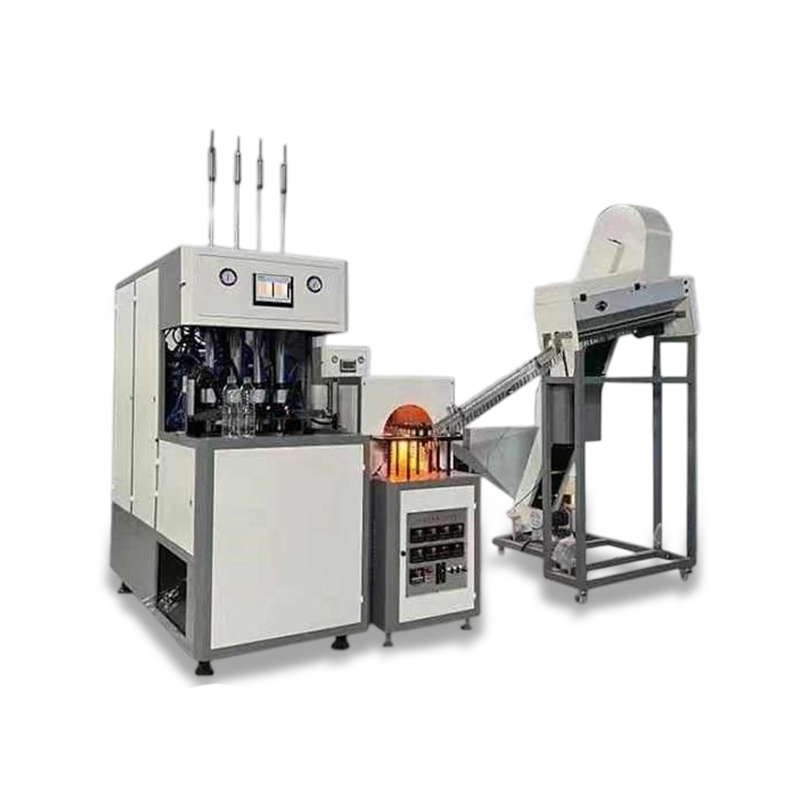
The Semi-Automatic Bottle Blowing Machine With Automatic Loader is designed to support medium-scale bottle production environments...
See Details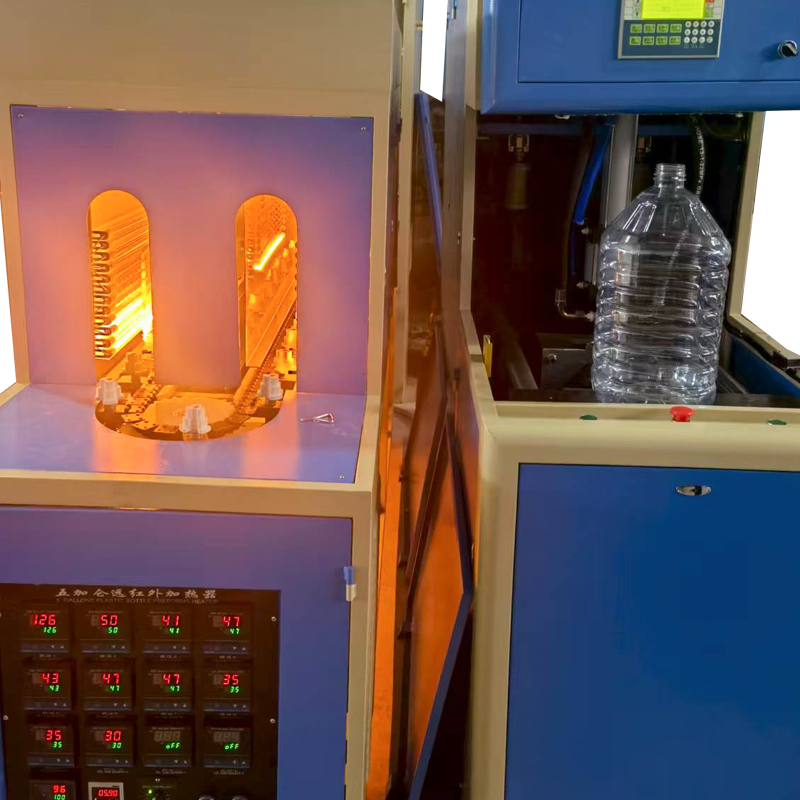
The 10L 5L To 12L Plastic PET Bottles Semi Automatic Bottle Blowing Machine is specially designed for producing medium to large vo...
See Details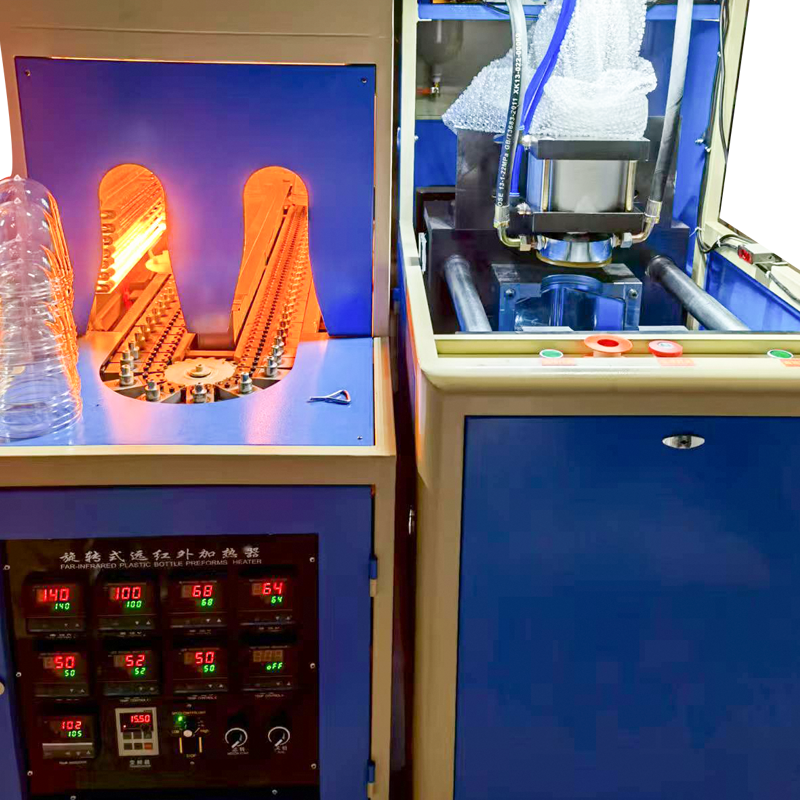
The Single Cavity Wide Mouth Bottle Semi-Automatic Bottle Blowing Machine is a specialized solution designed for manufacturing wid...
See Details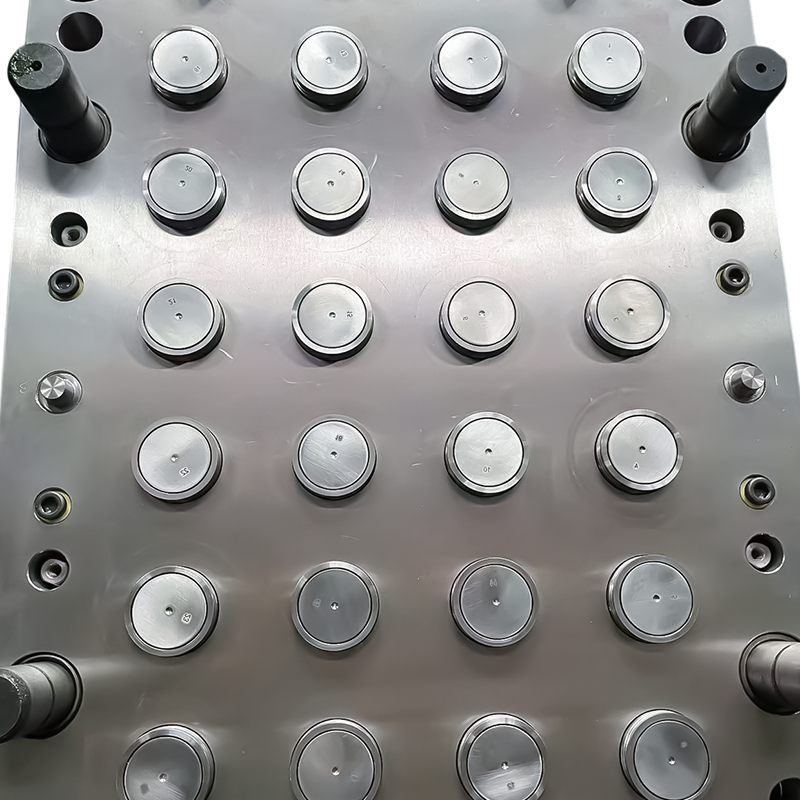
The Multiple Specifications High Precision Bottle Cap Mold is designed for manufacturers who require consistency, accuracy, and ve...
See Details


Contact Us