

 English
 Touchscreen Fully Automatic Bottle Blowing Machine
The Servo-driven lifting system is one of the standout features of this advanced bottle blowing machine. This system ensures fast,...
See Details
The packaging industry continues to develop in response to varied product requirements across different sectors. As manufacturers look for adaptable production methods, the Semi Automatic Bottle Blowing Machine is widely used in facilities that require flexible output and controlled operation. In many production setups, the Wide-Mouth Bottle Blowing Machine is also considered when container designs involve larger openings and specialized jar structures.
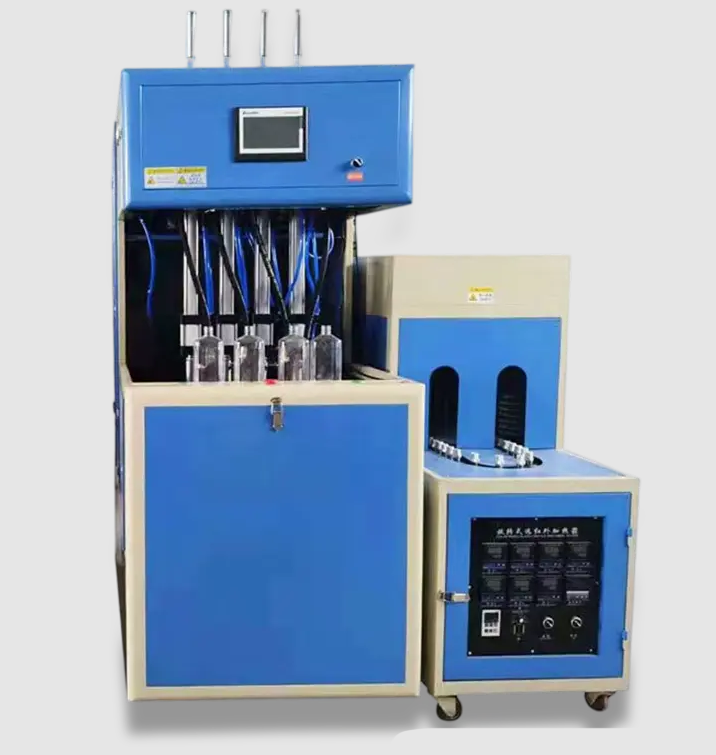
Use Across Multiple Packaging Sectors
A Semi Automatic Bottle Blowing Machine is commonly applied in a range of packaging industries due to its operational flexibility. It is suitable for producing PET bottles used in beverages, food products, personal care items, and household chemicals.
In beverage packaging, bottles for water, juice, and flavored drinks are frequently manufactured using semi automatic systems, especially in production environments where product variations are required. Food-related packaging, including edible oils and liquid condiments, also relies on this type of equipment for small to medium-scale production.
The personal care industry uses PET bottles for shampoos, lotions, and cosmetic liquids. Semi automatic systems allow manufacturers to adjust production according to different bottle shapes and sizes. Household chemical packaging, such as cleaning solutions, also benefits from this flexible production approach.
Because packaging requirements vary significantly across industries, equipment that can support multiple product formats remains relevant in many manufacturing environments.
Operational Characteristics and Workflow
The Semi Automatic Bottle Blowing Machine typically involves a combination of manual handling and controlled machine operation. Operators are responsible for placing preforms and managing certain production steps, while the machine handles the heating and blowing process.
This structure allows manufacturers to maintain a certain level of control over production while still benefiting from mechanical consistency during forming. It is often used in facilities where production volume varies or where product changeovers are frequent.
Compared with fully automated systems, semi automatic equipment generally requires more operator involvement, but it also offers adaptability for different production conditions. This makes it suitable for businesses that produce a wide range of bottle designs.
Production Considerations
Several factors influence production performance when using semi automatic systems. Operator experience plays an important role in maintaining consistent output. Proper handling during preform placement and bottle removal can contribute to stable production results.
Energy consumption and air supply are also important considerations. Stable compressed air systems help support consistent bottle formation, while proper temperature control ensures uniform heating of preforms.
Maintenance routines are another key aspect of operation. Regular inspection of heating elements, molds, and air systems can help maintain production stability over time.
In addition, production planning is often adjusted based on order requirements. Since semi automatic systems are commonly used for flexible manufacturing, scheduling and workflow organization are important for maintaining efficiency.
Comparison with Fully Automated Systems
In packaging production, different levels of automation are selected based on operational needs. Fully automated systems are designed for continuous production with minimal manual intervention, while semi automatic equipment provides a balance between manual control and machine-assisted forming.
A Semi Automatic Bottle Blowing Machine is often selected when manufacturers require flexibility in bottle design or when production volumes vary. It allows adjustments in production settings without requiring complex system changes.
On the other hand, automated systems are generally used in environments with stable, high-volume production requirements. The choice between these systems depends on factors such as production goals, product diversity, and facility planning.
In some cases, manufacturers may use both types of systems within the same facility to support different product lines. This combination allows greater adaptability in meeting diverse packaging requirements.
Relationship with Wide-Mouth Container Production
While semi automatic systems are widely used for standard bottle production, they can also be associated with wide-mouth container manufacturing in certain applications. A Wide-Mouth Bottle Blowing Machine is typically designed for containers with larger openings, but production environments may overlap depending on product requirements.
Wide-mouth containers are commonly used for food storage, cosmetic jars, and household packaging. When production needs involve different container types, manufacturers may evaluate both equipment options to determine suitable production methods.
This relationship between different machine types highlights the variety of solutions available in modern packaging production. Manufacturers often consider product type, design complexity, and operational flexibility when selecting equipment.
Market Development and Future Use
As packaging demands continue to diversify, manufacturers are expected to maintain interest in flexible production equipment. Semi automatic systems remain relevant in environments where adaptability and controlled production are important.
The Semi Automatic Bottle Blowing Machine continues to serve as a practical option for a wide range of packaging applications, particularly in small to medium-scale production environments. At the same time, the Wide-Mouth Bottle Blowing Machine supports container formats that require larger openings and specialized designs.
Together, these equipment types reflect the varied needs of modern packaging production, where flexibility and application diversity play an important role in manufacturing decisions.
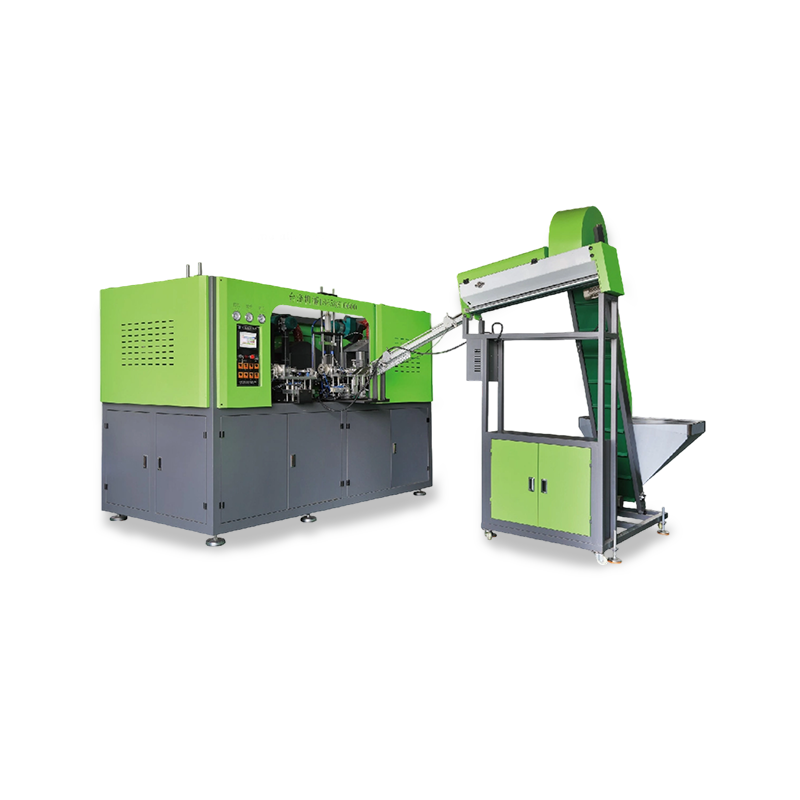
The Servo-driven lifting system is one of the standout features of this advanced bottle blowing machine. This system ensures fast,...
See Details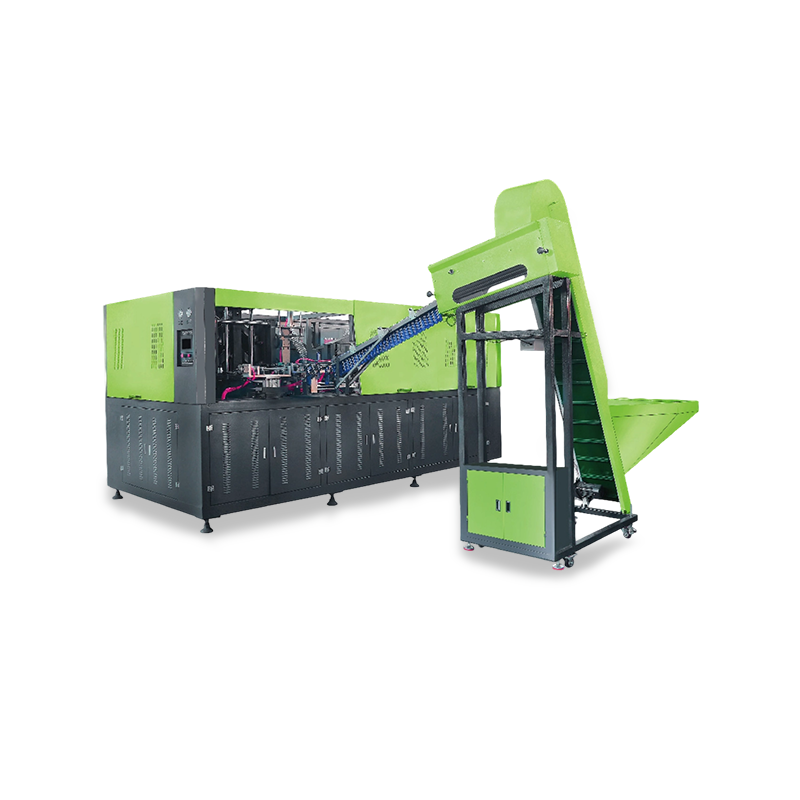
This PET-type bottle blowing machine is designed with advanced technology to meet the high-efficiency and high-precision requireme...
See Details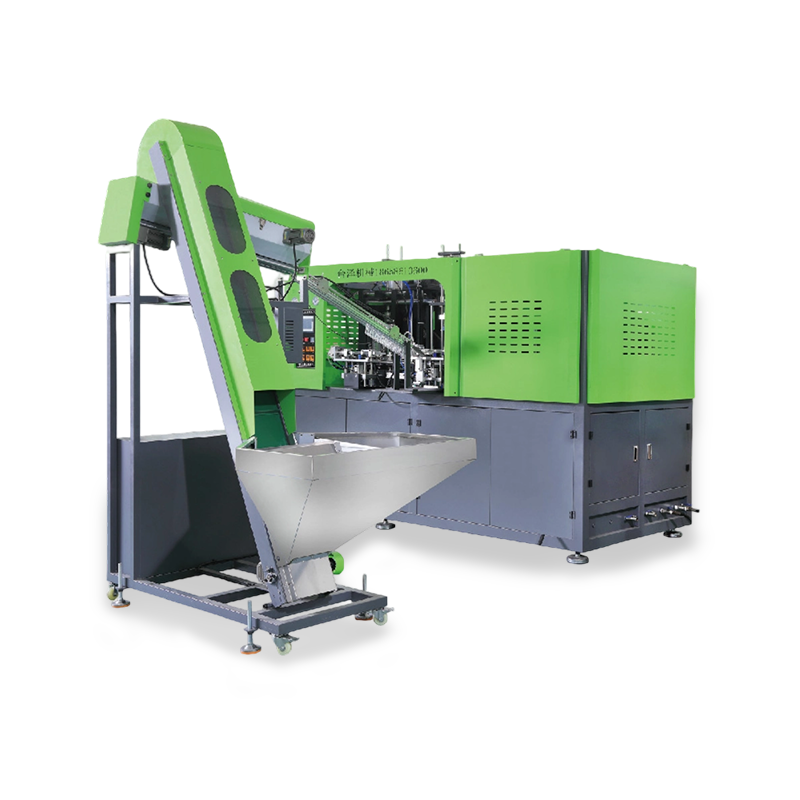
This bottle blowing machine is designed with precision engineering and modern automation technology, providing a reliable and effi...
See Details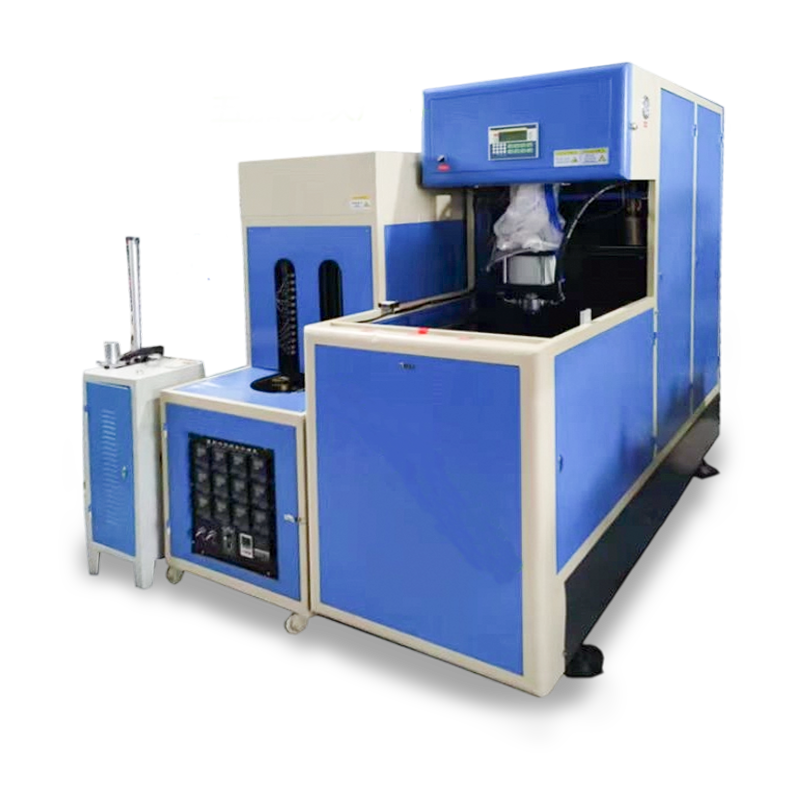
This bottle blowing equipment integrates cutting-edge automation and intelligent control technologies to meet the needs of modern ...
See Details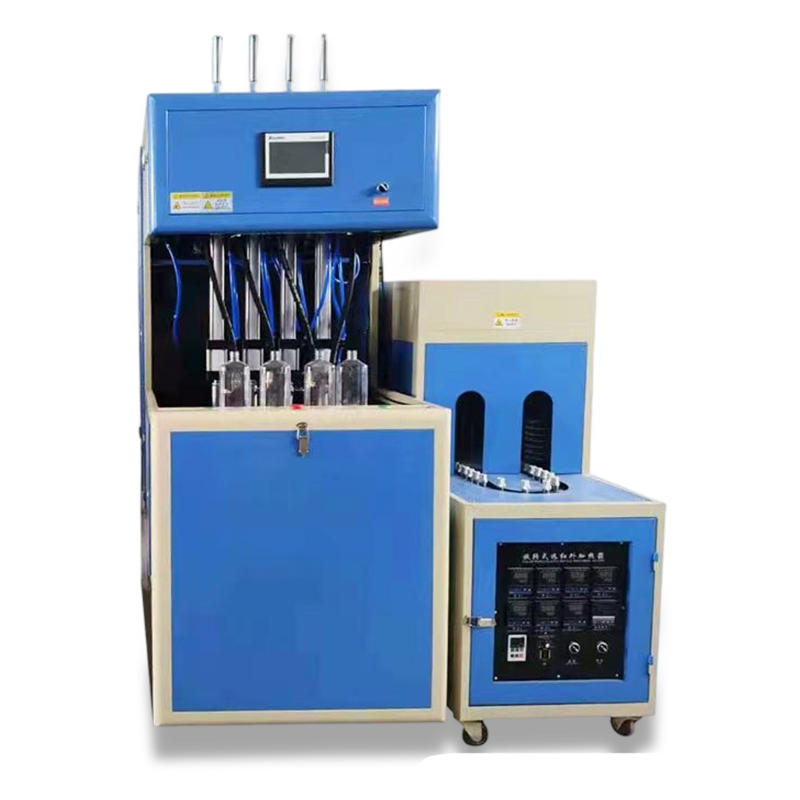
The Stable and Fast Automatic Bottle Blowing Machine is designed to meet the growing demand for streamlined bottle production with...
See Details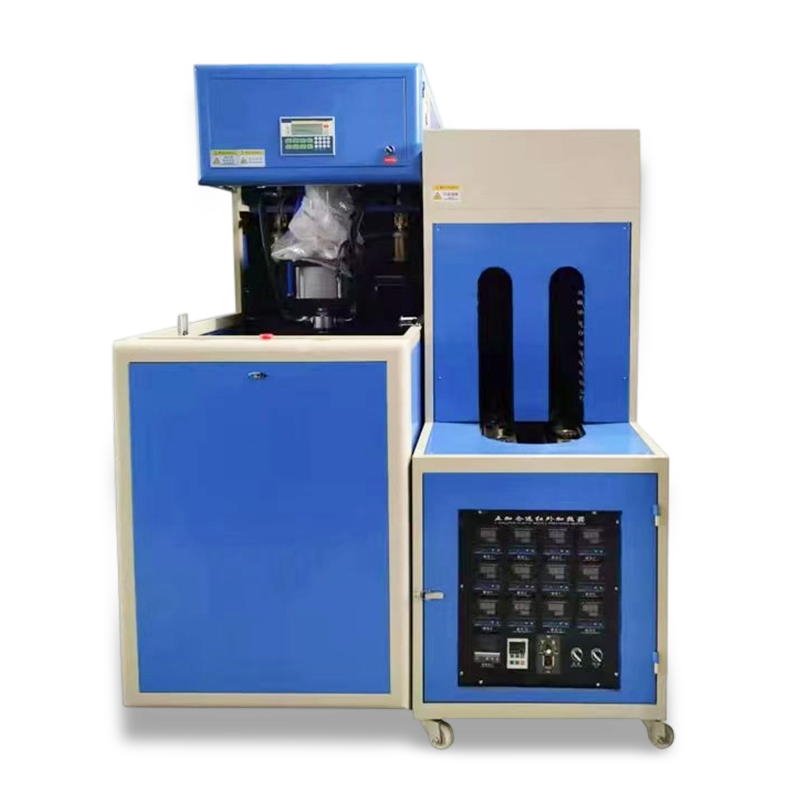
The 20L 3-5 Gallon Semi Automatic Bottle Blowing Machine for 5L-22L Bottles is specifically engineered for producing large-capacit...
See Details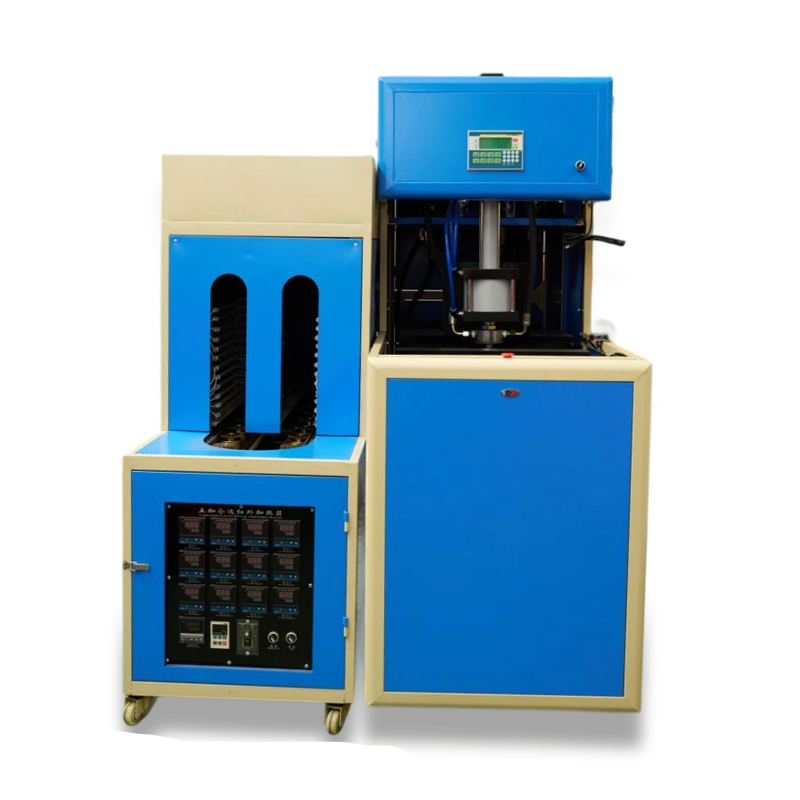
The Handle Bottle Semi Automatic Bottle Blowing Machine is designed to meet the production needs of handle-type plastic bottles in...
See Details


Contact Us