

 English
 Durable Fully Automatic Bottle Blowing Machine
This PET-type bottle blowing machine is designed with advanced technology to meet the high-efficiency and high-precision requireme...
See Details
Blow molding machines serve a vital function in the plastic packaging industry, enabling the production of bottles, containers, and other hollow items. Ensuring safety in blow molding machine manufacturing is essential not only for protecting operators but also for maintaining the integrity and efficiency of production lines. Both automatic extrusion blow moulding machines and hand blow molding machines require strict adherence to safety standards to lessen the risk of accidents and ensure consistent performance.
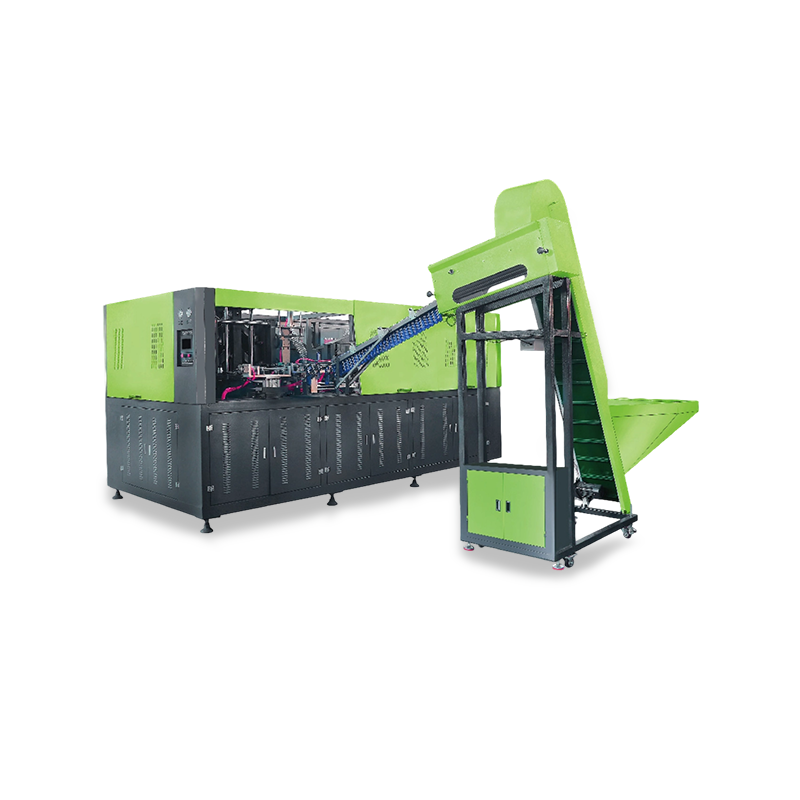
Safety regulations in blow molding machine manufacturing cover several aspects, including mechanical design, electrical systems, and operator interaction. For automatic extrusion blow moulding machines, one important consideration is the installation of guards and interlocks. These features prevent operators from accessing moving parts during operation, reducing the likelihood of injury. Similarly, hand blow molding machines benefit from ergonomic designs that reduce strain and improve handling, while also incorporating shields to prevent contact with hot surfaces or moving components.
Another key aspect of safety is emergency control systems. Both automatic extrusion blow moulding machines and hand blow molding machines should be equipped with clearly marked emergency stop buttons and accessible shutoff mechanisms. This allows operators to quickly halt machine operation in case of a malfunction or unexpected issue. Regular testing of these emergency systems is crucial, as it ensures that the machines respond correctly under critical conditions, protecting both personnel and equipment.
Electrical safety is also a major concern in blow molding machine manufacturing. Automatic extrusion blow moulding machines often involve high-voltage components and complex wiring systems. Proper insulation, grounding, and adherence to international electrical standards are necessary to prevent short circuits, shocks, or fire hazards. Hand blow molding machines, while generally less complex, still require careful attention to wiring and control systems, particularly in workshops where multiple machines operate simultaneously. Ensuring that both types of machines meet electrical safety standards helps create a secure production environment.
Training and operational procedures form another pillar of safety standards. Operators of automatic extrusion blow moulding machines need to understand machine functions, safety interlocks, and emergency protocols. Hand blow molding machines also require proper training, as manual handling introduces unique risks related to heat, pressure, and repetitive motion. Comprehensive training programs and clear operation manuals help reduce accidents and ensure consistent product quality.
Maintenance practices play a significant role in sustaining safety over time. Both automatic extrusion blow moulding machines and hand blow molding machines should follow scheduled inspections to check for wear, alignment issues, or malfunctioning safety devices. Lubrication, part replacement, and cleaning routines must be performed with safety precautions in mind, including shutting down machines and wearing protective equipment. Regular maintenance not only prolongs the machine's lifespan but also lessens the risk of workplace injuries.
Furthermore, safety standards encourage the use of personal protective equipment (PPE) for operators, including gloves, goggles, and heat-resistant clothing. In facilities with both automatic extrusion blow moulding machines and hand blow molding machines, providing appropriate PPE ensures that workers are protected from hazards such as hot surfaces, moving parts, and material splashes. Combining protective gear with machine safeguards creates a comprehensive safety system.
Automatic extrusion blow moulding machines and hand blow molding machines each present unique risks that require careful attention to design, electrical systems, emergency controls, training, and maintenance. By implementing robust safety protocols and fostering a culture of awareness, manufacturers can protect operators, improve production efficiency, and ensure consistent product quality. Safety is not just a regulatory requirement; it is an integral part of responsible blow molding machine manufacturing and long-term operational success.
This PET-type bottle blowing machine is designed with advanced technology to meet the high-efficiency and high-precision requireme...
See Details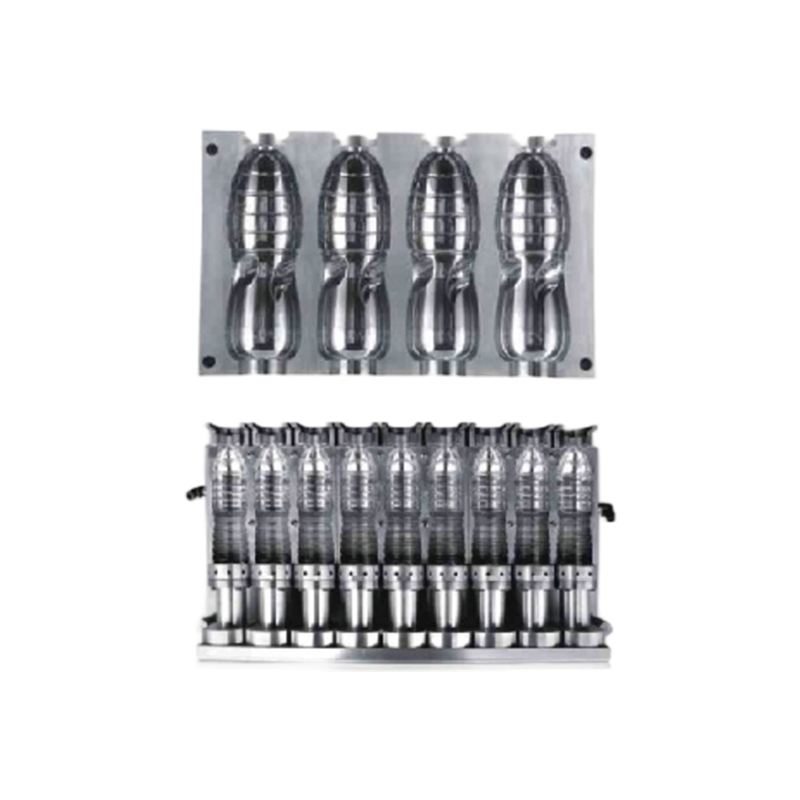
Our Blowing Molds Made On Demand Bottle Injection Mold solutions are designed with advanced 3D computer-aided design (CAD) technol...
See Details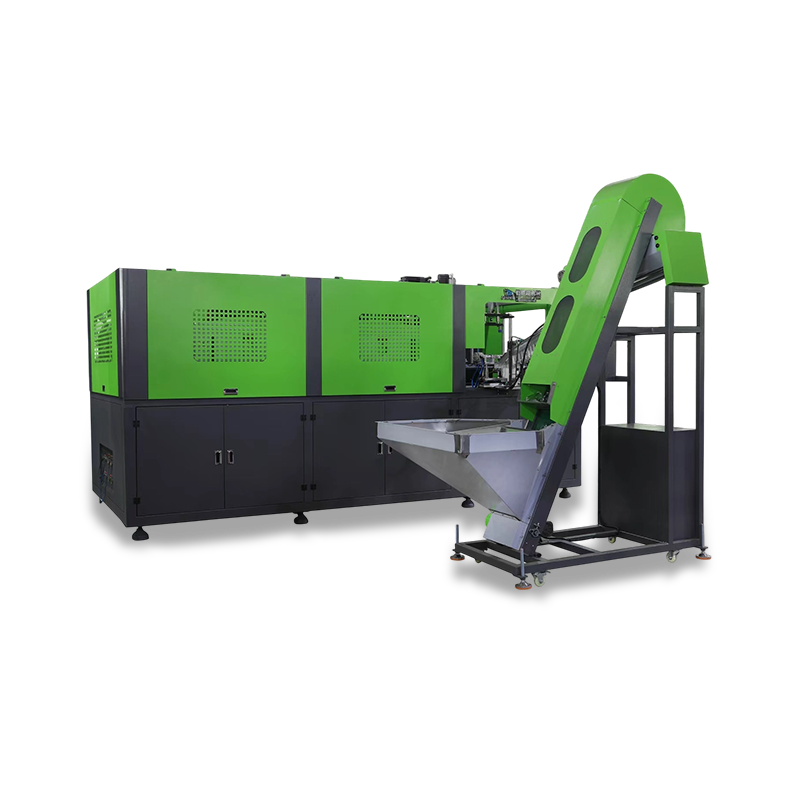
The 6-Cavity Fully Automatic Bottle Blowing Machine For Bottles From 100ML To 2L is designed to provide efficient and reliable pro...
See Details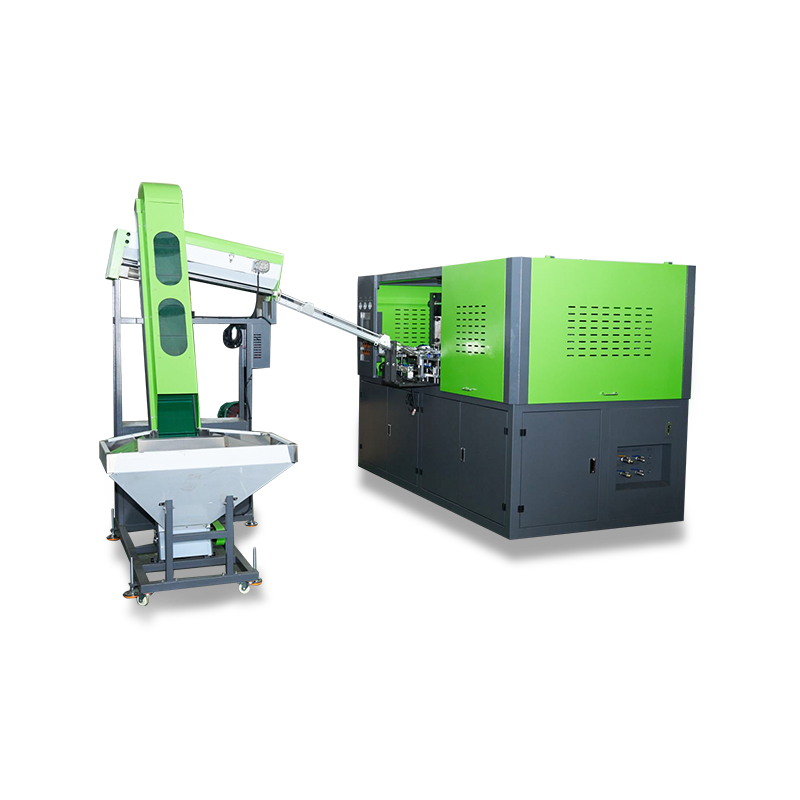
The 2-Cavity PET Preform Manufacturing Fully Automatic Bottle Blowing Machine is an efficient and intelligent solution for produci...
See Details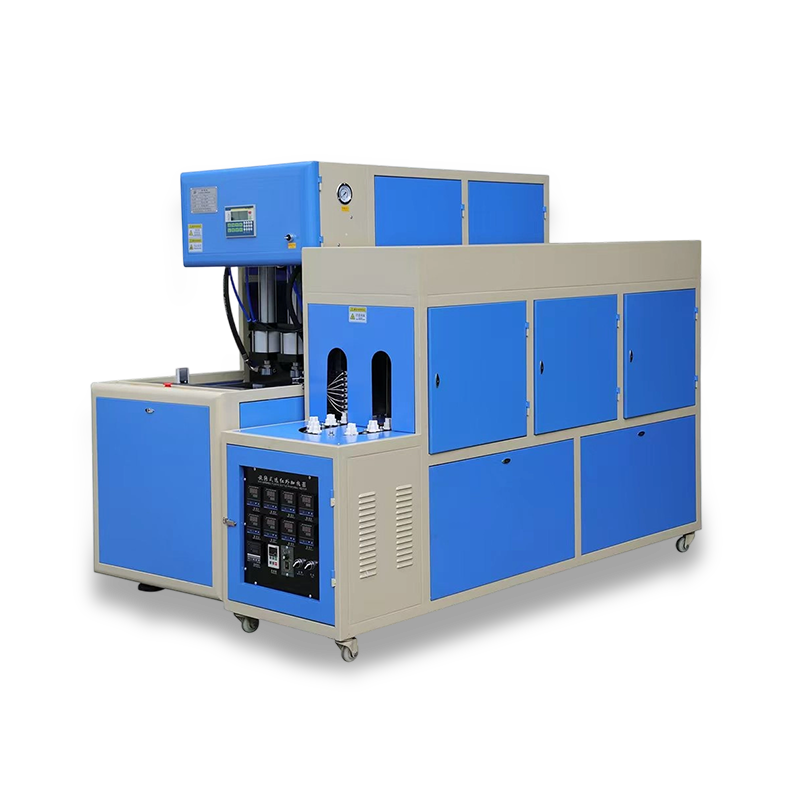
The 3L 2 Cavity Plastic PET Bottle Semi-Automatic Bottle Blowing Machine is designed to meet the needs of small to medium-scale bo...
See Details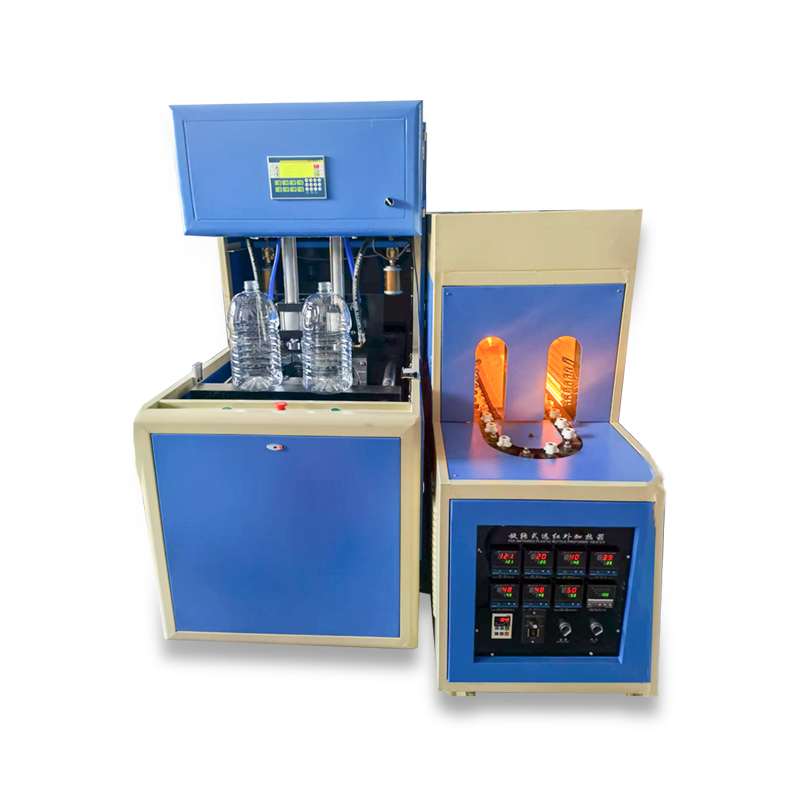
The 5L Manual Extrusion Semi-Automatic Bottle Blowing Machine is specifically designed for producing medium-capacity plastic conta...
See Details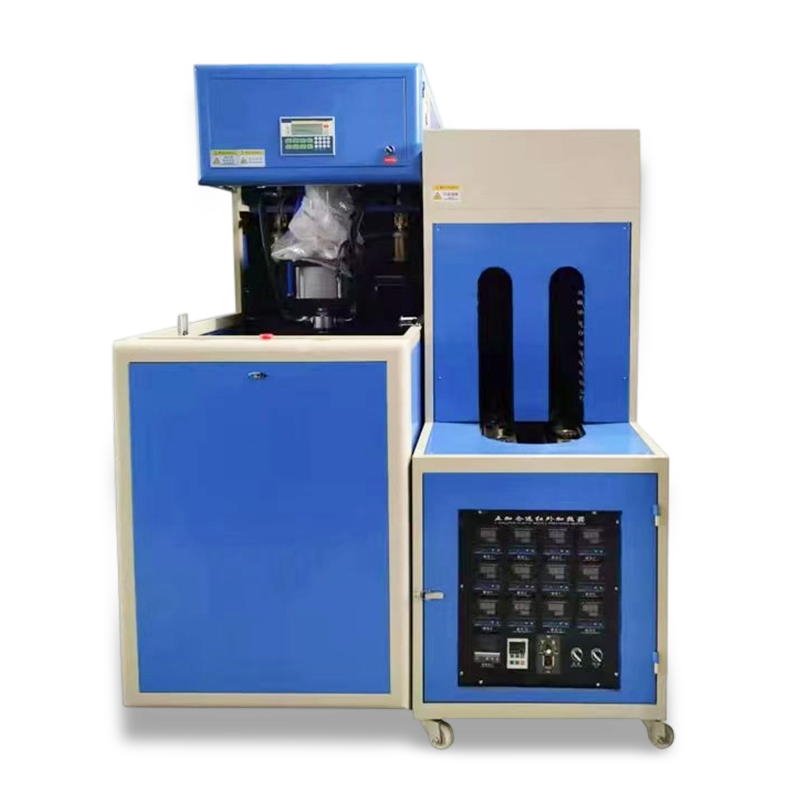
The 20L 3-5 Gallon Semi Automatic Bottle Blowing Machine for 5L-22L Bottles is specifically engineered for producing large-capacit...
See Details


Contact Us