

 English
 Steady Fully Automatic Bottle Blowing Machine
This PET bottle blowing machine is designed to meet the demands of modern bottle manufacturing with high automation, reliability, ...
See Details
Waste reduction has become an essential consideration in modern bottle mold manufacturing. As manufacturers continue to respond to environmental concerns and cost pressures, implementing strategies to lessen material loss and energy consumption is increasingly important. The integration of efficient equipment, careful process control, and smart operational planning all contribute to reducing waste in production. Specifically, the use of a PET bottle injection moulding machine and a plastic blowing machine plays a central role in achieving these goals.
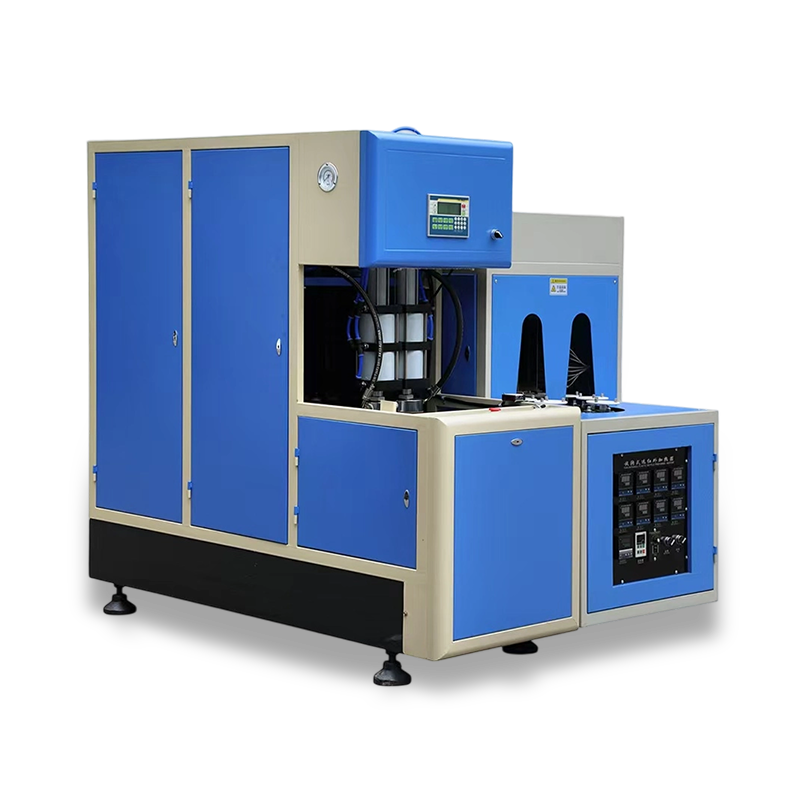
One of the primary sources of waste in bottle mold manufacturing is excess plastic material. During the production of PET bottles, leftover runners, sprues, and defective preforms can accumulate quickly if not properly managed. Employing a PET bottle injection moulding machine with precise control over injection parameters can significantly reduce these material losses. By fine-tuning temperature, pressure, and cycle time, manufacturers can reduce flash, shrinkage, and rejected parts. Similarly, using a plastic blowing machine with adjustable blowing pressure ensures that each bottle meets dimensional and weight specifications, reducing the number of defective bottles produced.
Another important strategy involves process optimization. Modern bottle mold manufacturing relies on the seamless integration of multiple stages, including preform molding, cooling, and final blow molding. By synchronizing operations on the PET bottle injection moulding machine and plastic blowing machine, manufacturers can streamline production flow and reduce idle times that contribute to energy and material waste. For example, coordinating the cooling cycle of the preform mold with the blowing cycle can prevent overheating, reduce energy consumption, and maintain consistent product quality. Such operational efficiency reduces both plastic scrap and utility costs.
Material selection and recycling practices also have a significant impact on waste reduction. Choosing PET resins with consistent viscosity and thermal properties can lessen defects during injection molding. Additionally, defective bottles and excess trim from the plastic blowing machine can be collected and reprocessed, either by direct regrinding or by blending with virgin material in subsequent production runs. This closed-loop approach not only decreases the volume of discarded material but also lowers raw material expenses. When combined with a PET bottle injection moulding machine designed for energy-efficient operation, these practices contribute to a more sustainable manufacturing cycle.
Maintenance and equipment monitoring are further tools for reducing waste. Regular inspection of mold cavities and blowing dies ensures that wear or damage does not advance to defective bottles. Implementing predictive maintenance for both the PET bottle injection moulding machine and the plastic blowing machine can prevent unexpected downtime and material loss caused by sudden equipment failure. Additionally, monitoring machine performance through digital controls allows operators to identify trends, adjust parameters, and maintain consistent production quality, thereby reducing scrap and rework.
Finally, employee training and awareness play a key role in waste reduction. Operators trained to understand the functions and limitations of the PET bottle injection moulding machine and plastic blowing machine are better equipped to respond to process deviations quickly. Encouraging a culture of resource conservation, including careful handling of raw materials and proper sorting of rejected products, reinforces the effectiveness of technical solutions. By combining human expertise with advanced machinery, manufacturers can achieve measurable reductions in both material waste and energy use.
The strategic use of a PET bottle injection moulding machine and plastic blowing machine can lessen plastic scrap, improve energy efficiency, and support sustainable production practices. By optimizing operations, implementing recycling strategies, maintaining equipment, and fostering operator awareness, manufacturers can reduce waste throughout the production cycle. Over time, these efforts not only conserve resources and lower costs but also contribute to more environmentally responsible bottle mold manufacturing.
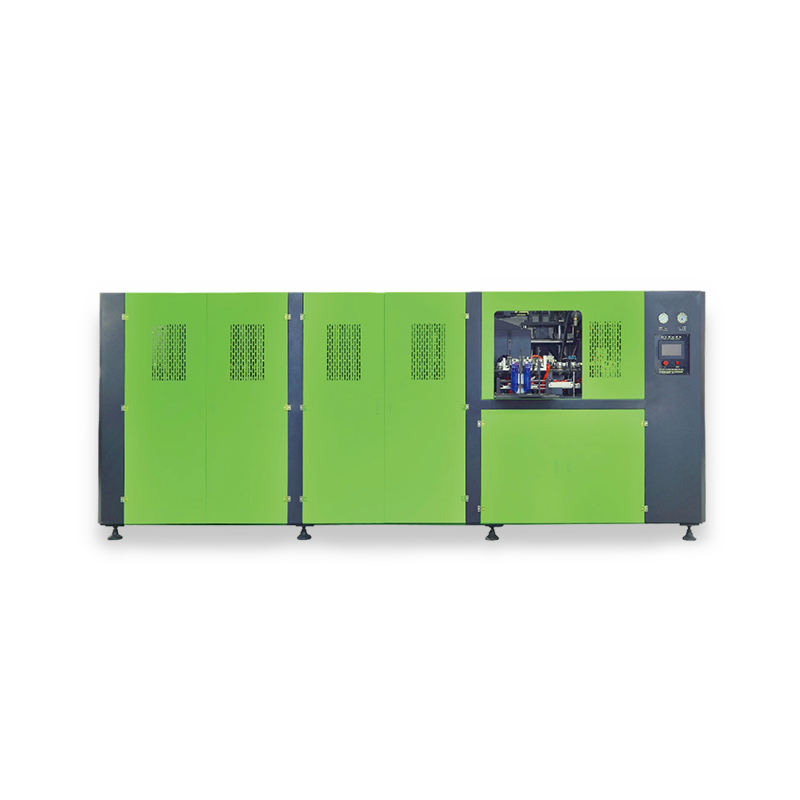
This PET bottle blowing machine is designed to meet the demands of modern bottle manufacturing with high automation, reliability, ...
See Details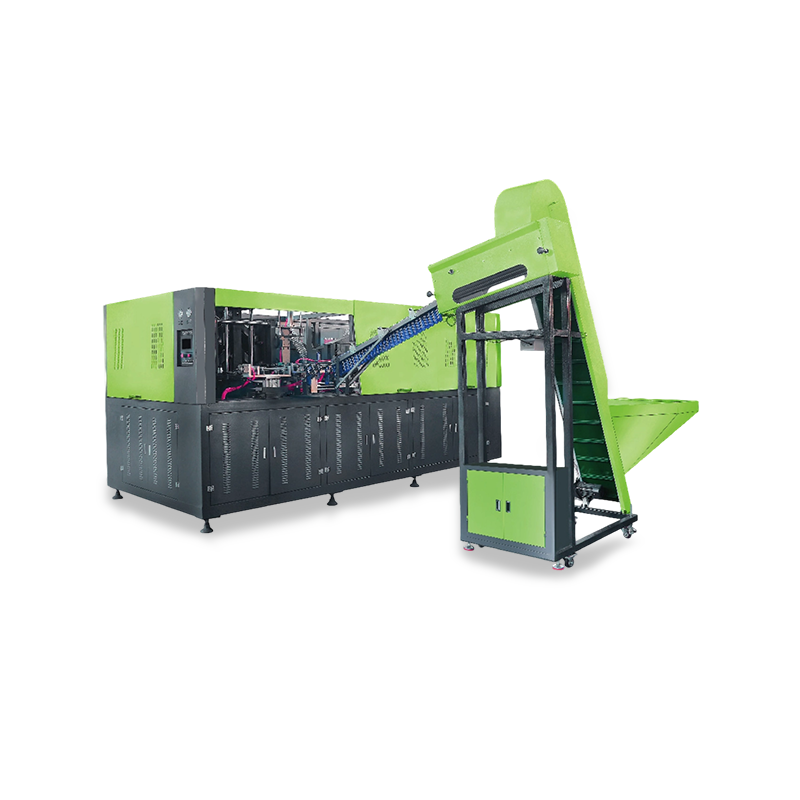
This PET-type bottle blowing machine is designed with advanced technology to meet the high-efficiency and high-precision requireme...
See Details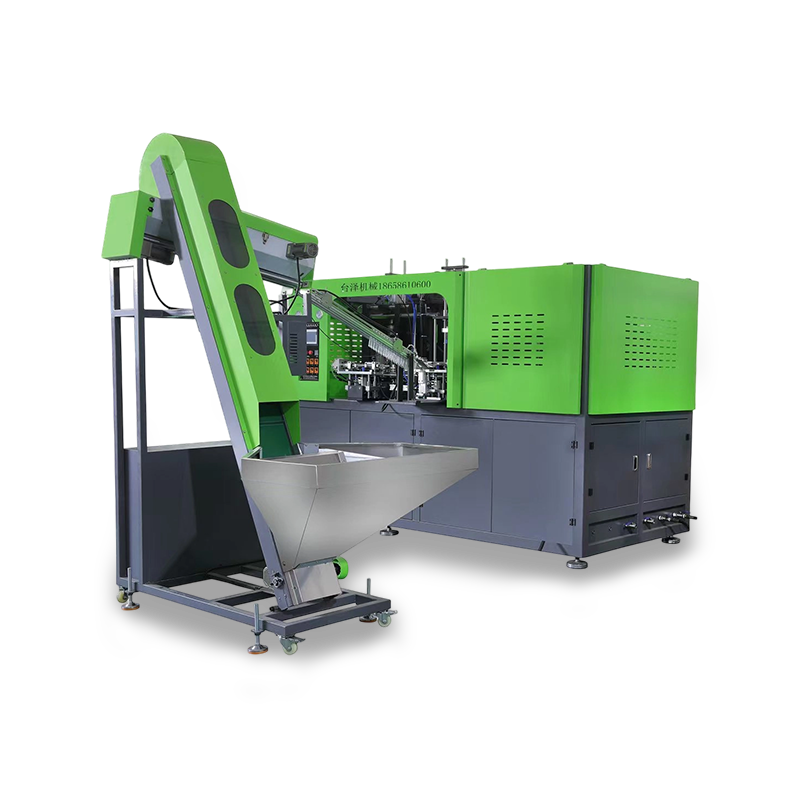
The 4-Cavity High Speed Multifunctional Fully Automatic Bottle Blowing Machine is a reliable solution designed for efficient PET b...
See Details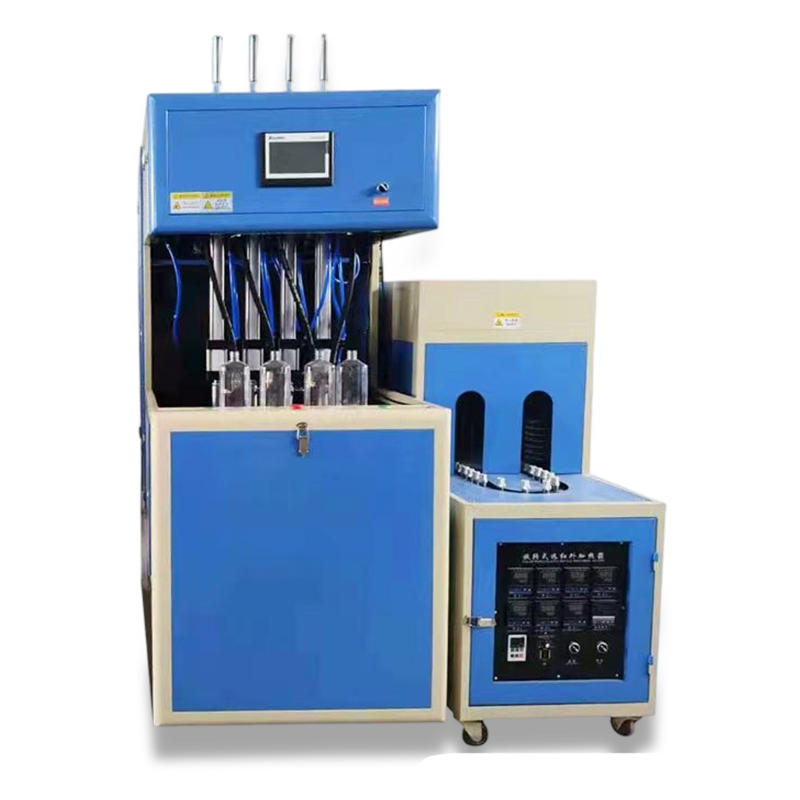
The Stable and Fast Automatic Bottle Blowing Machine is designed to meet the growing demand for streamlined bottle production with...
See Details
The 1L 4 Cavity Manual Vial Semi Automatic Bottle Blowing Machine is designed to offer practical and efficient bottle production f...
See Details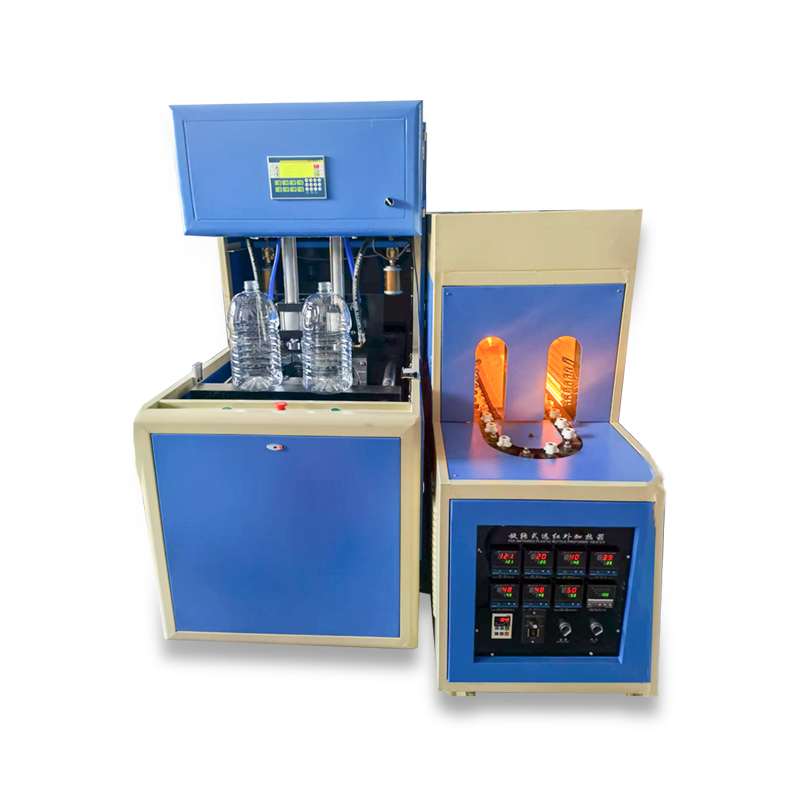
The 5L Manual Extrusion Semi-Automatic Bottle Blowing Machine is specifically designed for producing medium-capacity plastic conta...
See Details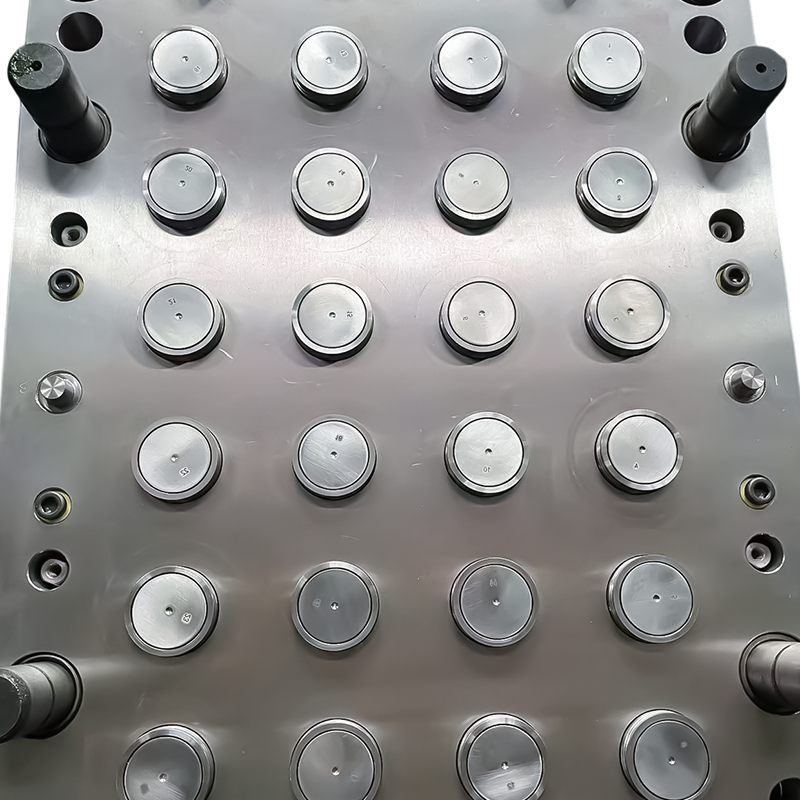
The Multiple Specifications High Precision Bottle Cap Mold is designed for manufacturers who require consistency, accuracy, and ve...
See Details


Contact Us