

 English
 Durable Fully Automatic Bottle Blowing Machine
This PET-type bottle blowing machine is designed with advanced technology to meet the high-efficiency and high-precision requireme...
See Details
Automation has become a crucial aspect of bottle cap mold production, offering manufacturers consistent quality, improved efficiency, and reduced labor costs. In recent years, advancements in technology have allowed bottle cap injection molding machines to integrate automated processes that were once performed manually. By automating key stages such as material feeding, mold closing, and ejection, manufacturers can maintain a steady production flow with less human error. This development not only supports large-scale production but also allows for more precise control over the final product quality.
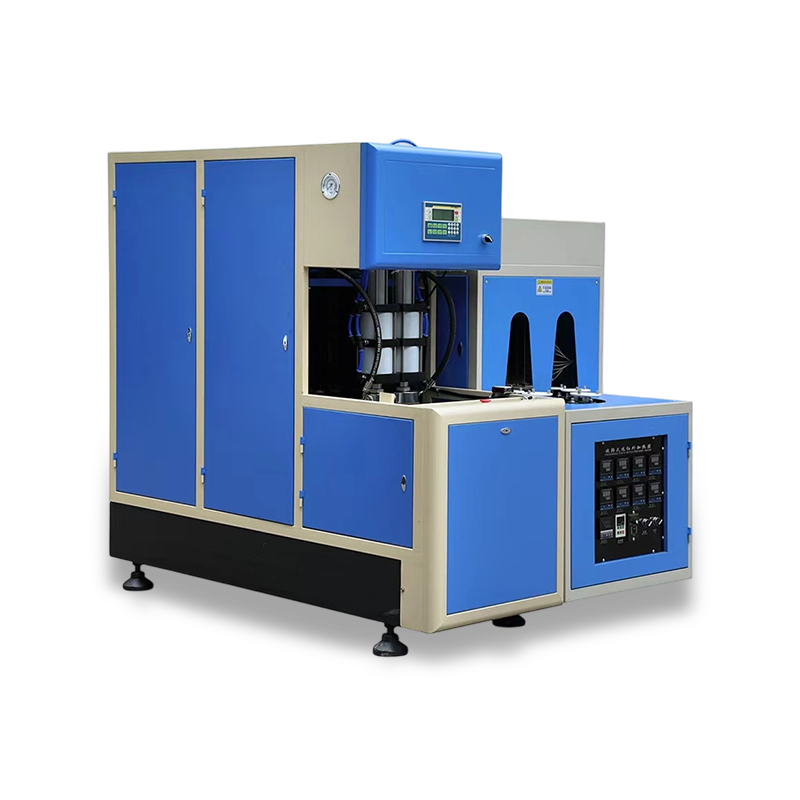
One of the primary benefits of automation in bottle cap mold production is the ability to maintain uniformity across high-volume runs. Modern bottle cap injection molding machines are equipped with sensors and control systems that monitor every aspect of the molding process, from temperature to pressure. This ensures that each bottle cap meets specific dimensional and strength requirements. Additionally, when paired with an injection blowing machine, manufacturers can synchronize cap production with bottle-forming processes, allowing for smoother integration in the overall packaging line. The injection blowing machine contributes to shaping the bottle accurately, which in turn ensures that caps fit consistently without compromising sealing or performance.
Automation also brings flexibility to bottle cap mold production. With programmable settings on bottle cap injection molding machines, manufacturers can adjust cycle times, injection speeds, and cooling parameters to meet different product specifications. This is particularly useful when producing caps of varying sizes or materials. The injection blowing machine complements this flexibility by accommodating various bottle shapes and wall thicknesses, enabling the production of compatible bottle-cap combinations efficiently. By coordinating both machines, production lines can handle multiple product types without the need for extensive manual intervention.
Maintenance and monitoring have also improved with automation. Many bottle cap injection molding machines now include predictive maintenance features that alert operators to potential issues before they cause downtime. This reduces unexpected stops and helps maintain continuous production. Similarly, injection blowing machines benefit from automated monitoring systems that detect irregularities in bottle formation. Together, these automated systems enhance reliability and reduce the likelihood of defects that could affect both bottles and caps.
Sustainability is another aspect that automation supports in bottle cap mold production. Automated processes on bottle cap injection molding machines reduce material waste by optimizing injection volume and reducing rejected parts. The injection blowing machine further contributes by shaping bottles with consistent wall thickness, which reduces the amount of plastic required per unit. Over time, this can advance to lower energy consumption and a more efficient use of raw materials, supporting environmentally conscious production goals.
Training and workforce management have also evolved with automation. While skilled operators are still necessary to oversee production, automated systems reduce the need for manual labor in repetitive tasks. Operators can focus on monitoring quality, troubleshooting, and optimizing production parameters rather than performing physical molding steps. Bottle cap injection molding machines and injection blowing machines equipped with automated controls allow teams to manage larger production volumes with fewer personnel, creating a safer and more manageable working environment.
By integrating bottle cap injection molding machines with injection blowing machines, manufacturers can achieve seamless production lines that handle diverse product requirements with small intervention. Automated systems improve quality control, reduce waste, and streamline operations while maintaining the adaptability needed to meet evolving market demands. As the packaging industry continues to evolve, automation will play a central role in optimizing bottle cap and bottle production, supporting both productivity and sustainability goals.
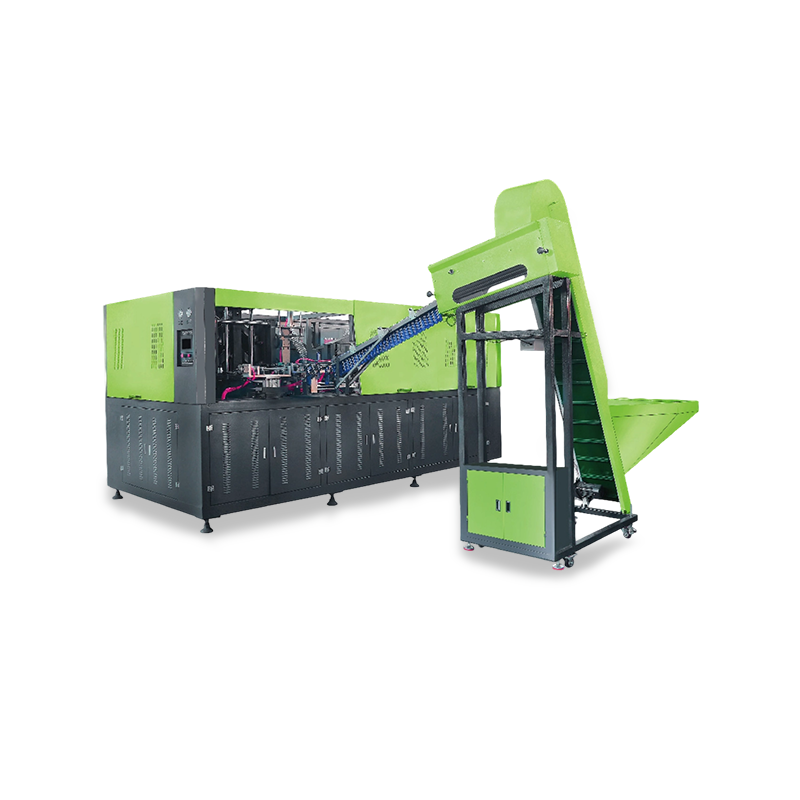
This PET-type bottle blowing machine is designed with advanced technology to meet the high-efficiency and high-precision requireme...
See Details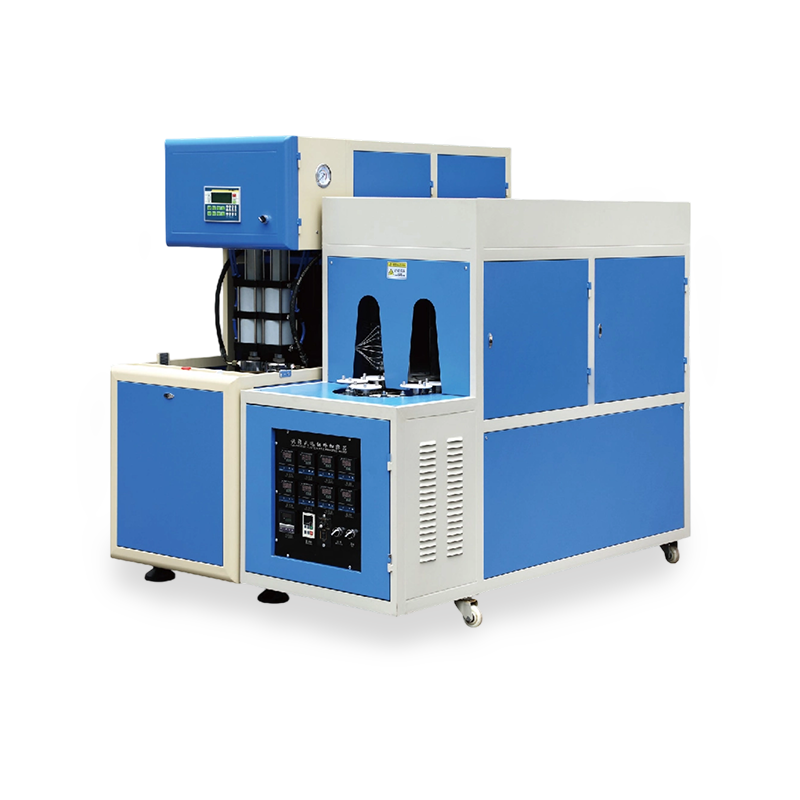
The fully automatic bottle blowing machine is a high-performance equipment designed for efficiency, precision, and ease of operati...
See Details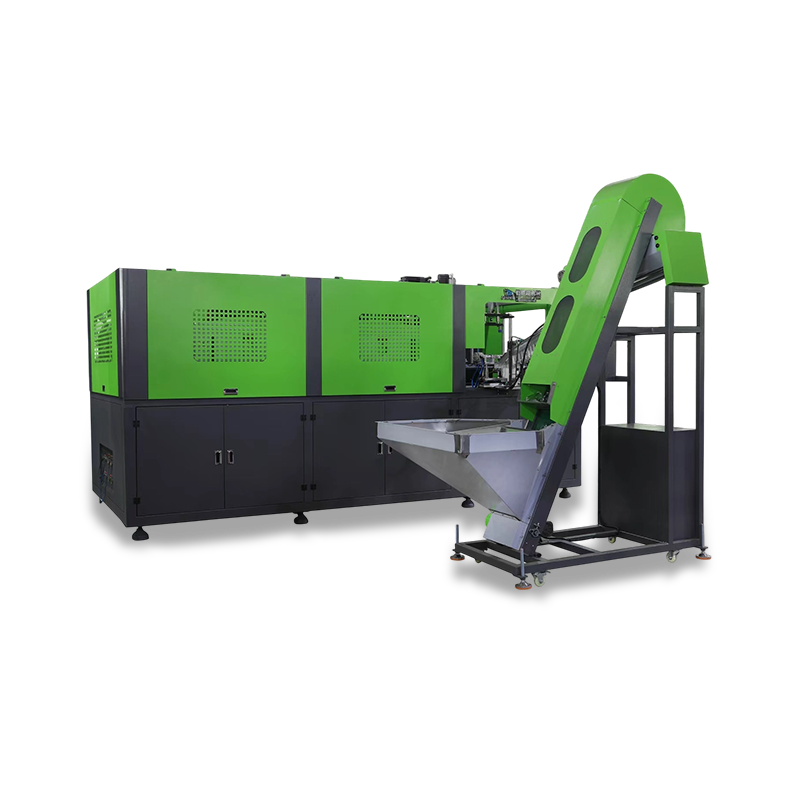
The 6-Cavity Fully Automatic Bottle Blowing Machine For Bottles From 100ML To 2L is designed to provide efficient and reliable pro...
See Details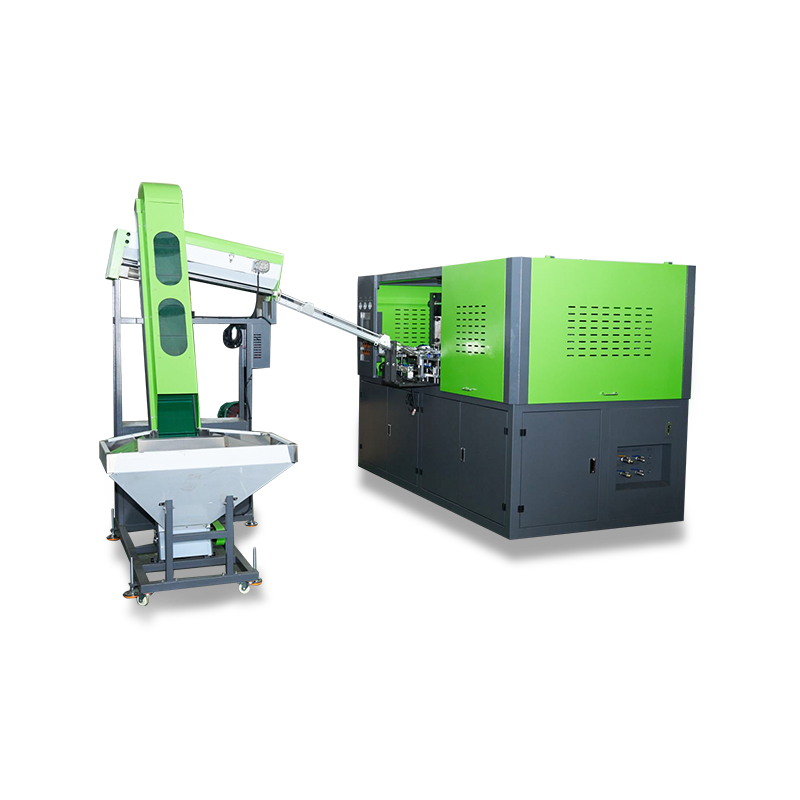
The 2-Cavity PET Preform Manufacturing Fully Automatic Bottle Blowing Machine is an efficient and intelligent solution for produci...
See Details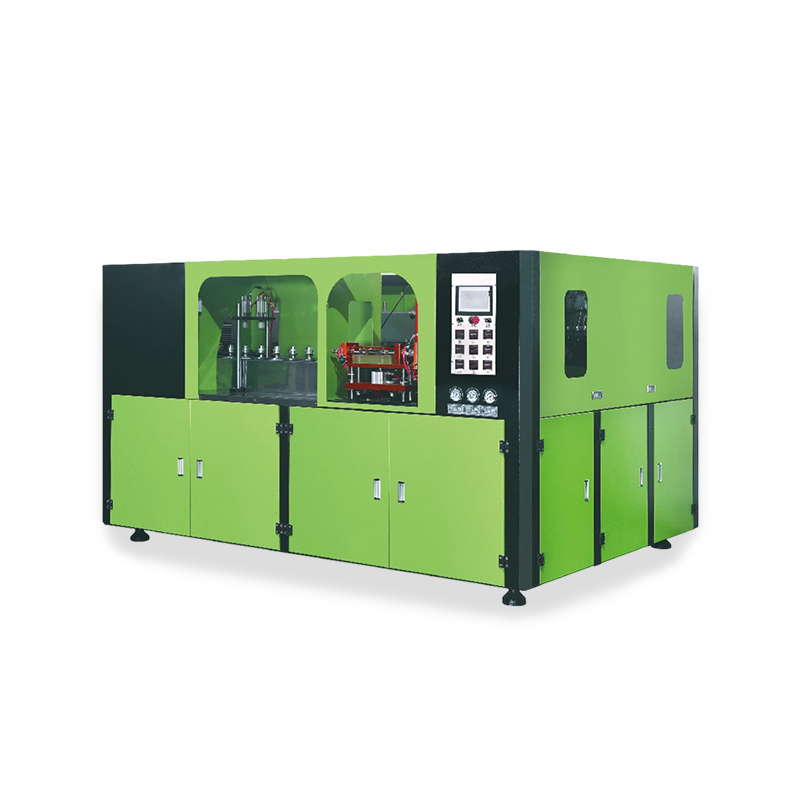
The 1-Chamber Large Capacity Tank Fully Automatic Bottle Blowing Machine is engineered to meet the needs of industrial-scale produ...
See Details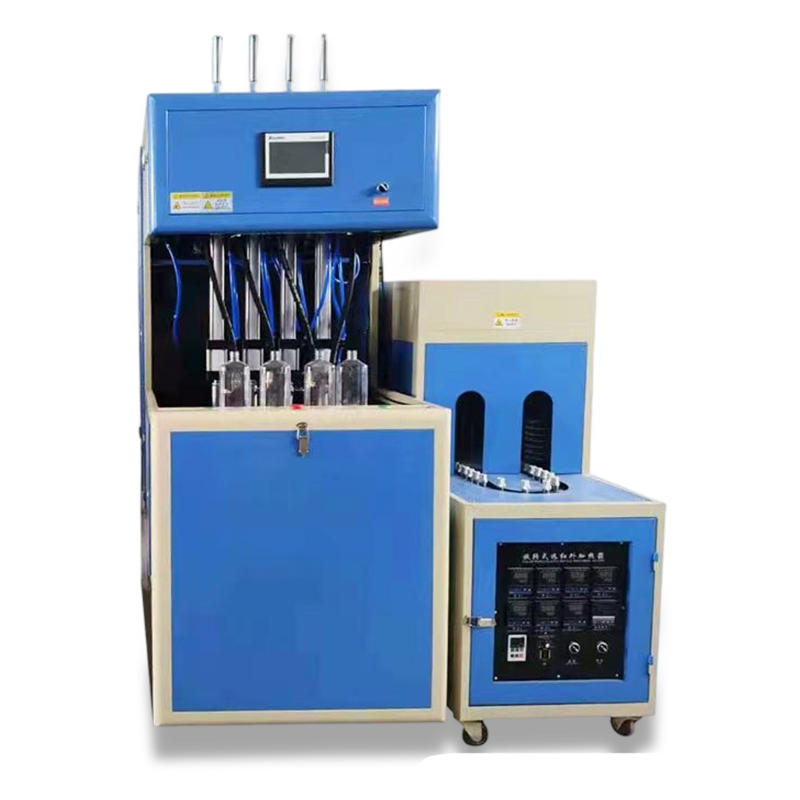
The 1L 4 Cavity Manual Vial Semi Automatic Bottle Blowing Machine is designed to offer practical and efficient bottle production f...
See Details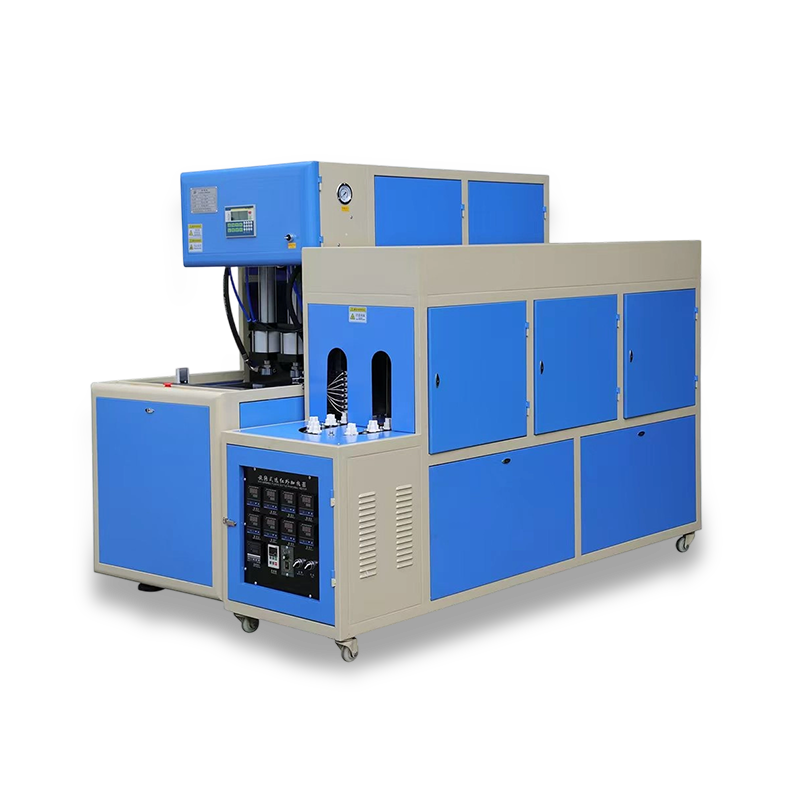
The 3L 2 Cavity Plastic PET Bottle Semi-Automatic Bottle Blowing Machine is designed to meet the needs of small to medium-scale bo...
See Details


Contact Us