

 English
 Durable Fully Automatic Bottle Blowing Machine
This PET-type bottle blowing machine is designed with advanced technology to meet the high-efficiency and high-precision requireme...
See Details
For manufacturers working with a Blowing Machine or a Pet Bottle Blowing Machine, understanding the proper timing and method for adjusting air pressure is crucial for maintaining consistent bottle quality and optimizing production efficiency. Air pressure directly affects wall thickness, bottle strength, and overall formation during the blowing process.
One of the indicators that air pressure adjustments are necessary is inconsistency in bottle dimensions. Variations in wall thickness, uneven bases, or deformed necks often point to either excessive or insufficient blowing pressure. Operators should routinely inspect bottles at the beginning of each production shift and after mold changes to identify any discrepancies early. Changes in environmental conditions, such as temperature or humidity, may also require fine-tuning of air pressure to ensure the preforms stretch and expand correctly.
Additionally, unusual stress patterns, such as thin walls near the bottle neck or base, can signal that the air pressure is not balanced for the specific preform material. Pet Bottle Blowing Machines often accommodate different bottle types and sizes, meaning that air pressure settings suitable for one mold may not perform optimally for another. Recognizing these subtle signs helps maintain consistent product quality without interrupting production unnecessarily.
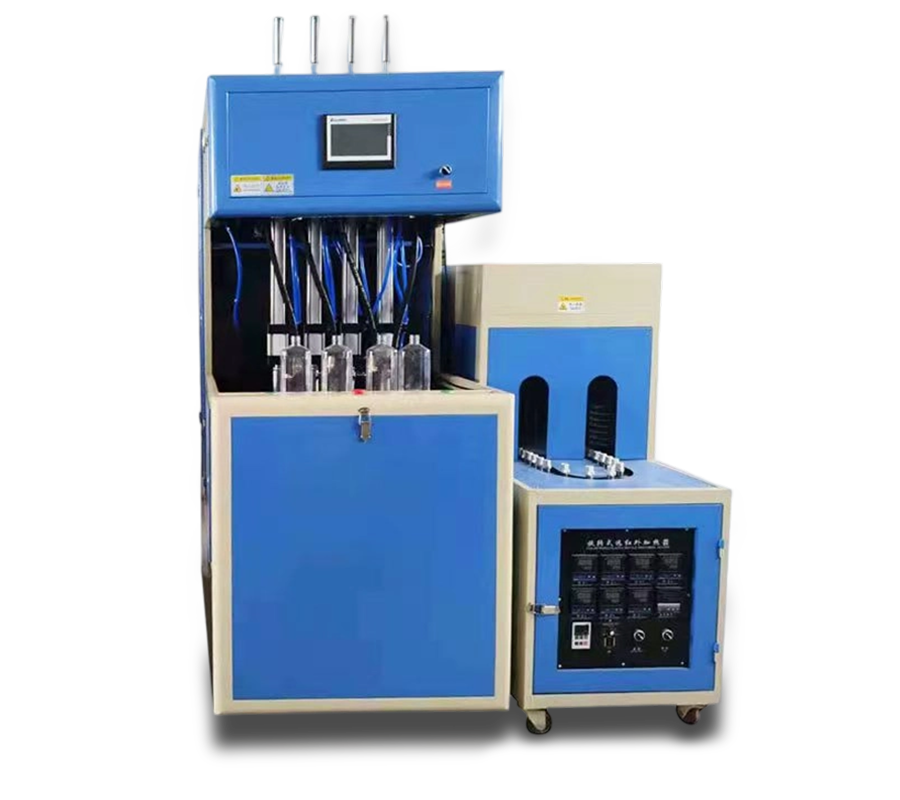
Blowing Machines designed for multiple bottle outputs allow simultaneous production of several bottles, which introduces additional variables affecting air distribution. Operators should consider factors such as bottle height, neck finish, and wall thickness when adjusting air pressure. Taller or larger bottles typically require slightly higher pressure to achieve uniform wall thickness, whereas shorter or smaller bottles may need reduced pressure to prevent over-stretching and thinning.
Many modern Pet Bottle Blowing Machines feature programmable control panels that display real-time pressure readings and allow precise adjustments. Using these systems, operators can modify settings in small increments and observe the resulting impact on the few bottles produced.
Air pressure adjustments are often necessary during the initial setup of a production run and after any change in mold configuration. Operators should make incremental changes and allow the machine to stabilize for several cycles before fully evaluating the results. It is also beneficial to monitor bottles during extended runs, as equipment heating, material fatigue, or air supply fluctuations can gradually affect blowing performance.
Scheduled maintenance and routine checks of compressors, valves, and air lines contribute to consistent pressure delivery. Operators should address any pressure drops or irregularities promptly, as ignoring these issues may lead to repeated defects, increased material waste, and more frequent downtime.
Some Pet Bottle Blowing Machines come equipped with data logging capabilities, recording parameters such as temperature, air pressure, and cycle time for each batch. Analyzing this data helps operators identify trends and make proactive adjustments before defects occur. By correlating air pressure settings with bottle quality metrics, operators can develop standard operating procedures that streamline production while maintaining consistent output.
Air pressure is a dynamic factor in bottle production that directly influences both product quality and operational efficiency. By carefully monitoring bottle appearance, adapting pressure settings to different bottle designs, and leveraging intelligent control systems, operators can achieve stable and consistent performance from their Blowing Machine. Regular evaluation and timely adjustment of air pressure settings help maintain high-quality production while reducing waste and supporting energy-efficient operations.
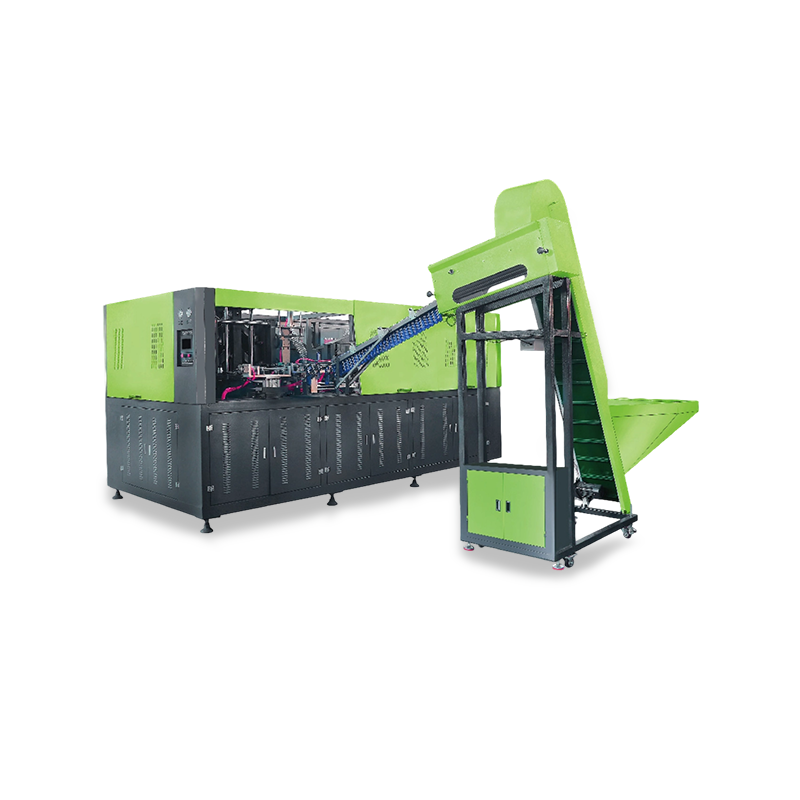
This PET-type bottle blowing machine is designed with advanced technology to meet the high-efficiency and high-precision requireme...
See Details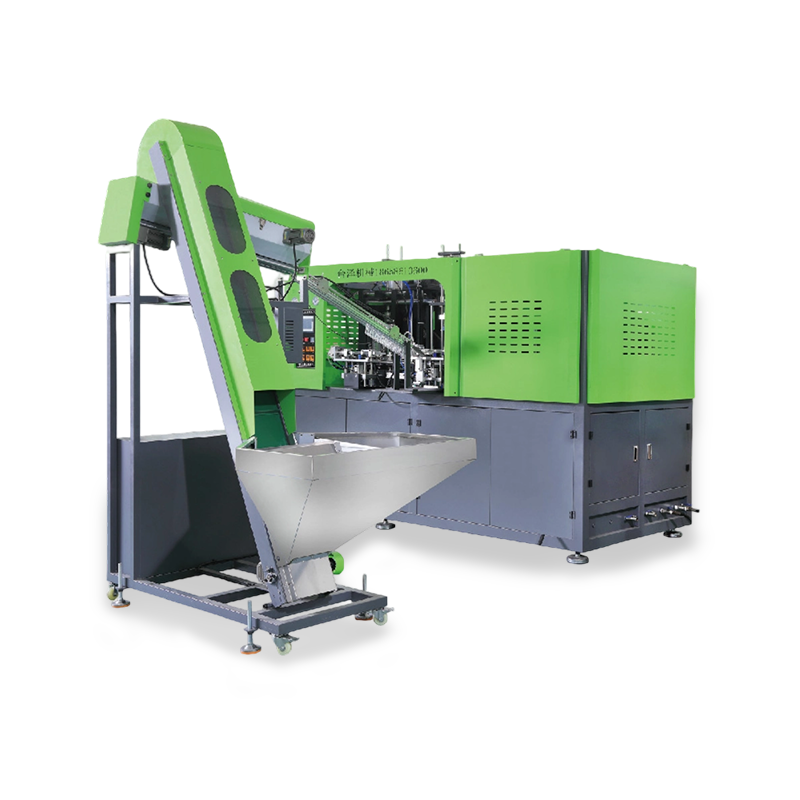
This bottle blowing machine is designed with precision engineering and modern automation technology, providing a reliable and effi...
See Details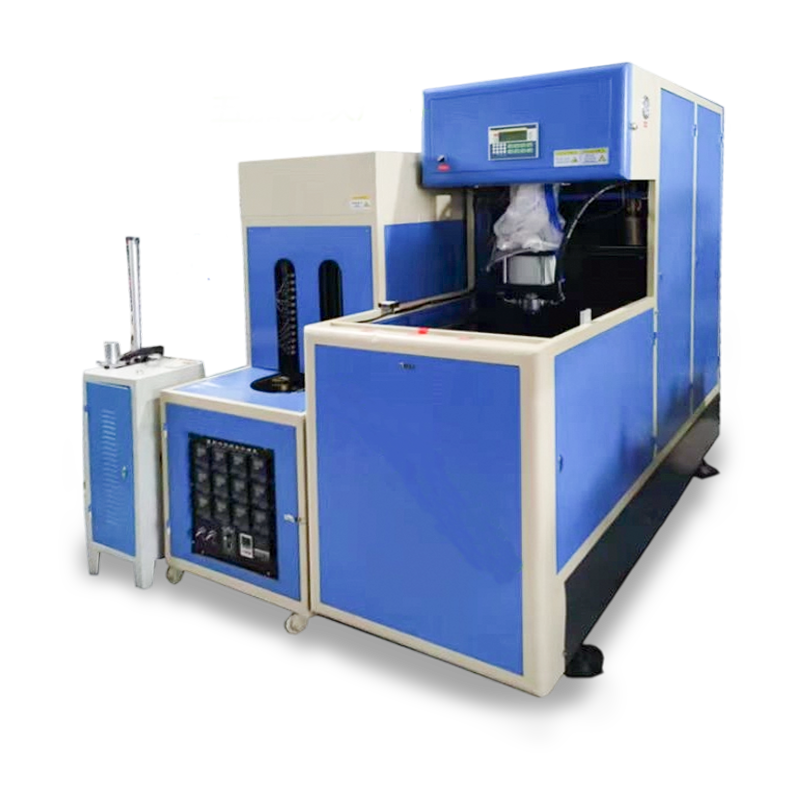
This bottle blowing equipment integrates cutting-edge automation and intelligent control technologies to meet the needs of modern ...
See Details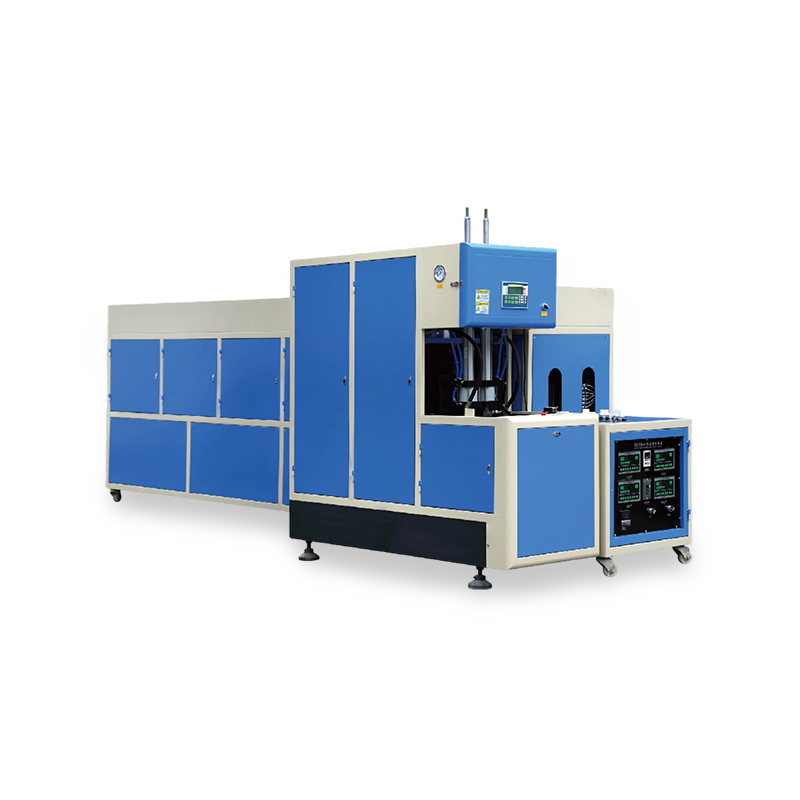
The fully automatic bottle blowing machine is engineered to deliver high efficiency and precision in plastic container production....
See Details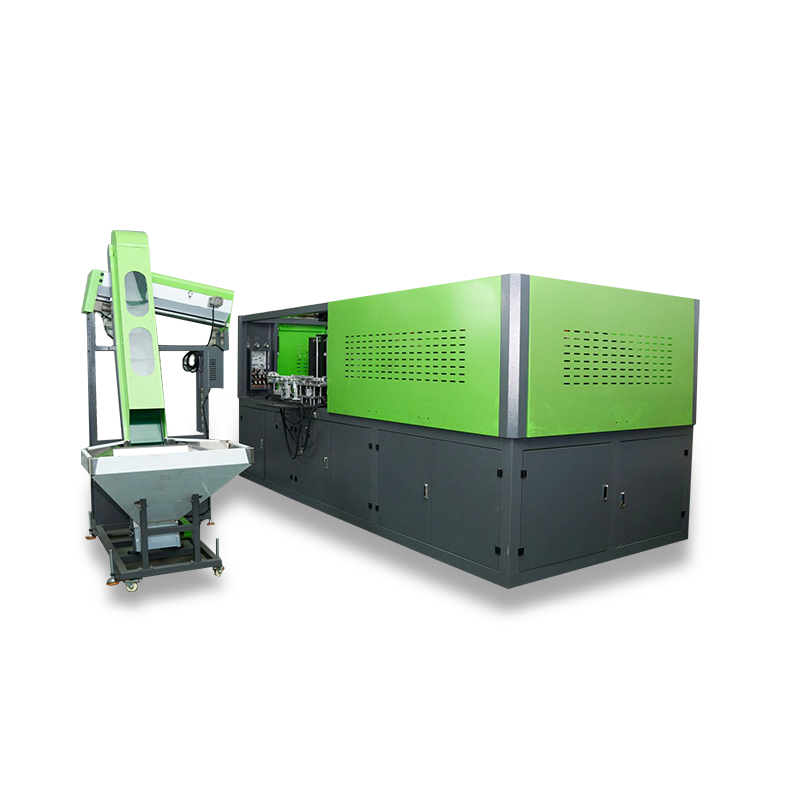
The 8-Cavity High-Efficiency Versatile Fully Automatic Bottle Blowing Machine is designed to meet the increasing demands for high-...
See Details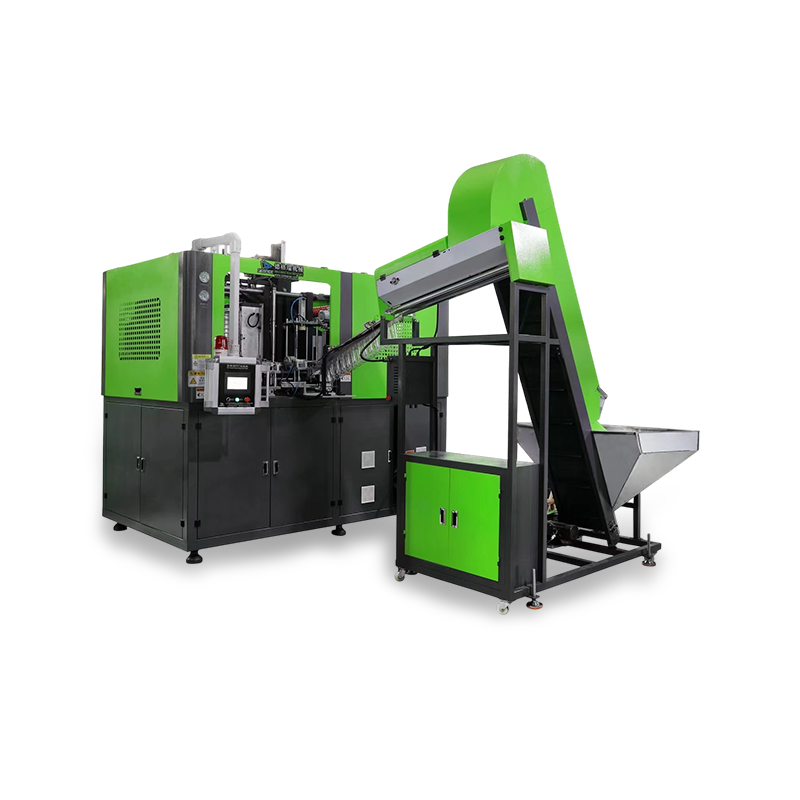
The 1 Cavity Produce 10L/15L/20L Bottles Fully Automatic Bottle Blowing Machine is a reliable and efficient solution for producing...
See Details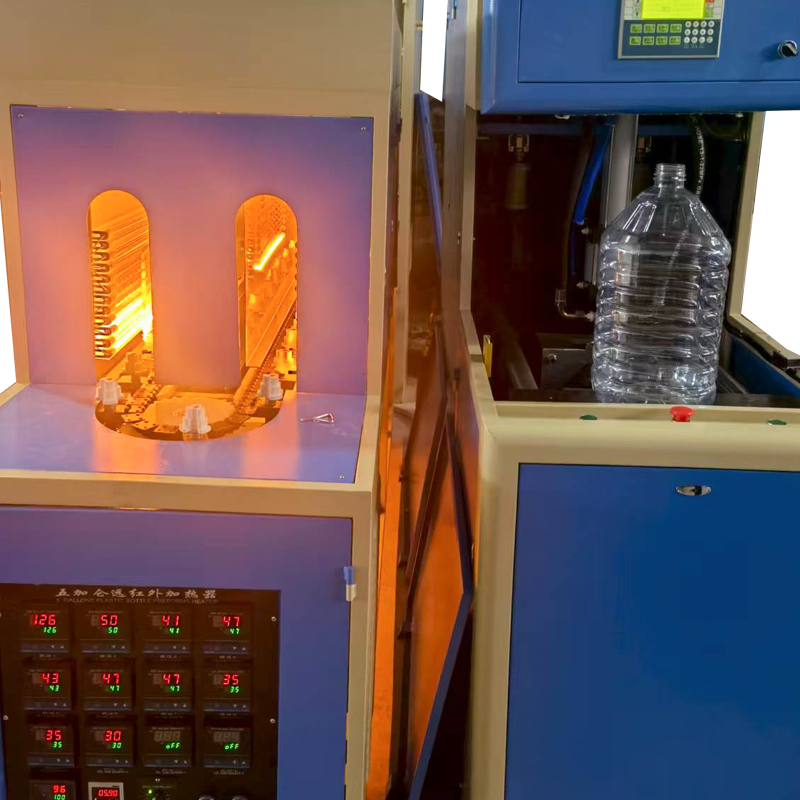
The 10L 5L To 12L Plastic PET Bottles Semi Automatic Bottle Blowing Machine is specially designed for producing medium to large vo...
See Details


Contact Us