

 English
 Touchscreen Fully Automatic Bottle Blowing Machine
The Servo-driven lifting system is one of the standout features of this advanced bottle blowing machine. This system ensures fast,...
See Details
Maintaining consistent temperature is a critical factor for operators using a Blowing Machine or a Pet Bottle Blowing Machine. Temperature directly influences preform heating, bottle wall thickness, and overall formation quality. Daily fluctuations in machine or environmental temperature can affect cycle stability, material stretching, and even energy consumption. Understanding how temperature impacts daily performance allows manufacturers to optimize settings, reduce defects, and sustain smooth production cycles. Monitoring temperature variations and responding to them in a timely manner can also help extend the lifespan of machine components, avoiding unnecessary wear caused by repeated overheating or underheating.
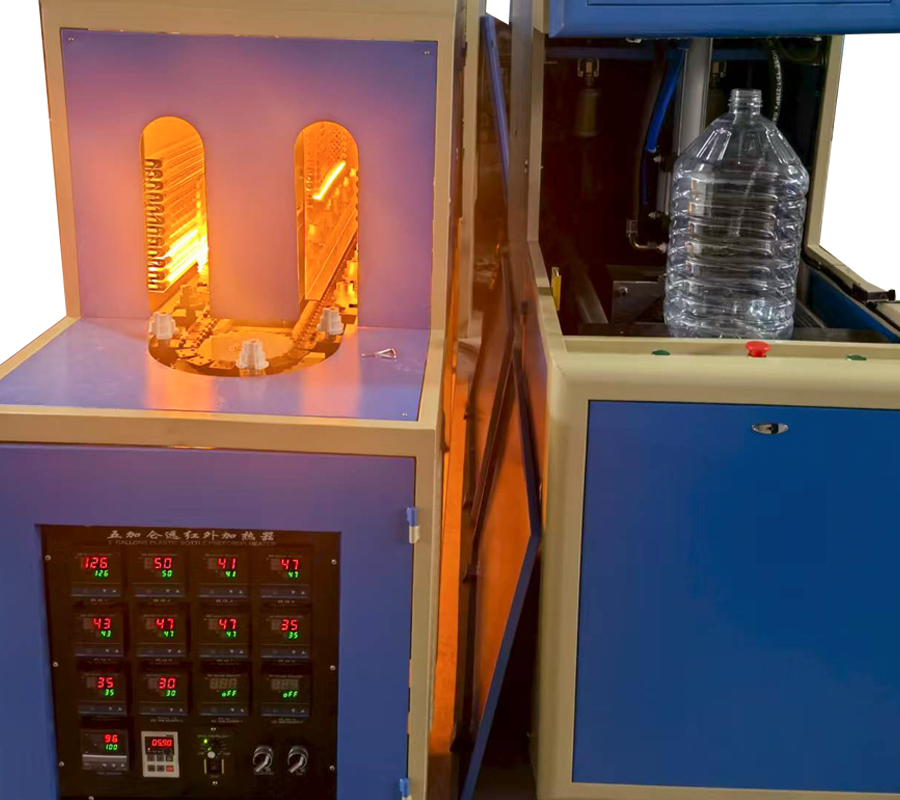
One of the primary effects of temperature on a Blowing Machine is its influence on the preform heating process. If the heating system delivers uneven or insufficient heat, the preform may fail to stretch uniformly during blowing. This can result in thin spots, weak bottle bases, or inconsistent neck shapes. Conversely, excessive heat can over-soften the preform, causing deformation or uneven wall distribution. Operators should monitor the infrared heating modules regularly, ensuring that the target temperature is reached and maintained consistently across all cavities. Additionally, keeping a simple log of heating performance during each shift can help identify trends that may affect production quality over time.
Pet Bottle Blowing Machines often produce bottles of varying sizes and materials, each requiring precise temperature control. Thicker or taller bottles generally need slightly higher heating temperatures to ensure uniform wall thickness, while smaller bottles may require reduced heat to prevent overstretching. Adjusting the temperature for specific molds helps maintain structural integrity and reduces material waste. Operators can utilize programmable control panels to fine-tune heating zones for each bottle type, enabling smooth transitions between production batches. Considering the viscosity of the material and its response to heat is also useful when setting the temperature, as it ensures proper stretching without creating weak points.
Daily operation of a Blowing Machine can be affected by ambient temperature and humidity in the production area. Sudden changes in environmental conditions can influence preform heating efficiency and air pressure behavior, potentially causing minor inconsistencies in bottle formation. Operators should observe the few cycles each day and make minor temperature adjustments as needed. Tracking environmental conditions alongside machine readings helps anticipate when adjustments may be necessary, reducing the likelihood of producing defective bottles during peak operation periods.
Temperature does not act in isolation. Air pressure, stretching ratios, and cycle timing interact with heating levels to determine the final bottle quality. Operators should consider all these factors when making adjustments, as a small change in temperature may require complementary changes in air pressure. Using the machine’s intelligent control system allows operators to manage these variables together, ensuring each bottle meets the desired specifications. Consistently reviewing the machine’s performance metrics can help operators understand the relationship between temperature settings and output efficiency over multiple production shifts.
Regular maintenance of heating components, including infrared lamps and temperature sensors, is essential for stable daily performance. Preventive measures, such as scheduled inspections and calibration, help maintain consistent performance and reduce interruptions. Keeping heating elements clean and free from dust or residue also supports uniform heat distribution, contributing to more consistent bottle quality and smoother production cycles. Operators who perform routine checks can identify small issues before they escalate into operational problems, which helps avoid downtime and maintains steady output.
Temperature has a direct impact on the daily operation of a Blowing Machine, influencing preform stretching, bottle wall thickness, and overall production efficiency. By monitoring heating performance, adjusting temperature for different bottle types, coordinating with air pressure and cycle timing, and observing environmental factors, operators can maintain steady output. Regular observation, timely adjustments, and proper maintenance ensure that the Pet Bottle Blowing Machine continues to perform effectively throughout daily production cycles, supporting consistent bottle quality.
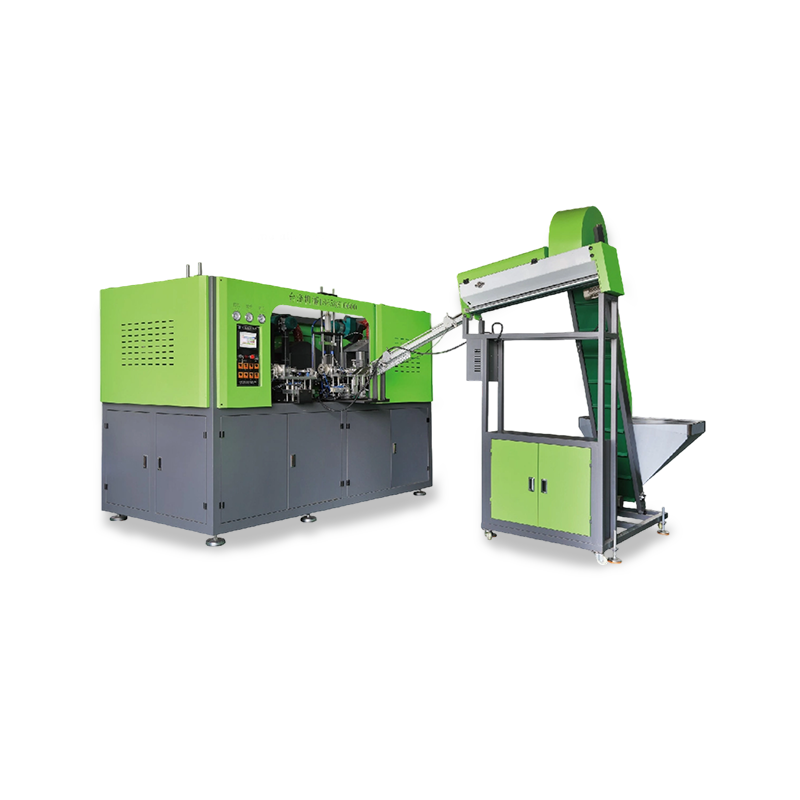
The Servo-driven lifting system is one of the standout features of this advanced bottle blowing machine. This system ensures fast,...
See Details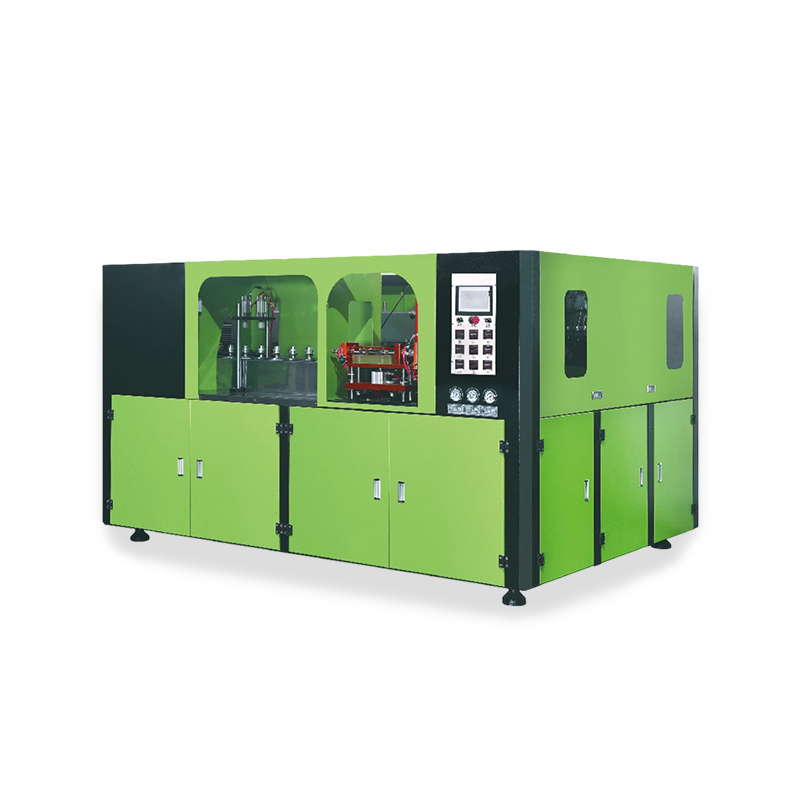
The fully automatic bottle blowing machine is designed with an emphasis on stability, efficiency, and precision. Its structure int...
See Details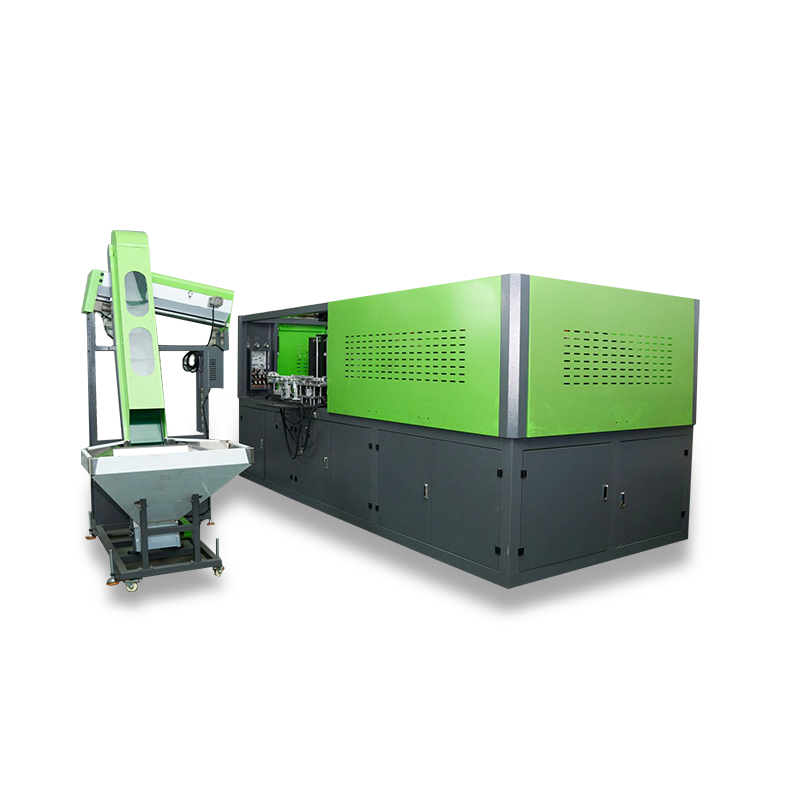
The 8-Cavity High-Efficiency Versatile Fully Automatic Bottle Blowing Machine is designed to meet the increasing demands for high-...
See Details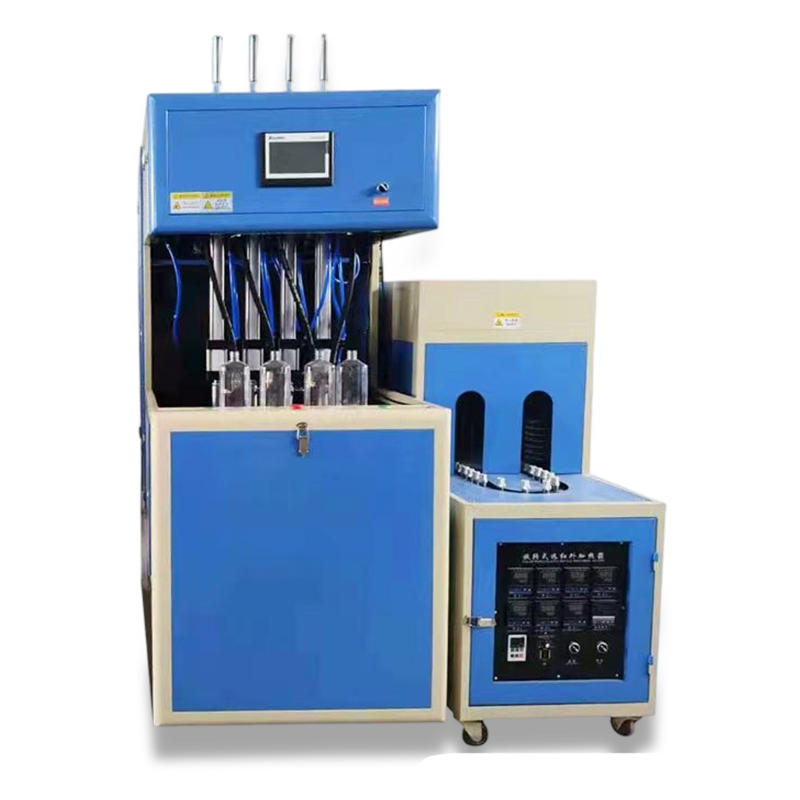
The 1L 4 Cavity Manual Vial Semi Automatic Bottle Blowing Machine is designed to offer practical and efficient bottle production f...
See Details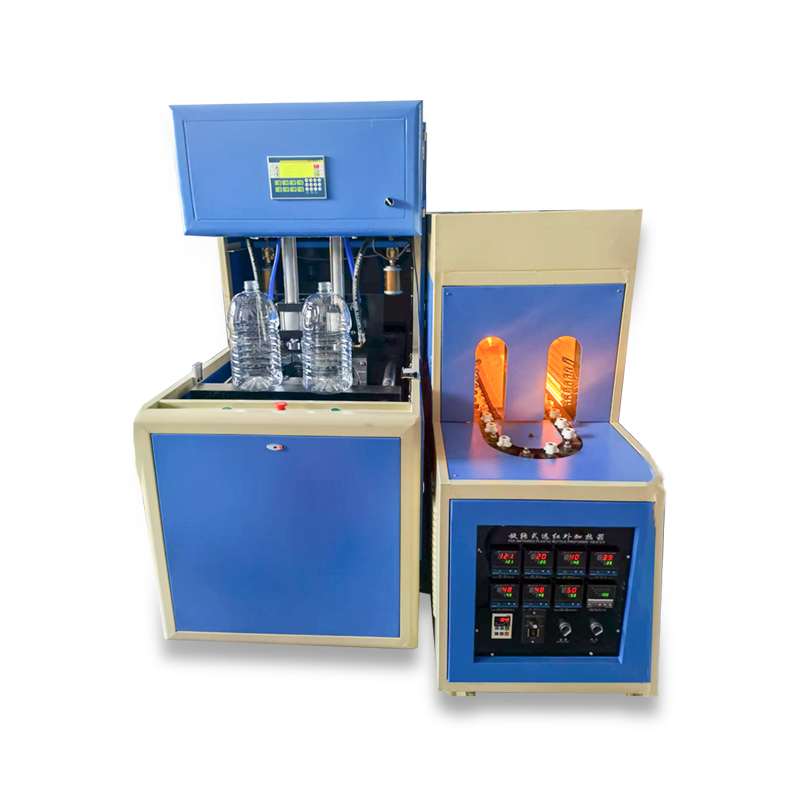
The 5L Manual Extrusion Semi-Automatic Bottle Blowing Machine is specifically designed for producing medium-capacity plastic conta...
See Details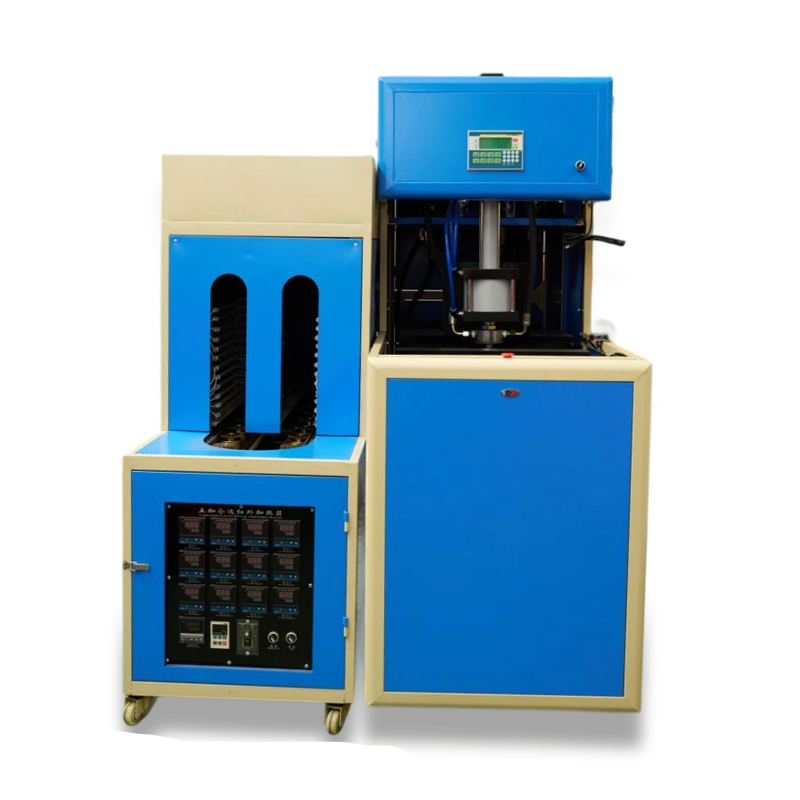
The Handle Bottle Semi Automatic Bottle Blowing Machine is designed to meet the production needs of handle-type plastic bottles in...
See Details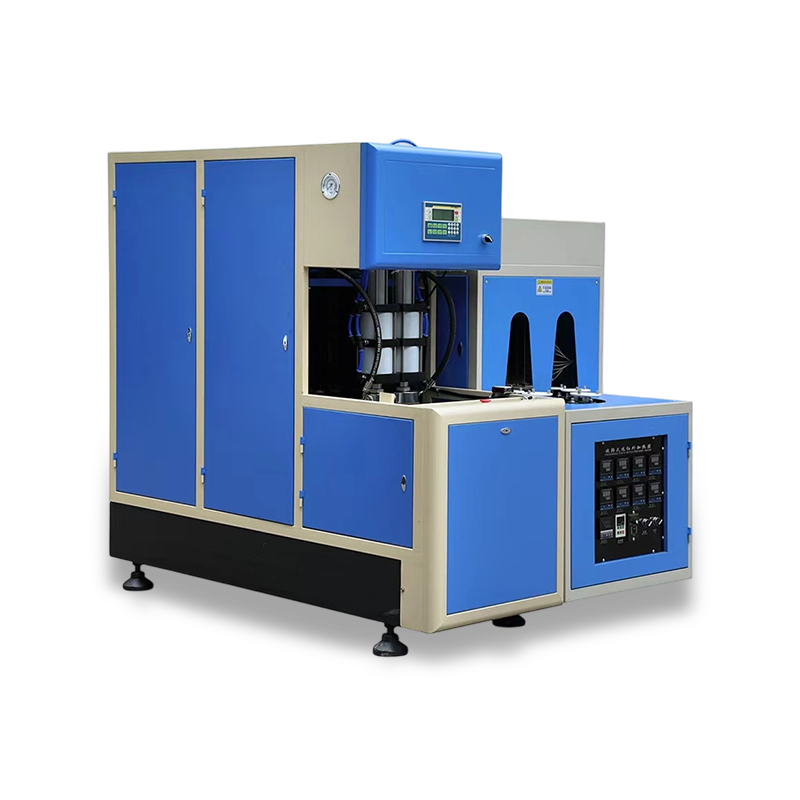
The 2-Cavity Wide-Mouth Bottle Semi-Automatic Bottle Blowing Machine is designed for medium-scale production lines that require ef...
See Details


Contact Us