

 English
 Gigh Speed Fully Automatic Bottle Blowing Machine
The High Speed Fully Automatic Bottle Blowing Machine is designed to meet the demands of high-efficiency and high-quality bottle p...
See Details
Semi-automatic bottle blowing machines and Edible Oil Bottle Blowing Machine are often used together in packaging production lines where bottle stability and sealing performance matter during downstream filling. As edible oil packaging demands continue to grow in different container shapes and volumes, attention is increasingly placed on how bottle forming accuracy can influence leakage risks during storage and transportation.
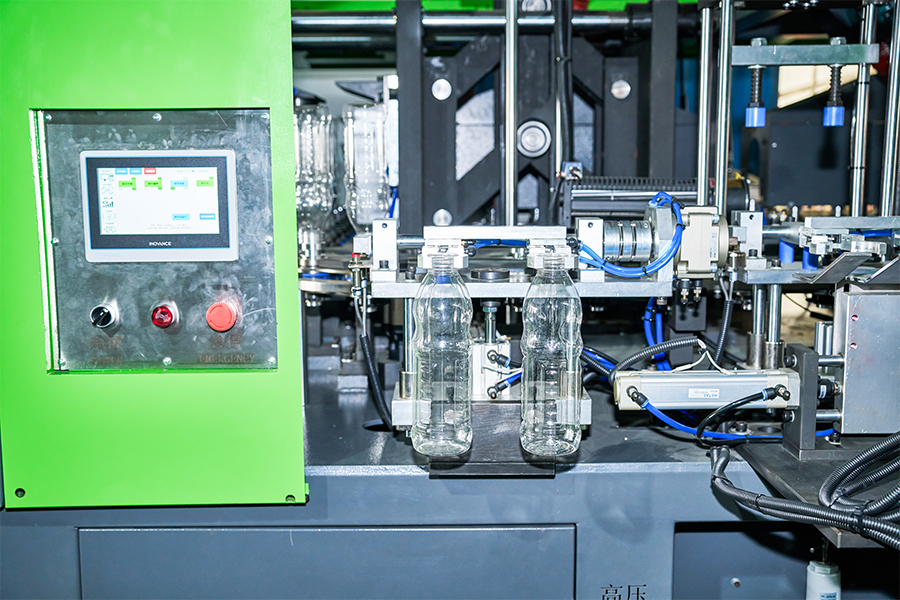
Edible oil containers are typically designed with strict sealing requirements because even minor deformation at the bottle neck or uneven wall thickness can cause leakage during filling, capping, or transportation. Traditional manual or less controlled blowing processes may introduce variations in preform heating or stretching, which later affects bottle uniformity.
Another issue often observed in production is inconsistency in bottle weight distribution. When wall thickness is not evenly formed, pressure resistance varies across batches. This becomes more noticeable in long-distance logistics, where vibration and temperature changes can expose structural weaknesses in packaging. For producers, this means additional inspection steps or rework, which slows down overall workflow.
Semi automatic systems are commonly introduced at this stage because fully manual processes cannot consistently maintain stable forming parameters, while fully automated lines may not always be suitable for small to medium production batches. The balance between control and flexibility becomes a key consideration.
The Edible Oil Bottle Blowing Machine is designed to address forming stability by managing heating distribution, air pressure timing, and mold shaping consistency. When combined with a Semi Automatic Bottle Blowing Machine setup, operators can adjust key parameters such as heating duration and stretching speed according to different bottle specifications.
One important adjustment is temperature zoning during preform heating. Instead of applying uniform heat, the system allows segmented heating control, which helps maintain consistent material elasticity during stretching. This reduces the likelihood of uneven wall thickness.
Another change is the controlled air pressure release during bottle expansion. Instead of sudden pressure application, gradual air injection allows the material to expand evenly inside the mold. This helps reduce stress concentration points, especially near the shoulder and neck areas of edible oil bottles.
In semi automatic operation, operator involvement is still present but reduced to parameter monitoring and batch switching. This structure allows more adaptability when switching between different bottle sizes or oil packaging requirements without reconfiguring the entire production line.
This type of blowing machine configuration is commonly used in edible oil bottling plants, plastic container manufacturing workshops, and OEM packaging production environments.
In edible oil bottling facilities, bottles typically range from small household containers to larger commercial packaging. Different volumes require different mold structures, and semi automatic systems allow faster switching between molds without extended downtime.
In packaging OEM production, clients may require customized bottle shapes for branding purposes. The machine setup supports variations in design while maintaining consistent forming behavior across batches. This is particularly relevant when producing bottles with embossed surfaces or reinforced base structures.
Another application area is small-to-medium scale plastic product factories that produce multiple container types beyond edible oil, such as sauces, liquid condiments, or cleaning liquids. The same machine setup can be adjusted to handle different viscosity-related packaging needs at the container level.
In practical production environments, some factories report that when switching from fully manual blowing to a Semi Automatic Bottle Blowing Machine combined with edible oil-specific molds, the variation in bottle wall thickness becomes more controlled within batch runs.
For example, in a mid-scale production line running 8-hour shifts, operators observed that preform heating adjustments required fewer corrections during continuous operation. Instead of frequent manual recalibration, parameter presets were reused across similar bottle types.
In another case involving edible oil packaging for export batches, the use of controlled pressure timing helped reduce the number of bottles requiring secondary inspection after forming. While inspection is still part of the process, the workload distribution became more stable across production stages.
These observations are not presented as fixed outcomes but reflect how process control adjustments interact with semi automatic forming systems in real production environments.
As packaging requirements become more standardized across food-related industries, the role of bottle forming equipment is shifting toward controllability rather than purely output speed. Edible oil packaging in particular places emphasis on sealing stability, material uniformity, and structural resilience.
Semi automatic systems provide a transitional production method for factories upgrading from manual operations without moving directly into fully automated high-capacity lines. This flexibility supports gradual scaling of production capacity while maintaining process control over bottle forming variables.
In addition, manufacturers working with multiple packaging formats benefit from equipment that can accommodate frequent specification changes without requiring full system redesign. This reduces operational complexity in environments where product variety is high.
Q1: What types of bottles are commonly produced with an Edible Oil Bottle Blowing Machine?
It is commonly used for plastic bottles designed for edible oils, including household oil containers, commercial packaging bottles, and customized OEM bottle shapes used in retail branding.
Q2: Why is semi automatic operation used instead of fully manual systems?
Semi automatic operation helps reduce variability in heating, stretching, and air pressure timing while still allowing operators to adjust settings for different bottle specifications.
Q3: Can the same machine be used for different bottle sizes?
Yes, by changing molds and adjusting heating and pressure parameters, different bottle volumes and shapes can be produced on the same system.
Q4: What factors influence bottle sealing performance after blowing?
Wall thickness consistency, neck precision, and mold alignment are key factors that affect sealing performance during later filling and capping processes.
Q5: Is the machine suitable for small production batches?
Yes, semi automatic systems are often used in small to medium batch production because they allow flexible switching between product types without long setup times.
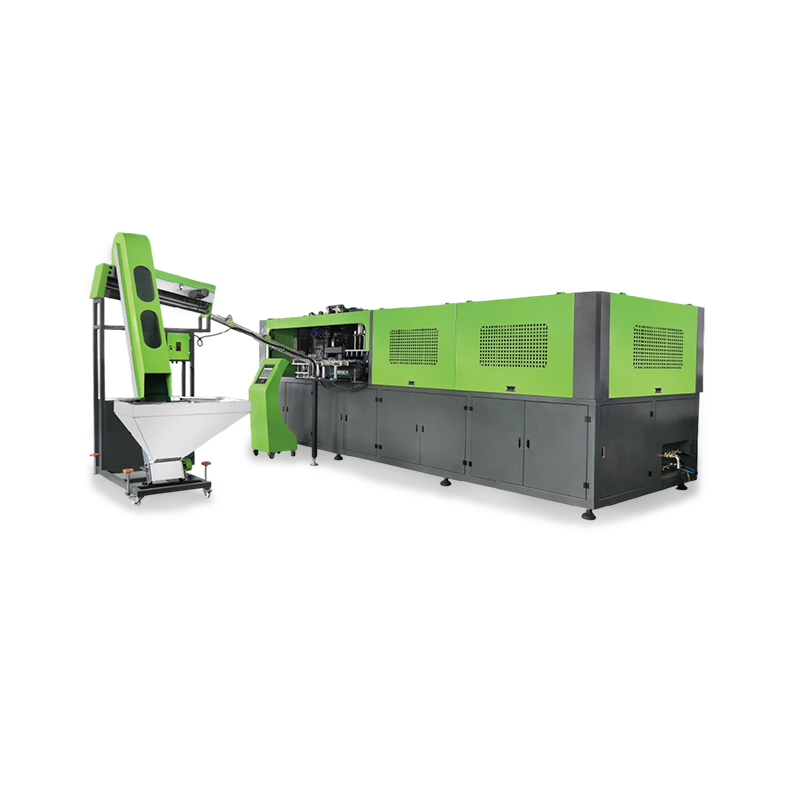
The High Speed Fully Automatic Bottle Blowing Machine is designed to meet the demands of high-efficiency and high-quality bottle p...
See Details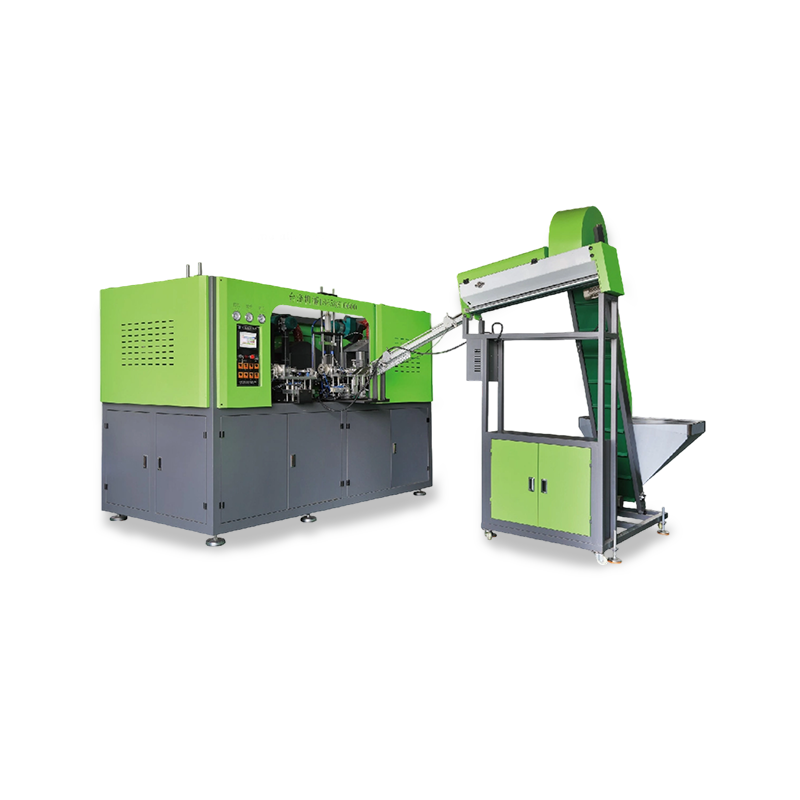
The Servo-driven lifting system is one of the standout features of this advanced bottle blowing machine. This system ensures fast,...
See Details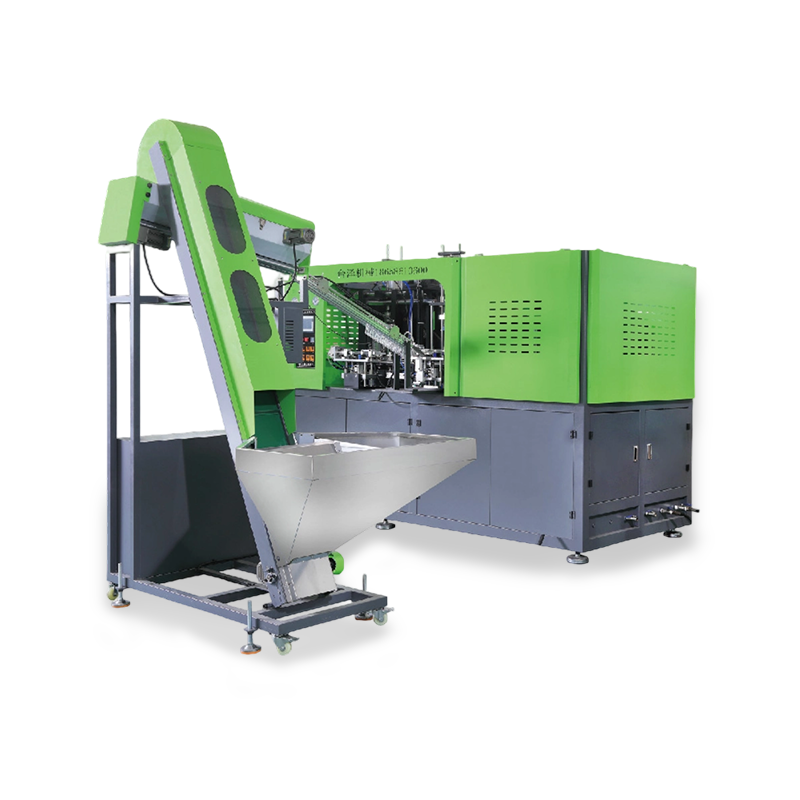
This bottle blowing machine is designed with precision engineering and modern automation technology, providing a reliable and effi...
See Details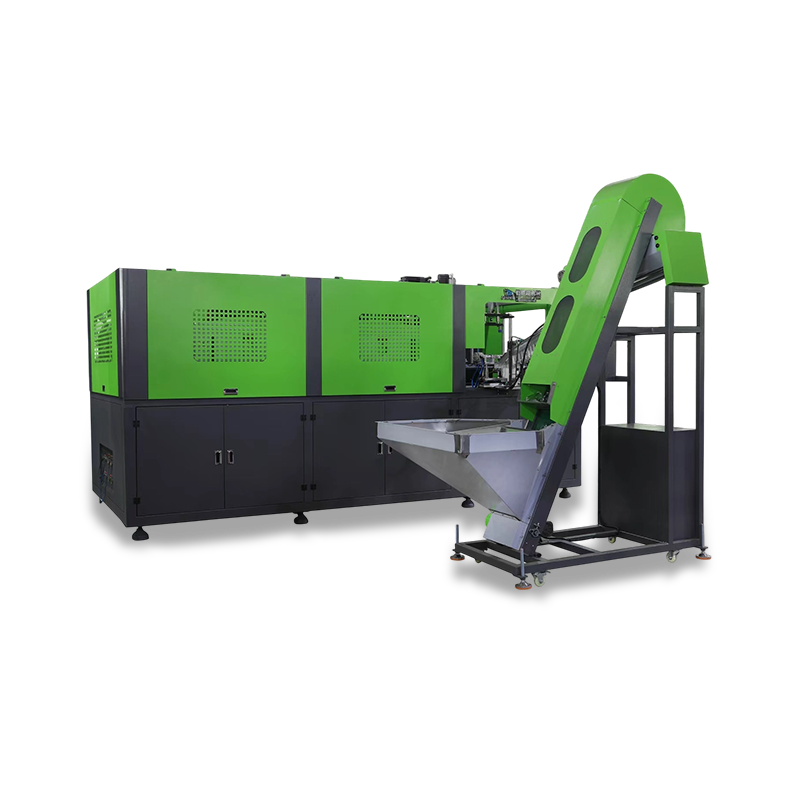
The 6-Cavity Fully Automatic Bottle Blowing Machine For Bottles From 100ML To 2L is designed to provide efficient and reliable pro...
See Details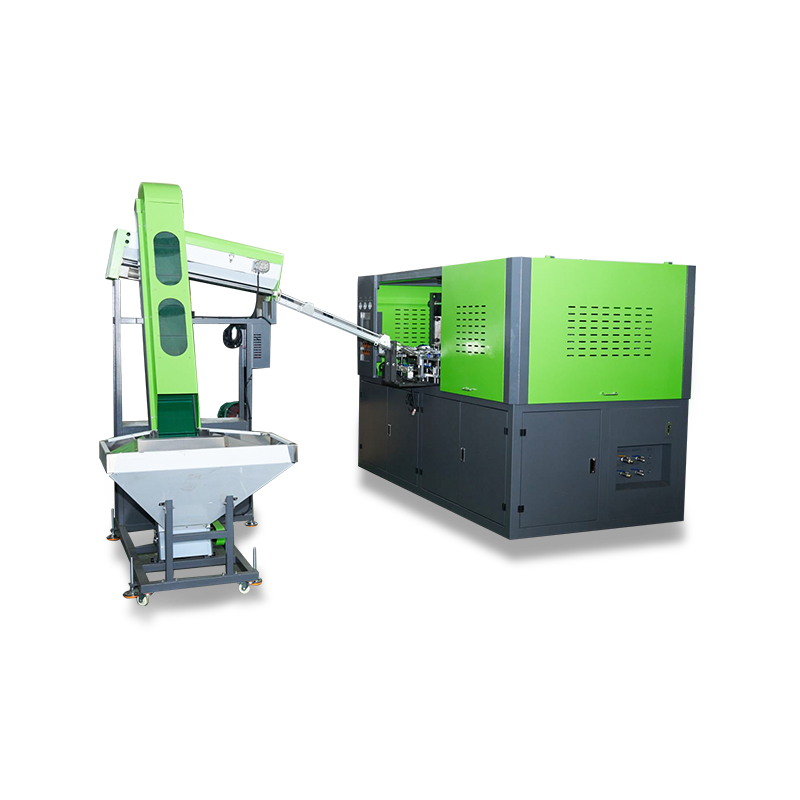
The 2-Cavity PET Preform Manufacturing Fully Automatic Bottle Blowing Machine is an efficient and intelligent solution for produci...
See Details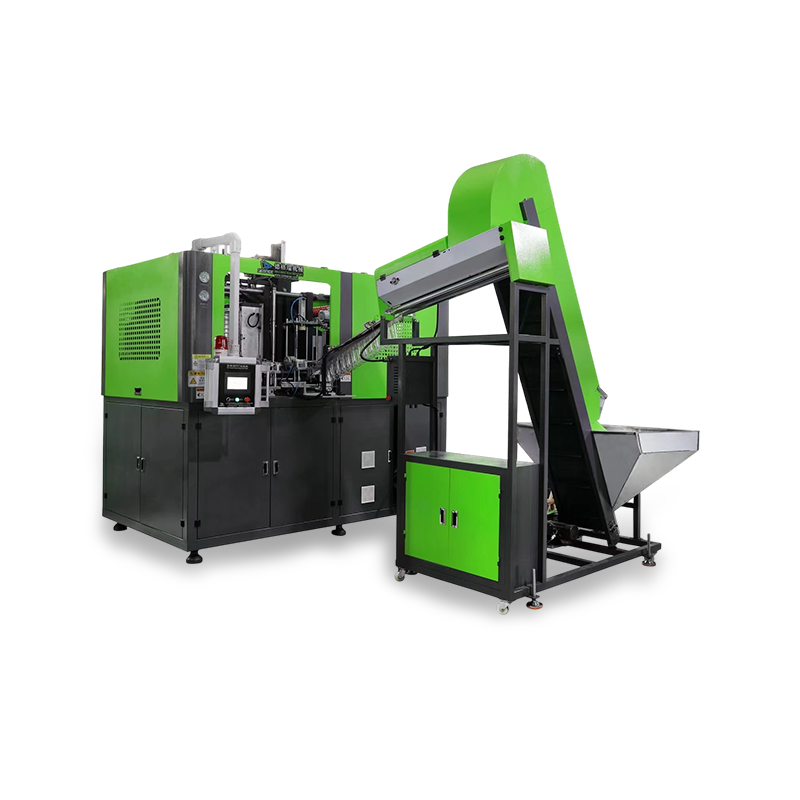
The 1 Cavity Produce 10L/15L/20L Bottles Fully Automatic Bottle Blowing Machine is a reliable and efficient solution for producing...
See Details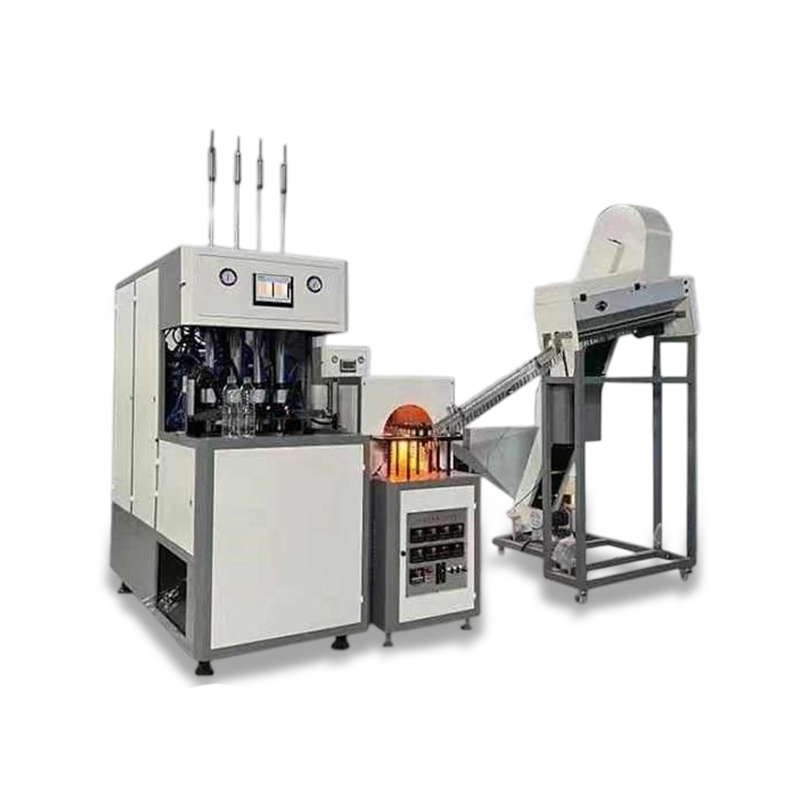
The Semi-Automatic Bottle Blowing Machine With Automatic Loader is designed to support medium-scale bottle production environments...
See Details


Contact Us