

 English
 Steady Fully Automatic Bottle Blowing Machine
This PET bottle blowing machine is designed to meet the demands of modern bottle manufacturing with high automation, reliability, ...
See Details
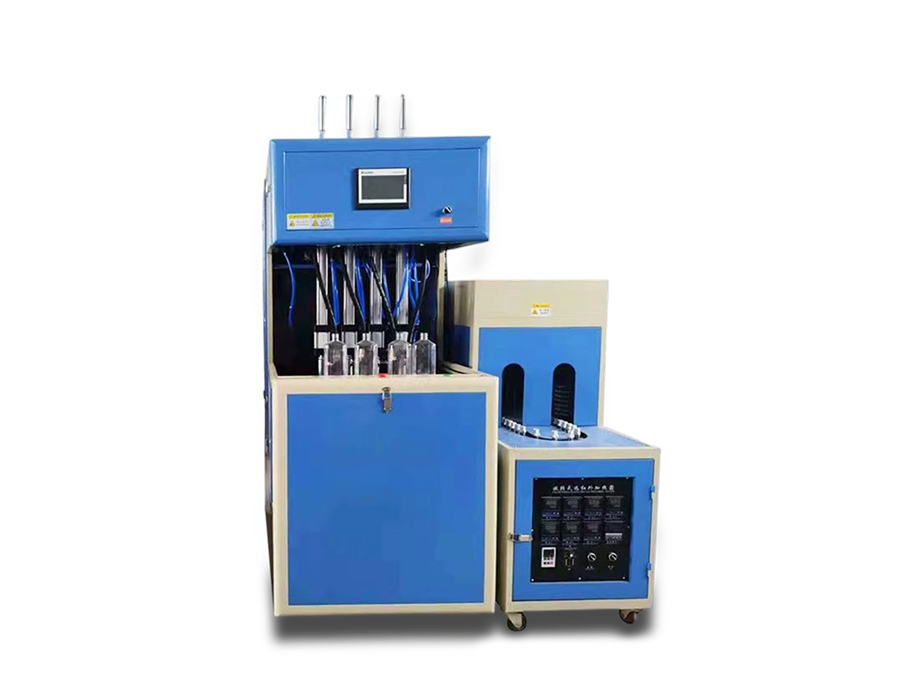
Semi Automatic Bottle Blowing Machine and Edible Oil Bottle Blowing Machine are widely used in PET container manufacturing lines where energy consumption control and stable forming performance are both considered during daily production. In many packaging workshops, semi-automatic configurations are adopted to balance operational flexibility with controlled heating and air usage.
PET bottle production relies heavily on heating systems, compressed air, and cooling cycles, all of which contribute to overall energy consumption. In traditional continuous automation lines, equipment often runs at fixed parameters even when production demand fluctuates, which can result in unnecessary energy usage during low-output periods.
For edible oil packaging, the production requirements are slightly different from standard beverage bottles. The Edible Oil Bottle Blowing Machine typically works with thicker preforms and longer heating cycles, which can increase energy demand if not properly controlled. At the same time, production batches for edible oil bottles are often varied in size and specification, meaning equipment flexibility becomes an important factor in managing resource usage.
Semi-automatic systems are often introduced in these environments because they allow operators to adjust production cycles based on actual order volume instead of running continuous high-load operation.
The Semi Automatic Bottle Blowing Machine structure separates heating, handling, and blowing stages, which gives operators more direct control over each step. Instead of maintaining a constant energy output across all stages, energy use can be adjusted according to production rhythm.
In practical operation, energy-related adjustments are mainly reflected in:
For the Edible Oil Bottle Blowing Machine, heating cycles are usually slightly longer due to thicker bottle structures. However, semi-automatic control allows operators to pause or adjust production intervals, which helps avoid continuous idle energy consumption during setup or mold change processes.
|
Operation Factor |
Semi-Automatic Mode |
Continuous Automation Mode |
|
Heating control |
Adjustable per batch |
Continuous fixed cycle |
|
Idle energy use |
Lower during pauses |
Higher during standby operation |
|
Production flexibility |
High |
Medium |
|
Mold change downtime |
Managed manually |
System-dependent |
|
Air consumption control |
Operator-adjusted |
Fixed pressure cycles |
This structure allows energy use to be linked more closely with actual production demand rather than constant system operation.
The Semi Automatic Bottle Blowing Machine is commonly used in small to medium-scale PET production environments where order types vary frequently. These include packaging workshops producing bottles for edible oil, sauces, cleaning liquids, and household chemical products.
In edible oil packaging lines, the Edible Oil Bottle Blowing Machine is used to produce containers ranging from small retail bottles to larger household storage formats. Because production batches are often divided into multiple specifications, semi-automatic systems help reduce unnecessary continuous operation between batches.
Typical application scenarios include:
In these environments, production schedules are often not continuous, which makes flexible energy control more practical than fixed high-load operation.
Energy usage in semi-automatic PET bottle production is closely linked to heating duration and air compression cycles. Unlike fully automated lines, where systems remain active throughout production shifts, semi-automatic setups allow partial shutdown or reduced operation during idle periods.
|
Factor |
Observation |
|
Heating cycle variability |
Adjusted based on bottle thickness |
|
Idle period management |
Operator-controlled pause cycles |
|
Air compressor load |
Varies with production frequency |
|
Mold heating requirement |
Stabilized per batch |
|
Energy distribution |
Linked to production rhythm |
In edible oil bottle production, thicker bottle walls require slightly higher heating input, but this is balanced by batch-based production control. Instead of maintaining continuous energy output, heating systems can be activated only when preforms are ready for processing.
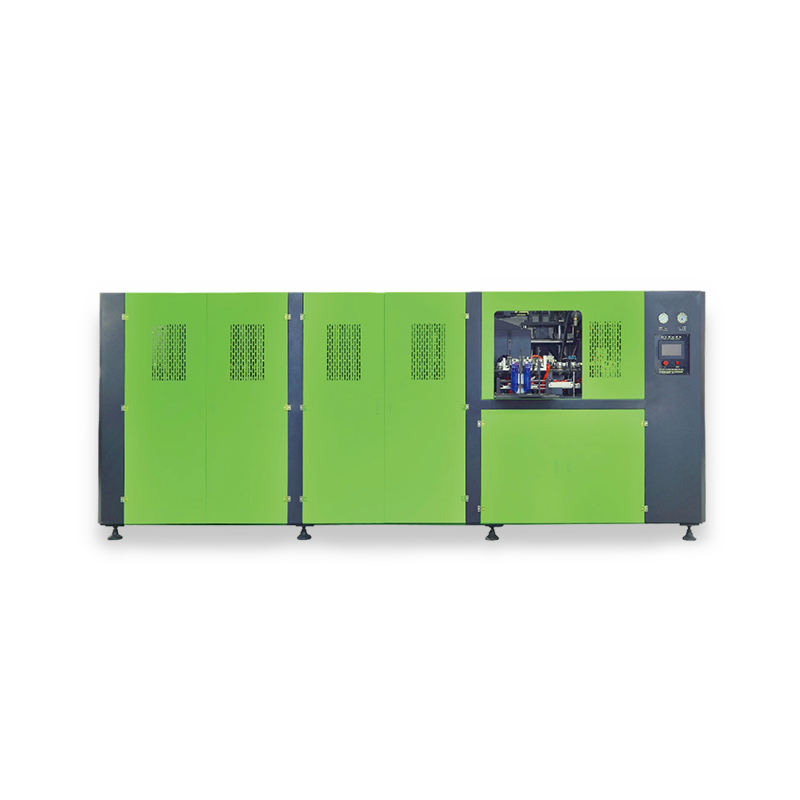
This PET bottle blowing machine is designed to meet the demands of modern bottle manufacturing with high automation, reliability, ...
See Details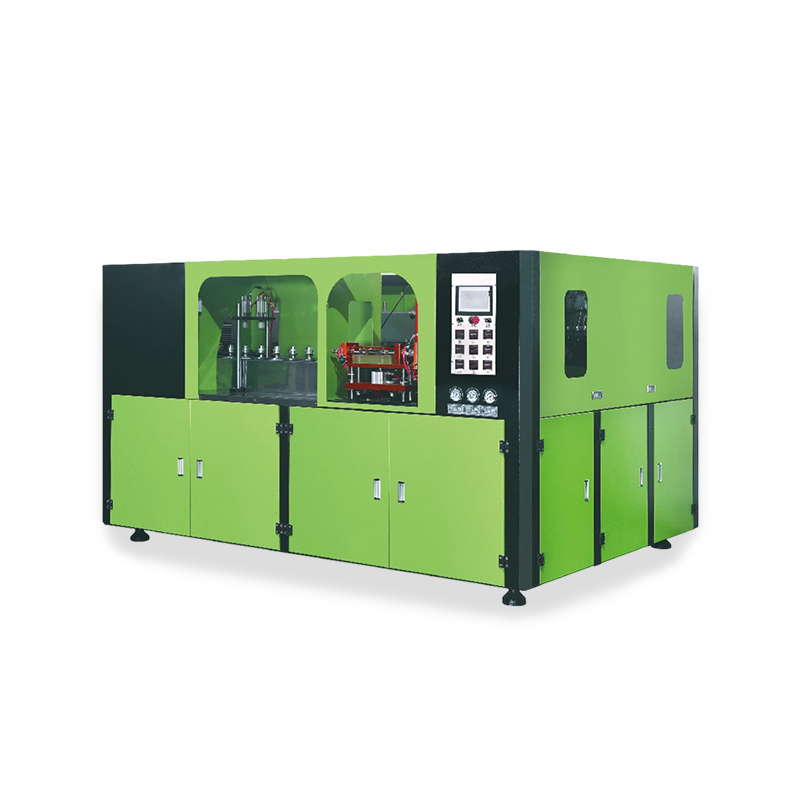
The fully automatic bottle blowing machine is designed with an emphasis on stability, efficiency, and precision. Its structure int...
See Details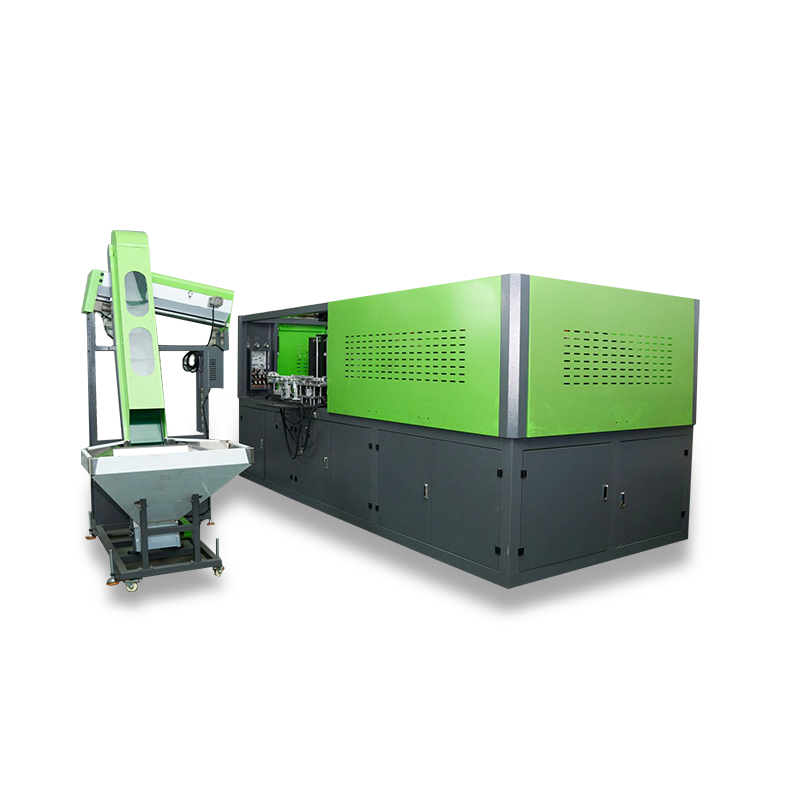
The 8-Cavity High-Efficiency Versatile Fully Automatic Bottle Blowing Machine is designed to meet the increasing demands for high-...
See Details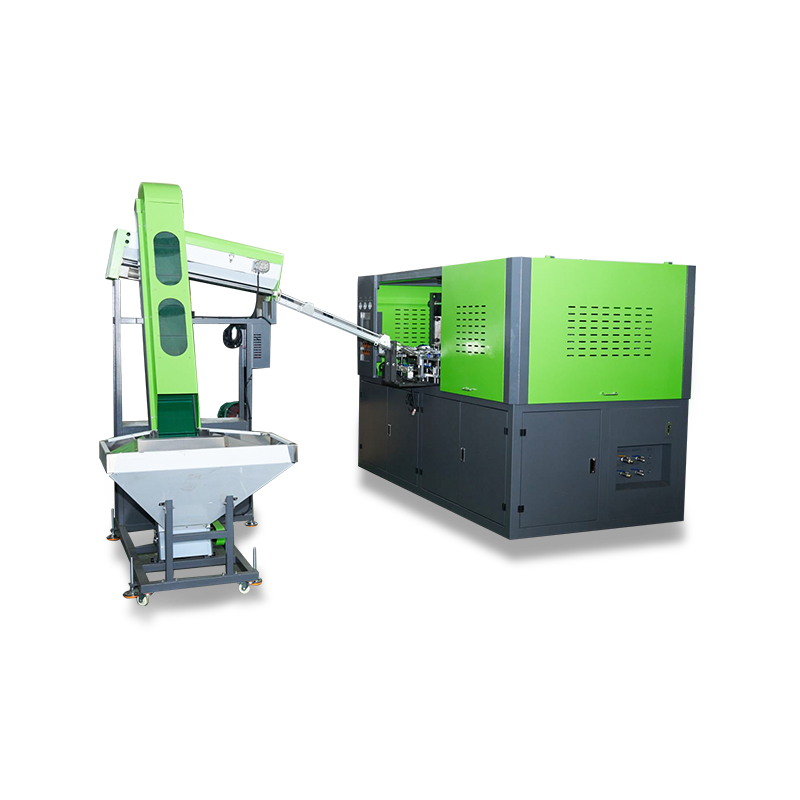
The 2-Cavity PET Preform Manufacturing Fully Automatic Bottle Blowing Machine is an efficient and intelligent solution for produci...
See Details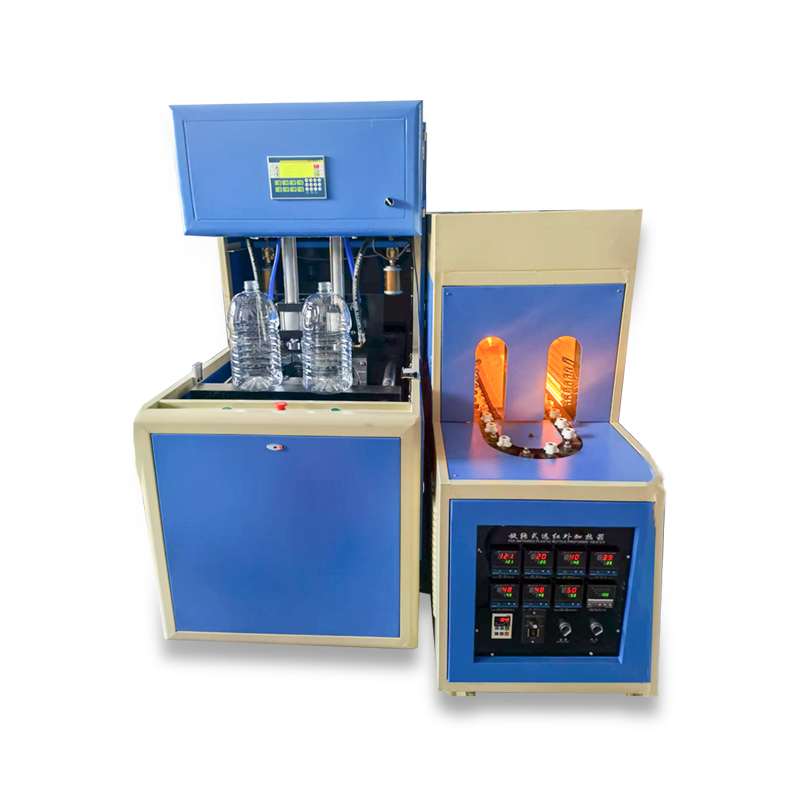
The 5L Manual Extrusion Semi-Automatic Bottle Blowing Machine is specifically designed for producing medium-capacity plastic conta...
See Details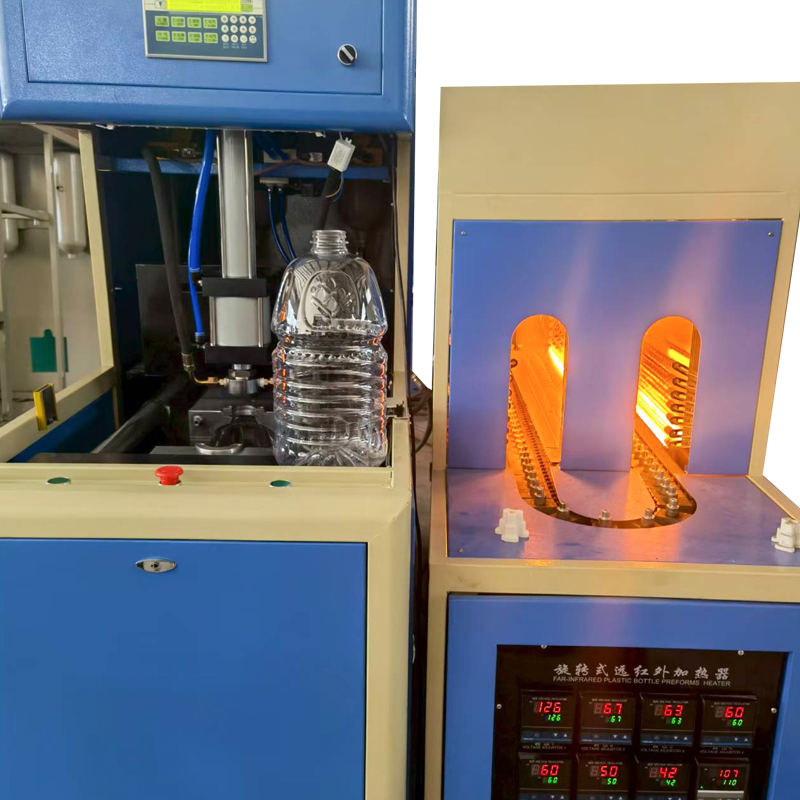
The 5L Single Cavity Semi Automatic Bottle Blowing Machine is specifically designed for the production of plastic PET bottles with...
See Details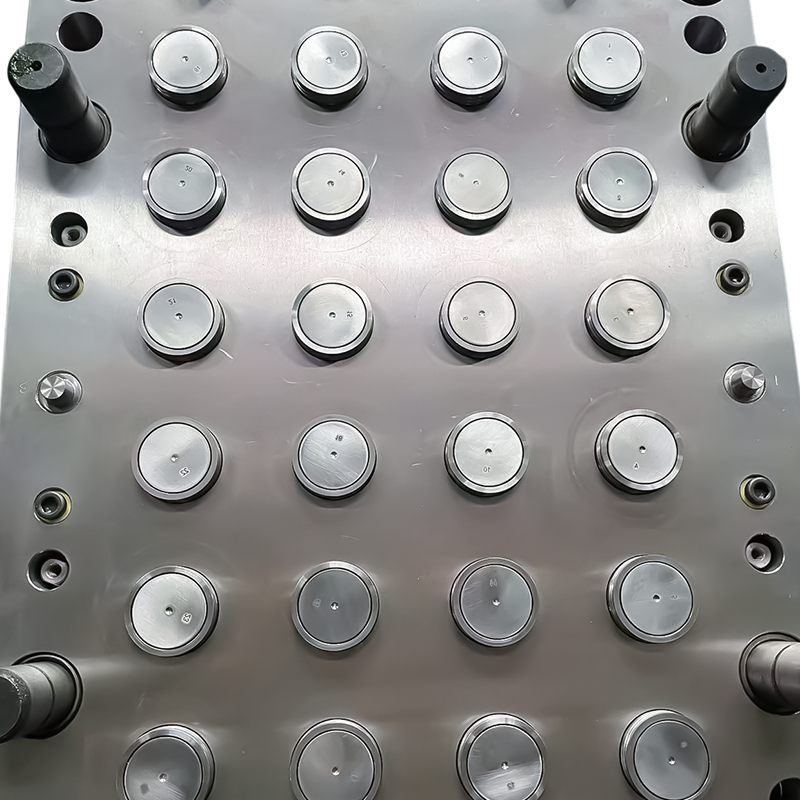
The Multiple Specifications High Precision Bottle Cap Mold is designed for manufacturers who require consistency, accuracy, and ve...
See Details


Contact Us