

 English
 2 Cavity PET Preform Manufacturing Fully Automatic Bottle Blowing Machine
The 2-Cavity PET Preform Manufacturing Fully Automatic Bottle Blowing Machine is an efficient and intelligent solution for produci...
See Details
Production demands in modern packaging environments continue to evolve, especially as manufacturers face increasing pressure to maintain consistent output while controlling operational costs. In this context, High-Speed Bottle Blowing Machine and Fully Automatic Bottle Blowing Machine systems are being adopted across various industries to support stable, continuous bottle production. These machines are commonly used in beverage, food, pharmaceutical, and household product sectors where PET bottle manufacturing is a core process.
Rather than focusing only on speed, many production managers are now evaluating how these machines integrate into the full packaging line, how they influence downstream efficiency, and how they contribute to long-term operational stability. Understanding these aspects can help users make informed decisions when selecting or upgrading equipment.
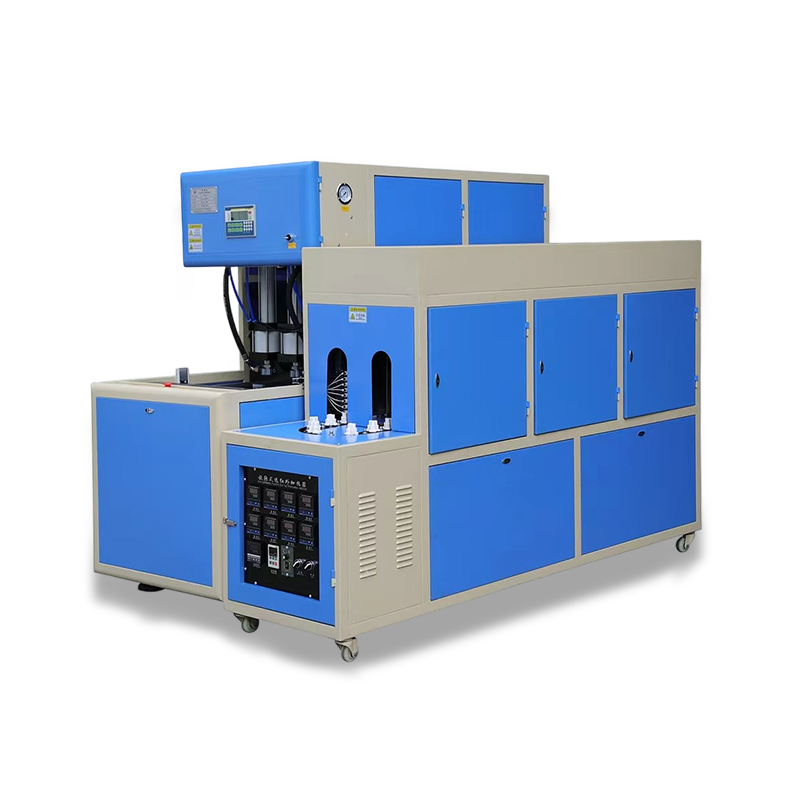
Several structural and operational features directly affect how efficiently a bottle blowing machine performs within a packaging line:
Uniform heating of preforms is essential for consistent bottle formation. Advanced infrared heating layouts allow better control over temperature distribution, reducing defects such as uneven wall thickness.
Servo-driven movements in clamping and stretching units enable more precise positioning and timing, which supports repeatable forming results and reduces mechanical wear.
Quick mold change systems help manufacturers switch between bottle sizes with less downtime, which is particularly useful for facilities handling multiple product formats.
Efficient use of high-pressure air during the blowing process can reduce energy consumption while maintaining stable forming conditions.
Fully automatic systems often include conveyors, robotic arms, and rejection units, which streamline the transition between stages and reduce manual handling.
A bottle blowing machine does not operate in isolation. Its performance must align with upstream and downstream equipment such as preform feeders, filling machines, capping systems, and labeling units.
In many cases, mismatched speeds between the blowing machine and the filling line can create bottlenecks. For example, if the blowing machine produces bottles faster than the filling line can process them, accumulation systems are required to manage overflow. Conversely, if the blowing machine is slower, the filling line may experience idle time.
To address this, manufacturers often consider synchronized control systems that allow communication between machines. Fully automatic bottle blowing systems can be configured to adjust output based on real-time line conditions, helping maintain a balanced workflow.
Another important factor is layout design. Compact machine structures and linear bottle transfer paths can reduce transportation time and lower the risk of bottle deformation during movement.
The choice between semi-automatic and fully automatic systems depends on production scale, labor availability, and investment planning. The table below outlines some practical differences:
|
Aspect |
Semi-Automatic Machine |
Fully Automatic Machine |
|
Labor Requirement |
Requires manual preform handling |
Minimal manual intervention |
|
Production Continuity |
Intermittent operation |
Continuous operation |
|
Output Consistency |
Depends on operator skill |
More stable due to automation |
|
Initial Investment |
Lower |
Higher |
|
Suitable Production Volume |
Small to medium batches |
Medium to large-scale production |
|
Integration Capability |
Limited |
Easier integration with full lines |
For manufacturers aiming to scale production or reduce manual involvement, fully automatic systems often provide a more consistent workflow. However, semi-automatic machines may still be suitable for smaller operations or specialized production runs.
Operators and production managers can take several steps to enhance the performance of bottle blowing equipment:
High-speed models typically use multi-cavity molds and faster cycle times, allowing higher output within the same time frame. They also often include more advanced control systems.
It can be used in smaller operations, but the investment may be higher than necessary. Semi-automatic machines are often chosen for lower production volumes.
Key factors include preform quality, heating temperature distribution, blowing pressure, and mold condition.
Basic inspections are usually conducted daily, while more detailed maintenance depends on operating hours and manufacturer guidelines.
Yes, but mold changes and parameter adjustments are required. Machines with quick-change systems can reduce downtime during this process.
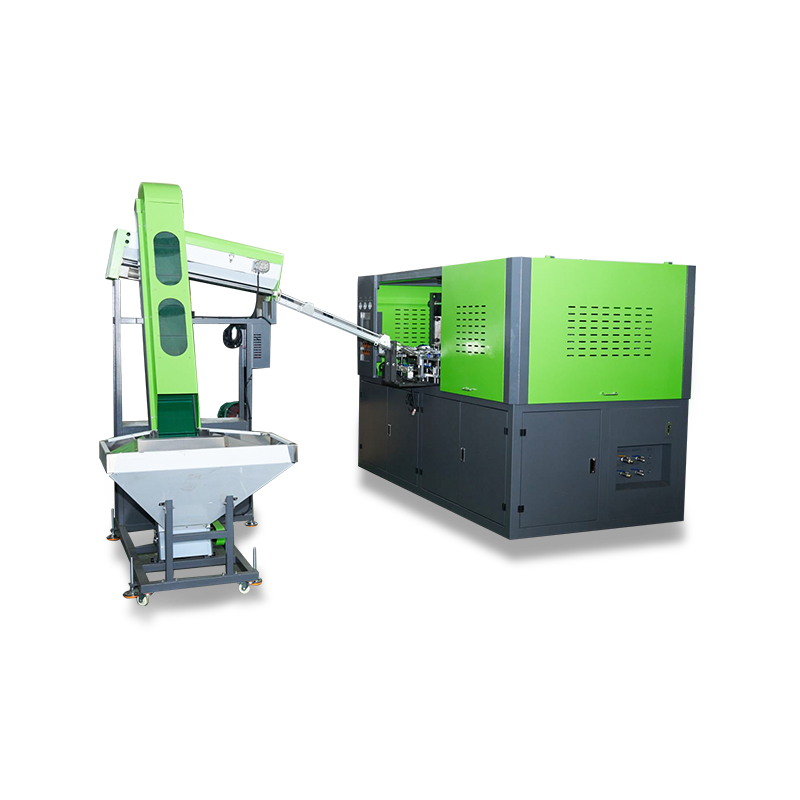
The 2-Cavity PET Preform Manufacturing Fully Automatic Bottle Blowing Machine is an efficient and intelligent solution for produci...
See Details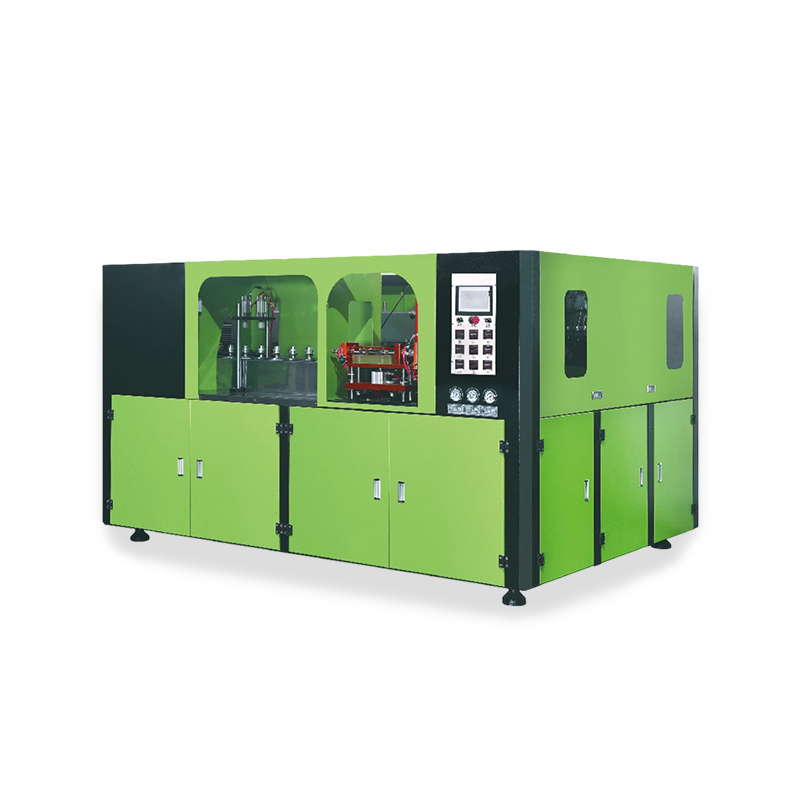
The 2-Cavity Fully Automatic Bottle Blowing Machine for Wide-Mouth Bottle Production is designed to meet the specific needs of man...
See Details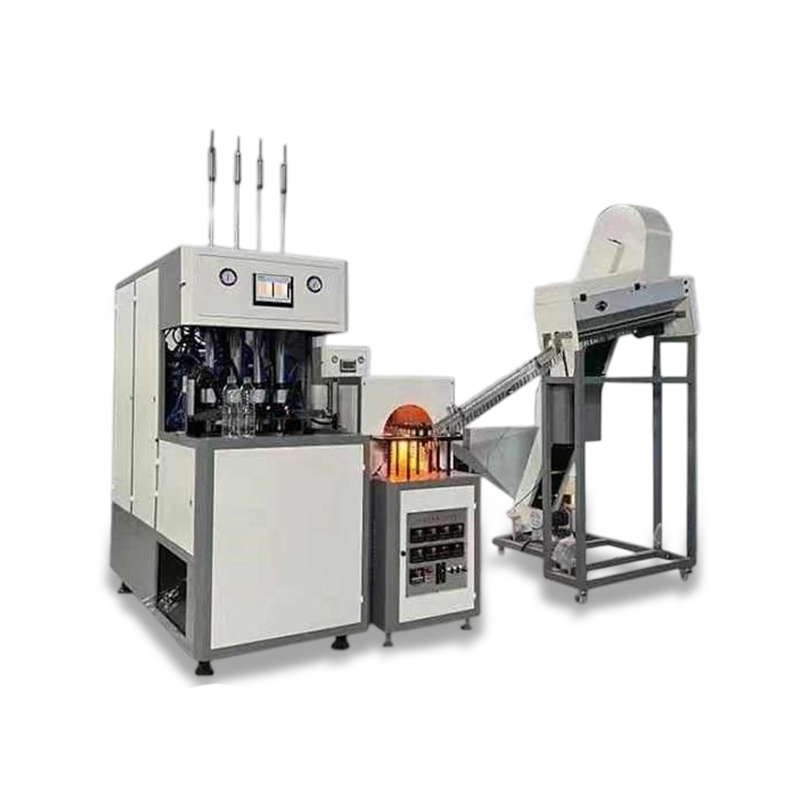
The Semi-Automatic Bottle Blowing Machine With Automatic Loader is designed to support medium-scale bottle production environments...
See Details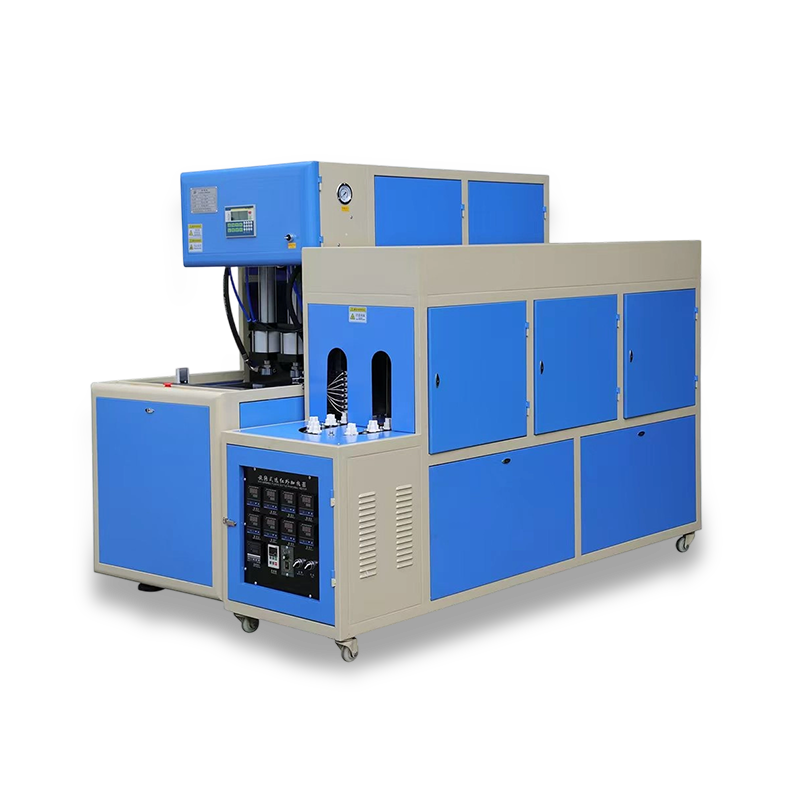
The 3L 2 Cavity Plastic PET Bottle Semi-Automatic Bottle Blowing Machine is designed to meet the needs of small to medium-scale bo...
See Details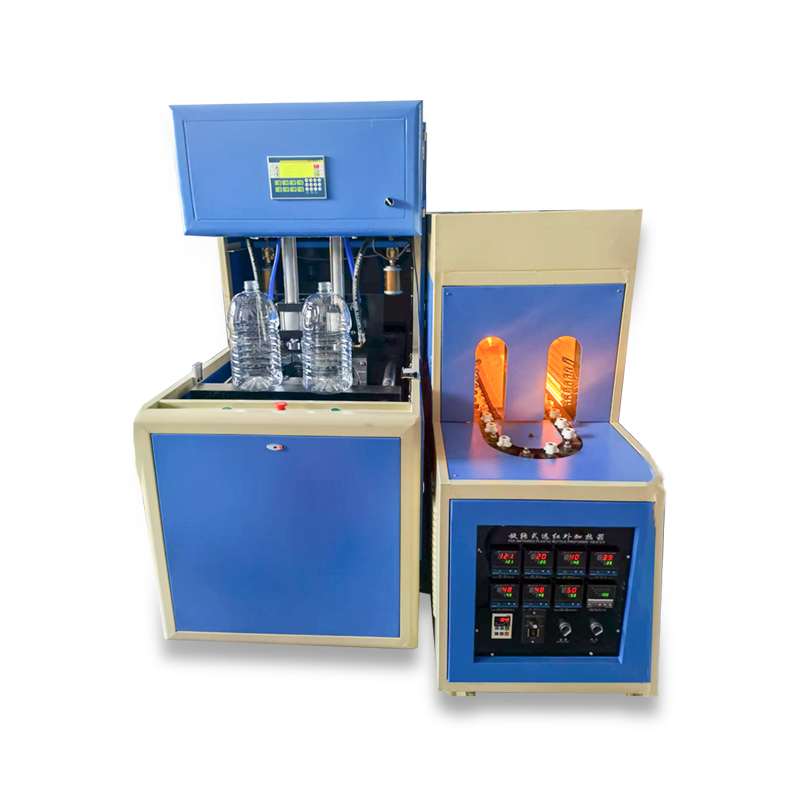
The 5L Manual Extrusion Semi-Automatic Bottle Blowing Machine is specifically designed for producing medium-capacity plastic conta...
See Details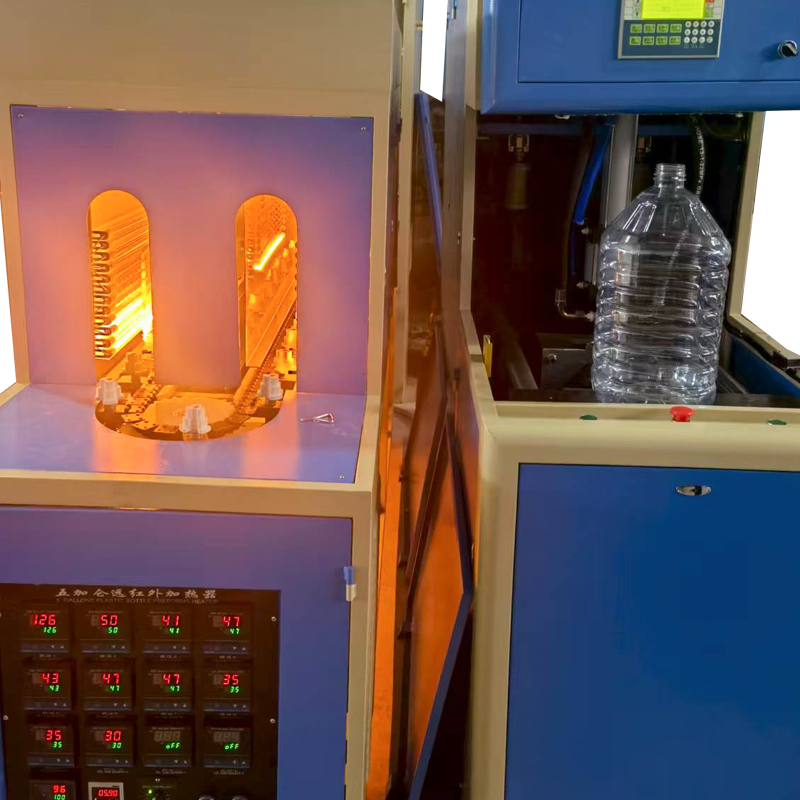
The 10L 5L To 12L Plastic PET Bottles Semi Automatic Bottle Blowing Machine is specially designed for producing medium to large vo...
See Details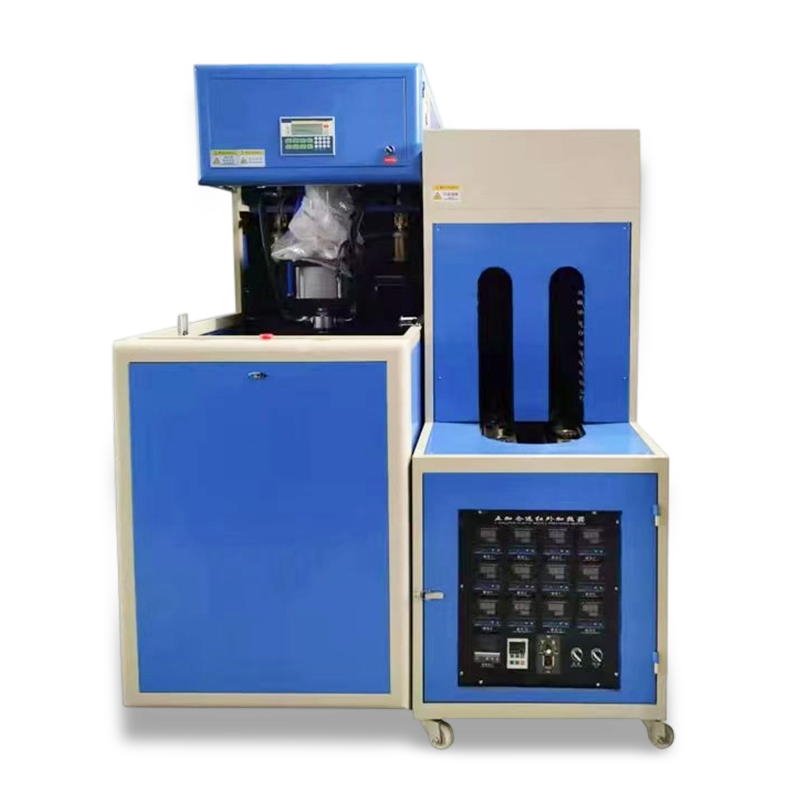
The 20L 3-5 Gallon Semi Automatic Bottle Blowing Machine for 5L-22L Bottles is specifically engineered for producing large-capacit...
See Details


Contact Us