

 English
 Steady Fully Automatic Bottle Blowing Machine
This PET bottle blowing machine is designed to meet the demands of modern bottle manufacturing with high automation, reliability, ...
See Details
Producing plastic components with unique forms or intricate designs requires precise control over shaping and material behavior. Blow molding machines and wide-mouth bottle blowing machines provide a practical approach for creating hollow plastic products, from jars and containers to specialized industrial items. These machines enable manufacturers to form custom geometries with defined wall thickness and specific features, allowing production to meet design requirements while maintaining consistent quality. Understanding the capabilities and operational considerations of these machines can help in making informed decisions for custom plastic production.
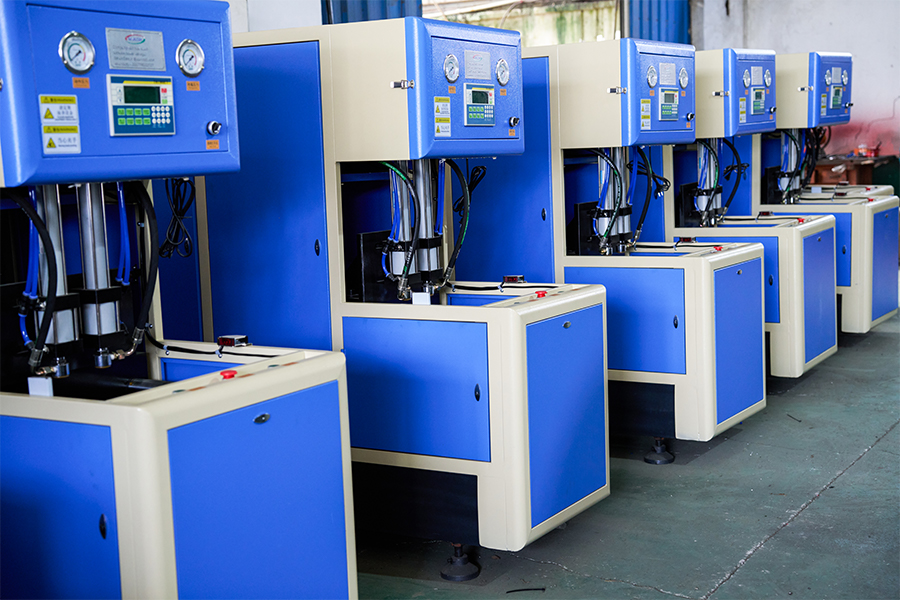
Blow molding machines operate by inflating a heated plastic preform inside a mould cavity, allowing the material to take the shape of the mould. Wide-mouth bottle blowing machines are particularly useful for containers with broader openings, such as food jars or cosmetic containers, where maintaining a consistent wall thickness and uniform shape is important. The design of the mould and the precision of the machine determine how accurately the product reflects its intended contours. Properly engineered moulds help maintain uniformity across multiple cycles, ensuring that each container meets the required dimensional standards without requiring extensive manual adjustments or rework.
Different plastic materials respond in varied ways to heat and pressure, which influences how the machine should be operated. PET is often used for bottles and jars because it can achieve clarity and smooth surfaces when cooled evenly. HDPE accommodates thicker-walled containers and adapts well to different mould designs, while polypropylene provides flexibility for larger wide-mouth bottles but requires careful temperature management to prevent warping. Understanding these material behaviors allows manufacturers to adjust heating, pressure, and cooling settings, supporting stable shaping and maintaining the intended appearance of the final product.
The design of the mould has a direct impact on the accuracy of complex or custom shapes. Moulds for wide-mouth bottles can be engineered to include features such as reinforced bases, contoured necks, or surface textures, which influence both the structural stability and functional aspects of the container. Surface detailing can also incorporate brand-specific patterns or functional indentations, helping products stand out while retaining uniform quality. Attention to mould geometry ensures that the final products are consistent and reduces the need for post-production corrections.
Once the plastic has been formed, it must cool and solidify before removal from the mould. Efficient cooling systems are a key factor in maintaining production pace and product uniformity. In wide-mouth bottle blowing machines, internal cooling channels are designed to distribute temperature evenly across the mould, preventing localized overheating or insufficient solidification. By maintaining controlled cooling rates, the machine can complete each cycle in a predictable timeframe. Adjusting cooling to suit the specific plastic type ensures that bottles emerge without deformation, with uniform walls and consistent neck finishes.
Blow molding machines provide adaptability for producing containers of varying sizes and designs. Wide-mouth bottle machines are suitable for jars, storage containers, and other hollow shapes with broad openings. By allowing adjustments to mould configurations and cycle parameters, these machines accommodate product variations without requiring entirely new equipment. Changes in container volume or design can be implemented through modifications to the mould or through adjustable machine settings, helping manufacturers respond to diverse production demands efficiently.
Maintaining the mould and machine is important for sustained operation. Regular inspection of the mould surface ensures that wear or minor damage does not affect product quality, while cleaning the cooling channels prevents reduced flow or uneven temperature distribution. Understanding how minor adjustments to pressure, cooling, and cycle timing affect the shaping process allows operators to produce consistent results across different materials and container sizes. Observing subtle indicators, such as changes in wall thickness or slight variations in shape, helps identify potential issues early and avoid disruptions in production.Blow molding machines, including wide-mouth bottle blowing machines, offer a practical solution for creating hollow plastic components with customized shapes.
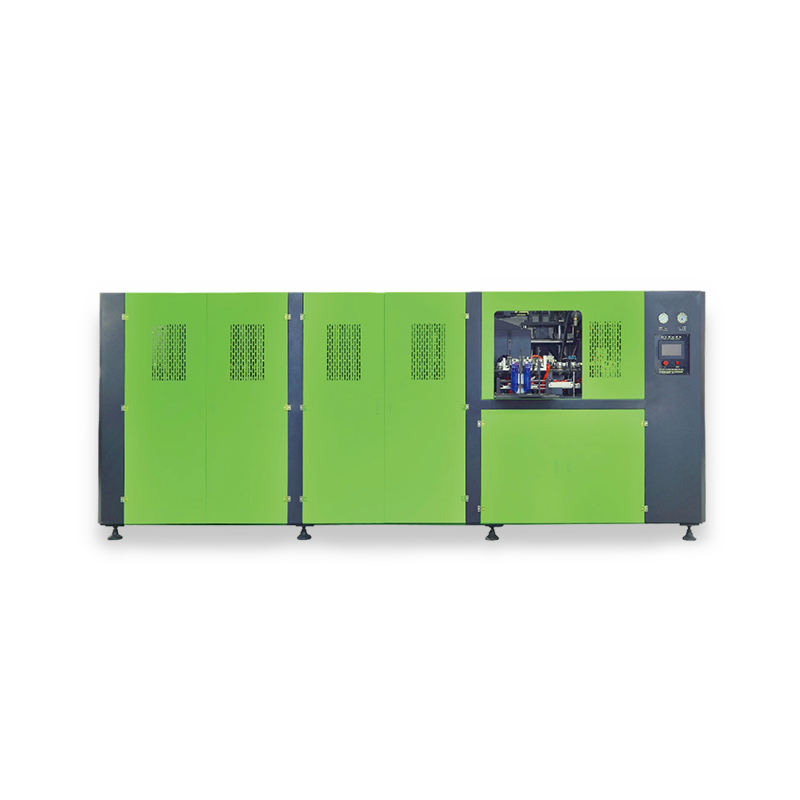
This PET bottle blowing machine is designed to meet the demands of modern bottle manufacturing with high automation, reliability, ...
See Details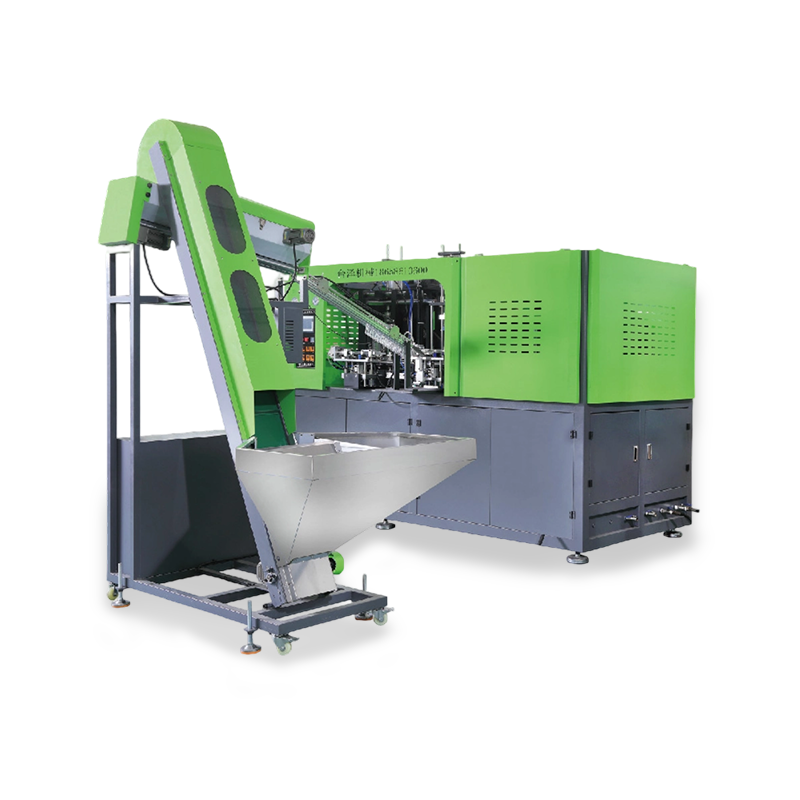
This bottle blowing machine is designed with precision engineering and modern automation technology, providing a reliable and effi...
See Details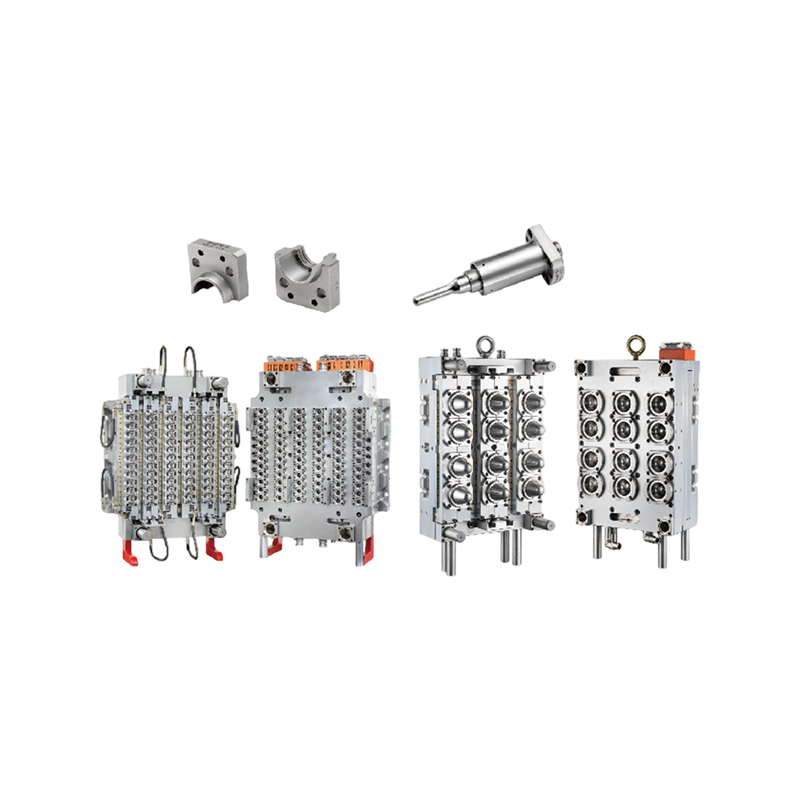
The Preform Durable High Success Rate Bottle Injection Mold is a cutting-edge product designed to provide high-quality, efficient,...
See Details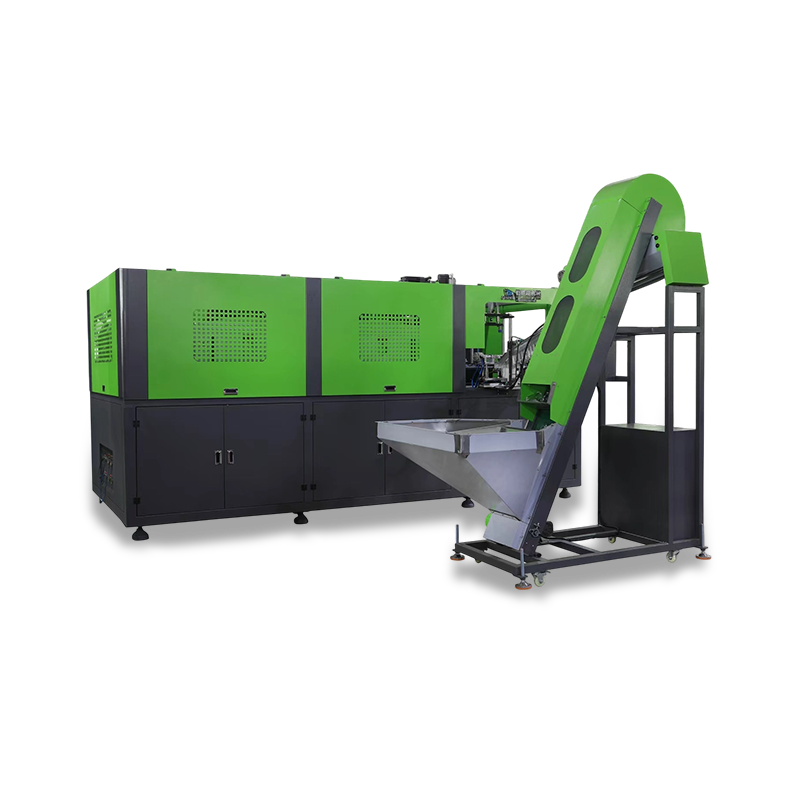
The 6-Cavity Fully Automatic Bottle Blowing Machine For Bottles From 100ML To 2L is designed to provide efficient and reliable pro...
See Details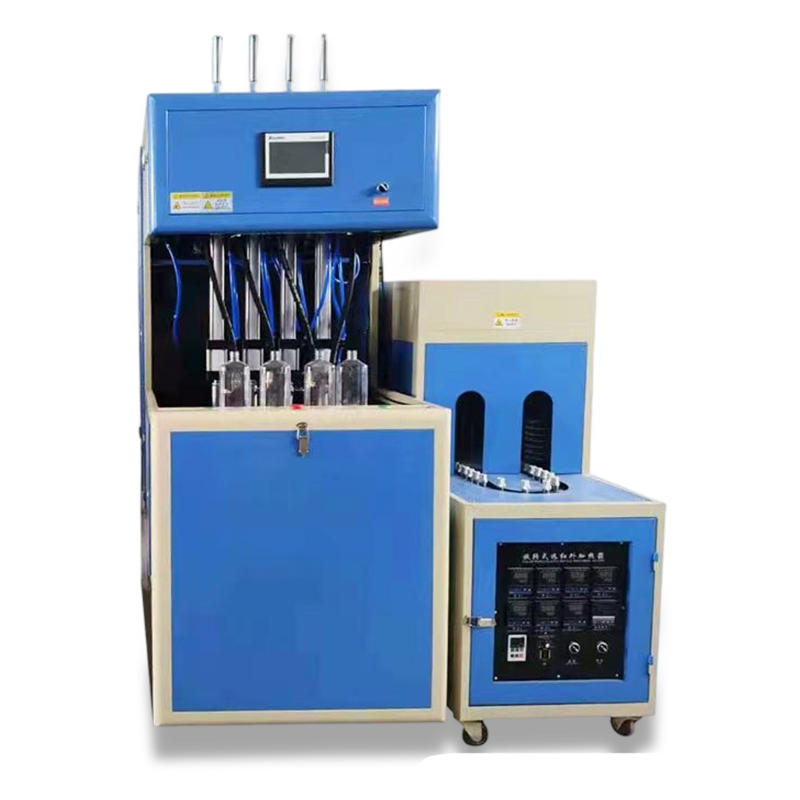
The 1L 4 Cavity Manual Vial Semi Automatic Bottle Blowing Machine is designed to offer practical and efficient bottle production f...
See Details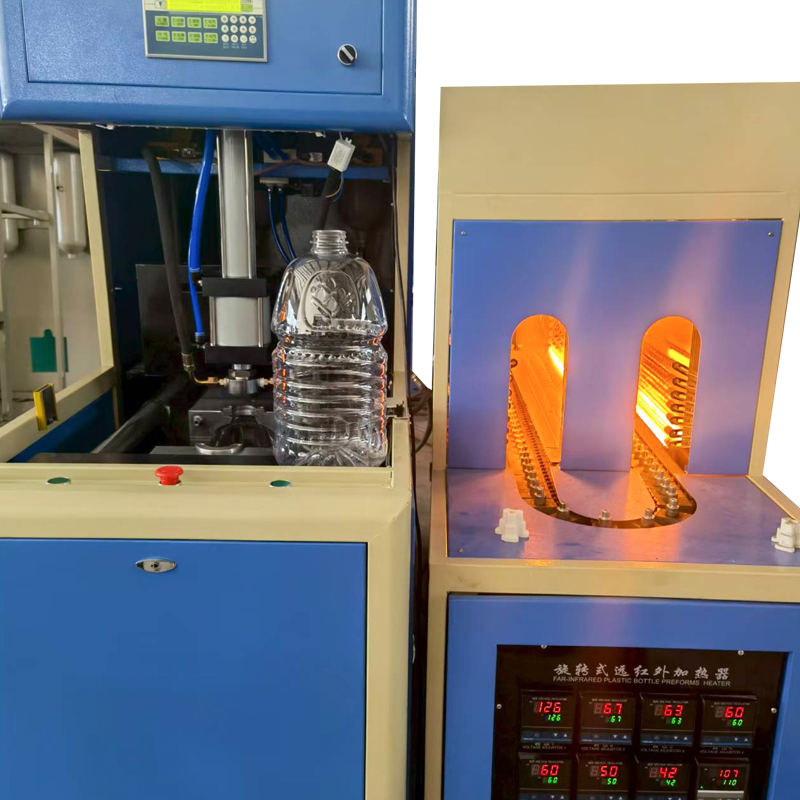
The 5L Single Cavity Semi Automatic Bottle Blowing Machine is specifically designed for the production of plastic PET bottles with...
See Details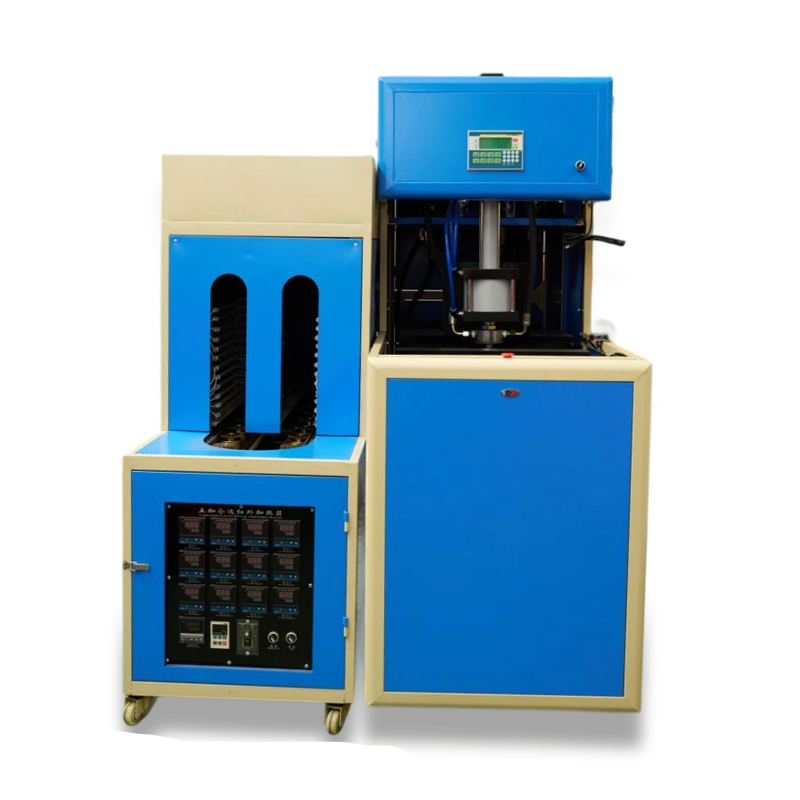
The Handle Bottle Semi Automatic Bottle Blowing Machine is designed to meet the production needs of handle-type plastic bottles in...
See Details


Contact Us