

 English
 2 Cavity Fully Automatic Bottle Blowing Machine For Wide-Mouth Bottle Production
The 2-Cavity Fully Automatic Bottle Blowing Machine for Wide-Mouth Bottle Production is designed to meet the specific needs of man...
See Details
The efficiency of a production line often depends on the performance of the Blowing Machine and the Pet Bottle Blowing Machine. These machines are central to transforming preforms into fully formed bottles, and their operation directly influences the pace, stability, and organization of the packaging workflow. Understanding how these machines affect each stage of production can help operators optimize scheduling, reduce bottlenecks, and maintain consistent output quality. A well-maintained machine also ensures that bottles meet expected specifications, which has a downstream effect on labor allocation and packaging line efficiency.
Pet Bottle Blowing Machines allow multiple bottles to be produced simultaneously, which reduces the cycle time needed to fill and seal containers downstream. Operators can adjust heating, air pressure, and stretching ratios to match different bottle sizes and materials, ensuring that the bottles arrive on the packaging line ready for labeling, filling, and capping without additional intervention. Regular monitoring of heating zones and preform stretching helps maintain consistent quality and prevents minor deviations from escalating into production delays.
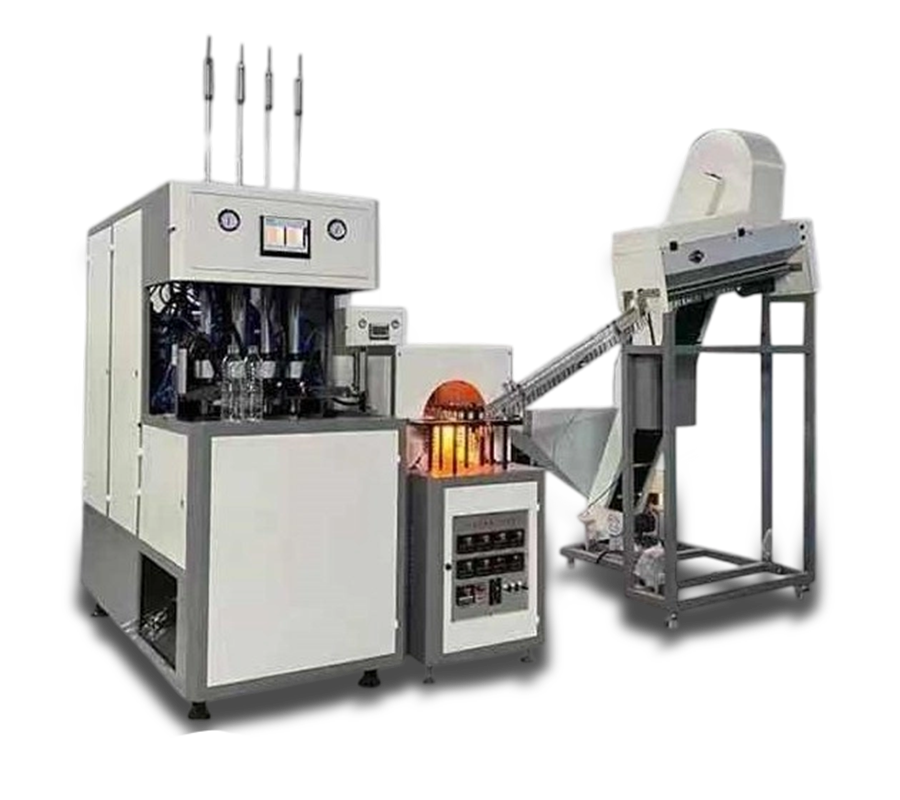
The output from a Blowing Machine has a direct effect on the efficiency of filling and labeling equipment. Bottles that vary in size, weight, or structural integrity may slow down automated fillers or require manual handling, disrupting the overall workflow. Pet Bottle Blowing Machines that maintain steady production rates contribute to smoother integration with downstream processes. Operators can plan production schedules knowing that a consistent number of bottles will be available per cycle, which reduces idle time and allows for more accurate coordination with packaging teams. Incorporating simple inspection checkpoints along the line ensures that only bottles meeting the desired standards reach the filling and labeling stations, further enhancing operational continuity.
Consistency in bottle formation reduces the risk of damage during handling and transport between the blowing machine and packaging station. Defective bottles often result in material waste and require reprocessing, which can slow the packaging workflow. By producing bottles that meet the intended specifications, Pet Bottle Blowing Machines support a cleaner production environment and help maintain steady workflow without frequent interruptions.
Pet Bottle Blowing Machines often support various mold configurations, allowing manufacturers to produce bottles of different sizes or neck finishes without significant downtime. This adaptability benefits packaging operations by enabling quick transitions between product lines. Packaging teams can adjust conveyor speed, labeling positions, and filling volumes based on the specifications of each batch, ensuring that production remains continuous and responsive to changing demands. Modular mold systems and adjustable heating zones make changeovers more efficient, which is particularly valuable for operations that produce multiple bottle types within the same shift.
Integrating a Pet Bottle Blowing Machine into the workflow requires careful scheduling of maintenance, mold changes, and temperature or pressure adjustments. Operators who monitor machine performance and make incremental adjustments as needed can reduce unexpected delays. Daily observations and minor corrections to air pressure, heating zones, or stretching ratios help maintain stable output and prevent disruptions in the packaging sequence. Planning production batches based on machine capacity and cycle time ensures that the packaging line receives a steady supply of bottles, which improves overall operational predictability.
The operation of a Blowing Machine, particularly a Pet Bottle Blowing Machine, plays a key role in shaping the efficiency of packaging workflows. By producing consistent, uniform bottles, coordinating with downstream filling and labeling processes, reducing material waste, and allowing flexible transitions between bottle types, these machines support continuous and organized production. Careful monitoring, timely adjustments, and maintenance practices ensure that the machine aligns with overall packaging operations, enhancing productivity without requiring constant intervention. In addition, keeping detailed performance records and adjusting production planning based on machine behavior can help operators anticipate issues and maintain a balanced, efficient workflow throughout each shift.
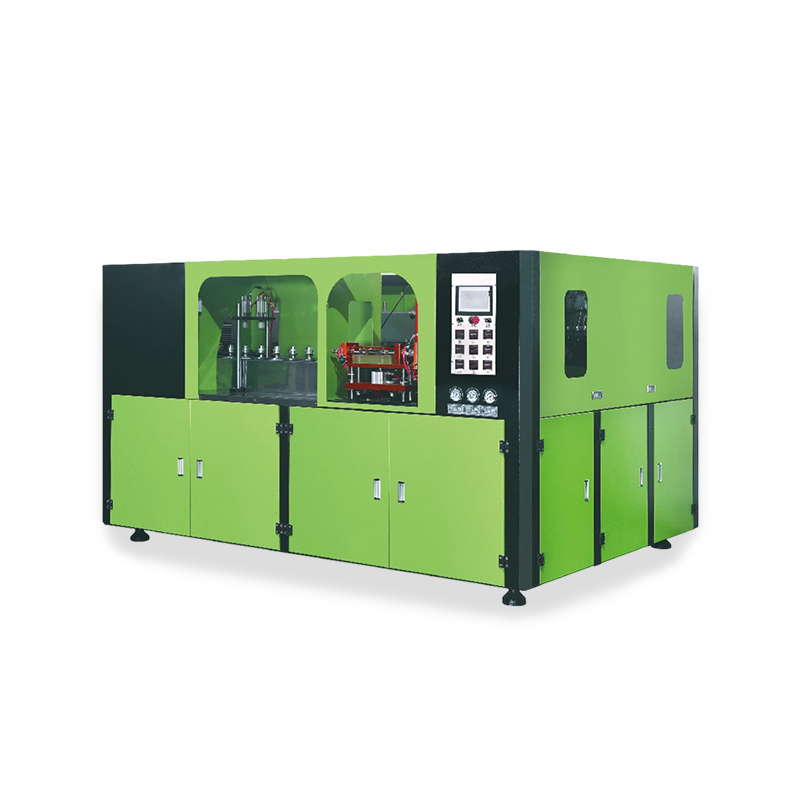
The 2-Cavity Fully Automatic Bottle Blowing Machine for Wide-Mouth Bottle Production is designed to meet the specific needs of man...
See Details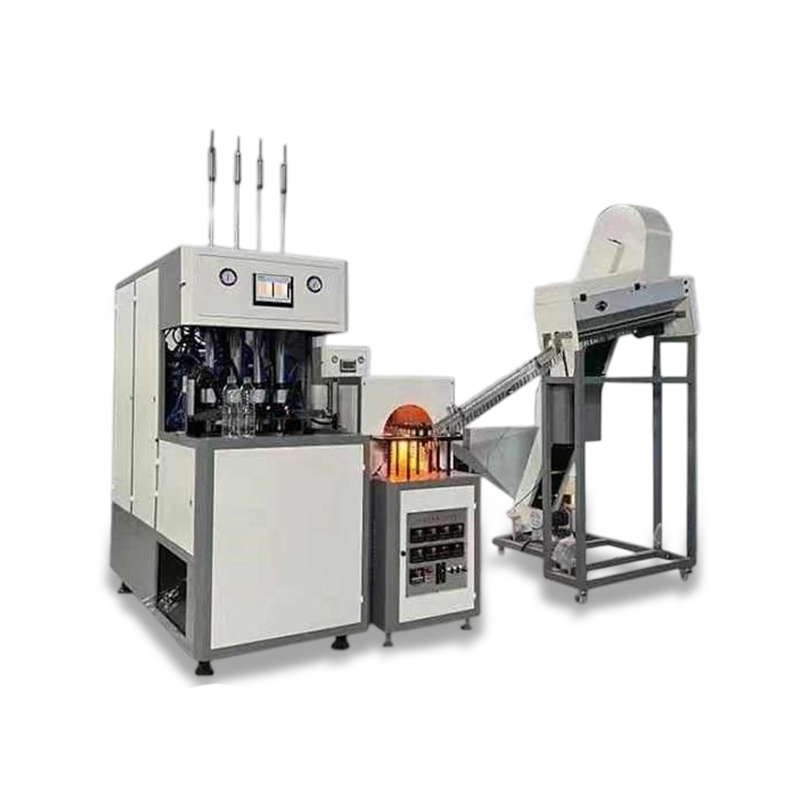
The Semi-Automatic Bottle Blowing Machine With Automatic Loader is designed to support medium-scale bottle production environments...
See Details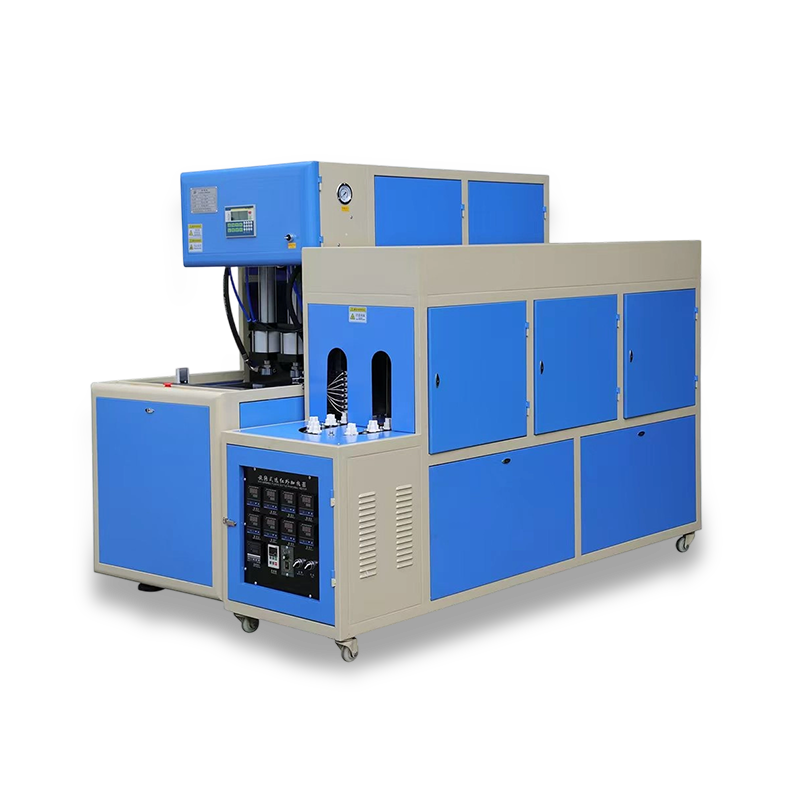
The 3L 2 Cavity Plastic PET Bottle Semi-Automatic Bottle Blowing Machine is designed to meet the needs of small to medium-scale bo...
See Details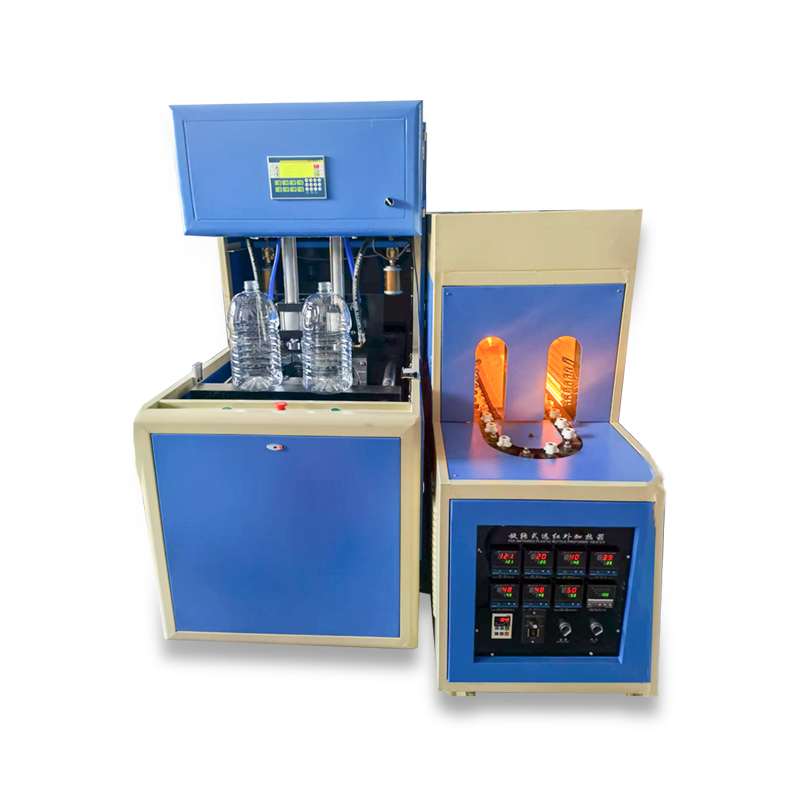
The 5L Manual Extrusion Semi-Automatic Bottle Blowing Machine is specifically designed for producing medium-capacity plastic conta...
See Details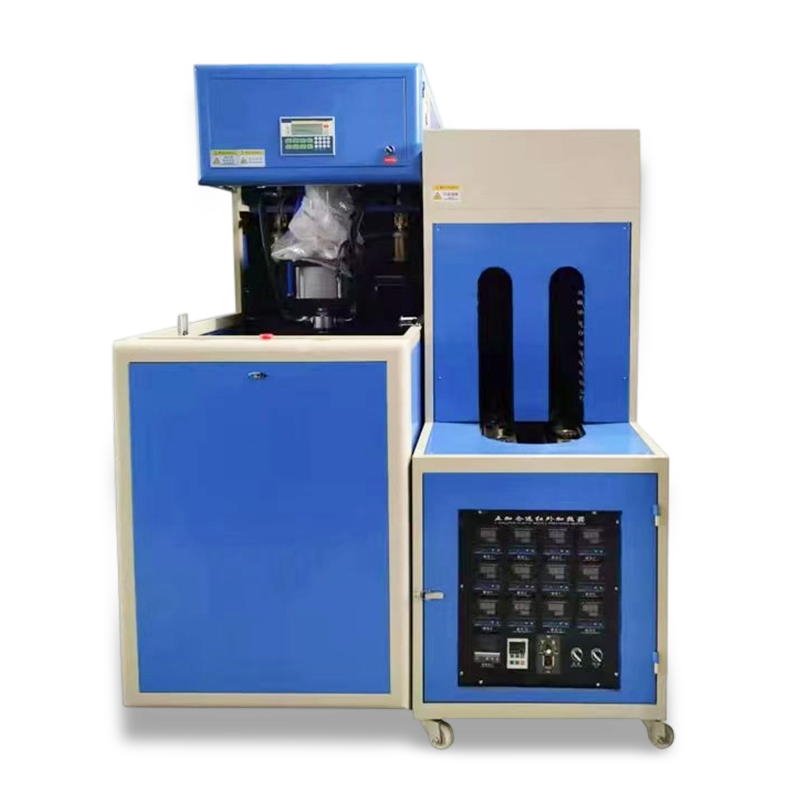
The 20L 3-5 Gallon Semi Automatic Bottle Blowing Machine for 5L-22L Bottles is specifically engineered for producing large-capacit...
See Details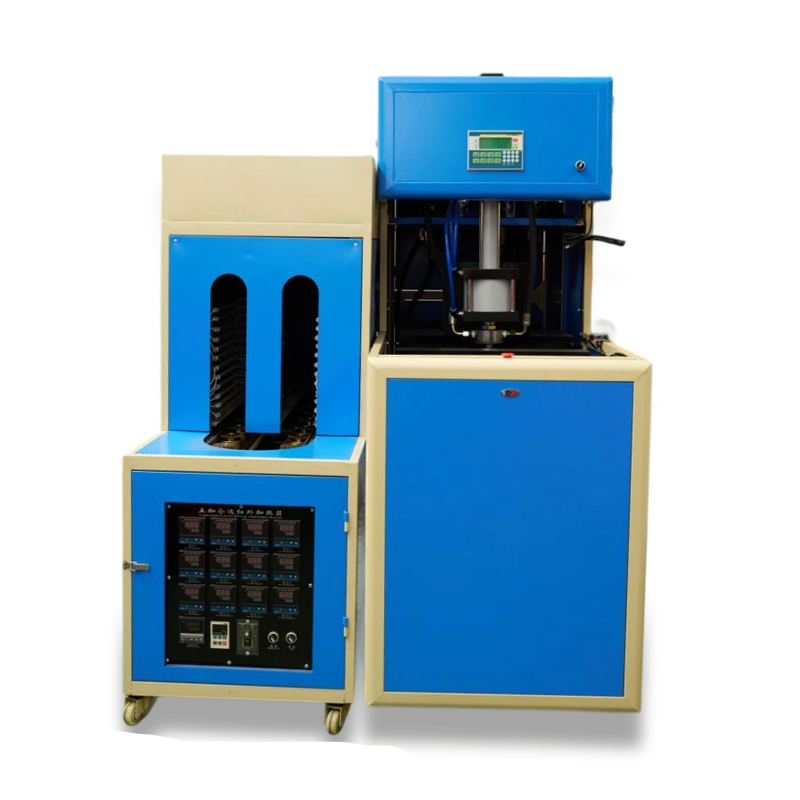
The Handle Bottle Semi Automatic Bottle Blowing Machine is designed to meet the production needs of handle-type plastic bottles in...
See Details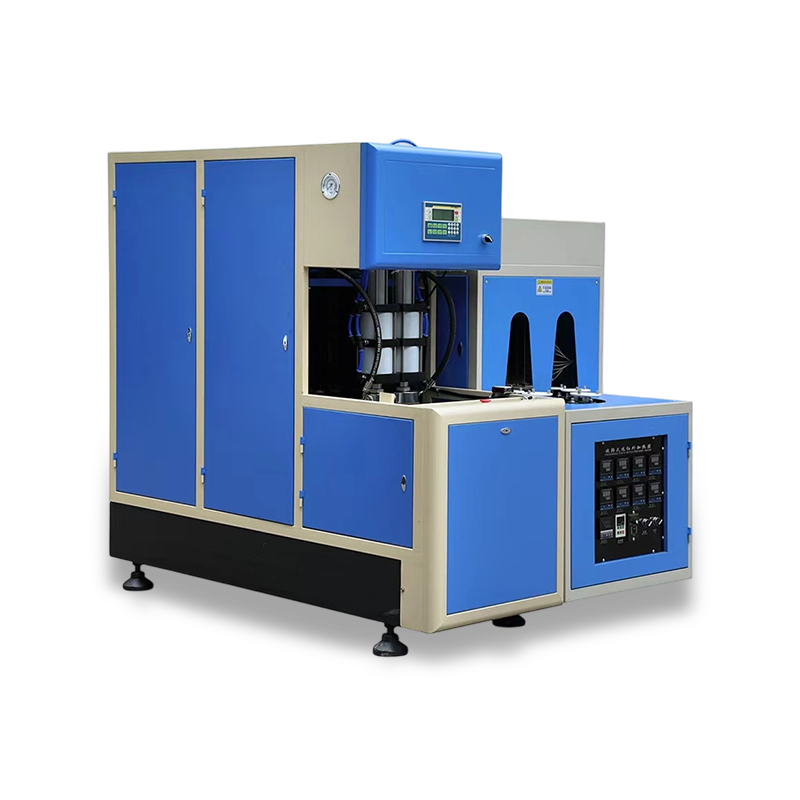
The 2-Cavity Wide-Mouth Bottle Semi-Automatic Bottle Blowing Machine is designed for medium-scale production lines that require ef...
See Details


Contact Us