

 English
 Gigh Speed Fully Automatic Bottle Blowing Machine
The High Speed Fully Automatic Bottle Blowing Machine is designed to meet the demands of high-efficiency and high-quality bottle p...
See Details
Semi-automatic bottle blowing machines and Edible Oil Bottle Blowing Machine are often applied in PET container production lines where food-grade packaging requires stable forming conditions and controlled material handling. In edible oil packaging workflows, the focus is placed on container cleanliness, structural consistency, and controlled wall thickness during the blowing process.
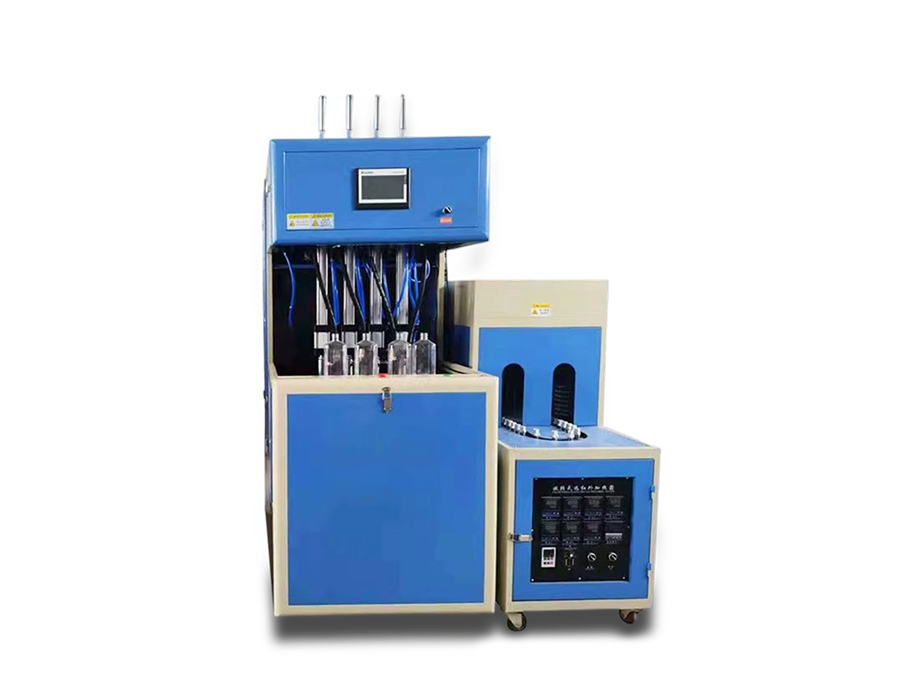
Edible oil containers are directly involved in food contact, so production environments usually need to follow stricter material handling and forming conditions compared with general plastic bottles. PET preforms must remain clean during heating and shaping, and the blowing stage needs controlled air pressure to maintain consistent bottle structure.
Semi-automatic production systems are frequently used in small to medium batch operations where different bottle sizes are required within the same production cycle. This setup allows operators to adjust heating time, mold temperature, and blowing pressure according to specific container requirements. For edible oil packaging, bottle stability after filling is often a key consideration, especially for long-distance transport or storage under varying temperature conditions.
The Edible Oil Bottle Blowing Machine is generally structured around controlled heating zones and stable air delivery systems. This allows PET preforms to be softened evenly before entering the mold stage, reducing deformation risks during shaping.
In Semi Automatic Bottle Blowing Machine setups, the workflow is typically divided into three main steps: preform placement, heating control, and manual or assisted transfer into the blowing unit. This separation allows operators to adjust process conditions based on different bottle types.
Key operational adjustments include:
For edible oil bottle production, additional attention is given to neck finishing accuracy and wall thickness distribution. These factors influence sealing performance and container handling during filling and transportation.
|
Component |
Functional Role |
|
Heating system |
Softens PET preforms evenly |
|
Blowing unit |
Shapes bottle under controlled air pressure |
|
Mold system |
Defines bottle structure and neck type |
|
Cooling section |
Stabilizes final bottle form |
|
Control interface |
Adjusts temperature and cycle timing |
This structure supports production environments where bottle specifications change frequently across different packaging orders.
The Edible Oil Bottle Blowing Machine is commonly used in food packaging production lines that handle cooking oil, vegetable oil, and blended oil products. These bottles often require different capacities such as 500ml, 1L, 2L, or larger household sizes.
In addition to edible oil packaging, Semi Automatic Bottle Blowing Machine systems are also used in related food-grade container production, including sauces, syrups, and liquid seasoning packaging. These applications often require frequent mold changes and flexible production scheduling.
Typical usage scenarios include:
The flexibility of semi-automatic systems supports varied order structures without requiring fully continuous production lines.
In standard workshop environments, output levels depend on operator handling, preform quality, and heating stability. Semi-automatic systems are often used in situations where production batches vary throughout the week.
Below is a general reference table for production behavior:
|
Factor |
Typical Observation |
|
Production cycle |
Operator-dependent timing |
|
Bottle consistency |
Influenced by heating balance |
|
Mold change time |
Relatively short setup period |
|
Energy usage |
Varies with heating duration |
|
Suitable batch size |
Small to medium production runs |
In edible oil bottle forming, adjustments in air pressure and heating time are often used to control bottle rigidity. This helps maintain consistent container shape during filling and storage stages, especially for larger-volume bottles that carry higher liquid weight.
Food-grade packaging continues to require controlled production processes that balance flexibility and structural stability. Semi-automatic systems provide a practical option for manufacturers that need to handle different bottle types without long production interruptions.
For edible oil packaging, production consistency is closely linked to sealing performance and bottle wall uniformity. The Edible Oil Bottle Blowing Machine supports these requirements through adjustable forming conditions and repeatable process control.
At the same time, semi-automatic bottle blowing machine setups remain relevant in environments where production demand changes frequently. Instead of focusing on large-scale continuous output, these systems support adaptable manufacturing schedules and multi-product workflows.
Q1: Can this machine be used for food-grade containers?
Yes, it is commonly used for PET food packaging such as edible oil bottles, sauce containers, and beverage packaging.
Q2: What makes edible oil bottle production different?
Edible oil bottles often require thicker walls and more stable structure to handle liquid weight and transportation conditions.
Q3: Is manual operation required?
Semi-automatic systems involve operator participation, especially during preform loading and transfer stages.
Q4: Can bottle sizes be changed easily?
Yes, mold systems are designed for quick switching between different bottle capacities and shapes.
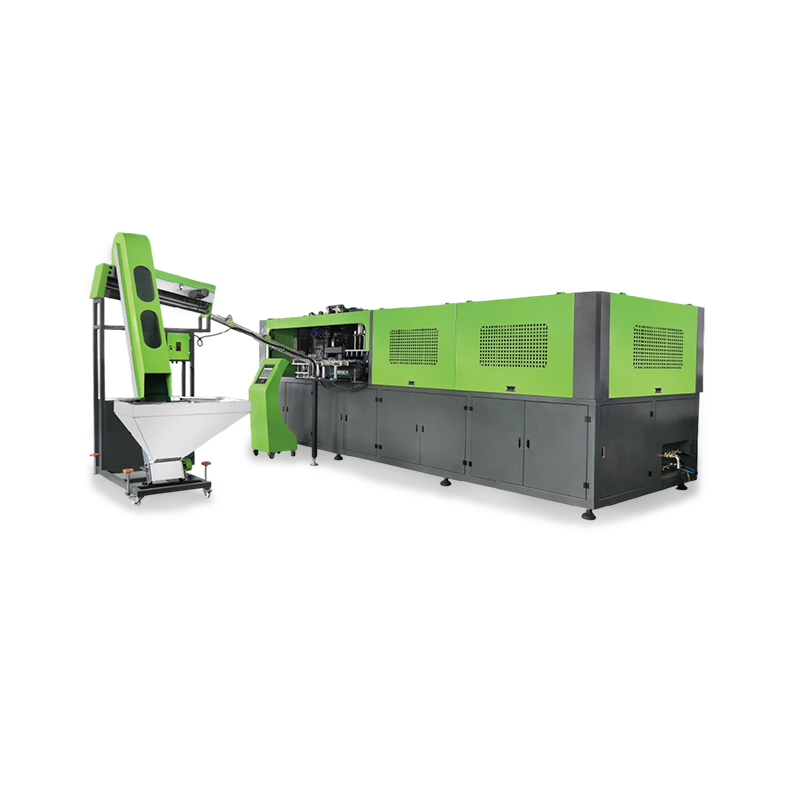
The High Speed Fully Automatic Bottle Blowing Machine is designed to meet the demands of high-efficiency and high-quality bottle p...
See Details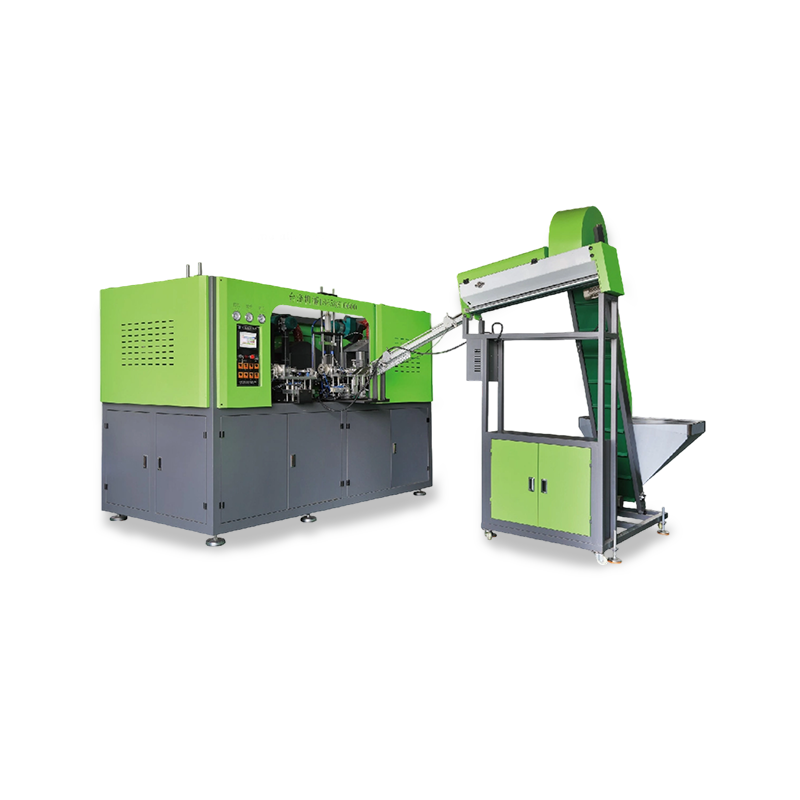
The Servo-driven lifting system is one of the standout features of this advanced bottle blowing machine. This system ensures fast,...
See Details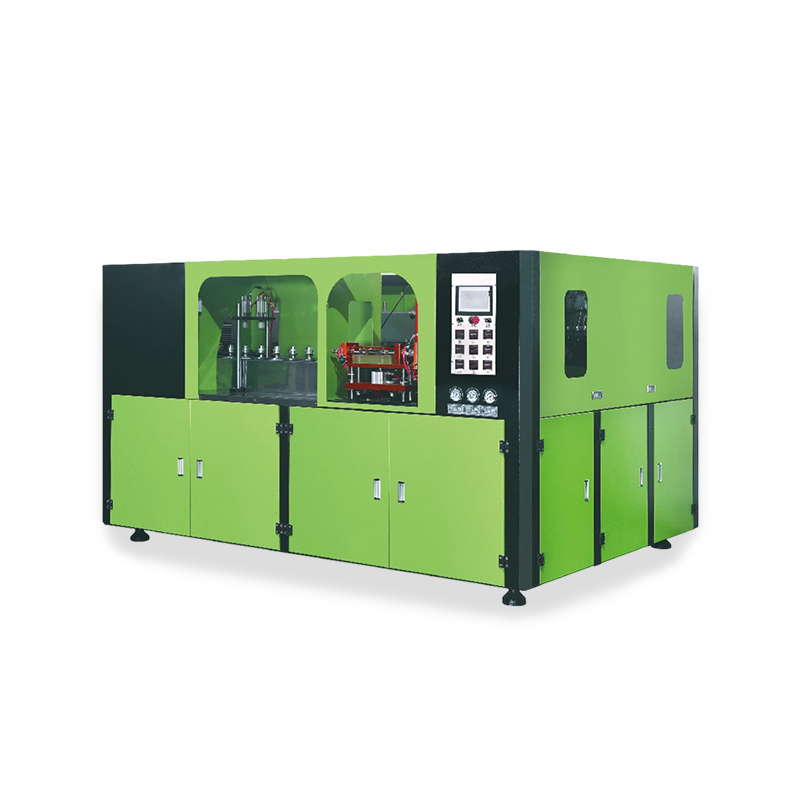
The fully automatic bottle blowing machine is designed with an emphasis on stability, efficiency, and precision. Its structure int...
See Details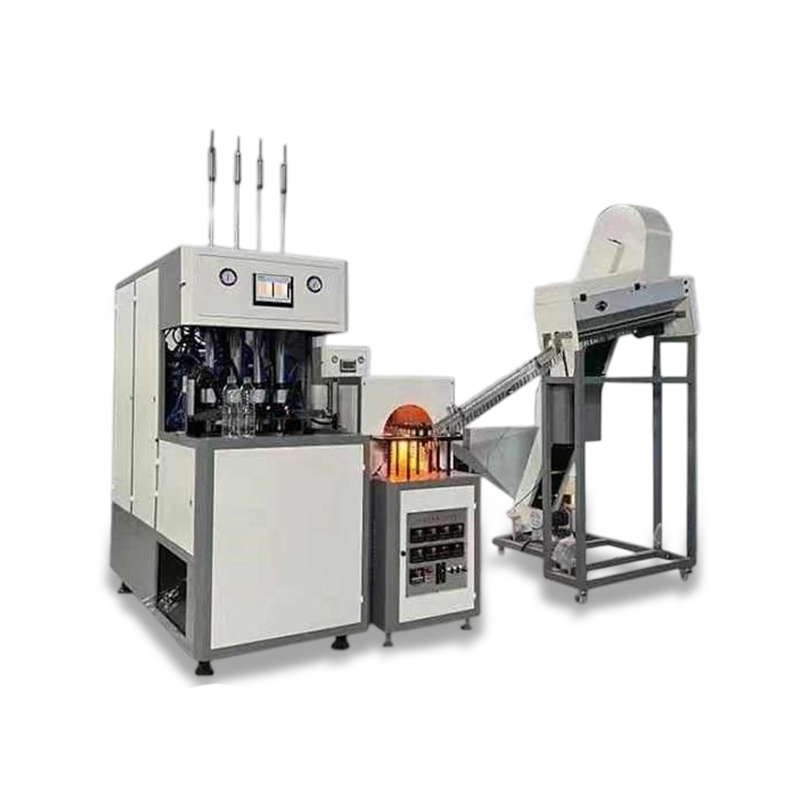
The Semi-Automatic Bottle Blowing Machine With Automatic Loader is designed to support medium-scale bottle production environments...
See Details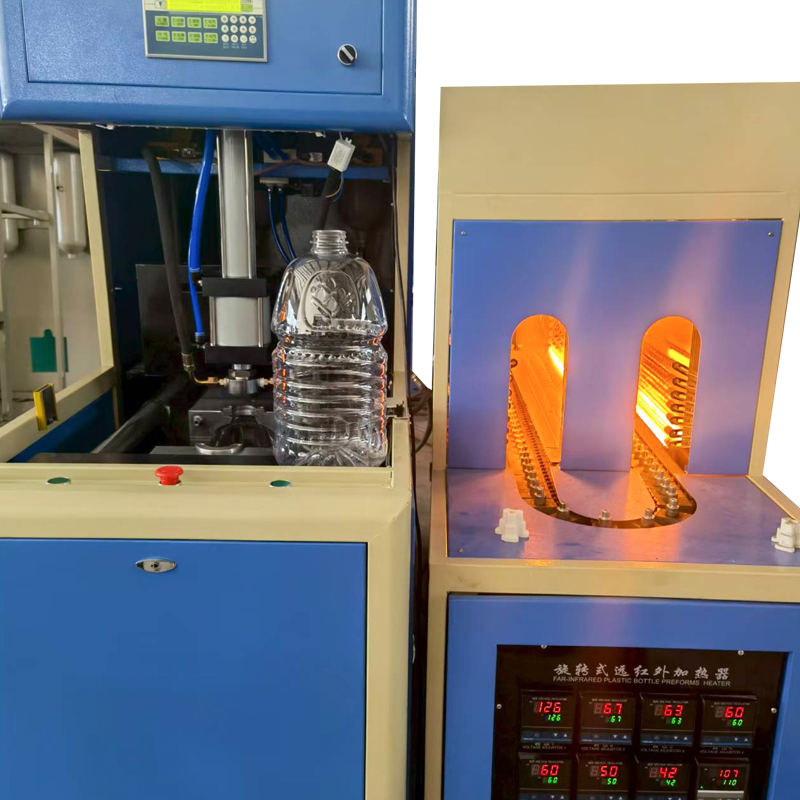
The 5L Single Cavity Semi Automatic Bottle Blowing Machine is specifically designed for the production of plastic PET bottles with...
See Details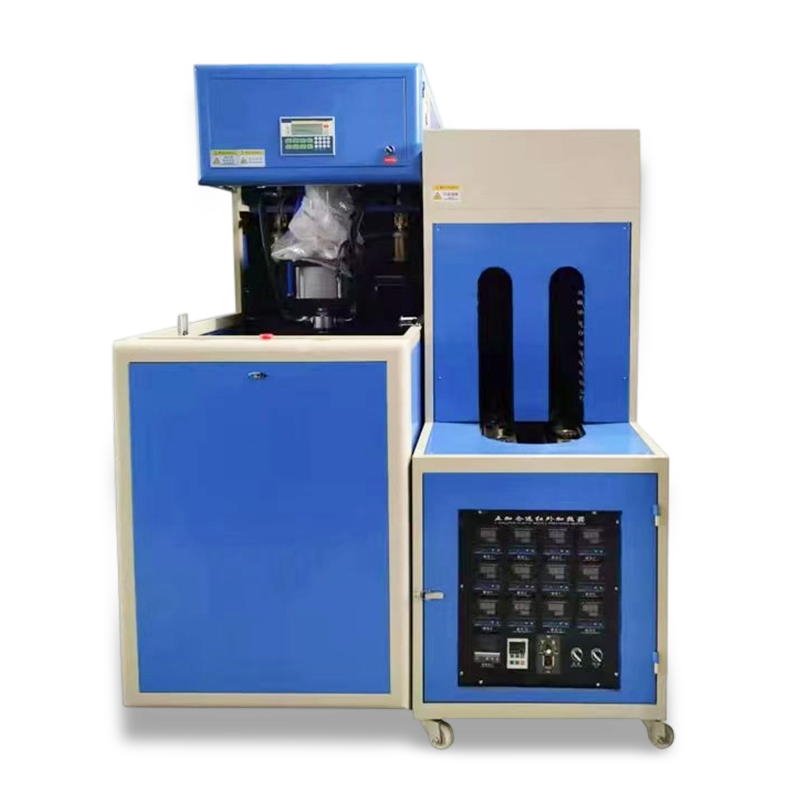
The 20L 3-5 Gallon Semi Automatic Bottle Blowing Machine for 5L-22L Bottles is specifically engineered for producing large-capacit...
See Details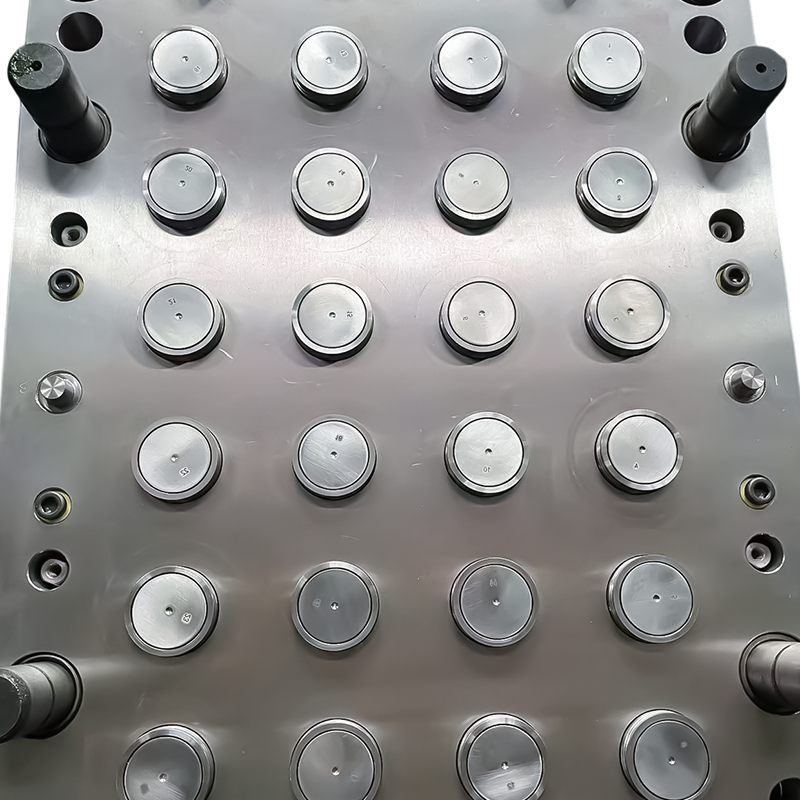
The Multiple Specifications High Precision Bottle Cap Mold is designed for manufacturers who require consistency, accuracy, and ve...
See Details


Contact Us