

 English
 Touchscreen Fully Automatic Bottle Blowing Machine
The Servo-driven lifting system is one of the standout features of this advanced bottle blowing machine. This system ensures fast,...
See Details
Wide-mouth bottle blowing machines are widely used in producing containers with broad openings, such as jars, food containers, and cosmetic packaging. These machines operate by inflating heated preforms inside blow moulds, shaping them into hollow plastic components. For manufacturers, understanding the role of cooling systems in these machines is essential, as cooling directly influences cycle time, product consistency, and operational efficiency.
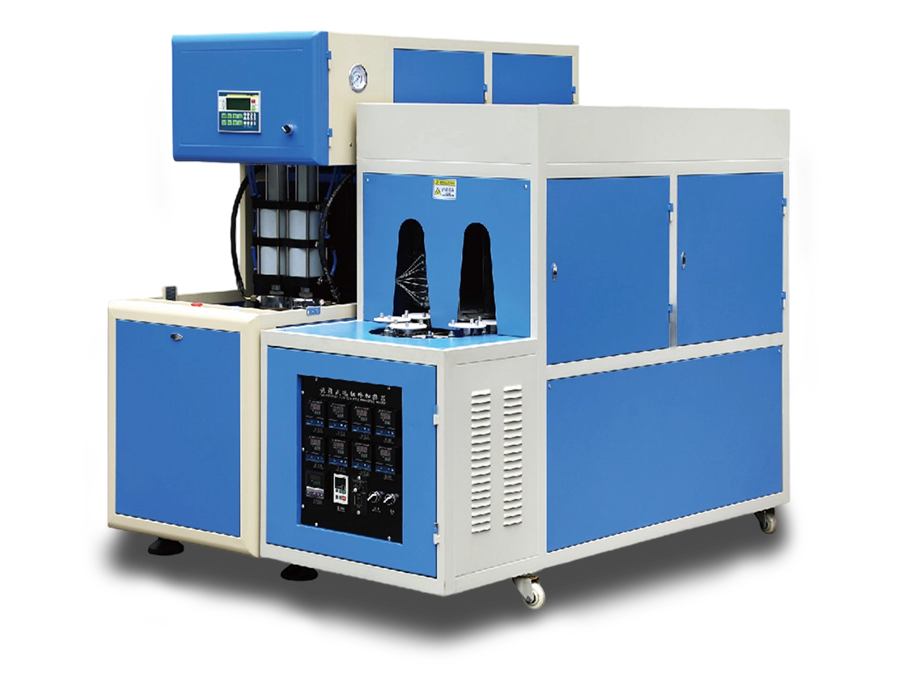
Cooling is a fundamental step in the blow molding process. After the preform is inflated inside the mould, the plastic must solidify before removal. Wide-mouth bottle blowing machines often work with larger volumes of material due to their broader openings, which naturally requires longer cooling periods if not managed correctly.
Properly designed cooling channels within the blow mould help maintain consistent temperature throughout the bottle, supporting smoother operation and predictable production intervals.
Wide-mouth bottles often feature uniform wall thickness and precise neck finishes. Uneven cooling can cause variations in wall thickness, causing deformation or minor defects. Efficient cooling systems ensure:
This consistency is particularly important for food-grade containers or products where precise volume and seal integrity are necessary.
Cooling systems in blow molding machines typically involve internal channels that carry coolant through the mould body. For wide-mouth bottle machines, several design aspects make a difference:
By combining these features, cooling systems support smoother production and reduce the likelihood of defects that would require rework.
The choice of mould material affects how heat is conducted away from the plastic. Hardened steel and aluminum alloys are commonly used for wide-mouth bottle moulds. Key points include:
Thermal Conductivity: Materials that transfer heat efficiently allow the plastic to solidify uniformly.
Wide-mouth bottles are often made from PET, HDPE, or PP. Each material has distinct thermal properties, which influence how it responds to cooling:
PET: Requires precise temperature control to prevent stress cracks or deformation.
HDPE: Cools faster but may need slower mould release to avoid surface imperfections.
PP: Sensitive to uneven cooling, which can cause warping in larger containers.
Operators can adjust coolant temperature, flow rate, and cycle timing to accommodate material differences, ensuring that bottles emerge with the intended quality.
Efficient cooling relies on regular system upkeep. Some recommended practices include:
Routine maintenance supports longer tool life and more consistent production outcomes.
Wide-mouth bottle blowing machines often need to produce containers of various sizes and shapes. Cooling systems that allow adjustment help manufacturers adapt to changing production needs without extensive downtime.
This flexibility enables manufacturers to respond to market demands efficiently.
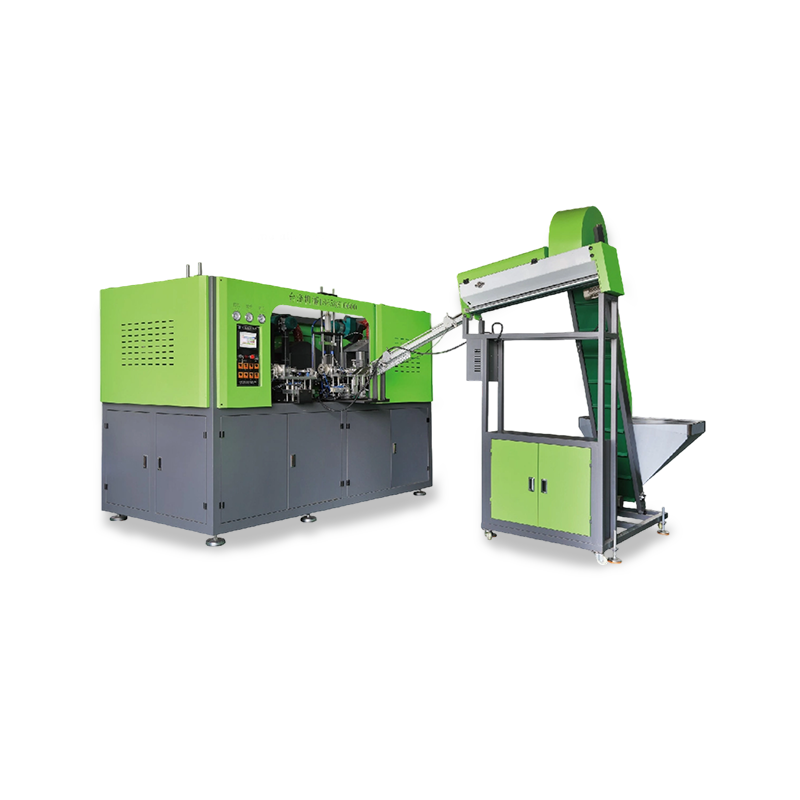
The Servo-driven lifting system is one of the standout features of this advanced bottle blowing machine. This system ensures fast,...
See Details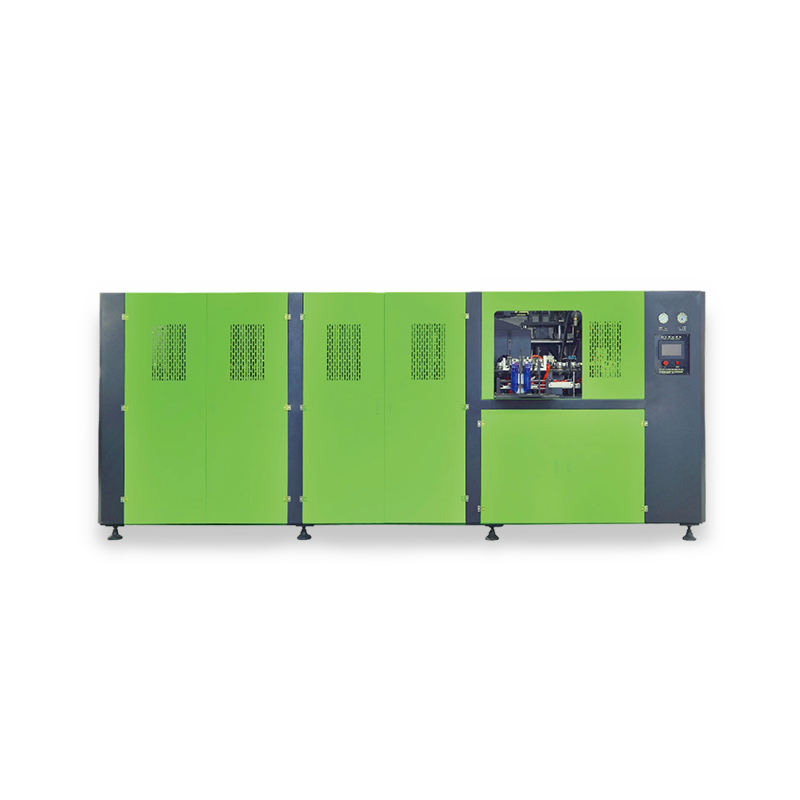
This PET bottle blowing machine is designed to meet the demands of modern bottle manufacturing with high automation, reliability, ...
See Details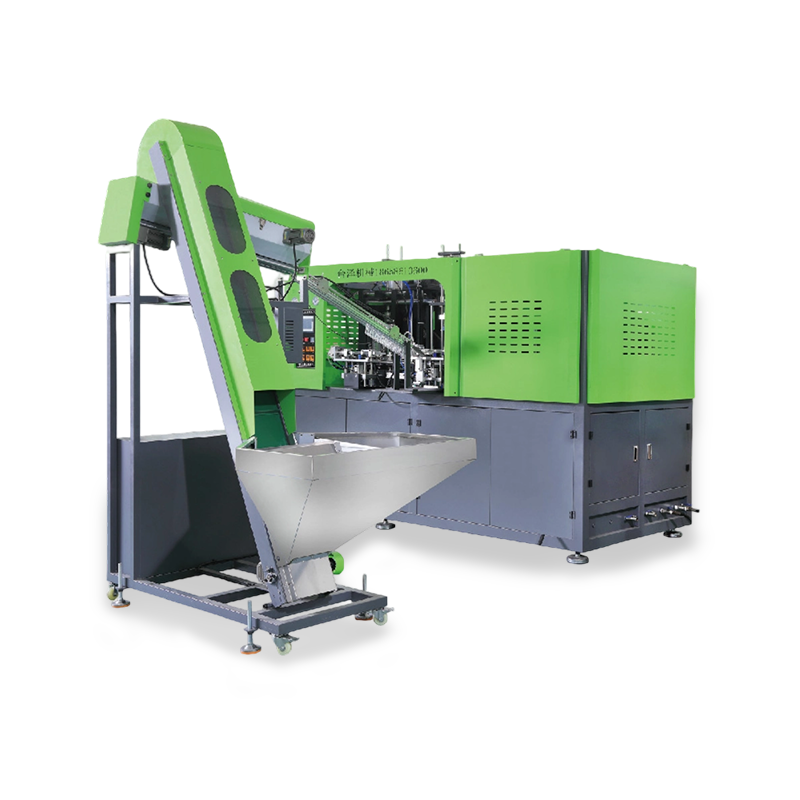
This bottle blowing machine is designed with precision engineering and modern automation technology, providing a reliable and effi...
See Details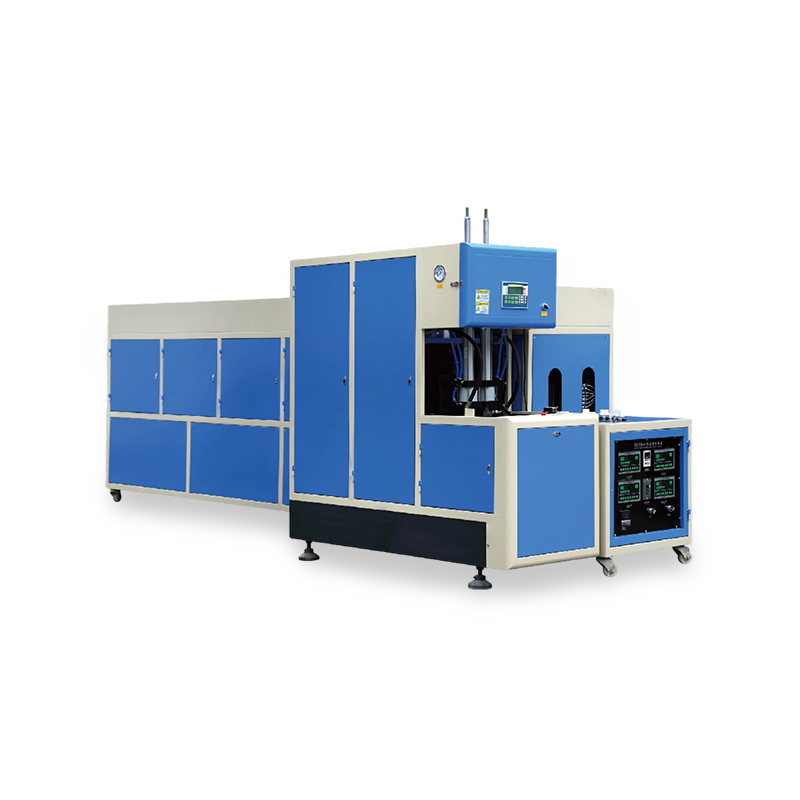
The fully automatic bottle blowing machine is engineered to deliver high efficiency and precision in plastic container production....
See Details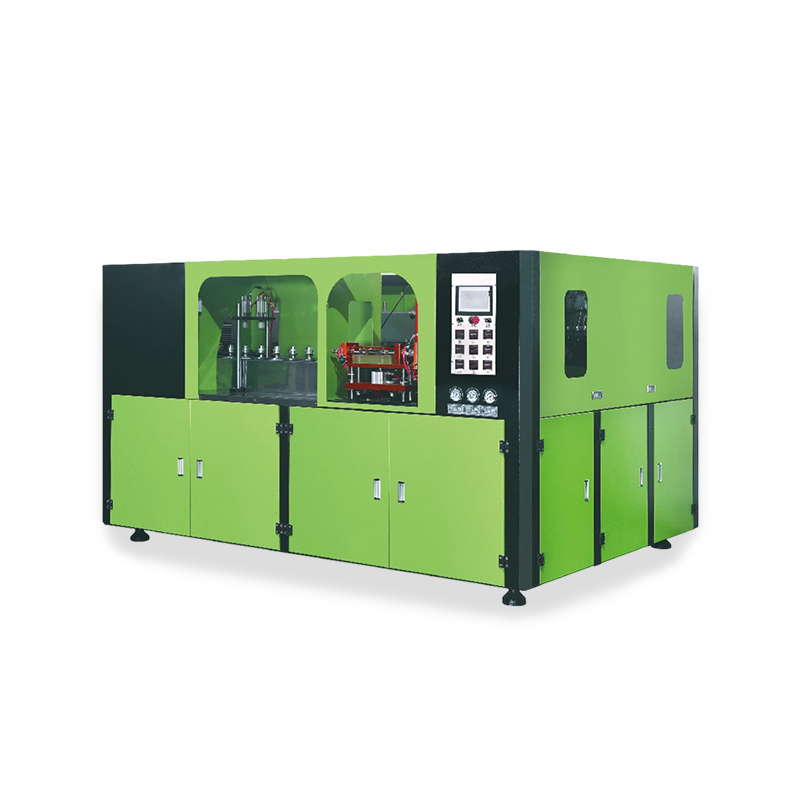
The 1-Chamber Large Capacity Tank Fully Automatic Bottle Blowing Machine is engineered to meet the needs of industrial-scale produ...
See Details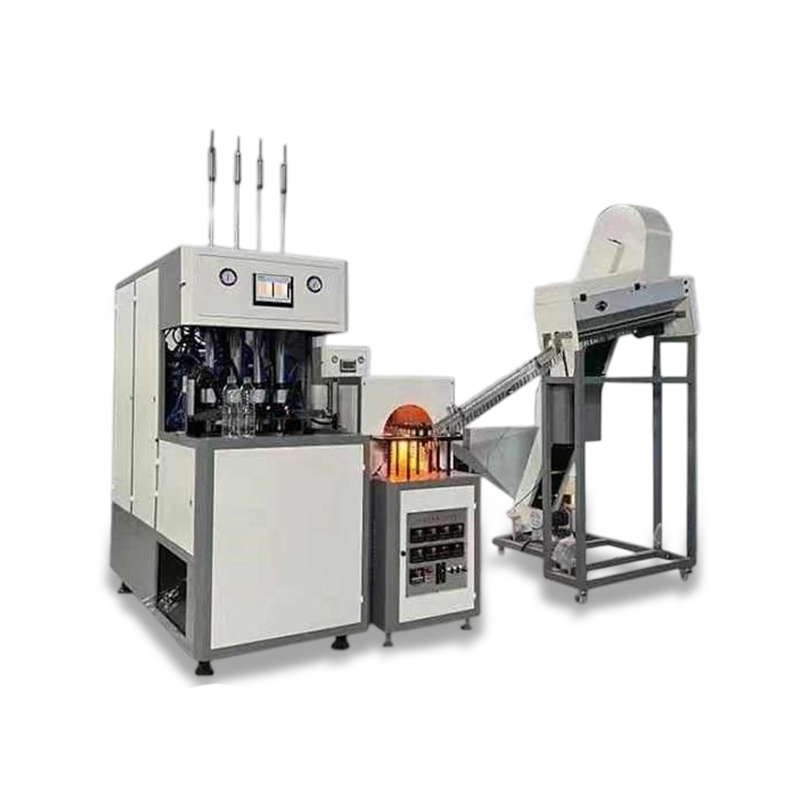
The Semi-Automatic Bottle Blowing Machine With Automatic Loader is designed to support medium-scale bottle production environments...
See Details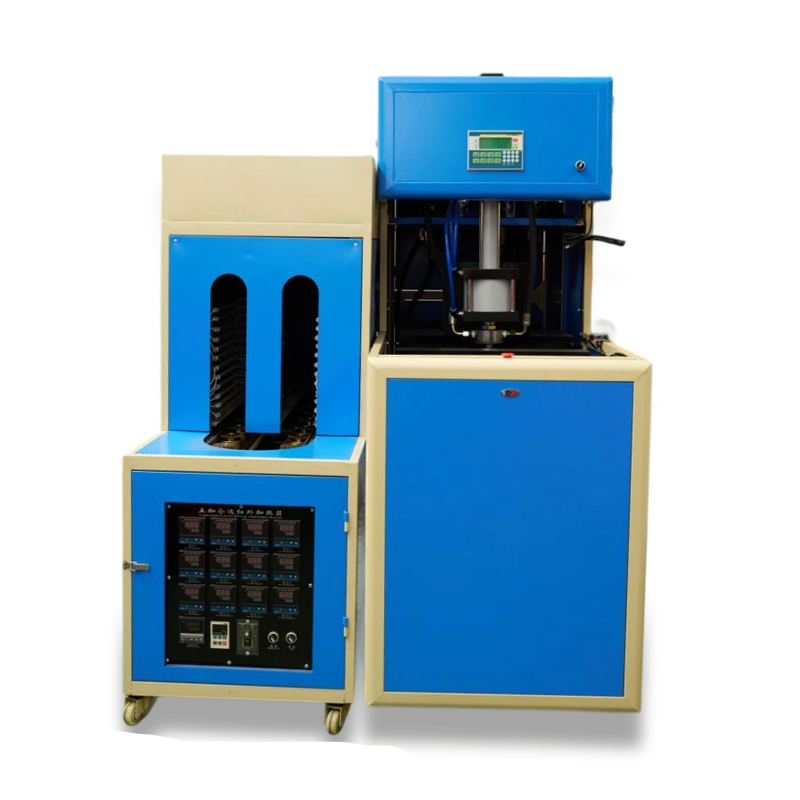
The Handle Bottle Semi Automatic Bottle Blowing Machine is designed to meet the production needs of handle-type plastic bottles in...
See Details


Contact Us